


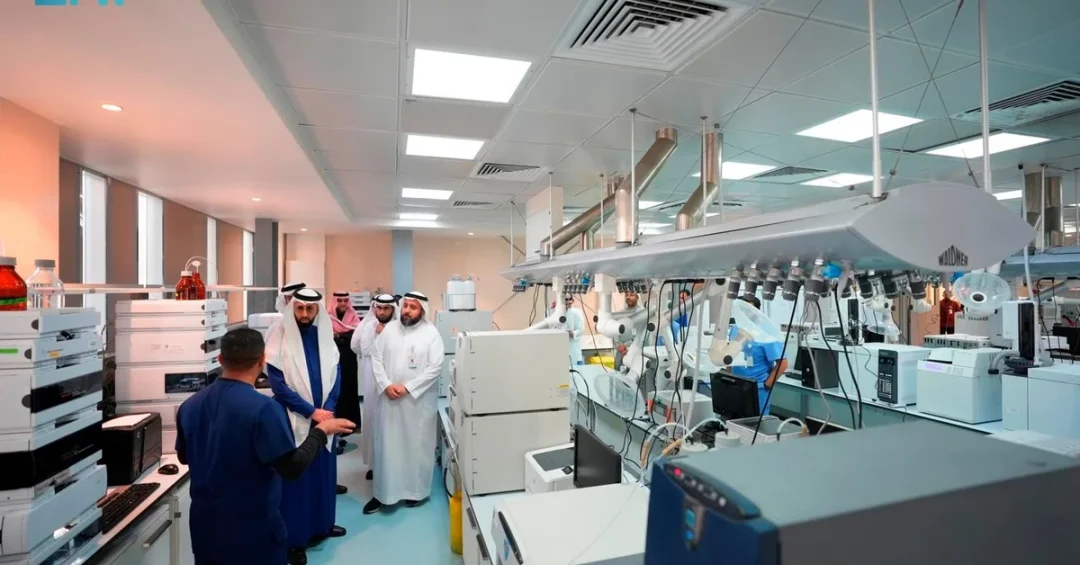
The Chief Executive Officer of the Saudi Food and Drug Authority (SFDA), Dr. Hisham S. Aljadhey, conducted an official inspection tour of the authority’s Eastern Region branch, visiting several affiliated facilities to assess operations and reinforce the Kingdom’s commitment to food and drug safety, the Saudi Press Agency reported. The tour, which took place in December 2024, underscored the SFDA’s ongoing efforts to enhance regulatory oversight and ensure that products reaching Saudi consumers meet the highest international standards. Dr. Aljadhey’s visit highlighted the critical role played by the Eastern Region branch in safeguarding public health, particularly given its strategic location near major ports and industrial hubs.
During the visit, Dr. Aljadhey was accompanied by senior officials from the authority and received detailed briefings on the branch’s daily operations, technological capabilities, and inspection protocols. The tour reflects the SFDA’s proactive approach to regulatory enforcement and its dedication to transparency and continuous improvement. As Saudi Arabia continues to expand its economic and trade activities under Vision 2030, the work of the SFDA becomes increasingly vital in protecting consumers while facilitating the smooth flow of legitimate goods into the Kingdom. Isn’t it reassuring to see such hands-on leadership in agencies responsible for public health?
Context and Background
The Saudi Food and Drug Authority was established in 2003 as an independent regulatory body responsible for ensuring the safety, quality, and efficacy of food, drugs, medical devices, and cosmetics in the Kingdom. Over the past two decades, the SFDA has evolved into a globally recognized regulator, adopting cutting-edge technologies and best practices to keep pace with Saudi Arabia’s rapid development. The Eastern Region branch, located in Dammam, plays a particularly important role due to its proximity to King Abdulaziz Port, one of the largest and busiest ports in the Gulf region. This strategic positioning allows the SFDA to inspect and certify imported goods before they enter the local market, thereby preventing substandard or unsafe products from reaching consumers.
The inspection tour by Dr. Aljadhey is part of a broader pattern of leadership engagement that has characterized the SFDA’s recent history. Under his stewardship, the authority has intensified its field inspections, expanded its digital infrastructure, and strengthened collaboration with international regulatory bodies. These efforts align with the Kingdom’s Vision 2030 reform agenda, which seeks to diversify the economy, improve quality of life, and enhance government efficiency. How does such leadership engagement translate into tangible benefits for the average consumer? By demonstrating a commitment to on-the-ground oversight, SFDA leaders send a clear message that regulatory compliance is non-negotiable and that public health remains a top priority.
Key Details of the Inspection Tour
The tour began at the Food Control Laboratory, where Dr. Aljadhey received a comprehensive overview of the latest technologies used to examine and analyze products for food safety. The laboratory is equipped with advanced analytical instruments capable of detecting contaminants, verifying nutritional labeling, and assessing compliance with Saudi and international standards. Dr. Aljadhey observed technicians conducting tests on various food samples and discussed the importance of accuracy and speed in delivering reliable results. The laboratory’s work is critical not only for domestic products but also for imported goods that must be cleared for sale in the Kingdom.
From there, the CEO proceeded to the inspection and examination building at King Abdulaziz Port in Dammam. This facility serves as a frontline defense against unsafe imports, where SFDA inspectors scrutinize shipments of food, drugs, and medical devices. Dr. Aljadhey observed the procedures that guarantee the safety of imported goods before they enter the local market, including document verification, physical inspections, and laboratory testing. He praised the inspectors for their diligence and emphasized the importance of maintaining rigorous standards to protect consumers. What does this level of scrutiny mean for international traders? It signals that Saudi Arabia is a serious and responsible market where quality and safety are paramount.
In addition to facility inspections, Dr. Aljadhey held meetings with citizens benefiting from the authority’s services. These discussions provided valuable feedback on the effectiveness of SFDA programs and highlighted areas where service quality could be further improved. He also met with representatives from food, drug, and medical device companies, focusing on enhancing collaboration and identifying opportunities for regulatory streamlining. The CEO stressed the need for strict adherence to the highest quality standards and complete compliance with the authority’s regulations to promote consumer safety effectively.
International and Regional Impact
The SFDA’s rigorous inspection regime has significant implications for international trade and regional health security. As one of the largest importers of food and pharmaceuticals in the Middle East, Saudi Arabia’s regulatory standards influence market access for exporters worldwide. By maintaining strict safety protocols, the Kingdom ensures that its consumers are protected while also encouraging foreign suppliers to meet high-quality benchmarks. This approach fosters trust and reliability in Saudi markets, making the Kingdom an attractive destination for reputable international brands. Moreover, the SFDA’s work supports regional efforts to combat counterfeit and substandard products, which pose serious health risks across the Gulf and beyond.
Dr. Aljadhey’s tour also underscores the importance of international cooperation in regulatory affairs. The SFDA actively collaborates with organizations such as the World Health Organization, the Food and Agriculture Organization, and equivalent agencies in other countries. These partnerships facilitate information sharing, harmonization of standards, and capacity building. By aligning its practices with global best practices, the SFDA enhances Saudi Arabia’s reputation as a responsible global citizen and a leader in public health protection. How does this benefit everyday consumers? It means that the food they eat, the medicines they take, and the devices they rely on are subject to some of the most rigorous safety checks in the world.
Economic and Strategic Significance
The Eastern Region’s economic importance cannot be overstated. It is home to major industrial cities, oil facilities, and the bustling King Abdulaziz Port, which handles a substantial portion of the Kingdom’s imports. The SFDA’s presence there is essential for ensuring that the flow of goods remains both safe and efficient. By preventing unsafe products from entering the market, the authority protects public health and also safeguards the reputation of Saudi businesses that depend on consumer trust. A single contamination incident could have far-reaching economic consequences, including trade disruptions and loss of confidence. Therefore, the SFDA’s work is not just a regulatory necessity but an economic imperative.
Furthermore, the inspection tour highlights the SFDA’s role in supporting Vision 2030’s economic diversification goals. As Saudi Arabia seeks to boost non-oil sectors such as tourism, entertainment, and manufacturing, the demand for safe and high-quality products will only grow. The SFDA’s ability to facilitate legitimate trade while blocking unsafe goods is a key enabler of these ambitions. Dr. Aljadhey’s emphasis on collaboration with the private sector reflects a recognition that regulatory success depends on partnership. By working together, the public and private sectors can achieve national food and drug safety goals while fostering innovation and investment. Isn’t it clear that strong regulation and economic growth can go hand in hand?
Vision 2030 Alignment
The SFDA’s activities are deeply intertwined with Saudi Arabia’s Vision 2030, which aims to transform the Kingdom into a global investment powerhouse and a hub for innovation and quality of life. A robust regulatory framework is essential for achieving these goals. It ensures that citizens and residents have access to safe food and effective medicines, which are fundamental components of a healthy society. It also creates a predictable and transparent business environment that attracts foreign investment. Dr. Aljadhey’s inspection tour exemplifies the hands-on leadership style that Vision 2030 promotes, where officials are directly engaged in monitoring and improving public services.
Looking ahead, the SFDA is expected to continue expanding its use of technology, such as artificial intelligence and blockchain, to enhance traceability and efficiency. These innovations will further strengthen the Kingdom’s position as a leader in regulatory science. The Eastern Region branch, with its strategic location and advanced facilities, will remain at the forefront of these efforts. As Saudi Arabia marches toward a brighter future, the SFDA’s unwavering commitment to safety and quality will help ensure that the benefits of progress are shared by all. In a world where health security is increasingly important, the Kingdom’s proactive stance serves as a model for others to follow.
20 Questions
Q1. What is the Saudi Food and Drug Authority (SFDA)?
A1. The SFDA is the Kingdom’s independent regulatory body responsible for ensuring the safety, quality, and efficacy of food, drugs, medical devices, and cosmetics. Established in 2003, it operates under the Ministry of Health and oversees products throughout the supply chain.
Q2. Who is Dr. Hisham S. Aljadhey?
A2. Dr. Hisham S. Aljadhey is the Chief Executive Officer of the Saudi Food and Drug Authority. He leads the agency’s efforts to protect public health through rigorous regulation, inspections, and international collaboration, and has a background in pharmacology and regulatory science.
Q3. What was the purpose of Dr. Aljadhey’s inspection tour?
A3. The tour aimed to assess the operations of the SFDA’s Eastern Region branch, observe inspection and testing procedures, meet with stakeholders, and reinforce the importance of adhering to the highest quality and safety standards.
Q4. Which facilities did Dr. Aljadhey visit during the tour?
A4. He visited the Food Control Laboratory and the inspection and examination building at King Abdulaziz Port in Dammam. These facilities are critical for testing food and inspecting imported goods before they enter the Saudi market.
Q5. What is the role of the Food Control Laboratory?
A5. The Food Control Laboratory uses advanced technologies to examine and analyze food products for safety, contaminants, and labeling compliance. It ensures that both domestic and imported foods meet Saudi and international standards before reaching consumers.
Q6. Why is King Abdulaziz Port important for the SFDA?
A6. King Abdulaziz Port is one of the largest ports in the Gulf, handling a significant volume of imports. The SFDA’s inspection building there allows for rigorous checks of incoming goods, preventing unsafe products from entering the local market.
Q7. How does the SFDA ensure the safety of imported goods?
A7. The SFDA employs a multi-step process including document verification, physical inspections, and laboratory testing. Inspectors at ports scrutinize shipments of food, drugs, and medical devices to ensure compliance with Saudi regulations and international standards.
Q8. What did Dr. Aljadhey discuss with citizens during the tour?
A8. He met with citizens benefiting from the authority’s services to gather feedback on service quality and identify areas for improvement. These discussions help the SFDA enhance its programs and better serve the public.
Q9. How does the SFDA collaborate with the private sector?
A9. The SFDA engages with food, drug, and medical device companies to improve service quality and streamline regulations. Dr. Aljadhey expressed gratitude for private sector support and stressed the need for joint efforts to achieve national safety goals.
Q10. What message did Dr. Aljadhey emphasize during the tour?
A10. He emphasized the importance of strict adherence to the highest quality standards and complete compliance with SFDA regulations. This, he noted, is essential for promoting consumer safety and maintaining public trust.
Q11. How does the SFDA’s work align with Vision 2030?
A11. The SFDA supports Vision 2030 by ensuring a safe and healthy environment, which is vital for quality of life and economic diversification. Its regulatory framework also attracts investment by guaranteeing predictable and transparent standards for businesses.
Q12. What technologies does the SFDA use to enhance its operations?
A12. The SFDA leverages advanced technologies such as artificial intelligence, blockchain, and sophisticated laboratory instruments. These tools improve traceability, efficiency, and the accuracy of inspections and testing across the supply chain.
Q13. How does the SFDA contribute to regional health security?
A13. By preventing substandard and counterfeit products from entering the market, the SFDA protects not only Saudi consumers but also supports regional efforts to combat health risks. Its rigorous standards influence market access across the Gulf.
Q14. What impact does the SFDA have on international trade?
A14. The SFDA’s strict safety protocols ensure that only compliant products enter Saudi markets. This encourages foreign exporters to meet high-quality benchmarks, fostering trust and reliability in the Kingdom as a trading partner.
Q15. How does the SFDA engage with international organizations?
A15. The SFDA collaborates with bodies like the World Health Organization and the Food and Agriculture Organization. These partnerships facilitate information sharing, harmonization of standards, and capacity building, aligning Saudi practices with global best practices.
Q16. What are the economic benefits of the SFDA’s work?
A16. By ensuring product safety, the SFDA protects public health and safeguards the reputation of Saudi businesses. It also facilitates legitimate trade, supports economic diversification, and creates a predictable environment that attracts foreign investment.
Q17. How does the SFDA handle food safety emergencies?
A17. The SFDA has rapid response protocols for food safety incidents, including product recalls and market withdrawals. It coordinates with local and international partners to identify and mitigate risks swiftly, protecting consumers.
Q18. What role do citizens play in the SFDA’s mission?
A18. Citizens provide valuable feedback through meetings and service channels, helping the SFDA improve its programs. Their cooperation in reporting safety concerns also aids the authority in monitoring and enforcement.
Q19. What future plans does the SFDA have?
A19. The SFDA aims to expand its use of digital technologies, enhance inspection capabilities, and strengthen international partnerships. It will continue to align with Vision 2030 goals to ensure the highest levels of public health protection.
Q20. How can the public learn more about the SFDA’s work?
A20. The public can visit the SFDA’s official website or follow its social media channels for updates, guidelines, and safety alerts. The authority also publishes reports and educational materials to raise awareness about food and drug safety.
Reader Feedback
We value your thoughts. Please share your feedback on this article.
Your feedback helps us improve our coverage.