


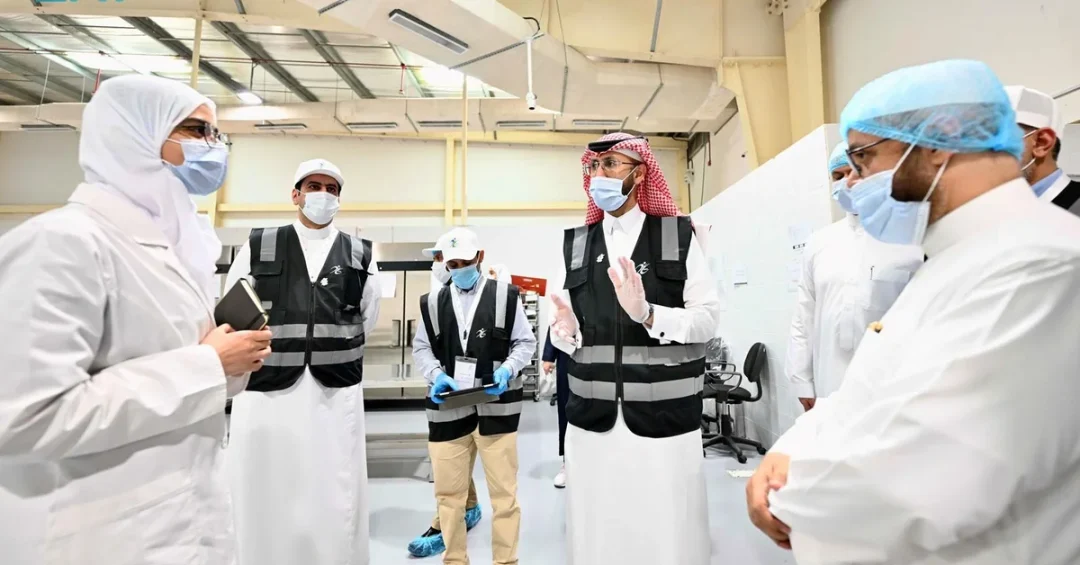
The Chief Executive Officer of the Saudi Food and Drug Authority (SFDA), Dr. Hisham bin Saad Aljadhey, conducted an inspection tour of several food factories and facilities in the Makkah region on June 13, 2024, to ensure their preparedness to serve pilgrims during this year’s Hajj season. The visit was part of the SFDA’s comprehensive oversight plan to verify that all food businesses comply with technical requirements and specifications, guaranteeing the safety and quality of food products for the guests of the Holy House of God.
Context and Background
The SFDA’s inspection tour in Makkah is a routine yet critical measure taken ahead of the annual Hajj pilgrimage, which draws millions of Muslims from around the world. This year’s Hajj season is expected to witness a significant number of pilgrims, making food safety a top priority for the Kingdom. The authority, in coordination with other relevant entities, works to ensure that all products under its control—including food, medicines, and medical devices—are safe, available, and accessible to pilgrims.
This year, the SFDA has intensified its field survey activities, carrying out more than 3,700 visits to facilities under its control since the beginning of its work plan. These efforts are part of the Saudi government’s broader initiative to harness all capabilities and provide the best services to the guests of the Holy House of God, as part of the Kingdom’s commitment to the well-being of pilgrims.
Key Details of the Inspection Tour
During his tour, Dr. Aljadhey reviewed the operation mechanisms of various food factories and facilities, ensuring that they meet all technical requirements and specifications. He also checked the availability of necessary supplies and verified that food products are stored, handled, and prepared in a safe and healthy manner. The CEO emphasized the importance of adhering to the highest standards of food safety to prevent any health risks to pilgrims.
In addition to the inspection, the SFDA has conducted 478 visits to educate workers in catering kitchens about health requirements, 306 field visits to enhance the safety of primary products and foodstuffs, and 154 visits to medical headquarters. These visits are designed to raise awareness and ensure strict compliance with all safety protocols.
Implications and Impact
The SFDA’s proactive approach in Makkah has significant implications for both domestic and international observers. For pilgrims, it assures that the food they consume during their spiritual journey is safe and of high quality, contributing to a comfortable and secure Hajj experience. Internationally, it underscores Saudi Arabia’s dedication to health and safety standards, reinforcing the country’s reputation as a responsible host of global mass gatherings.
The inspection also reflects the Saudi government’s ongoing investments in the development of smart health and safety infrastructure. These efforts align with the Kingdom’s strategic goals under Vision 2030, which aims to enhance the quality of life and elevate the standards of services provided to the community and visitors alike. The SFDA’s work in Makkah and Madinah serves as a model for other countries preparing for large-scale religious and cultural events.
Vision 2030 Alignment
The SFDA’s extensive oversight of food facilities in Makkah is a direct embodiment of the Kingdom’s Vision 2030, which seeks to ensure the well-being of citizens, residents, and visitors as the country opens its doors to the world. Through these inspection tours and the continued development of its regulatory frameworks, Saudi Arabia is strengthening its capacity to provide world-class services in health and safety. This effort is central to the Kingdom’s ambition to create a vibrant society and a prosperous economy, while honoring its role as the custodian of the two holy mosques. As the Hajj season progresses, the SFDA’s commitment to excellence will not only protect pilgrims but also bolster the Kingdom’s global standing as a leader in public health and safety.
20 Questions
Q1. What was the main purpose of Dr. Aljadhey’s inspection tour in Makkah?
A1. The main purpose was to inspect food factories and facilities to ensure their readiness to serve pilgrims during the Hajj season, focusing on the safety and quality of food products in compliance with all technical requirements.
Q2. Which Saudi agency is responsible for food safety in the Kingdom?
A2. The Saudi Food and Drug Authority (SFDA) is the national agency responsible for regulating and ensuring the safety of food, drugs, and medical devices for the protection of public health, including during special events like the Hajj pilgrimage.
Q3. Why are food safety inspections critical during the Hajj season?
A3. Hajj attracts millions of pilgrims, increasing the risk of foodborne illnesses. Inspections help ensure that all food establishments meet hygiene standards and provide safe meals, thereby protecting the health of pilgrims and preventing any potential health crises.
Q4. How many field visits did the SFDA carry out in its plan for this year’s Hajj?
A4. The SFDA conducted over 3,700 visits to facilities under its control, alongside 478 educational visits to catering kitchens, 306 field visits for primary product safety, and 154 visits to medical headquarters, showing extensive oversight.
Q5. What are the technical requirements that food facilities must meet?
A5. They include adherence to hygiene standards, proper food storage, correct handling procedures, and quality control measures to ensure that food is safe for consumption. These requirements are aligned with international food safety standards.
Q6. How does the SFDA ensure the availability of necessary supplies for pilgrims?
A6. The SFDA checks the availability and quality of essential supplies in each facility, verifying inventory levels and supply chain readiness to meet the high demand during Hajj, while also ensuring that suppliers comply with safety protocols.
Q7. What is the role of coordination with relevant authorities?
A7. The SFDA coordinates with other government entities like the Ministry of Health and the Ministry of Hajj and Umrah to integrate and streamline inspection efforts, ensuring comprehensive coverage of all aspects of food safety and public health during the Hajj period.
Q8. What educational activities does the SFDA provide to catering workers?
A8. The SFDA delivers general instructions and guidelines, including workshops and on-site training, to educate workers on proper food handling, hygiene practices, and the importance of cleanliness to prevent food contamination.
Q9. How many visits were dedicated to enhancing primary product safety?
A9. The SFDA carried out 306 field visits focused on the safety of primary products and foodstuffs. These visits aim to verify the quality of raw materials and inputs used in food preparation, preventing potential risks from the source.
Q10. What was the purpose of the visits to medical headquarters?
A10. The 154 visits to medical headquarters were to ensure that medicines and medical devices are safe, available, and appropriately stored to address any health emergencies among pilgrims, reinforcing the overall health response during Hajj.
Q11. How does the SFDA coordinate with Makkah and Madinah authorities?
A11. The SFDA works in coordination and integration with relevant authorities in both Makkah and Madinah, sharing data and joint inspections to ensure that all facilities under its control meet safety standards across the two holy cities.
Q12. What is the significance of the SFDA’s work plan for Hajj season?
A12. The work plan is a strategic approach that outlines all actions to ensure food and drug safety during Hajj. It includes a detailed schedule of visits, focused on risk assessment, and aims to minimize threats through a systematic framework.
Q13. How does food safety impact the pilgrims’ experience?
A13. Safe food ensures that pilgrims can perform their rituals in good health without falling ill, which is essential for their spiritual fulfillment. Safe food security also reduces the risk of disease outbreaks, preserving the sanctity of the pilgrimage.
Q14. What health risks are avoided through SFDA inspections?
A14. Inspections mitigate risks such as food poisoning, foodborne diseases, and allergic reactions. By ensuring proper handling, storage, and hygiene, the SFDA prevents infections, thereby protecting the health of a large concentration of people.
Q15. How does the SFDA’s work align with the Saudi Vision 2030?
A15. The SFDA’s work aligns with Vision 2030’s pillars of a vibrant society and health-promoting lifestyle. By ensuring food safety, it contributes to a high-quality environment for residents and visitors, enhancing the Kingdom’s reputation and achieving a transformative healthcare system.
Q16. What are some challenges of food inspection during Hajj?
A16. Challenges include the immense scale and sudden influx of pilgrims, which increase demand and stress on food supplies. Ensuring continuous compliance across hundreds of facilities requires significant resources and well-coordinated logistics, which the SFDA addresses with its field teams.
Q17. How does the SFDA educate workers in catering kitchens?
A17. Through on-site training sessions, the SFDA educates workers on hygiene practices, correct food handling, and temperature controls, using clear instructions and materials. These education visits aim to build a culture of food safety among staff.
Q18. What technologies does the SFDA use for inspection?
A18. The SFDA uses advanced digital tools for monitoring and reporting, including a field survey application and real-time tracking of inspections. This allows for efficient data collection and quick responses to any issues, improving transparency and accountability.
Q19. How do the inspections ensure the availability of essential food items?
A19. By checking inventories and supply chain status, the SFDA identifies potential shortages and works with suppliers to ensure a continuous flow of essentials. This verification helps maintain a stable supply for the large number of pilgrims.
Q20. What message does the SFDA’s tour send to the international community?
A20. It underscores the Kingdom’s dedication to the well-being of pilgrims, providing them with the highest standards of safety. This reassures the international community of Saudi Arabia’s ability to host large events efficiently and the government’s investment in sustainable health infrastructure.
Reader Feedback
We value your thoughts. Please share your feedback on this article.
Your feedback helps us improve our coverage.