


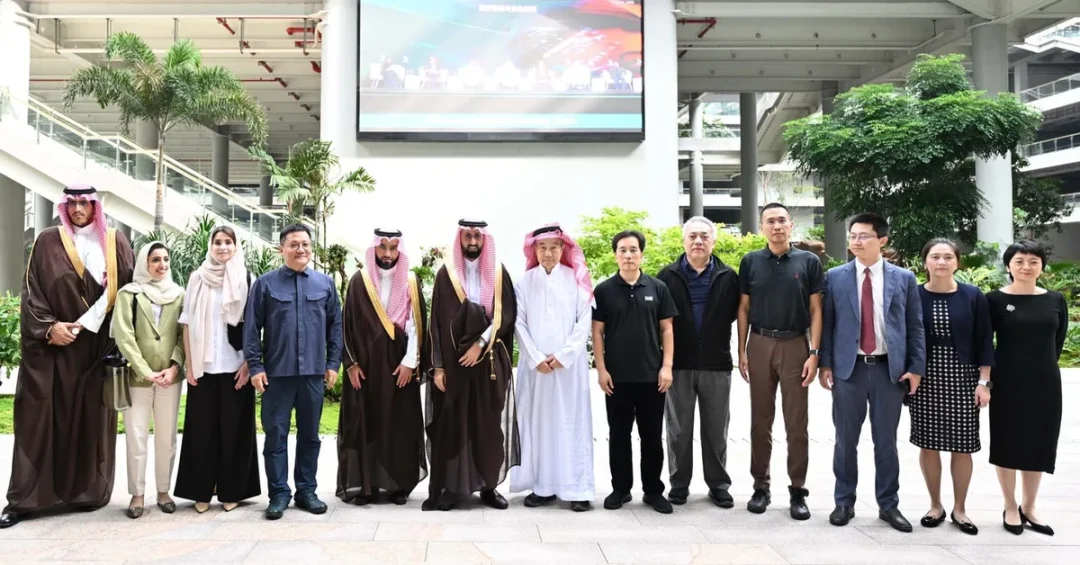
Saudi Food and Drug Authority (SFDA) CEO Dr. Hisham Aljadhey met with the president of the Shenzhen Institute for Drug Control (SZIDC) at its headquarters in Shenzhen, China, on November 4, 2024, to discuss enhanced cooperation, knowledge exchange, and best practices in drug regulation and oversight. The visit, reported by the Saudi Press Agency (SPA), forms part of a broader Saudi mission to strengthen ties with the People’s Republic of China in the SFDA’s core areas of operation, including pharmaceuticals, medical devices, and biotechnology. Dr. Aljadhey also visited BGI Genomics, where he met with Co-founder and Chairman Wang Jian to explore opportunities for joint research initiatives, investment, and the localization of advanced biotechnologies in the Kingdom of Saudi Arabia.
The meetings underscore the Kingdom’s commitment to international collaboration as a driver of regulatory excellence and innovation. By engaging directly with one of China’s most dynamic biotechnology and drug-control hubs, the SFDA is positioning Saudi Arabia at the forefront of global health-sector cooperation. The discussions reflect a shared interest in exchanging technical expertise, aligning regulatory standards, and opening pathways for investment that can benefit both nations. For an international audience, the visit signals Saudi Arabia’s proactive approach to building a resilient, knowledge-driven pharmaceutical and biotechnology ecosystem in line with its long-term national goals.
Context and Background
Why does a regulatory visit to a Chinese drug-control institute matter for patients and innovators thousands of miles away? The answer lies in the increasingly interconnected nature of global health supply chains. The Saudi Food and Drug Authority (SFDA) is the Kingdom’s competent authority for the regulation of food, drugs, medical devices, and other health products. Its mandate includes ensuring the safety, efficacy, and quality of products available in Saudi markets while supporting the growth of a domestic pharmaceutical and biotechnology sector. International partnerships are central to that mission, as they enable the SFDA to benchmark its practices against leading global institutions and to facilitate the smooth exchange of regulated products and technologies.
The Shenzhen Institute for Drug Control (SZIDC) is a key technical body in China’s drug regulatory ecosystem, responsible for testing, research, and quality control of pharmaceutical products. Shenzhen itself is one of China’s foremost centers for biotechnology, genomics, and medical innovation, hosting companies and research institutes that operate at the cutting edge of life sciences. A meeting between SFDA leadership and SZIDC officials therefore brings together two regulatory and scientific communities with complementary strengths: Saudi Arabia’s rapidly evolving oversight framework and China’s deep technical and manufacturing capacity. The exchange of knowledge and best practices discussed in Shenzhen is intended to help both sides improve the efficiency and reliability of their respective systems.
This visit did not occur in isolation. It is part of a wider pattern of Saudi engagement with China across trade, investment, and technology. The SFDA has been actively pursuing international cooperation as part of its strategic objectives, which include enhancing the Kingdom’s attractiveness as a regional hub for pharmaceutical manufacturing and biotechnology. By meeting with SZIDC and BGI Genomics, the SFDA is exploring concrete avenues for collaboration that can support the localization of technologies, the transfer of know-how, and the development of joint research initiatives. These efforts are designed to strengthen Saudi Arabia’s self-reliance in critical health sectors while maintaining the highest standards of safety and quality.
Key Details of the Shenzhen Visit
What exactly was discussed during the SFDA delegation’s meetings in Shenzhen? According to the Saudi Press Agency, Dr. Hisham Aljadhey met with the president of the Shenzhen Institute for Drug Control at the SZIDC headquarters. The two sides discussed enhancing cooperation, exchanging knowledge and expertise, and sharing best practices. These themes are central to the SFDA’s approach to international engagement, which emphasizes mutual learning and the adoption of proven regulatory methodologies. The meeting provided an opportunity to review areas of common interest, including drug testing, quality assurance, and the use of advanced technologies in regulatory science.
In a separate meeting, Dr. Aljadhey visited BGI Genomics and met with its Co-founder and Chairman, Wang Jian. BGI Genomics is a globally recognized leader in genomic sequencing and related life-science technologies, with applications ranging from clinical diagnostics to agricultural biotechnology. The discussions explored opportunities for joint research initiatives, investment, and the localization of technologies in the Kingdom of Saudi Arabia. Localization is a key priority for the SFDA, as it seeks to build domestic capacity in the production of pharmaceuticals, vaccines, and advanced medical products. By partnering with a company of BGI’s caliber, Saudi Arabia can accelerate the transfer of technology and the development of a skilled local workforce.
The visit also aimed to explore and enhance cooperation with the People’s Republic of China in the SFDA’s areas of operation, exchange expertise, explore partnership opportunities, and transfer knowledge. These objectives align with the SFDA’s broader strategy of engaging with leading international institutions to improve its regulatory framework and to support the Kingdom’s economic diversification. The meetings in Shenzhen are expected to pave the way for further dialogue and concrete agreements in the future, as both sides continue to identify areas where their expertise and interests converge.
International and Regional Impact
How might this cooperation reshape health-sector ties between Saudi Arabia and China, and what does it mean for the wider region? The visit signals a deepening of the strategic partnership between the Kingdom and China, extending beyond energy and infrastructure into the highly specialized field of health regulation and biotechnology. For Saudi Arabia, collaboration with Chinese institutions offers access to advanced technologies, research capabilities, and manufacturing expertise that can support the growth of a domestic biotech industry. For China, partnering with the SFDA provides a gateway to the Saudi market and to the broader Middle East and North Africa region, where demand for healthcare products and services continues to rise.
At the regional level, Saudi Arabia’s efforts to strengthen its regulatory and biotechnology capabilities can have a positive spillover effect. A more robust SFDA can facilitate faster access to safe and effective medicines for patients across the Kingdom, while also positioning Saudi Arabia as a reliable partner for international companies seeking to enter the region. The exchange of best practices with SZIDC can help harmonize standards and streamline approval processes, reducing barriers to trade in pharmaceutical and medical products. In a world where health security is increasingly recognized as a cornerstone of national resilience, such cooperation contributes to stability and preparedness.
Economic and Strategic Significance
Why is the localization of biotechnology and pharmaceutical production so important for Saudi Arabia’s economy? The Kingdom is pursuing a broad economic transformation aimed at reducing dependence on oil revenues and building a diversified, knowledge-based economy. The healthcare and life-sciences sectors are key pillars of this strategy, offering high-value jobs, export potential, and opportunities for innovation. By attracting investment and technology from global leaders such as BGI Genomics, Saudi Arabia can develop local manufacturing capacity, shorten supply chains, and ensure more reliable access to essential medicines and vaccines.
The SFDA’s role in this process is multifaceted. As a regulator, it must ensure that local production meets stringent quality and safety standards. As a facilitator, it can create an enabling environment for partnerships and investment. The discussions in Shenzhen about joint research initiatives and technology localization are therefore not merely diplomatic gestures; they are practical steps toward building a sustainable and competitive health ecosystem. Over time, successful collaborations can lead to the creation of specialized centers of excellence, the training of Saudi scientists and technicians, and the development of intellectual property that benefits the national economy.
Vision 2030 Alignment
How does this visit connect to Saudi Arabia’s long-term vision for the future? Vision 2030, the Kingdom’s comprehensive reform agenda, places a strong emphasis on economic diversification, innovation, and the development of high-value sectors. Health and biotechnology are explicitly recognized as areas with significant growth potential. The SFDA’s engagement with international partners such as the Shenzhen Institute for Drug Control and BGI Genomics directly supports these goals by fostering knowledge transfer, encouraging investment, and enhancing the Kingdom’s regulatory infrastructure.
Moreover, the visit reflects the Vision 2030 objective of strengthening Saudi Arabia’s global partnerships and its role as a hub for trade and technology. By building bridges with China’s leading biotech and regulatory institutions, the Kingdom is not only improving its own capabilities but also contributing to global health security and innovation. The outcomes of these discussions—ranging from potential joint research to localized manufacturing—will help lay the groundwork for a more resilient, diversified, and forward-looking Saudi economy. As the SFDA continues to expand its international network, it reinforces the Kingdom’s position as a proactive and responsible player in the global health landscape.
20 Questions
Q1. Who met with the president of the Shenzhen Institute for Drug Control?
A1. Dr. Hisham Aljadhey, CEO of the Saudi Food and Drug Authority (SFDA), met with the president of the Shenzhen Institute for Drug Control at its headquarters in Shenzhen, China.
Q2. What was the main purpose of the SFDA CEO’s visit to Shenzhen?
A2. The visit aimed to enhance cooperation, exchange knowledge and expertise, share best practices, and explore partnership opportunities in the SFDA’s areas of operation with Chinese entities.
Q3. Which biotechnology company did Dr. Aljadhey visit in Shenzhen?
A3. Dr. Aljadhey visited BGI Genomics, a leading genomics company, where he met with its Co-founder and Chairman, Wang Jian, to discuss collaboration.
Q4. What topics were discussed during the meeting with BGI Genomics?
A4. The discussions focused on opportunities for joint research initiatives, investment, and the localization of technologies in the Kingdom of Saudi Arabia.
Q5. Why is international cooperation important for the SFDA?
A5. International cooperation allows the SFDA to benchmark its practices, exchange expertise, facilitate trade, and support the growth of a domestic pharmaceutical and biotechnology sector.
Q6. What is the Shenzhen Institute for Drug Control responsible for?
A6. The SZIDC is a key technical body in China’s drug regulatory ecosystem, responsible for testing, research, and quality control of pharmaceutical products.
Q7. How does this visit align with Saudi Arabia’s Vision 2030?
A7. It supports Vision 2030 goals of economic diversification, innovation, and developing high-value sectors like health and biotechnology through knowledge transfer and investment.
Q8. What does ‘localization of technologies’ mean in this context?
A8. It refers to transferring and adapting advanced biotechnologies for production and research within Saudi Arabia, building local capacity and reducing reliance on imports.
Q9. What are the potential benefits for Saudi patients?
A9. Enhanced cooperation can lead to faster access to safe, effective medicines, improved quality control, and a more resilient supply chain for health products in the Kingdom.
Q10. How might this cooperation affect regional health security?
A10. By strengthening regulatory standards and local production, it can improve the region’s ability to respond to health challenges and ensure reliable access to essential medicines.
Q11. What role does the SFDA play in Saudi Arabia’s health sector?
A11. The SFDA regulates food, drugs, medical devices, and other health products to ensure their safety, efficacy, and quality, while supporting sector growth.
Q12. Why is BGI Genomics a significant partner for Saudi Arabia?
A12. BGI Genomics is a global leader in genomic sequencing and life-science technologies, offering expertise that can accelerate Saudi Arabia’s biotech capabilities.
Q13. What did the SFDA CEO and Wang Jian explore together?
A13. They explored opportunities for joint research initiatives, investment, and the localization of technologies in the Kingdom of Saudi Arabia.
Q14. How does this visit fit into Saudi-China relations?
A14. It deepens the strategic partnership between the two countries, extending cooperation into health regulation and biotechnology, beyond traditional areas like energy.
Q15. What are the SFDA’s areas of operation?
A15. The SFDA oversees food, drugs, medical devices, cosmetics, pesticides, and other health-related products to protect public health and safety.
Q16. What is the significance of exchanging best practices with SZIDC?
A16. It helps the SFDA adopt proven regulatory methodologies, improve efficiency, and align standards, which can facilitate trade and enhance product safety.
Q17. How can joint research initiatives benefit both Saudi Arabia and China?
A17. They can lead to scientific breakthroughs, shared intellectual property, and commercial opportunities, while addressing common health challenges and advancing innovation.
Q18. What economic impact could technology localization have on Saudi Arabia?
A18. It can create high-value jobs, stimulate investment, reduce import dependence, and contribute to a diversified, knowledge-based economy as envisioned in Vision 2030.
Q19. What are the next steps following this visit?
A19. The visit is expected to pave the way for further dialogue and concrete agreements, as both sides continue to identify areas for collaboration and partnership.
Q20. How does this visit reflect Saudi Arabia’s global role?
A20. It demonstrates the Kingdom’s proactive engagement in global health and innovation, building partnerships that enhance its regulatory capacity and contribute to international health security.
Reader Feedback
We value your thoughts. Please share your feedback on this article.
Your feedback helps us improve our coverage.