


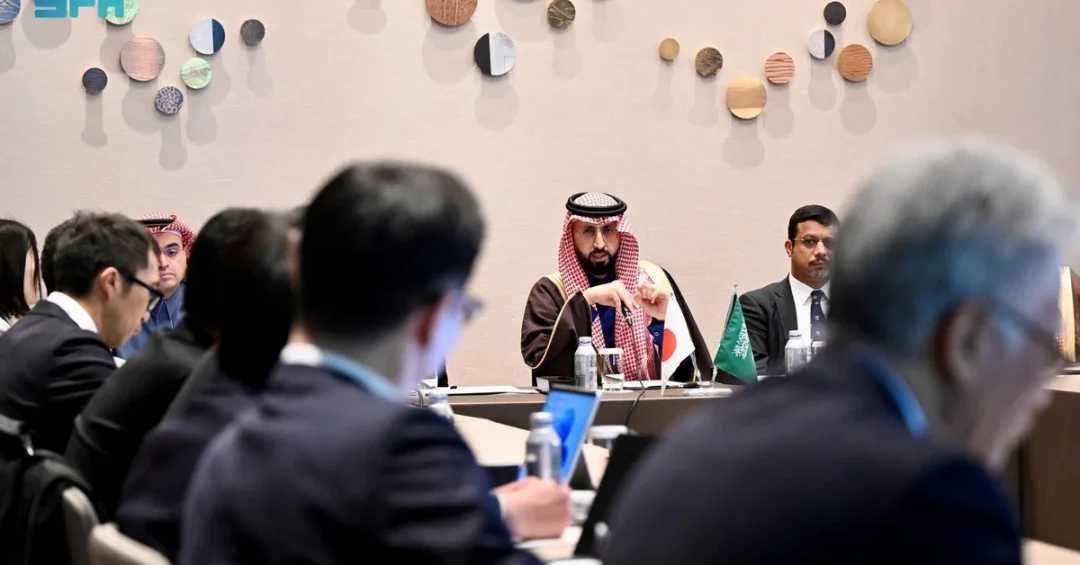
The Saudi Food and Drug Authority (SFDA) convened a high-level roundtable meeting with leading Japanese companies in Tokyo on March 12, 2025, as part of its ongoing efforts to attract international investment and strengthen regulatory collaboration in the food, drug, and medical device sectors. The meeting, led by SFDA Chief Executive Officer Dr. Hisham Aljadhey, brought together representatives from prominent Japanese firms operating across these industries to explore investment opportunities within the Kingdom of Saudi Arabia and to discuss ways to streamline market access for products that meet the highest international standards.
The roundtable was held in conjunction with the SFDA delegation’s participation in the 27th Annual Meeting of the International Medical Device Regulators Forum (IMDRF) in Tokyo, underscoring Saudi Arabia’s growing role in global regulatory affairs. The event reflects the deepening bilateral relationship between the Kingdom and Japan across diverse areas, including healthcare, technology, and investment. It also aligns with the Health Sector Transformation Program, a key pillar of Saudi Vision 2030, which seeks to enhance global partnerships and attract strategic investments to the Kingdom. How does such engagement shape the future of Saudi Arabia’s healthcare landscape?
Context and Background
The Saudi Food and Drug Authority has long been recognized as a pivotal regulator in the Middle East, overseeing the safety, quality, and efficacy of food, drugs, and medical devices. In recent years, the authority has intensified its efforts to modernize its regulatory framework, aligning with international best practices and fostering an environment conducive to foreign investment. The roundtable in Tokyo represents a strategic step in this direction, as Japan is home to some of the world’s most advanced pharmaceutical, medical device, and food technology companies. What does this mean for the global companies looking to enter the Saudi market?
Saudi Arabia and Japan have enjoyed decades of robust economic ties, with Japan being one of the Kingdom’s largest trading partners. The relationship has evolved beyond energy to encompass technology, healthcare, and infrastructure. The SFDA’s engagement with Japanese companies is a natural extension of this partnership, particularly as Saudi Arabia seeks to diversify its economy and enhance its healthcare sector under Vision 2030. The Health Sector Transformation Program aims to restructure the healthcare system, improve quality and efficiency, and attract both domestic and international investment. By directly engaging with Japanese firms, the SFDA is signaling that the Kingdom is open for business and committed to facilitating market entry for high-quality products.
Moreover, the timing of the roundtable coincides with the IMDRF meeting, a global forum that brings together regulators to harmonize medical device regulations. The SFDA’s active participation in such forums demonstrates its commitment to aligning with international standards and ensuring that Saudi patients and consumers have access to safe and effective products. This dual approach—engaging with industry leaders and collaborating with global regulators—positions Saudi Arabia as a proactive and reliable partner in the global healthcare ecosystem. How can such collaborations accelerate the transfer of knowledge and technology to the Kingdom?
Key Details
During the roundtable, Dr. Hisham Aljadhey presented the SFDA’s regulatory and supervisory role over food, drugs, and medical devices, highlighting the authority’s initiatives to support and empower both domestic and international investors. He underscored the SFDA’s commitment to streamlining procedures and strengthening collaboration with Japanese investors. “We are dedicated to stimulating investment by enhancing the regulatory landscape, developing supportive policies, and providing facilitation services to ensure efficient market access for products that meet the highest international standards,” Dr. Aljadhey stated, according to the Saudi Press Agency.
The discussions focused on promising investment opportunities within the Kingdom, particularly in emerging and vital sectors relevant to the SFDA’s purview. These include pharmaceuticals, biologics, medical devices, and innovative food products. Japanese companies expressed interest in exploring partnerships and establishing a presence in Saudi Arabia, drawn by the Kingdom’s strategic location, growing population, and increasing healthcare expenditure. The SFDA outlined its efforts to reduce regulatory hurdles, such as expedited review processes for innovative products and dedicated support for investors navigating the registration and approval pathways. What specific advantages does the Saudi market offer to Japanese companies seeking expansion?
The roundtable also provided a platform for Japanese executives to voice their perspectives and seek clarifications on regulatory requirements. The SFDA delegation, which included senior officials from various departments, addressed queries related to product registration, clinical trials, and post-market surveillance. This direct dialogue is expected to pave the way for more Japanese investments in the Saudi healthcare sector, ultimately benefiting patients through access to cutting-edge treatments and technologies. The meeting concluded with a mutual commitment to continue the dialogue and explore concrete avenues for collaboration.
International and Regional Impact
The SFDA’s engagement with Japanese companies carries significant implications beyond bilateral relations. It reinforces Saudi Arabia’s position as a leading destination for foreign investment in the healthcare sector and a key player in global regulatory harmonization. By actively participating in the IMDRF and hosting such roundtables, the Kingdom is demonstrating its willingness to adopt international standards and contribute to the development of global regulatory frameworks. This is particularly important in the medical device sector, where harmonized regulations can accelerate access to life-saving technologies.
Regionally, the roundtable underscores Saudi Arabia’s role as a trendsetter in the Middle East. Other countries in the region look to the Kingdom for guidance on regulatory best practices and investment strategies. The SFDA’s proactive approach may encourage neighboring states to pursue similar engagements with international partners, fostering a more integrated and innovative healthcare landscape across the Gulf. Furthermore, the collaboration with Japan, a global leader in technology and healthcare innovation, could serve as a model for other bilateral partnerships, enhancing Saudi Arabia’s network of strategic alliances. How might this influence the broader region’s approach to healthcare investment?
Economic and Strategic Significance
From an economic standpoint, attracting Japanese investment in the food, drug, and medical device sectors aligns with Saudi Arabia’s goals of economic diversification and private sector growth. These sectors are high-value and knowledge-intensive, offering opportunities for job creation, technology transfer, and the development of local industries. The SFDA’s efforts to create a favorable regulatory environment are crucial in this regard, as they reduce the time and cost associated with market entry, making the Kingdom more competitive globally.
Strategically, the partnership with Japan supports Saudi Arabia’s broader vision of becoming a hub for healthcare and life sciences in the region. By collaborating with Japanese companies, the Kingdom can leverage their expertise in research and development, manufacturing, and quality assurance. This can lead to the localization of production, ensuring a stable supply of essential medicines and medical devices, and enhancing the Kingdom’s resilience against global supply chain disruptions. Moreover, the transfer of technology and know-how will contribute to the development of a skilled Saudi workforce, a key objective of Vision 2030. What long-term benefits could arise from localizing medical device manufacturing in Saudi Arabia?
Vision 2030 Alignment
The SFDA’s roundtable with Japanese companies is a concrete example of how Saudi Vision 2030 is being translated into action. The Health Sector Transformation Program, one of the Vision’s realization programs, aims to restructure the healthcare sector to be more efficient, effective, and patient-centered. Attracting international investment and partnerships is central to achieving these goals, as it brings in capital, expertise, and innovation. The SFDA’s role in facilitating this investment by streamlining regulations and providing support services is indispensable.
Looking ahead, the Kingdom remains committed to deepening its engagement with global partners like Japan. The SFDA will continue to participate in international forums, host roundtables, and implement policies that make Saudi Arabia an attractive destination for healthcare investment. These efforts will not only enhance the quality of healthcare for Saudi citizens but also position the Kingdom as a leader in the global healthcare economy. As Vision 2030 progresses, such collaborations will be instrumental in building a diversified, sustainable, and knowledge-based economy. How will the SFDA’s ongoing efforts shape the next decade of healthcare in Saudi Arabia?
20 Questions
Q1. What was the purpose of the SFDA’s roundtable meeting with Japanese companies?
A1. The roundtable aimed to foster investment and collaboration in the food, drug, and medical device sectors, presenting Saudi Arabia’s regulatory landscape and investment opportunities to Japanese firms.
Q2. Who led the SFDA delegation at the roundtable in Tokyo?
A2. Dr. Hisham Aljadhey, Chief Executive Officer of the SFDA, led the delegation and underscored the authority’s commitment to streamlining procedures for Japanese investors.
Q3. When and where did the roundtable take place?
A3. The roundtable was held on March 12, 2025, in Tokyo, Japan, in conjunction with the 27th Annual Meeting of the International Medical Device Regulators Forum.
Q4. Which sectors were the focus of the discussions?
A4. Discussions focused on the food, drug, and medical device sectors, highlighting investment opportunities in emerging and vital areas within the SFDA’s regulatory purview.
Q5. What is the Health Sector Transformation Program?
A5. It is a key pillar of Saudi Vision 2030 aimed at restructuring the healthcare system, improving quality and efficiency, and attracting strategic investments to the Kingdom.
Q6. How does the SFDA support international investors?
A6. The SFDA supports investors by enhancing the regulatory landscape, developing supportive policies, and providing facilitation services to ensure efficient market access for high-quality products.
Q7. What is the IMDRF, and why is it important?
A7. The International Medical Device Regulators Forum is a global group that harmonizes medical device regulations. Saudi Arabia’s participation demonstrates its commitment to international standards.
Q8. What did Dr. Aljadhey emphasize during the meeting?
A8. He emphasized the SFDA’s dedication to stimulating investment by streamlining procedures, strengthening collaboration with Japanese investors, and ensuring efficient market access.
Q9. How does this roundtable benefit Saudi Arabia’s healthcare sector?
A9. It can lead to increased investment, technology transfer, and access to innovative products, ultimately improving patient care and supporting economic diversification.
Q10. What opportunities are available for Japanese companies in Saudi Arabia?
A10. Japanese companies can explore partnerships, establish local operations, and tap into the growing Saudi market for pharmaceuticals, medical devices, and advanced food products.
Q11. How does the SFDA ensure products meet international standards?
A11. The SFDA aligns its regulatory framework with international best practices and participates in global forums like the IMDRF to harmonize standards.
Q12. What is the significance of Saudi-Japan relations in this context?
A12. The roundtable reflects deepening bilateral ties beyond energy, extending to healthcare, technology, and investment, which are vital for Vision 2030.
Q13. What are the emerging sectors highlighted for investment?
A13. Emerging sectors include biologics, innovative medical devices, and specialized food products that cater to evolving consumer needs and healthcare demands.
Q14. How does the SFDA facilitate market access for Japanese products?
A14. The SFDA offers expedited review processes, dedicated support for investors, and transparent guidelines to navigate registration and approval pathways efficiently.
Q15. What role does the SFDA play in Saudi Vision 2030?
A15. The SFDA supports Vision 2030 by fostering a robust regulatory environment that attracts investment, enhances healthcare quality, and promotes economic diversification.
Q16. How might this collaboration impact local manufacturing in Saudi Arabia?
A16. It could lead to technology transfer and joint ventures, boosting local production of medicines and devices, creating jobs, and enhancing supply chain resilience.
Q17. What are the next steps following the roundtable?
A17. The SFDA and Japanese companies will continue dialogue to explore concrete collaborations, with the SFDA providing ongoing support to facilitate investment.
Q18. How does the SFDA engage with global regulators?
A18. The SFDA actively participates in international forums like the IMDRF, adopts best practices, and collaborates on regulatory harmonization to ensure safety and efficacy.
Q19. What benefits do Japanese companies gain from entering the Saudi market?
A19. They gain access to a growing market, strategic location, and a supportive regulatory environment, with opportunities for long-term partnerships and growth.
Q20. How does this roundtable reflect Saudi Arabia’s global engagement?
A20. It showcases the Kingdom’s proactive approach to international partnerships, regulatory excellence, and its commitment to Vision 2030’s global ambitions.
Reader Feedback
We value your thoughts. Please share your feedback on this article.
Your feedback helps us improve our coverage.