


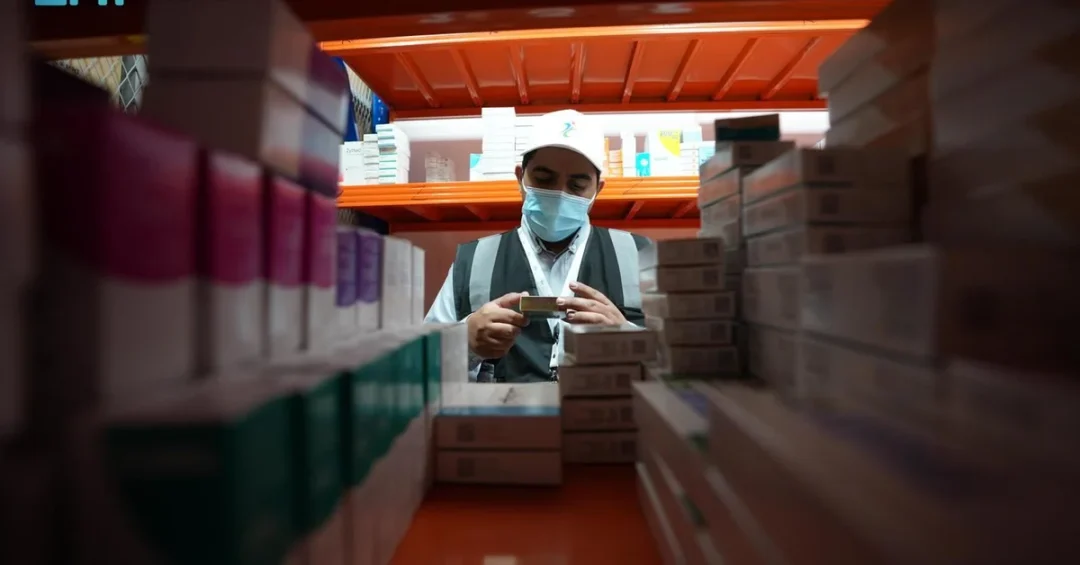
The Saudi Food and Drug Authority (SFDA) has significantly ramped up inspections and awareness campaigns targeting establishments and products under its purview in Makkah and Madinah during the 1445 AH Hajj season. This effort forms a critical part of the authority’s strategy to guarantee the safety and quality of food, medications, and medical devices for the millions of pilgrims performing Hajj.
Context and Background
The Hajj pilgrimage is one of the largest annual mass gatherings in the world, drawing millions of Muslims to the holy cities of Makkah and Madinah. Ensuring the health and safety of pilgrims is a top priority for the Kingdom of Saudi Arabia, which mobilizes extensive resources across multiple government agencies. The SFDA, as the national regulatory body for food and drugs, plays a central role in safeguarding public health during this period. Its Hajj season work plan is a comprehensive strategy that includes rigorous inspections, awareness campaigns, and training programs to uphold the highest standards of safety and quality.
Key Details
Since the deployment of its Hajj season work plan, the SFDA has conducted 1,741 inspections and field surveys at relevant facilities. Additionally, the authority collaborated with Hajj Affairs offices to inspect incoming controlled products arriving via air freight at King Abdulaziz International Airport in Jeddah and Prince Mohammed bin Abdulaziz International Airport in Madinah. So far, 227 shipments from 44 countries have been assessed, with 69 items identified as non-compliant out of a total of 12,193 inspected. Furthermore, in partnership with the Municipalities of Makkah and Madinah, along with other government agencies, the SFDA has undertaken awareness initiatives and training programs for 2,344 catering kitchen workers. These programs emphasize adherence to all necessary health regulations with the ultimate goal of ensuring food safety for pilgrims.
Implications and Impact
The SFDA’s heightened scrutiny and awareness efforts have far-reaching implications for pilgrim safety and the overall success of the Hajj season. By ensuring that food, medications, and medical devices meet stringent safety standards, the authority helps prevent potential health risks and outbreaks. The inspections at airports also ensure that controlled products entering the country are compliant, further protecting public health. The training of catering kitchen workers is particularly crucial, as it directly impacts the preparation and handling of food for pilgrims. These measures not only safeguard pilgrims but also enhance the Kingdom’s reputation for excellence in managing large-scale religious events.
Vision 2030 Alignment
These efforts are closely aligned with Saudi Vision 2030, which aims to enhance the quality of life for citizens and visitors, and to position the Kingdom as a global leader in various sectors. By prioritizing the health and safety of pilgrims, the SFDA contributes to the vision’s goals of improving healthcare services, ensuring food security, and promoting sustainable development. The authority’s work during Hajj reflects the Kingdom’s commitment to leveraging its capabilities to serve humanity and uphold its role as the custodian of the Two Holy Mosques.
20 Questions
Q1. What is the Saudi Food and Drug Authority (SFDA)?
A1. The SFDA is the national regulatory body responsible for ensuring the safety, quality, and efficacy of food, drugs, and medical devices in Saudi Arabia. It oversees inspections, awareness campaigns, and compliance with health regulations.
Q2. Why has the SFDA increased inspections during Hajj season?
A2. The SFDA has ramped up inspections to guarantee the safety and quality of food, medications, and medical devices for pilgrims. This is a critical part of its strategy to safeguard public health during the massive gathering.
Q3. How many inspections has the SFDA conducted so far?
A3. The SFDA has conducted 1,741 inspections and field surveys at relevant facilities in Makkah and Madinah since the deployment of its Hajj season work plan.
Q4. What role does the SFDA play at airports during Hajj?
A4. The SFDA collaborates with Hajj Affairs offices to inspect incoming controlled products arriving via air freight at King Abdulaziz International Airport in Jeddah and Prince Mohammed bin Abdulaziz International Airport in Madinah.
Q5. How many shipments have been assessed by the SFDA?
A5. So far, 227 shipments from 44 countries have been assessed. Out of 12,193 items inspected, 69 were identified as non-compliant.
Q6. What happens to non-compliant items?
A6. Non-compliant items are identified and likely subjected to further scrutiny or rejection to prevent them from reaching pilgrims, ensuring only safe products are allowed.
Q7. Who has the SFDA partnered with for awareness initiatives?
A7. The SFDA has partnered with the Municipalities of Makkah and Madinah, along with other government agencies, to undertake awareness initiatives and training programs.
Q8. How many catering kitchen workers have been trained?
A8. The SFDA has trained 2,344 catering kitchen workers on health regulations to ensure food safety for pilgrims.
Q9. Why is training catering workers important?
A9. Training catering workers is crucial because they handle food preparation for pilgrims. Adherence to health regulations prevents foodborne illnesses and ensures safe meals.
Q10. What types of products does the SFDA oversee?
A10. The SFDA oversees food, medications, and medical devices, ensuring they meet safety and quality standards before reaching consumers.
Q11. How does this effort align with Saudi Vision 2030?
A11. It aligns with Vision 2030’s goals of enhancing quality of life, improving healthcare, and ensuring food security, reflecting the Kingdom’s commitment to serving pilgrims.
Q12. What is the significance of Hajj for Saudi Arabia?
A12. Hajj is a major religious event that draws millions of pilgrims. Saudi Arabia considers it a privilege to host and ensure the well-being of all pilgrims.
Q13. How does the SFDA ensure compliance from other countries?
A13. The SFDA inspects shipments from other countries at airports. It assesses compliance with Saudi standards and rejects non-compliant items.
Q14. What are controlled products?
A14. Controlled products are items that require regulatory approval, such as certain medications, medical devices, or food products that may pose health risks if not properly handled.
Q15. How many countries have shipped products to Saudi Arabia for Hajj?
A15. 44 countries have shipped products that were assessed by the SFDA during this Hajj season.
Q16. What is the ultimate goal of these efforts?
A16. The ultimate goal is to ensure the safety and well-being of all pilgrims by providing safe food, effective medications, and reliable medical devices.
Q17. Does the SFDA work alone?
A17. No, the SFDA collaborates with other government agencies, including Hajj Affairs offices and municipalities, to maximize the effectiveness of its efforts.
Q18. How does the SFDA raise awareness among pilgrims?
A18. The SFDA conducts awareness campaigns and training programs for workers and likely provides information to pilgrims on health and safety practices.
Q19. What are the consequences of non-compliance?
A19. Non-compliant products are prevented from entering the market, and violators may face penalties. This ensures only safe products reach pilgrims.
Q20. How can the public learn more about SFDA’s Hajj efforts?
A20. The public can follow official announcements from the Saudi Press Agency (SPA) and the SFDA’s website for updates on Hajj health and safety measures.
Reader Feedback
We value your thoughts. Please share your feedback on this article.
Your feedback helps us improve our coverage.