


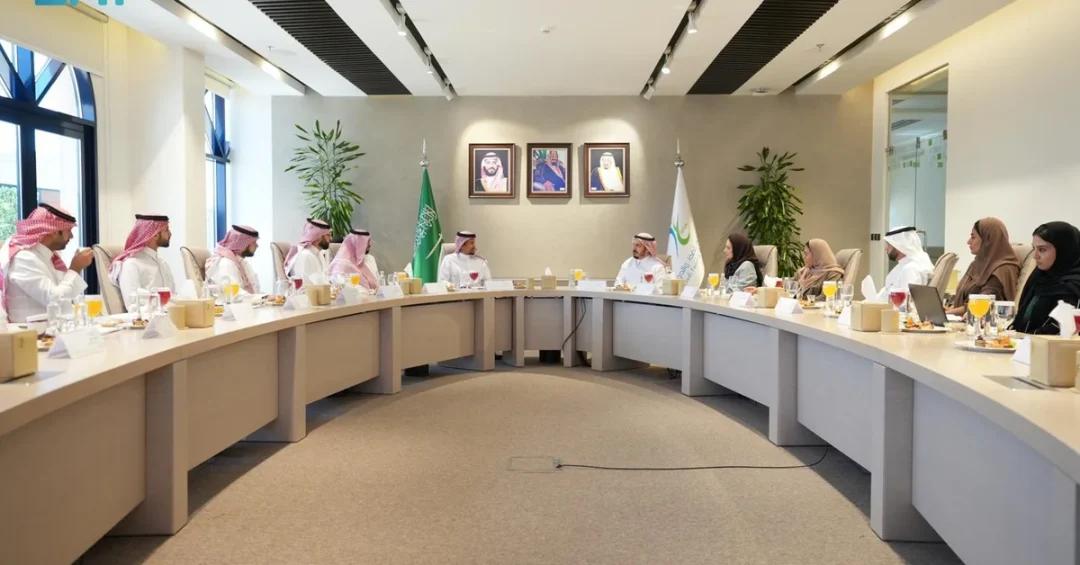
The Saudi Food and Drug Authority (SFDA) and the Research, Development, and Innovation Authority (RDIA) convened a high-level meeting at the SFDA headquarters in Riyadh to enhance pharmaceutical research and innovation in the Kingdom. The meeting, held on October 13, 2024, brought together Dr. Adel Al-Harf, Vice President of the Drug Sector at the SFDA, and Dr. Basil AsSadhan, Vice Governor of Strategy at the RDIA, along with several officials from both organizations. The discussion focused on exchanging regulatory and legislative experiences, reviewing joint projects, and developing pathways to support pharmaceutical research in line with Saudi Vision 2030.
This collaboration underscores Saudi Arabia’s commitment to advancing its healthcare and research sectors under the national strategy for research, development, and innovation. By aligning regulatory expertise with strategic planning, the SFDA and RDIA aim to create a robust ecosystem that fosters drug discovery, development, and commercialization. The meeting reflects the Kingdom’s broader efforts to diversify its economy and position itself as a global leader in pharmaceutical innovation.
Context and Background
Why is this meeting significant for Saudi Arabia’s pharmaceutical landscape? The SFDA, as the regulatory authority for food and drugs, has been at the forefront of ensuring safety, efficacy, and quality in the Kingdom’s healthcare products. The RDIA, established in 2021, is tasked with driving research, development, and innovation across various sectors. Together, they represent a synergy between regulation and innovation, essential for creating an enabling environment for pharmaceutical research. The meeting is part of a series of collaborative efforts to align regulatory frameworks with the goals of Vision 2030, which seeks to transform Saudi Arabia into a knowledge-based economy.
The national strategy for research, development, and innovation, launched in 2022, aims to boost the sector’s contribution to GDP and enhance the Kingdom’s global competitiveness. In the pharmaceutical domain, this involves not only fostering local research but also attracting international partnerships and investments. The SFDA has previously introduced initiatives to streamline drug approvals and support clinical trials, while the RDIA has been funding research projects and building innovation hubs. Their collaboration is expected to address challenges such as regulatory hurdles, funding gaps, and the need for skilled human capital.
Moreover, the meeting highlights the importance of integrating efforts across government entities, universities, and the private sector. By exchanging regulatory and legislative experiences, the two authorities can develop more efficient processes that accelerate the translation of research into market-ready products. This is particularly crucial as Saudi Arabia aims to localize pharmaceutical manufacturing and reduce reliance on imports, a key objective of Vision 2030’s health sector transformation.
Key Details of the Meeting
What specific topics were on the agenda? The meeting covered several projects related to food and medicine that promote research and innovation. Discussions included collaboration with universities, research centers, and the private sector, as well as the development of procedures and pathways to facilitate pharmaceutical research. The strategic plan of the RDIA was also reviewed, providing a roadmap for future initiatives. The presence of high-ranking officials such as Dr. Al-Harf and Dr. AsSadhan indicates the seriousness with which both entities approach this collaboration.
Dr. Al-Harf emphasized the SFDA’s commitment to supporting research and drug innovation, stating that such meetings are vital for aligning regulatory practices with the evolving needs of the pharmaceutical industry. Dr. AsSadhan highlighted the RDIA’s role in fostering an innovation ecosystem, noting that strategic partnerships are essential for achieving the national RDI objectives. The officials agreed to establish joint working groups to address specific challenges and to explore funding mechanisms for promising research projects. They also discussed the potential for creating shared platforms for data exchange and regulatory guidance.
Furthermore, the meeting addressed the need for capacity building and training programs to equip Saudi professionals with the skills required for cutting-edge pharmaceutical research. This includes areas such as biotechnology, personalized medicine, and digital health. By leveraging the strengths of both authorities, the Kingdom can create a seamless pipeline from basic research to clinical application, ultimately improving patient outcomes and public health.
International and Regional Impact
How does this collaboration position Saudi Arabia on the global stage? The Kingdom’s efforts to enhance pharmaceutical research and innovation have significant implications for the region and beyond. By fostering a conducive environment for R&D, Saudi Arabia can attract multinational pharmaceutical companies to establish research centers and manufacturing facilities within its borders. This not only creates jobs but also facilitates technology transfer and knowledge sharing. The SFDA’s regulatory harmonization with international standards is crucial for exporting Saudi-made pharmaceuticals, thereby enhancing the Kingdom’s trade balance.
Regionally, Saudi Arabia’s initiative could serve as a model for other Gulf Cooperation Council (GCC) countries seeking to build resilient healthcare systems. The collaboration between SFDA and RDIA demonstrates a holistic approach that integrates regulation, innovation, and investment. It also aligns with the goals of the Arab League’s health strategies and the World Health Organization’s calls for strengthening local production of medicines. By sharing best practices, Saudi Arabia can contribute to regional health security and emergency preparedness.
On a global level, the Kingdom’s participation in international research networks and its commitment to ethical standards in drug development enhance its reputation as a reliable partner. The meeting’s outcomes may lead to joint research initiatives with foreign universities and research institutions, further integrating Saudi Arabia into the global knowledge economy. This is consistent with Vision 2030’s aim to increase non-oil revenues and diversify the economy through high-value sectors.
Economic and Strategic Significance
What economic benefits can arise from enhanced pharmaceutical research? The pharmaceutical sector is a high-growth industry with substantial economic potential. By supporting local R&D, Saudi Arabia can reduce its dependence on imported drugs, which currently account for a significant portion of healthcare expenditure. Local manufacturing and innovation can lead to cost savings, improved supply chain resilience, and the development of export-oriented products. The collaboration between SFDA and RDIA aims to create an ecosystem that nurtures startups, SMEs, and large enterprises in the pharmaceutical space.
Strategically, this initiative supports the Kingdom’s national security by ensuring access to essential medicines and reducing vulnerability to global supply disruptions. It also aligns with the objectives of the National Industrial Development and Logistics Program (NIDLP), which seeks to localize industries and boost non-oil GDP. The RDIA’s strategic plan includes funding for research infrastructure, such as laboratories and clinical trial networks, which are critical for drug discovery and development. The SFDA’s role in providing regulatory clarity and expedited approvals further incentivizes investment.
Moreover, the meeting underscores the importance of public-private partnerships in driving innovation. By engaging universities and research centers, the Kingdom can tap into a pool of talented researchers and foster a culture of entrepreneurship. This is expected to generate intellectual property, spin-off companies, and high-skilled jobs, contributing to the goals of Vision 2030. The economic diversification agenda is thus directly served by strengthening the pharmaceutical R&D value chain.
Vision 2030 Alignment
How does this collaboration embody the aspirations of Vision 2030? Saudi Vision 2030 aims to transform the Kingdom into a global investment powerhouse and a hub for innovation. The healthcare sector is a key pillar, with objectives to improve quality of life, enhance healthcare services, and localize industries. The SFDA-RDIA partnership directly supports these goals by creating a dynamic research environment that attracts talent and investment. It also aligns with the Health Sector Transformation Program, which seeks to restructure the healthcare system and promote preventative care.
Furthermore, the meeting reflects the national RDI strategy’s targets to increase R&D spending as a percentage of GDP and to elevate Saudi Arabia’s ranking in global innovation indices. By working together, the SFDA and RDIA are paving the way for a self-sustaining pharmaceutical industry that can meet domestic needs and compete internationally. This collaborative approach is essential for achieving the Kingdom’s long-term vision of a diversified, knowledge-based economy. As Saudi Arabia continues to invest in research and innovation, it reinforces its position as a leader in the region and a responsible global partner.
20 Questions
Q1. What was the purpose of the meeting between SFDA and RDIA?
A1. The meeting aimed to enhance cooperation and support for pharmaceutical research and innovation in Saudi Arabia, focusing on exchanging regulatory and legislative experiences to align with Vision 2030 goals.
Q2. Who represented the SFDA and RDIA at the meeting?
A2. Dr. Adel Al-Harf, Vice President of the Drug Sector at SFDA, and Dr. Basil AsSadhan, Vice Governor of Strategy at RDIA, led the discussions, along with several officials from both organizations.
Q3. Where and when did the meeting take place?
A3. The meeting was held at the SFDA headquarters in Riyadh on October 13, 2024, as reported by the Saudi Press Agency.
Q4. What are the key topics discussed during the meeting?
A4. Topics included projects related to food and medicine that promote research and innovation, collaboration with universities and the private sector, development of procedures and pathways, and the strategic plan of RDIA.
Q5. How does this meeting support Saudi Vision 2030?
A5. It aligns with the national strategy for research, development, and innovation, enhancing the pharmaceutical sector’s contribution to a diversified, knowledge-based economy as envisioned in Vision 2030.
Q6. What is the role of SFDA in pharmaceutical research?
A6. SFDA regulates food and drugs, ensures safety and efficacy, and supports research by providing regulatory frameworks and facilitating drug approvals to encourage innovation.
Q7. What is the role of RDIA in pharmaceutical research?
A7. RDIA drives research, development, and innovation across sectors by funding projects, building innovation hubs, and implementing the national RDI strategy.
Q8. Why is collaboration between SFDA and RDIA important?
A8. Collaboration integrates regulation with innovation, creating an efficient ecosystem that accelerates research translation, addresses challenges, and attracts investment in the pharmaceutical sector.
Q9. What are the expected outcomes of this collaboration?
A9. Expected outcomes include streamlined regulatory processes, increased funding for research, enhanced public-private partnerships, and the localization of pharmaceutical manufacturing.
Q10. How will this collaboration benefit patients in Saudi Arabia?
A10. It will lead to faster access to innovative medicines, improved quality of healthcare products, and enhanced public health outcomes through research-driven solutions.
Q11. What economic benefits can arise from enhanced pharmaceutical research?
A11. It can reduce import dependence, create jobs, boost exports, and contribute to non-oil GDP, supporting economic diversification and resilience.
Q12. How does this initiative impact international pharmaceutical companies?
A12. It encourages multinational companies to invest in Saudi Arabia by offering a supportive regulatory environment and access to a growing market, fostering technology transfer.
Q13. What regional impact does this collaboration have?
A13. It positions Saudi Arabia as a leader in pharmaceutical innovation in the GCC, promoting regional health security and collaboration on research and manufacturing.
Q14. What challenges does the pharmaceutical research sector face in Saudi Arabia?
A14. Challenges include regulatory hurdles, funding gaps, and a need for skilled human capital, which the SFDA-RDIA collaboration aims to address through joint efforts.
Q15. How does the national RDI strategy support this collaboration?
A15. The strategy provides a framework for increasing R&D investment, fostering innovation, and aligning efforts across government, academia, and industry to achieve Vision 2030 targets.
Q16. What role do universities play in this collaboration?
A16. Universities contribute research expertise, conduct clinical trials, and develop talent, serving as key partners in advancing pharmaceutical innovation.
Q17. How will the private sector be involved?
A17. The private sector will participate through investments, partnerships, and commercialization of research outcomes, driving market-driven innovation.
Q18. What are the next steps following this meeting?
A18. Next steps include forming joint working groups, developing action plans, and implementing initiatives to enhance pharmaceutical research and innovation.
Q19. How does this align with the Health Sector Transformation Program?
A19. It supports the program’s goals by improving healthcare quality, promoting preventative care, and localizing pharmaceutical production for better health outcomes.
Q20. What is the long-term vision for Saudi Arabia’s pharmaceutical sector?
A20. The long-term vision is to establish a self-sustaining, innovative pharmaceutical industry that meets domestic needs, competes globally, and contributes to economic diversification.
Reader Feedback
We value your thoughts. Please share your feedback on this article.
Your feedback helps us improve our coverage.