


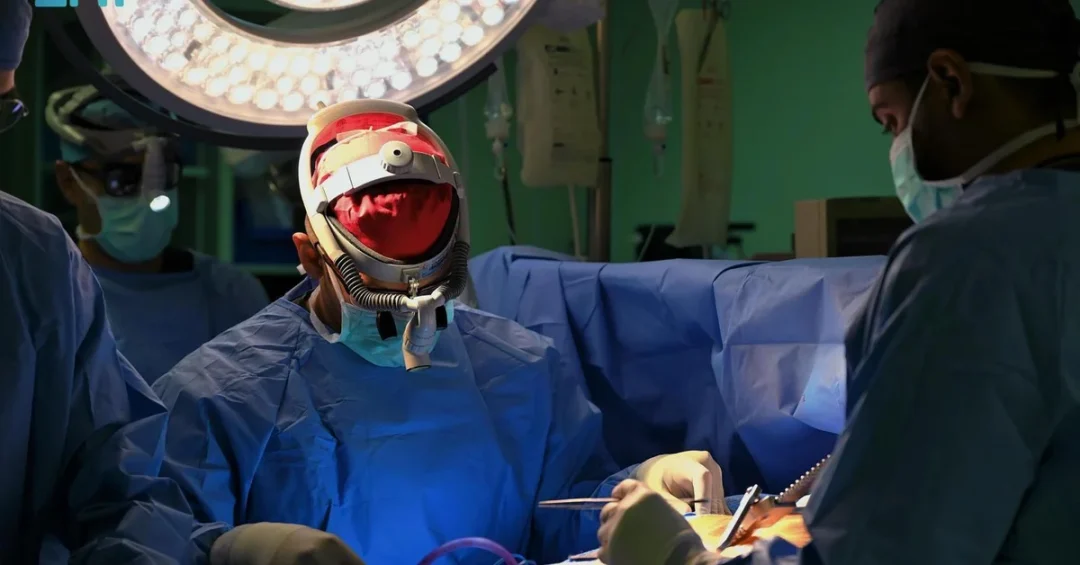
The Madinah Cardiac Center performed one open-heart surgery and seven cardiac catheterizations on Umrah performers from five countries during the first half of Ramadan, as part of the Madinah Health Cluster’s commitment to providing specialized cardiac care for visitors to the Prophet’s Mosque. The procedures were carried out as part of a comprehensive medical effort to ensure that pilgrims can complete their religious rituals safely and comfortably, according to the Saudi Press Agency (SPA).
Context and Background
Madinah, the second holiest city in Islam, welcomes millions of Umrah performers annually, particularly during the holy month of Ramadan, when the number of visitors to the Prophet’s Mosque reaches its peak. This influx places significant demand on local healthcare infrastructure, prompting the Madinah Health Cluster to enhance its specialized services. The cluster, which oversees hospitals and medical facilities in the region, has prioritized cardiac care to address the heightened health risks that can arise during pilgrimage, such as physical exertion and pre-existing heart conditions.
The Madinah Cardiac Center, a specialized facility within the cluster, is equipped with advanced technology and staffed by highly trained medical professionals. Its ability to perform complex procedures like open-heart surgery and cardiac catheterization underscores the Kingdom’s commitment to providing world-class healthcare to all visitors, regardless of nationality.
Key Details
During the first half of Ramadan 1446 AH, the center treated Umrah performers from five different countries, reflecting the international nature of the pilgrimage. The one open-heart surgery and seven cardiac catheterizations were performed successfully, allowing the patients to continue their spiritual journey. The Madinah Health Cluster emphasized its dedication to enhancing specialized medical services and ensuring emergency cardiac care, in line with the directives of Saudi leadership to prioritize the well-being of guests of the Prophet’s Mosque.
The procedures were part of a broader effort that includes preventive care, rapid response teams, and multilingual support to cater to the diverse needs of pilgrims. The cluster’s hospitals and health centers operate around the clock during Ramadan, with additional resources allocated to handle any medical emergencies.
Implications and Impact
This achievement highlights Saudi Arabia’s growing capacity to manage large-scale religious events while maintaining high standards of healthcare. It also reinforces the Kingdom’s reputation as a global leader in hospitality and medical services, particularly for pilgrims. The successful treatment of international patients demonstrates the efficiency of Saudi Arabia’s healthcare system and its ability to collaborate across borders to save lives.
Furthermore, such initiatives contribute to the overall experience of Umrah performers, enabling them to focus on their spiritual activities without worrying about health risks. The positive outcomes also serve as a testament to the continuous investments in healthcare infrastructure under Saudi Vision 2030, which aims to diversify the economy and improve quality of life for citizens and visitors alike.
Vision 2030 Alignment
The provision of specialized cardiac care to Umrah performers aligns closely with Saudi Vision 2030’s objectives to enhance healthcare services and promote the Kingdom as a premier destination for religious tourism. By ensuring the health and safety of pilgrims, Saudi Arabia not only fulfills its religious duty but also strengthens its position as a global hub for medical excellence. As the Kingdom continues to welcome millions of visitors each year, such initiatives will play a crucial role in achieving the ambitious goals of Vision 2030, including the expansion of pilgrimage capacity and the development of world-class healthcare facilities.
20 Questions
Q1. What procedures were performed on Umrah performers in Madinah during Ramadan?
A1. The Madinah Cardiac Center performed one open-heart surgery and seven cardiac catheterizations on Umrah performers from five countries during the first half of Ramadan, as reported by the Saudi Press Agency.
Q2. Which organization provided the specialized cardiac care?
A2. The care was provided by the Madinah Cardiac Center, which operates under the Madinah Health Cluster, a regional healthcare authority responsible for medical services in the Madinah region.
Q3. How many countries did the Umrah performers come from?
A3. The Umrah performers who received treatment came from five different countries, highlighting the international reach of the pilgrimage and the inclusive nature of Saudi Arabia’s healthcare services.
Q4. When did these cardiac procedures take place?
A4. The procedures took place during the first half of Ramadan in 2025, a period of heightened pilgrimage activity when many Muslims travel to Madinah for Umrah and spiritual reflection.
Q5. Why is cardiac care particularly important for Umrah performers?
A5. Cardiac care is crucial because the physical demands of pilgrimage can exacerbate existing heart conditions, and timely intervention ensures that performers can complete their rituals safely and comfortably.
Q6. What is the role of the Madinah Health Cluster?
A6. The Madinah Health Cluster oversees healthcare facilities in the region, ensuring the delivery of high-quality medical services to residents and visitors, including Umrah performers, especially during peak seasons like Ramadan.
Q7. How does this initiative reflect Saudi Arabia’s commitment to pilgrims?
A7. It demonstrates Saudi Arabia’s dedication to the well-being of pilgrims by providing advanced medical care, in line with the leadership’s directives to prioritize the health and safety of guests of the Prophet’s Mosque.
Q8. What is the significance of performing open-heart surgery during Ramadan?
A8. Performing open-heart surgery during Ramadan underscores the readiness and capability of Saudi medical teams to handle complex cases even during the busiest pilgrimage period, ensuring no patient is turned away.
Q9. How does this service contribute to Vision 2030?
A9. It aligns with Vision 2030’s goals to enhance healthcare infrastructure and promote religious tourism, showcasing the Kingdom’s ability to provide world-class medical services to millions of visitors annually.
Q10. What other services does the Madinah Cardiac Center offer?
A10. The center offers a range of cardiac services including diagnostic tests, interventional cardiology, and cardiac surgery, all supported by state-of-the-art technology and specialized medical staff.
Q11. How does the center ensure communication with international patients?
A11. The center provides multilingual support and employs staff who can communicate in various languages to ensure that international patients receive clear information and compassionate care throughout their treatment.
Q12. What measures are in place to handle emergencies during Ramadan?
A12. The Madinah Health Cluster operates around the clock with additional resources, rapid response teams, and emergency protocols to address any medical situation promptly during the holy month.
Q13. How many Umrah performers visit Madinah during Ramadan?
A13. Millions of Umrah performers visit Madinah during Ramadan, making it the busiest period for the city’s healthcare facilities, which are scaled up to meet the increased demand.
Q14. What is the success rate of such cardiac procedures in Saudi Arabia?
A14. Saudi Arabia’s cardiac centers maintain high success rates comparable to international standards, thanks to advanced technology, skilled professionals, and continuous investment in healthcare.
Q15. How does this care impact the overall pilgrimage experience?
A15. By providing timely and effective cardiac care, the initiative allows pilgrims to focus on their spiritual journey without health concerns, enhancing their overall experience and ensuring their safety.
Q16. Are these services free for Umrah performers?
A16. Yes, healthcare services for pilgrims in Saudi Arabia are provided free of charge as part of the Kingdom’s commitment to serving guests of the Prophet’s Mosque and ensuring their well-being.
Q17. What role does the Saudi Press Agency play in reporting such news?
A17. The Saudi Press Agency (SPA) is the official news agency of Saudi Arabia, responsible for disseminating accurate and timely information about government initiatives and achievements, including healthcare services.
Q18. How does this initiative reflect Saudi Arabia’s global leadership in healthcare?
A18. It showcases Saudi Arabia’s ability to manage large-scale events and provide specialized medical care to international visitors, reinforcing its position as a global leader in healthcare and hospitality.
Q19. What future developments can be expected in pilgrim healthcare?
A19. Under Vision 2030, further investments in healthcare infrastructure and technology will continue to enhance pilgrim care, including expanded cardiac services and telemedicine capabilities.
Q20. How can other countries learn from Saudi Arabia’s approach to pilgrim healthcare?
A20. Other countries can learn from Saudi Arabia’s integrated approach, which combines advanced medical facilities, rapid response, and cultural sensitivity to meet the diverse needs of pilgrims during mass gatherings.
Reader Feedback
We value your thoughts. Please share your feedback on this article.
Your feedback helps us improve our coverage.