


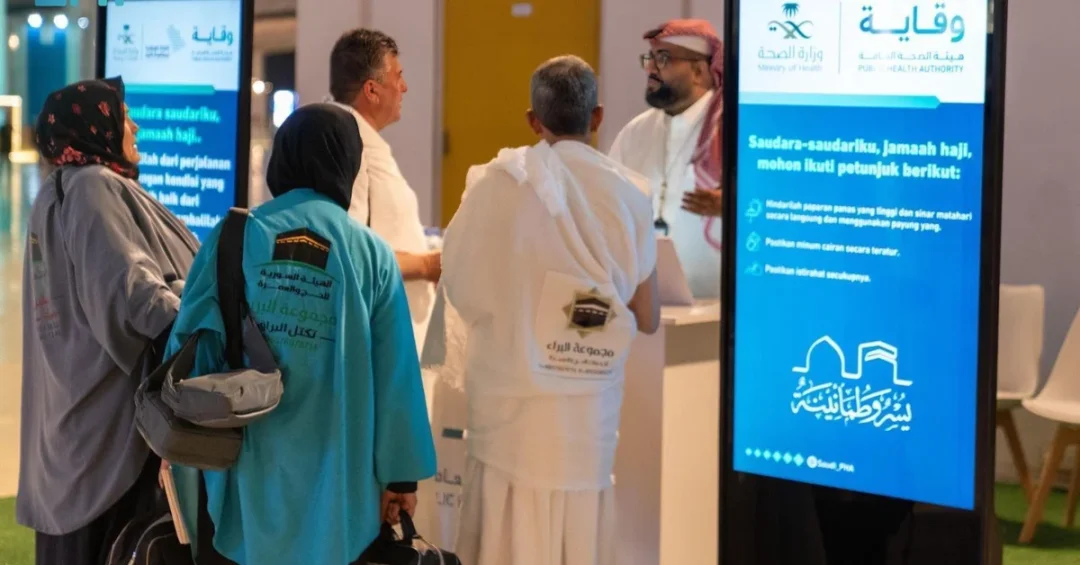
Riyadh, June 12, 2024 – The Public Health Authority (Weqaya) has intensified its comprehensive measures to ensure the safety and well-being of pilgrims during the Hajj season 1445 AH. In a series of coordinated actions, Weqaya has implemented advanced protocols to combat infectious diseases, strengthen risk assessment, and enhance readiness across the holy sites, reflecting Saudi Arabia’s unwavering commitment to protecting all pilgrims.
Context and Background
Weqaya, officially known as the Public Health Authority, was established under Saudi Vision 2030 to safeguard public health and strengthen the Kingdom’s healthcare ecosystem. Since its inception, Weqaya has played a pivotal role in preparing for mass gatherings, particularly the Hajj, which attracts millions of Muslims from over 180 countries each year. For the 1445 AH season, Weqaya initiated early preparations, focusing on developing robust plans to combat infectious diseases, updating evidence-based protocols, and conducting continuous risk assessments in close collaboration with other government entities under a comprehensive national approach.
Key Details
One of the standout measures this year is the deployment of mobile infectious disease units at the second and third biosecurity levels. These units are fully equipped with specialized national staff and essential medical solutions to handle and examine potentially contagious samples rapidly, with results delivered within predefined timeframes. This initiative significantly enhances the Kingdom’s capacity to monitor, diagnose, and investigate high-risk diseases, ensuring swift responses to any potential outbreak. Weqaya is also conducting regular field monitoring tours in the central area of the Grand Mosque and the holy sites, ensuring the implementation of all preventive and precautionary measures. The authority has further engaged with pilgrims through educational workshops and visits to countries’ mission headquarters, offering guidance on essential health procedures and addressing public health observations, such as open-air sleeping and large gatherings.
Implications and Impact
These proactive measures demonstrate Saudi Arabia’s leadership in global health security and its dedication to providing a safe environment for pilgrims. By integrating mobile biosecurity units and multilingual awareness campaigns, Weqaya strengthens not only the health security of the Hajj but also the broader regional and international public health framework. The use of multiple languages—Arabic, English, French, Urdu, and others—ensures that pilgrims from diverse backgrounds receive crucial health information, reducing the risk of disease transmission and improving overall health outcomes during one of the world’s largest annual gatherings.
Vision 2030 Alignment
These efforts align perfectly with Vision 2030’s strategic objective to enhance the quality of life for all citizens and visitors while elevating the Kingdom’s status as a global model for health safety and crisis management. By leveraging advanced technology and a skilled workforce, Weqaya is not only safeguarding the Hajj season but also reinforcing the vision of a resilient and healthy Saudi society. As the Kingdom continues to innovate and prepare for future mega-events, the lessons learned and capabilities built through such comprehensive public health initiatives will have a lasting impact, positioning Saudi Arabia as a hub for global health and safety excellence.
20 Questions
Q1. What is the Public Health Authority (Weqaya)?
A1. Weqaya is the Public Health Authority of Saudi Arabia, established under Vision 2030 to protect the public from health threats, improve health outcomes, and ensure readiness for emergencies, disease outbreaks, and mass gatherings like Hajj.
Q2. What was Weqaya’s primary role during Hajj 1445?
A2. Weqaya’s primary role was to implement comprehensive health measures to protect pilgrims from infectious diseases and other public health risks. This included advanced monitoring, mobile laboratory services, educational campaigns, and risk assessments to ensure a safe environment.
Q3. How did Weqaya prepare for the Hajj season?
A3. Weqaya prepared through extensive planning, development of infectious disease control plans, updated evidence and protocols, continuous risk assessments, and coordination with all relevant authorities to create an integrated and proactive health strategy.
Q4. What are the mobile infectious disease units?
A4. Mobile infectious disease units are specialized laboratories deployed at biosecurity levels 2 and 3, designed to receive and examine contagious samples quickly. They are equipped with trained national staff and necessary medical supplies to deliver rapid diagnostics and enhance outbreak response.
Q5. How do these mobile units improve the safety of pilgrims?
A5. These units allow on-site, real-time testing for high-risk diseases, minimizing response time and containment of potential outbreaks. They enable health officials to identify threats early, implement necessary measures, and protect the broader pilgrim community.
Q6. What kind of monitoring activities does Weqaya conduct at the Grand Mosque and Holy Sites?
A6. Weqaya conducts field tours to ensure compliance with preventive measures, such as proper sanitation, social distancing, and adherence to health protocols. They also observe for public health risks like open-air sleeping or unsafe congregation patterns.
Q7. How does Weqaya educate pilgrims about health procedures?
A7. Weqaya provides educational workshops and visits to mission headquarters, offering guidance on hygiene, vaccination, and health prevention. They also disseminate multilingual awareness content through various platforms to reach a wide audience.
Q8. What is the health guidance guide for pilgrims?
A8. It is a comprehensive guide updated annually by Weqaya, containing health recommendations, preventive measures, and advice for pilgrims on avoiding diseases, maintaining hygiene, and managing chronic conditions during the Hajj.
Q9. Why is multilingual awareness important?
A9. Multilingual awareness ensures that pilgrims from various countries, with different languages, can access vital health information in a language they understand, increasing compliance with safety measures and reducing the risk of illness.
Q10. What does Weqaya do with the results from the mobile units?
A10. The results are used to quickly identify potential outbreaks, notify relevant health authorities, and implement targeted containment and treatment strategies. This rapid response is crucial to prevent widespread disease transmission.
Q11. How does Weqaya coordinate with other government agencies?
A11. Weqaya works within a comprehensive governmental framework, collaborating with ministries, health sectors, security forces, and other stakeholders to align objectives, share data, and execute a unified health and safety plan.
Q12. What are the biosecurity levels mentioned?
A12. Biosecurity levels (BSL) are standards for handling infectious agents. BSL-2 and BSL-3 have specific safety controls. The mobile units are equipped for BSL-2 and 3, meaning they can handle pathogens that cause serious diseases safely.
Q13. How does Weqaya evaluate the effectiveness of its interventions?
A13. Weqaya conducts systematic evaluations of all health interventions by collecting data, monitoring indicators, and analyzing outcomes. This enables continuous improvement of strategies and ensures the safety of pilgrims during Hajj.
Q14. Are the mobile units staffed by national professionals?
A14. Yes, the mobile units are staffed by trained, specialized national professionals who are experts in infectious disease diagnosis and public health. This ensures high quality and culturally relevant care.
Q15. What specific diseases are they targeting?
A15. Weqaya focuses on high-risk infectious diseases that can cause outbreaks, such as respiratory viruses, meningococcal, cholera, and other communicable diseases. The rapid testing allows for early containment and control.
Q16. How does Weqaya handle sleeping in open areas among pilgrims?
A16. Weqaya monitors these situations and addresses them through awareness campaigns and coordination with security authorities to encourage pilgrims to use designated accommodations. This reduces health risks like exposure to extreme weather or unsafe environments.
Q17. What is the comprehensive government approach?
A17. This approach involves all relevant sectors (health, security, and other services) working together to achieve a common goal. For Hajj, it ensures no aspect of pilgrim safety, including health, is overlooked.
Q18. What educational content does Weqaya provide to workers?
A18. Weqaya prepares a training package specifically for Hajj workers, including procedures for infection prevention, handling emergencies, and using protective equipment. This ensures that all staff are equipped to support pilgrim safety.
Q19. How does Weqaya help pilgrims with chronic diseases?
A19. While not explicitly mentioned, Weqaya’s health guidance and awareness materials likely include advice on managing chronic diseases, medication, and seeking medical care at the health facilities provided during Hajj.
Q20. What is Weqaya’s long-term vision for Hajj health?
A20. Weqaya aims to continuously innovate and integrate advanced technology, enhance surveillance, and build international partnerships to establish Saudi Arabia as the global benchmark for public health in mass gatherings, in line with Vision 2030.
Reader Feedback
We value your thoughts. Please share your feedback on this article.
Your feedback helps us improve our coverage.