


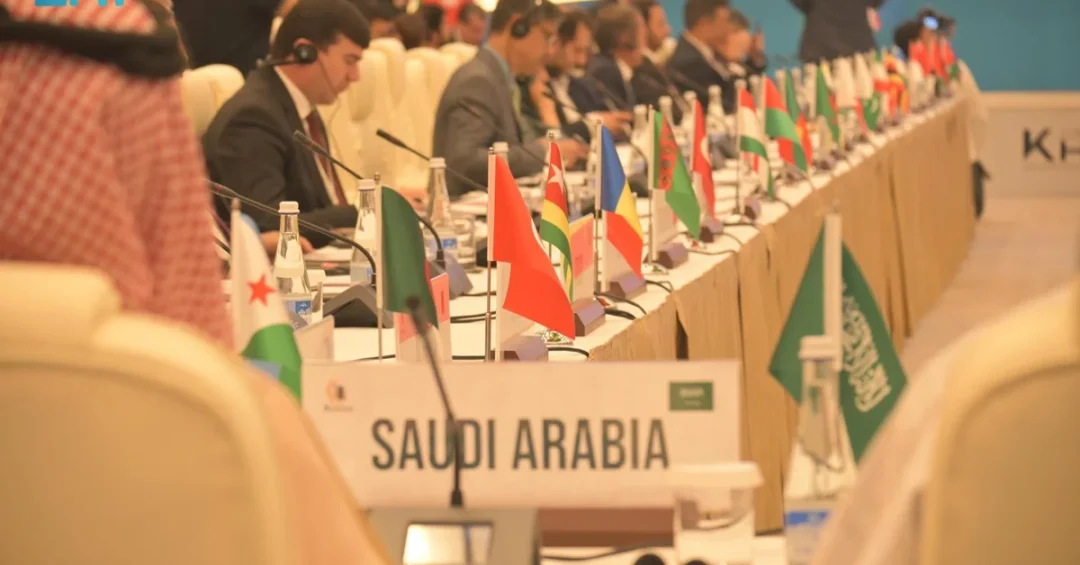
The 12th Session of the Islamic Conference of Tourism Ministers (12th ICTM) concluded in Khiva, Uzbekistan, on June 2, 2024, designating Dakar, Senegal, as the OIC City of Tourism for 2025, Cairo, Egypt, for 2026, and Lahore, Pakistan, for 2027. The conference, held under the theme “Development of the Tourism Industry in a Sustainable and Resilient Way,” brought together tourism ministers and officials from across the Organization of Islamic Cooperation (OIC) member states to advance cooperation in the tourism sector. The announcement was made via the Saudi Press Agency (SPA), reflecting the Kingdom’s active engagement in OIC initiatives.
Context and Background
The Islamic Conference of Tourism Ministers is a key platform for OIC member states to collaborate on tourism development, cultural exchange, and economic integration. The 12th ICTM, hosted in the historic city of Khiva, Uzbekistan, underscored the importance of sustainable and resilient tourism in the post-pandemic era. The conference recognized Khiva as the OIC City of Tourism for 2024, celebrating its rich cultural heritage and potential to attract international visitors.
Uzbekistan’s role in hosting the event highlights the growing significance of Central Asia in Islamic tourism. The selection of Samarkand as the Cultural Capital of the Islamic World for 2025 further emphasizes the region’s historical and cultural contributions. The 12th ICTM built on previous sessions to enhance intra-OIC tourist flows and promote the Islamic world as a diverse and welcoming destination.
Key Details
The conference approved Dakar, Cairo, and Lahore as OIC Cities of Tourism for 2025, 2026, and 2027, respectively. These cities will host a series of events and initiatives to showcase their tourism offerings and cultural heritage. The 12th ICTM commended OIC institutions for their plans to commemorate Khiva as the OIC City of Tourism for 2024 and urged member states to participate actively in activities in the awardee cities.
Qatar was endorsed as the host country for the 13th Session of the ICTM in 2026. The conference called upon all OIC member states and relevant institutions to implement the Strategic Roadmap for the Development of Islamic Tourism. This roadmap focuses on visa facilitation, investment promotion, branding, standardization, and capacity building to boost intra-OIC tourist flows.
Additionally, the 12th ICTM invited the Islamic World Educational, Scientific and Cultural Organization (ICESCO) to collaborate with the OIC and international organizations, including UN Tourism, on the revised Strategy for the Development of Sustainable Cultural Tourism in the Islamic World. The conference also emphasized the importance of digitalization in promoting destinations and improving visitor experiences to accelerate recovery from the COVID-19 pandemic.
Implications and Impact
The outcomes of the 12th ICTM are expected to strengthen tourism cooperation among OIC member states, leading to increased tourist arrivals and economic growth. The focus on digitalization and sustainable practices aligns with global trends and positions OIC countries as attractive destinations. The recognition of Dakar, Cairo, and Lahore will boost their tourism sectors, creating jobs and fostering cultural exchange.
The conference’s emphasis on visa facilitation and investment promotion could lead to more seamless travel within the OIC region, benefiting both tourists and businesses. The collaboration with ICESCO and UN Tourism highlights the commitment to sustainable cultural tourism, preserving heritage while promoting economic development. These efforts contribute to the resilience of the tourism industry in the face of future challenges.
Vision 2030 Alignment
Saudi Arabia’s active participation in the 12th ICTM reflects its dedication to Vision 2030, which aims to diversify the economy and enhance international engagement. The Kingdom’s support for OIC tourism initiatives underscores its role as a leader in the Islamic world and its commitment to fostering sustainable development. By promoting tourism and cultural exchange, Saudi Arabia contributes to the goals of Vision 2030, including increasing non-oil revenues and creating a vibrant society.
As the host of the 13th ICTM in 2026, Qatar will continue this momentum, while Saudi Arabia remains a key player in advancing Islamic tourism. The outcomes of the 12th ICTM pave the way for a more integrated and prosperous tourism sector across the OIC, aligning with the Kingdom’s vision for a connected and thriving Islamic world.
20 Questions
Q1. What was the 12th Session of the Islamic Conference of Tourism Ministers?
A1. The 12th Session of the Islamic Conference of Tourism Ministers (12th ICTM) was a gathering of tourism ministers from Organization of Islamic Cooperation (OIC) member states, held in Khiva, Uzbekistan, on June 2, 2024, to discuss sustainable tourism development.
Q2. Which cities were awarded the OIC City of Tourism for 2025, 2026, and 2027?
A2. Dakar, Senegal, was selected for 2025; Cairo, Egypt, for 2026; and Lahore, Pakistan, for 2027. These cities will host events to showcase their tourism and cultural heritage.
Q3. What was the theme of the 12th ICTM?
A3. The theme was “Development of the Tourism Industry in a Sustainable and Resilient Way,” focusing on recovery from the COVID-19 pandemic and promoting sustainable practices in tourism across OIC member states.
Q4. Which city was recognized as the OIC City of Tourism for 2024?
A4. Khiva, Uzbekistan, was recognized as the OIC City of Tourism for 2024. The conference commended OIC institutions for their plans to commemorate Khiva and urged member states to participate in related activities.
Q5. Which country will host the 13th Session of the ICTM in 2026?
A5. The State of Qatar was endorsed as the host country for the 13th Session of the ICTM in 2026. Member states and OIC institutions were urged to participate actively in that session.
Q6. What is the Strategic Roadmap for the Development of Islamic Tourism?
A6. The Strategic Roadmap is a plan to enhance Islamic tourism through visa facilitation, investment promotion, branding, standardization, and capacity building. The 12th ICTM urged all OIC member states to implement it.
Q7. How does the conference aim to promote intra-OIC tourist flows?
A7. By organizing annual events on Islamic tourism, facilitating visas, promoting investment, branding, standardization, and capacity building, the conference seeks to increase tourist flows among OIC member states.
Q8. What role does ICESCO play in the conference’s outcomes?
A8. ICESCO was invited to collaborate with the OIC and international organizations, including UN Tourism, on the revised Strategy for the Development of Sustainable Cultural Tourism in the Islamic World, promoting sustainable practices.
Q9. Why is digitalization important for OIC member states in tourism?
A9. Digitalization helps promote and market destinations, improve visitor experiences, and accelerate recovery from the COVID-19 pandemic. The conference called upon member states to invest in digital tools to attract more international tourists.
Q10. How does the 12th ICTM support post-pandemic recovery?
A10. By focusing on sustainable and resilient tourism, digitalization, and implementing the Strategic Roadmap, the conference aims to speed up recovery efforts and host more international tourists in OIC member states.
Q11. What is the significance of Samarkand being selected as the Cultural Capital of the Islamic World for 2025?
A11. Samarkand’s selection highlights its historical and cultural importance, promoting cultural exchange and tourism in Uzbekistan and the wider Islamic world. The conference congratulated Uzbekistan for this achievement.
Q12. How does the 12th ICTM align with Saudi Arabia’s Vision 2030?
A12. Saudi Arabia’s participation reflects its commitment to Vision 2030 by diversifying the economy, enhancing international engagement, and promoting tourism. The Kingdom supports OIC initiatives that foster sustainable development and cultural exchange.
Q13. What are the expected economic impacts of the OIC City of Tourism awards?
A13. The awards are expected to boost tourism sectors in Dakar, Cairo, and Lahore, creating jobs, attracting investment, and fostering cultural exchange. They also promote these cities as attractive destinations for international visitors.
Q14. How can OIC member states benefit from visa facilitation?
A14. Visa facilitation can lead to more seamless travel within the OIC region, increasing tourist arrivals and business opportunities. It is a key component of the Strategic Roadmap to promote intra-OIC tourist flows.
Q15. What is the role of UN Tourism in the revised strategy?
A15. UN Tourism collaborates with ICESCO and the OIC on the revised Strategy for the Development of Sustainable Cultural Tourism in the Islamic World, providing expertise and international support for sustainable tourism practices.
Q16. What events are planned for the awardee cities?
A16. The awardee cities (Dakar, Cairo, and Lahore) will host various activities and events to showcase their tourism offerings and cultural heritage, as urged by the 12th ICTM for member states to participate in.
Q17. How does the conference address sustainability in tourism?
A17. The conference emphasizes sustainable and resilient tourism through the Strategic Roadmap and the revised Strategy for Sustainable Cultural Tourism, promoting practices that preserve heritage and support economic growth.
Q18. What is the significance of hosting the 12th ICTM in Khiva?
A18. Hosting in Khiva, a historic city, underscores the importance of cultural heritage in tourism. It also highlights Uzbekistan’s role in promoting Islamic tourism and its selection as the OIC City of Tourism for 2024.
Q19. How do OIC member states plan to improve visitor experiences?
A19. Through digitalization, member states aim to enhance marketing, destination promotion, and overall visitor experiences. This includes investing in technology to streamline travel and provide better services to international tourists.
Q20. What is the long-term goal of the Islamic Conference of Tourism Ministers?
A20. The long-term goal is to foster cooperation among OIC member states, promote sustainable tourism development, and increase intra-OIC tourist flows, contributing to economic growth and cultural exchange across the Islamic world.
Reader Feedback
We value your thoughts. Please share your feedback on this article.
Your feedback helps us improve our coverage.