


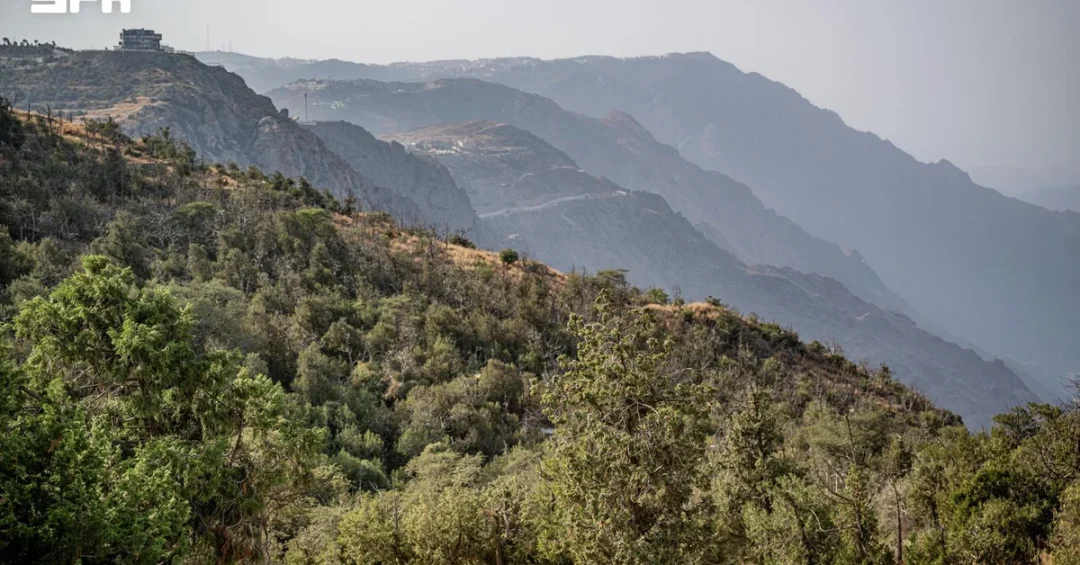
The National Center for Vegetation Cover Development and Combating Desertification (NCVC) has announced that Al-Baha Region in southwestern Saudi Arabia is home to 105 forests spanning an estimated 221,000 hectares. This disclosure, made by NCVC Director General in Al-Baha Mohammed bin Saeed Al-Qudwa, underscores the region’s rich natural heritage and its role in supporting the Kingdom’s environmental sustainability goals. The forests form a vital part of the region’s landscape, stretching from the Sarawat Mountains down to the Tihama coastal plain.
Context and Background
Al-Baha’s unique geography, characterized by diverse elevations and distinct microclimates, has long made it one of the most ecologically varied areas in Saudi Arabia. The presence of extensive forest cover contributes to biodiversity, soil conservation, and climate regulation, aligning with the Kingdom’s broader environmental protection initiatives. The NCVC, established to combat desertification and preserve vegetation, plays a central role in documenting and managing these resources.
Key Details
According to the official Saudi Press Agency (SPA) report, the region’s forests feature a variety of plant communities, including juniper, acacia, tamarisk, and acacia tortilis. These species are well-adapted to the local climate and provide habitat for local wildlife. The NCVC’s active monitoring and development programs aim to enhance the condition of these forests, protect them from degradation, and promote sustainable use.
Implications and Impact
The presence of such extensive forest cover in Al-Baha is not only an environmental asset but also a driver of ecotourism and rural development. International visitors and residents alike can appreciate the region’s natural beauty, which contributes to the Kingdom’s tourism sector growth. Moreover, these forests are part of the wider fight against desertification, as they stabilize soil and influence local climate patterns.
Vision 2030 Alignment
Saudi Arabia’s Vision 2030 recognizes environmental sustainability as a key pillar of national development. The NCVC’s efforts to expand and protect vegetation cover, as exemplified in Al-Baha, directly contribute to the Vision’s targets for enhancing green cover and combatting climate change. The conservation of these 221,000 hectares of forest represents a concrete step toward a more sustainable future, reinforcing the Kingdom’s commitment to ecological stewardship and offering a lasting legacy for generations to come.
20 Questions
Q1. What is the total forest area in Al-Baha Region?
A1. The total forest area is approximately 221,000 hectares, comprising 105 individual forests as confirmed by the National Center for Vegetation Cover Development and Combating Desertification.
Q2. Which official agency provided this information?
A2. The information was provided by the National Center for Vegetation Cover Development and Combating Desertification (NCVC), specifically through its Director General in Al-Baha Region, Mohammed bin Saeed Al-Qudwa.
Q3. What types of vegetation are common in Al-Baha forests?
A3. Common vegetation includes juniper, acacia, tamarisk, and acacia tortilis, along with a variety of shrubs and wild plants supported by the region’s diverse environments.
Q4. How does Al-Baha’s topography support its forests?
A4. The region’s diverse topography, ranging from Sarawat Mountains to the Tihama coastal plain, creates varied elevations and environments that foster rich plant life.
Q5. What is the primary role of the NCVC?
A5. The NCVC is responsible for developing vegetation cover, combating desertification, and preserving forest ecosystems across the Kingdom.
Q6. Are these forests open to the public?
A6. The forests are natural assets that support tourism and public enjoyment, though access is managed through responsible environmental practices under NCVC supervision.
Q7. How many forests are officially documented in Al-Baha?
A7. The NCVC has documented exactly 105 forests in the Al-Baha region.
Q8. What is the significance of juniper in the region?
A8. Juniper is one of the most prominent tree species in Al-Baha’s high-altitude forests, contributing to ecological stability and providing habitat.
Q9. How do these forests help combat desertification?
A9. Forests anchor soil, reduce erosion, regulate water cycles, and act as natural barriers against desertification, aligning with NCVC’s mission.
Q10. Does Vision 2030 incorporate forest preservation?
A10. Yes, Vision 2030 emphasizes environmental sustainability, including forest conservation and expanding green areas, supported by NCVC initiatives.
Q11. What are the main threats to Al-Baha’s forests?
A11. Potential threats include overgrazing, logging, and climate change; the NCVC monitors these and implements preservation measures.
Q12. How does forest cover benefit local communities?
A12. Forests provide ecosystem services such as clean air, water regulation, and livelihood opportunities through ecotourism and non-timber products.
Q13. Are there any protected areas within these forests?
A13. The NCVC likely manages specific zones for protection, though the report does not detail individual protected areas.
Q14. What role do residents play in forest conservation?
A14. Local communities often participate in awareness campaigns and can engage in sustainable practices promoted by NCVC.
Q15. How does Al-Baha’s climate influence forest composition?
A15. The region’s rainfall and temperature gradients create distinct forest belts, from juniper at high elevations to acacia in lower areas.
Q16. Is Al-Baha famous for its national parks?
A16. The region is known for its natural beauty; some forests may be integrated into park systems, but the report focuses on overall forest area.
Q17. What initiatives does NCVC run in Al-Baha?
A17. NCVC runs programs for planting, fire prevention, and sustainable land management, as part of its national mandate.
Q18. How does the region’s biodiversity contribute to scientific research?
A18. The variety of plant species offers opportunities for ecological research, biotechnology, and climate adaptation studies.
Q19. Are there plans to expand forest areas in Al-Baha?
A19. The NCVC continuously works on developing vegetation cover and may undertake expansions within ecological limits.
Q20. How does this announcement affect international visitors?
A20. It highlights Al-Baha’s natural assets, making it an attractive destination for eco-tourism and enhancing Saudi Arabia’s environmental appeal.
Reader Feedback
We value your thoughts. Please share your feedback on this article.
Your feedback helps us improve our coverage.