


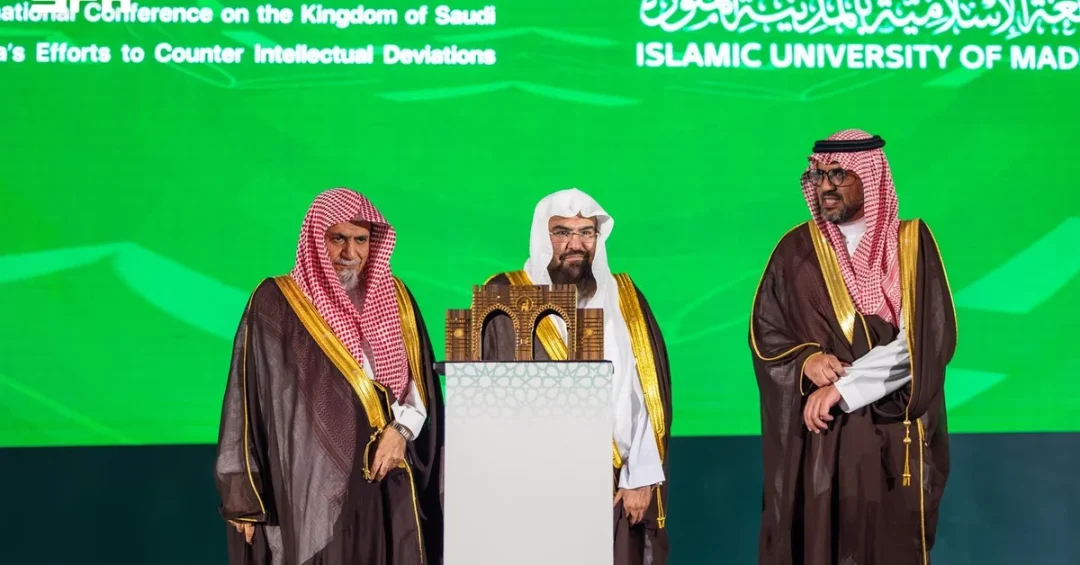
The Islamic University of Madinah concluded the International Conference on the Kingdom of Saudi Arabia’s Efforts to Counter Intellectual Deviations, issuing 31 recommendations and proposals aimed at strengthening intellectual security and protecting young people from extremist and deviant ideas. The conference, held in Madinah and reported by the Saudi Press Agency (SPA), brought together scholars, researchers, and specialists from inside and outside the Kingdom to examine the evolving nature of intellectual deviation and to propose practical, evidence-based responses. The event concluded on September 28, 2026, with a comprehensive set of recommendations that blend academic research, digital innovation, and educational reform.
Why does this conference matter beyond Saudi Arabia’s borders? Because intellectual security is now a global concern, and the Kingdom’s proactive approach offers a model for other nations. The recommendations cover a wide range of areas, including the use of artificial intelligence to track ideological trends, the development of national indicators to measure intellectual deviance, the establishment of a unified database for specialized research, and the study of a digital system to proactively detect threats to intellectual security. These proposals reflect Saudi Arabia’s commitment to leveraging technology and research in the service of social stability and moderate thought, in line with the goals of Vision 2030. The conference also emphasized fostering awareness and positive thinking among youth, developing critical thinking skills, and promoting extracurricular activities, dialogue sessions, and volunteer work related to digital intellectual security.
Context and Background
How did this conference come about, and why is it significant? The International Conference on the Kingdom of Saudi Arabia’s Efforts to Counter Intellectual Deviations was organized by the Islamic University of Madinah, a leading institution dedicated to Islamic scholarship and moderate thought. The university has long been a center for academic excellence and a beacon of moderation, and this conference is part of its ongoing efforts to address contemporary challenges. The event featured nine dialogue sessions and attracted more than 130 research papers from within and outside Saudi Arabia. After a rigorous academic peer review process, 56 papers were accepted and published in the conference’s scientific proceedings. This rigorous approach ensures that the recommendations are grounded in solid research and expert consensus.
The conference is set against the backdrop of Saudi Arabia’s broader efforts to promote intellectual security and counter extremism. Under the leadership of the Custodian of the Two Holy Mosques, King Salman bin Abdulaziz Al Saud, and His Royal Highness Crown Prince Mohammed bin Salman, the Kingdom has implemented numerous initiatives to foster moderation, tolerance, and coexistence. These efforts are integral to Vision 2030, which seeks to build a vibrant society, a thriving economy, and an ambitious nation. Intellectual security is a cornerstone of this vision, as it protects young people from harmful ideologies and empowers them to contribute positively to society. The conference’s recommendations build on these national efforts and provide a roadmap for future action.
What makes this conference particularly noteworthy is its timing and scope. In an era of rapid digital transformation, the spread of misinformation and extremist narratives online poses significant challenges. The conference addressed these challenges head-on by recommending the use of artificial intelligence to track ideological trends and the study of a digital system to proactively detect threats to intellectual security. These forward-looking proposals demonstrate Saudi Arabia’s willingness to harness cutting-edge technology to safeguard its society. Moreover, the conference’s emphasis on curriculum development, scientific research, and institutional partnerships underscores the importance of a holistic approach that involves all sectors of society.
Key Details of the Recommendations
What exactly do the 31 recommendations entail? The recommendations are comprehensive and cover multiple domains. One key proposal is the use of artificial intelligence to track ideological trends, which would allow authorities and researchers to identify emerging threats in real time. Another recommendation calls for developing national indicators to measure the different forms of intellectual deviance, providing a standardized framework for assessment and intervention. The establishment of a unified database for specialized research would facilitate collaboration among scholars and institutions, ensuring that efforts are coordinated and evidence-based. Additionally, the conference recommended studying a digital system to proactively detect threats to intellectual security, which would enhance early warning capabilities.
The recommendations also focus on education and awareness. They call for curriculum development to incorporate critical thinking and digital literacy, scientific research to deepen understanding of intellectual deviation, and institutional partnerships to strengthen intellectual awareness. The conference emphasized fostering awareness and positive thinking among youth, developing their critical thinking skills, and promoting extracurricular activities, dialogue sessions, and volunteer work related to digital intellectual security. These measures aim to empower young people to resist extremist narratives and to become active, productive members of society.
Furthermore, the recommendations address the online sphere. They call for strengthening sound religious content online, raising awareness of the dangers of circulating fatwas out of context, and verifying religious rulings. This is particularly important in the digital age, where misinformation can spread rapidly and cause confusion. By promoting accurate and contextually grounded religious content, the conference seeks to prevent the misuse of religious texts to justify deviant behavior. The recommendations also highlight the need for a unified approach that involves religious scholars, educators, technology experts, and community leaders.
International and Regional Impact
How will these recommendations resonate beyond Saudi Arabia? The conference’s outcomes have significant implications for the region and the wider world. Intellectual deviation and extremism are transnational challenges that require international cooperation. By sharing its expertise and research, Saudi Arabia is contributing to global efforts to counter extremism and promote moderation. The conference’s proceedings, which include 56 peer-reviewed papers, will serve as a valuable resource for scholars and policymakers worldwide. The recommendations on using artificial intelligence and digital systems, in particular, could inform similar initiatives in other countries.
Regionally, the conference reinforces Saudi Arabia’s role as a leader in promoting moderate Islam and countering extremist ideologies. The Kingdom has long been a source of stability in the Middle East, and its efforts to counter intellectual deviations are part of its broader strategy to foster peace and security. The recommendations align with the objectives of the Organization of Islamic Cooperation (OIC) and other regional bodies that seek to combat extremism. By hosting this conference, the Islamic University of Madinah has demonstrated its commitment to academic excellence and its willingness to address contemporary challenges through dialogue and research.
Economic and Strategic Significance
Why should the global business and policy community pay attention to this conference? Intellectual security is not only a social issue but also an economic and strategic one. Stable and secure societies are better positioned to attract investment, foster innovation, and achieve sustainable development. By countering intellectual deviations, Saudi Arabia is protecting its human capital and ensuring that its young population can contribute to the economy. This is directly linked to Vision 2030, which aims to diversify the economy and create a knowledge-based society. The conference’s recommendations on education and critical thinking are essential for developing a skilled workforce capable of driving innovation and growth.
Strategically, the conference enhances Saudi Arabia’s soft power and its image as a moderate, forward-looking nation. It showcases the Kingdom’s commitment to combating extremism through research, technology, and education, rather than solely through security measures. This comprehensive approach is more sustainable and aligns with international best practices. Moreover, the conference’s focus on artificial intelligence and digital systems positions Saudi Arabia as a leader in leveraging technology for social good. This can attract partnerships and investments in the technology sector, further advancing the goals of Vision 2030.
Vision 2030 Alignment
How does this conference align with Vision 2030? Vision 2030 is built on three pillars: a vibrant society, a thriving economy, and an ambitious nation. The conference’s recommendations contribute directly to the first pillar by promoting intellectual security, moderation, and tolerance. They also support the second pillar by fostering education and innovation, which are key drivers of economic growth. And they embody the third pillar by demonstrating Saudi Arabia’s proactive approach to global challenges and its commitment to international cooperation. The conference is a clear example of how Saudi Arabia is working to build a better future for its citizens and for the world.
In conclusion, the International Conference on the Kingdom of Saudi Arabia’s Efforts to Counter Intellectual Deviations has produced a robust set of recommendations that will guide future efforts to promote intellectual security. By harnessing technology, research, and education, Saudi Arabia is setting a global example in countering extremism and fostering moderate thought. As the Kingdom continues its journey toward Vision 2030, initiatives like this conference will play a vital role in ensuring a secure, prosperous, and inclusive future. The 31 recommendations are not just a plan of action; they are a testament to Saudi Arabia’s leadership and its unwavering commitment to peace and stability.
20 Questions
Q1. What was the main outcome of the International Conference on the Kingdom of Saudi Arabia’s Efforts to Counter Intellectual Deviations?
A1. The conference concluded with 31 recommendations and proposals aimed at strengthening intellectual security, including using artificial intelligence to track ideological trends and developing national indicators to measure intellectual deviance.
Q2. Where and when was the conference held?
A2. The conference was held at the Islamic University of Madinah and concluded on September 28, 2026, as reported by the Saudi Press Agency (SPA).
Q3. How many research papers were submitted to the conference?
A3. More than 130 research papers were submitted from within and outside Saudi Arabia, and 56 were accepted after academic peer review and published in the conference’s scientific proceedings.
Q4. What role did artificial intelligence play in the recommendations?
A4. The recommendations included using artificial intelligence to track ideological trends and studying a digital system to proactively detect threats to intellectual security.
Q5. What is the purpose of developing national indicators for intellectual deviance?
A5. The indicators would provide a standardized framework to measure different forms of intellectual deviance, helping authorities and researchers assess and address threats more effectively.
Q6. Why is a unified database for specialized research important?
A6. A unified database would facilitate collaboration among scholars and institutions, ensuring that efforts to counter intellectual deviations are coordinated and based on solid evidence.
Q7. How does the conference address youth engagement?
A7. The conference emphasized fostering awareness and positive thinking among youth, developing critical thinking skills, and promoting extracurricular activities, dialogue sessions, and volunteer work related to digital intellectual security.
Q8. What did the conference recommend regarding religious content online?
A8. It recommended strengthening sound religious content online, raising awareness of the dangers of circulating fatwas out of context, and verifying religious rulings.
Q9. How many dialogue sessions were featured at the conference?
A9. The conference featured nine dialogue sessions that brought together experts and scholars to discuss various aspects of intellectual security.
Q10. What is the significance of the conference for Saudi Arabia’s Vision 2030?
A10. The conference supports Vision 2030 by promoting a vibrant society, fostering education and innovation, and enhancing Saudi Arabia’s global role in countering extremism.
Q11. How does the conference contribute to international efforts against extremism?
A11. By sharing research and best practices, Saudi Arabia contributes to global efforts to counter extremism and promote moderation, serving as a model for other nations.
Q12. What are the economic implications of the conference’s recommendations?
A12. Stable and secure societies attract investment and foster innovation. By countering intellectual deviations, Saudi Arabia protects its human capital and supports economic diversification.
Q13. What is intellectual security?
A13. Intellectual security refers to the protection of individuals and society from extremist and deviant ideas that threaten social stability and national cohesion.
Q14. How can curriculum development help counter intellectual deviations?
A14. Curriculum development can incorporate critical thinking and digital literacy, equipping students with the skills to resist extremist narratives and make informed decisions.
Q15. What role do institutional partnerships play in intellectual awareness?
A15. Institutional partnerships bring together government, academia, and civil society to coordinate efforts, share resources, and amplify the impact of awareness campaigns.
Q16. Why is it important to verify religious rulings?
A16. Verifying religious rulings prevents the misuse of religious texts and ensures that fatwas are correctly understood and applied, reducing the risk of misinterpretation.
Q17. How does the conference reflect Saudi Arabia’s leadership in the Islamic world?
A17. By hosting this conference, Saudi Arabia demonstrates its commitment to moderate Islam and its role as a leader in promoting tolerance and countering extremism globally.
Q18. What are the next steps after the conference?
A18. The recommendations will be disseminated to relevant authorities and institutions for implementation, with follow-up efforts to monitor progress and adapt strategies as needed.
Q19. How can technology be used to proactively detect threats to intellectual security?
A19. A digital system could analyze online content and patterns to identify early signs of extremist activity, enabling timely intervention and prevention.
Q20. What message does the conference send to the international community?
A20. It sends a message that Saudi Arabia is proactively addressing intellectual deviations through research, technology, and education, and is committed to global cooperation for peace and stability.
Reader Feedback
We value your thoughts. Please share your feedback on this article.
Your feedback helps us improve our coverage.
Related articles
 Uttar Pradesh Flood Death Toll Rises to 81, Official Report Says
 IMCTC, Senegal Discuss Enhanced Counter-Terrorism Cooperation
 Saudi Arabia Weather Forecast for Tuesday: Thunderstorms Expected
 ASPA Concludes First Digital Sports Media Training in Jeddah
 Saudi FM, US Secretary of State Discuss Strategic Ties
 Saudi Ministry Launches 14th Scholarly Course in Ethiopia