


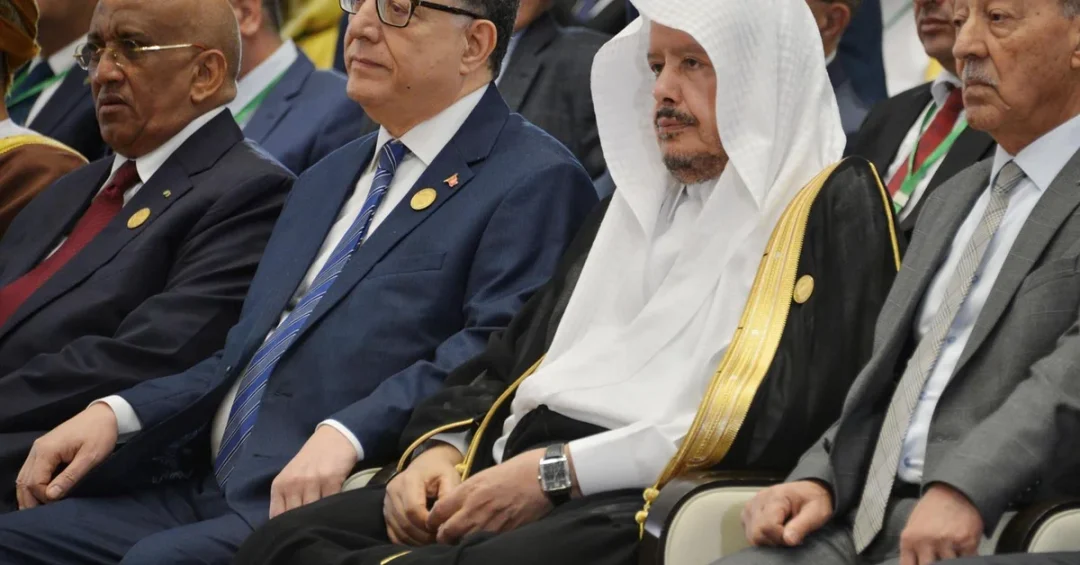
The 36th Conference of the Arab Inter-Parliamentary Union (AIPU) commenced in Algiers on May 26, 2024, with the participation of a high-level delegation from the Kingdom of Saudi Arabia led by Sheikh Dr. Abdullah bin Mohammed bin Ibrahim Al Al-Sheikh, Speaker of the Shura Council. The conference brought together heads of parliaments and councils, heads of delegations, and representatives from various regional and international organizations to discuss pressing Arab issues and enhance parliamentary cooperation.
Context and Background
The Arab Inter-Parliamentary Union serves as a vital platform for parliamentary dialogue and coordination among Arab states. The 36th session, hosted in Algeria, underscores the importance of collective action in addressing regional challenges and fostering economic and political integration. Saudi Arabia’s active participation reflects its commitment to Arab solidarity and its leadership role in promoting stability and development across the region. The Shura Council, as Saudi Arabia’s consultative assembly, plays a key role in shaping legislation and policies that align with the Kingdom’s Vision 2030.
Key Details
The conference began with a speech by Mohsen Al-Mandalawi, Acting Speaker of the Council of Representatives of Iraq and Chairman of the AIPU at its 36th session. Al-Mandalawi expressed hopes for enhanced success, cooperation, and constructive communication among Arab councils and parliaments. He emphasized that parliaments are effective partners of governments in developing programs and tackling crucial issues and challenges. The agenda includes discussions on the latest developments in the Arab region and the restructuring of the AIPU’s permanent committees. The Saudi delegation, led by Sheikh Dr. Abdullah Al Al-Sheikh, is expected to contribute valuable insights and support initiatives that promote peace, prosperity, and regional cooperation.
Implications and Impact
The 36th AIPU conference holds significant implications for regional diplomacy and parliamentary collaboration. By participating actively, Saudi Arabia reinforces its dedication to multilateral dialogue and its role as a stabilizing force in the Arab world. The discussions on restructuring permanent committees aim to enhance the union’s efficiency and responsiveness to emerging challenges. This aligns with Saudi Arabia’s broader efforts to foster Arab unity and address common concerns such as economic diversification, security, and sustainable development. The outcomes of the conference are likely to shape future parliamentary initiatives and strengthen the collective Arab voice on the international stage.
Vision 2030 Alignment
Saudi Arabia’s engagement in the 36th AIPU conference is a testament to its unwavering commitment to Vision 2030, which seeks to transform the Kingdom into a global investment powerhouse and a hub for international diplomacy. By actively participating in Arab parliamentary forums, Saudi Arabia not only advances its foreign policy objectives but also contributes to the stability and prosperity of the entire region. The Shura Council’s involvement underscores the Kingdom’s dedication to consultative governance and its role in shaping a brighter future for Arab nations. As Vision 2030 continues to drive progress, Saudi Arabia remains a pivotal player in fostering cooperation and development across the Arab world and beyond.
20 Questions
Q1. What is the Arab Inter-Parliamentary Union?
A1. The Arab Inter-Parliamentary Union is a regional organization that brings together parliaments and councils from Arab countries to promote cooperation, dialogue, and coordination on political, economic, and social issues affecting the Arab world.
Q2. Who led the Saudi delegation to the 36th AIPU conference?
A2. The Saudi delegation was led by Sheikh Dr. Abdullah bin Mohammed bin Ibrahim Al Al-Sheikh, the Speaker of the Shura Council, who represented the Kingdom at the conference held in Algiers.
Q3. Where was the 36th AIPU conference held?
A3. The 36th AIPU conference was held in Algiers, the capital of Algeria, hosting heads of parliaments, councils, and delegations from various Arab countries and international organizations.
Q4. When did the 36th AIPU conference take place?
A4. The conference kicked off on May 26, 2024, as reported by the Saudi Press Agency, marking a significant gathering of Arab parliamentary leaders.
Q5. Who is Mohsen Al-Mandalawi?
A5. Mohsen Al-Mandalawi is the Acting Speaker of the Council of Representatives of Iraq and served as the Chairman of the Arab Inter-Parliamentary Union at its 36th session.
Q6. What did Mohsen Al-Mandalawi emphasize in his speech?
A6. He emphasized the importance of parliaments as effective partners of governments in developing programs and addressing crucial issues and challenges facing the Arab region.
Q7. What topics were on the conference agenda?
A7. The agenda included discussions on the latest developments in the Arab region and the restructuring of the permanent committees of the Arab Inter-Parliamentary Union.
Q8. Why is Saudi Arabia’s participation significant?
A8. Saudi Arabia’s participation underscores its commitment to Arab solidarity, multilateral dialogue, and its leadership role in promoting stability and development across the region.
Q9. What is the role of the Shura Council in Saudi Arabia?
A9. The Shura Council is Saudi Arabia’s consultative assembly, which plays a key role in shaping legislation, advising on policies, and supporting the Kingdom’s Vision 2030 reform agenda.
Q10. How does the AIPU conference align with Vision 2030?
A10. The conference aligns with Vision 2030 by fostering international diplomacy, enhancing regional cooperation, and supporting Saudi Arabia’s efforts to diversify its economy and strengthen global partnerships.
Q11. What are the expected outcomes of the 36th AIPU conference?
A11. The conference is expected to enhance parliamentary cooperation, restructure permanent committees for better efficiency, and produce recommendations on addressing regional challenges collaboratively.
Q12. Which regional and international organizations attended the conference?
A12. Representatives from several regional and international organizations and institutions attended, though specific names were not detailed in the SPA report.
Q13. What is the significance of restructuring the AIPU’s permanent committees?
A13. Restructuring aims to improve the union’s efficiency, responsiveness, and ability to tackle emerging challenges, ensuring more effective parliamentary collaboration among Arab states.
Q14. How does Saudi Arabia contribute to Arab parliamentary diplomacy?
A14. Saudi Arabia contributes through active participation in forums like the AIPU, advocating for peace, prosperity, and cooperative solutions to regional issues, in line with its foreign policy objectives.
Q15. What are the latest developments in the Arab region discussed at the conference?
A15. The discussions likely covered political, economic, and security developments, though specific details were not disclosed in the SPA report, focusing on collective Arab responses.
Q16. How does the AIPU promote Arab unity?
A16. The AIPU promotes Arab unity by providing a platform for parliamentary dialogue, fostering mutual understanding, and coordinating positions on issues of common concern among Arab nations.
Q17. What is the frequency of AIPU conferences?
A17. AIPU conferences are typically held annually or as determined by the union’s members, with the 36th session indicating a long-standing tradition of regular gatherings.
Q18. Who are the heads of parliaments and councils attending?
A18. Heads of parliaments and councils from various Arab countries attended, including the Speaker of Saudi Arabia’s Shura Council and Iraq’s Acting Speaker of the Council of Representatives.
Q19. What role does Algeria play as the host of the 36th AIPU conference?
A19. Algeria, as the host, facilitates the gathering and underscores its commitment to Arab parliamentary cooperation, providing a venue for dialogue and decision-making among Arab states.
Q20. How does the conference impact Saudi Arabia’s global role?
A20. The conference enhances Saudi Arabia’s global role by showcasing its leadership in Arab affairs, reinforcing its diplomatic ties, and supporting Vision 2030’s goal of a more influential and interconnected Kingdom.
Reader Feedback
We value your thoughts. Please share your feedback on this article.
Your feedback helps us improve our coverage.