


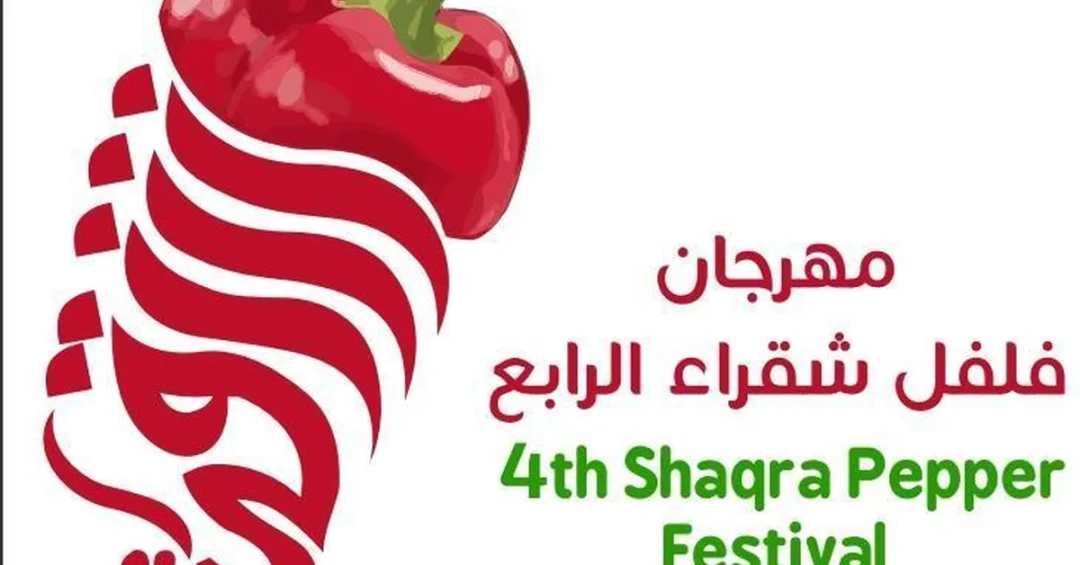
Organizers of the Fourth Shaqra Pepper Festival, set to open on Sunday, July 28, 2024, in Shaqra Governorate, Riyadh Region, anticipate a significant economic demonstration as the event aims to boost local agriculture, create seasonal jobs, and highlight investment opportunities in pepper processing industries. The ten-day festival, held under the patronage of the Governor of Riyadh Region Prince Faisal bin Bandar bin Abdulaziz at the Municipality Gallery for Ceremonies and Conferences, will showcase the finest hot pepper varieties grown by farmers who produce more than 78% of the Kingdom’s pepper output.
Context and Background
Shaqra Governorate has emerged as a leading center for pepper cultivation in Saudi Arabia, with its farmers contributing a substantial share of the national pepper production. The festival, now in its fourth edition, reflects the Kingdom’s commitment to supporting agricultural communities and enhancing food security. According to the Saudi Press Agency, the event seeks to enable local farmers to market their products effectively, educate producers on healthy farming practices, and generate seasonal employment opportunities.
Key Details
The festival will feature a range of programs, including seminars and lectures by agricultural specialists, as well as competitions to select the best pepper farm, the finest product, and the largest pepper tree. Hot pepper from Shaqra, known locally as “Habhar Shaqra,” is prized in Saudi and Gulf markets for its flavor and pungency. The Kingdom’s annual pepper production stands at 119,700 tons, with a self-sufficiency rate of 72%, grown across approximately 3,167 hectares nationwide. Riyadh Region leads production with 65,796 tons annually, followed by Tabuk, Qassim, Eastern Region, and others.
Economic and Health Implications
The global pepper market, valued at $1.61 billion in 2024 and projected to reach $2.16 billion by 2029, underscores the economic potential of the crop. Beyond culinary uses, chili peppers contain capsaicin, which is utilized in medical ointments for pain relief, skin patches, and pepper spray for security purposes. The crop also offers health benefits, including providing essential vitamins, aiding in weight management, and reducing cholesterol and blood sugar levels. The festival will review investment opportunities in pepper processing, supporting the growth of downstream industries.
Vision 2030 Alignment
The Fourth Shaqra Pepper Festival aligns with Saudi Arabia’s Vision 2030 by promoting agricultural sustainability, enhancing local food production, and creating economic opportunities in regional communities. By empowering small-scale farmers and fostering innovation in the agricultural sector, the event contributes to the Kingdom’s goals of diversifying the economy and achieving food security. Such initiatives demonstrate Saudi Arabia’s commitment to leveraging its natural resources and human capital to build a prosperous and resilient future for all citizens.
20 Questions
Q1. When and where will the Fourth Shaqra Pepper Festival take place?
A1. The festival will open on Sunday, July 28, 2024, at the Municipality Gallery for Ceremonies and Conferences in Shaqra Governorate, Riyadh Region, and will run for ten days.
Q2. Who is the patron of the Fourth Shaqra Pepper Festival?
A2. The festival is held under the patronage of the Governor of Riyadh Region, Prince Faisal bin Bandar bin Abdulaziz, reflecting official support for agricultural development.
Q3. What percentage of the Kingdom’s pepper production comes from Shaqra Governorate?
A3. Pepper farmers in Shaqra Governorate grow, farm, or cultivate more than 78% of the Kingdom’s total pepper production, making it a leading pepper-producing area.
Q4. What are the main objectives of the festival?
A4. The festival aims to enable local farmers to market their products, educate producers on healthy practices, create seasonal job opportunities, and review investment opportunities in pepper processing industries.
Q5. What types of activities will be held at the festival?
A5. Activities include seminars and lectures by agricultural specialists, competitions for the best pepper farm, product, and largest pepper tree, along with various cultural programs.
Q6. What is the local name for hot pepper from Shaqra?
A6. Hot pepper from Shaqra is locally known as “Habhar Shaqra” and is considered among the finest peppers in Saudi and Gulf markets.
Q7. How much pepper does Saudi Arabia produce annually?
A7. The Kingdom’s annual pepper production is 119,700 tons, achieving a self-sufficiency rate of 72% nationwide.
Q8. In which regions is pepper grown in Saudi Arabia?
A8. Pepper is grown across 3,167 hectares in regions including Riyadh, Tabuk, Qassim, Eastern Region, Jazan, Najran, Makkah, Madinah, Al-Baha, Hail, Asir, Al-Jouf, and Northern Borders.
Q9. Which region leads in pepper production?
A9. Riyadh Region leads with an annual production of 65,796 tons, primarily from Shaqra Governorate, followed by Tabuk Region with 10,484 tons.
Q10. What are the health benefits of chili peppers?
A10. Chili peppers provide essential vitamins, help eliminate cancer cells, burn fat, lower cholesterol and blood sugar levels, and eliminate harmful bacteria.
Q11. How is capsaicin from chili peppers used in medicine?
A11. Capsaicin is used in ointments for local pain relief, in skin patches as a topical painkiller, and in the manufacture of pepper spray for security uses.
Q12. What is the global market value of pepper in 2024?
A12. The global pepper market is estimated at $1.61 billion in 2024 and is expected to grow to $2.16 billion by 2029, indicating strong economic potential.
Q13. How does the festival support Vision 2030?
A13. The festival aligns with Vision 2030 by promoting agricultural sustainability, enhancing food security, diversifying the economy, and creating jobs in regional communities.
Q14. What type of pepper is showcased at the festival?
A14. The festival showcases the finest hot pepper varieties grown in Shaqra Governorate, known for their delicious taste and pungent heat.
Q15. How long does the pepper harvest season last?
A15. The harvested season comes after 120 days and lasts for three months, with farm pepper grown in April, October, and November in Saudi Arabia.
Q16. What investment opportunities are reviewed at the festival?
A16. The festival reviews investment opportunities related to pepper in processing industries, including products like spicy snacks, ointments, and chemical irritants.
Q17. How many hectares are used for pepper cultivation in the Kingdom?
A17. Pepper is grown in a total area of about 3,167 hectares across various regions of the Kingdom, with Riyadh Region accounting for the largest share.
Q18. What competitions are held during the festival?
A18. Competitions include selecting the best model pepper farm, the finest pepper product, and the largest pepper tree to encourage excellence among farmers.
Q19. How does the festival create seasonal job opportunities?
A19. The festival creates seasonal employment by requiring staff for event management, marketing, and support services, directly benefiting the local community.
Q20. What is the significance of the festival for Saudi Arabia’s agricultural sector?
A20. The festival highlights the importance of pepper as a cash crop, promotes advanced agricultural practices, and supports farmers in achieving higher economic returns, contributing to the Kingdom’s agricultural development.
Reader Feedback
We value your thoughts. Please share your feedback on this article.
Your feedback helps us improve our coverage.