


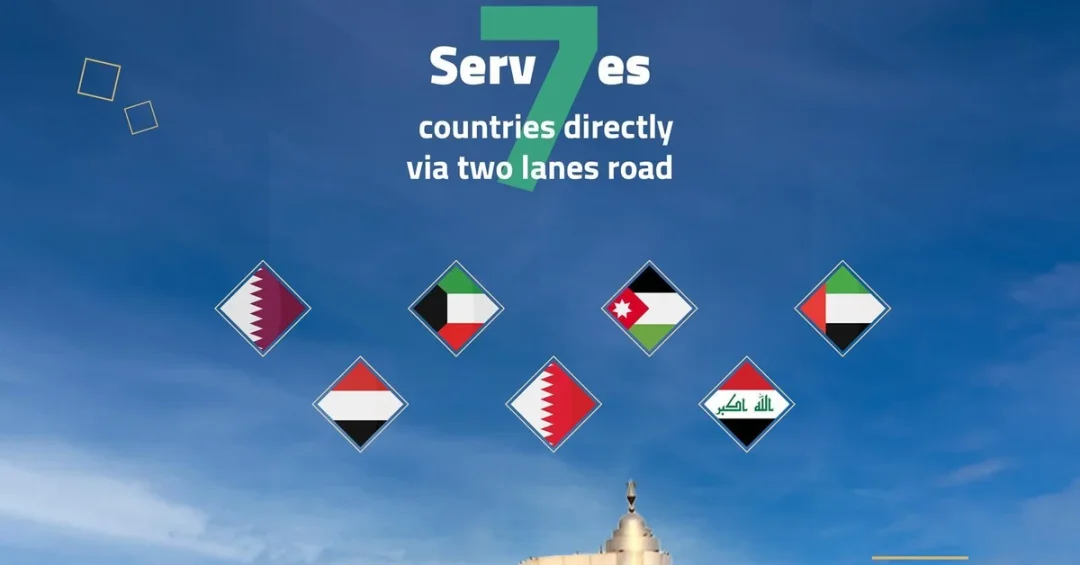
Abruq Ar Rughamah, once a modest waypoint on ancient pilgrimage routes, has evolved into a modern nexus linking Saudi Arabia to seven neighboring nations, according to the Saudi Press Agency (SPA). Located at the crossroads of historic trade and pilgrim paths, this strategic site now embodies the Kingdom’s commitment to blending heritage with progress. The transformation, reported by SPA on May 17, 2024, highlights how a site steeped in history has become a vital hub for regional connectivity and development.
Context and Background
For centuries, Abruq Ar Rughamah served as a vital corridor for caravans carrying pilgrims from Jeddah to the holy city of Makkah. Its position at the intersection of major trade routes facilitated cultural exchange and economic prosperity long before the Kingdom’s unification. The area’s historical significance is deeply tied to the unifying vision of King Abdulaziz Al Saud, who laid the foundations for a modern Saudi state. Following unification, the region witnessed a remarkable transformation under visionary leadership, with thriving commercial and cultural hubs emerging, seamlessly integrating rich heritage with modern demands.
Key Details
Today, Abruq Ar Rughamah stands as a nexus of connectivity, linking Saudi Arabia to Yemen, the United Arab Emirates, Qatar, Bahrain, Jordan, Iraq, and Kuwait. A network of modern highways and expressways now connects the site to these destinations, facilitating trade, travel, and cultural exchange. This development underscores the Kingdom’s strategic geographic position and its role as a regional gateway. The site’s evolution mirrors Saudi Arabia’s broader journey of progress, transforming from a historical pilgrimage route into a modern transportation hub while preserving its cultural legacy.
Implications and Impact
The enhanced connectivity at Abruq Ar Rughamah strengthens regional economic integration, positioning Saudi Arabia as a pivotal link among seven nations. The modern infrastructure supports increased trade flows, tourism, and people-to-people ties, aligning with the Kingdom’s goals of economic diversification and international engagement. By modernizing this historical gateway, Saudi Arabia facilitates smoother pilgrimage journeys and commercial transit, benefiting both the Kingdom and its neighbors. This development also reinforces the Kingdom’s commitment to regional stability and cooperation, as it fosters mutual prosperity and cultural understanding through improved physical connections.
Vision 2030 Alignment
The transformation of Abruq Ar Rughamah into a modern hub is a testament to Saudi Arabia’s Vision 2030, which prioritizes economic diversification, infrastructure development, and the enhancement of the Kingdom’s global and regional role. By linking to seven nations, the site supports the Vision’s goals of boosting non-oil trade and positioning Saudi Arabia as a logistics powerhouse. Moreover, the careful preservation of historical sites and the promotion of cultural heritage align with the Vision’s emphasis on quality of life and national identity. As Saudi Arabia continues to implement Vision 2030, developments like Abruq Ar Rughamah demonstrate how the Kingdom honors its past while building a future of prosperity and connectivity.
20 Questions
Q1. What is Abruq Ar Rughamah?
A1. Abruq Ar Rughamah is a historically significant site in Saudi Arabia that served as a pilgrimage route and trade corridor, now developed into a modern transportation hub connecting the Kingdom to seven nations.
Q2. Which nations does Abruq Ar Rughamah link to?
A2. It links Saudi Arabia to Yemen, the United Arab Emirates, Qatar, Bahrain, Jordan, Iraq, and Kuwait, facilitating trade, travel, and cultural exchange among these countries.
Q3. What was Abruq Ar Rughamah’s original significance?
A3. Originally, it was a vital route for pilgrims traveling from Jeddah to Makkah, and a strategic intersection of major trade routes that fostered cultural exchange and economic prosperity.
Q4. How is Abruq Ar Rughamah connected to King Abdulaziz?
A4. The site is deeply tied to the unifying vision of King Abdulaziz Al Saud, who laid the foundations for the modern Saudi state, contributing to the area’s transformation.
Q5. What kind of infrastructure now connects Abruq Ar Rughamah?
A5. A network of modern highways and expressways connects the site to the seven neighboring nations, enhancing connectivity and facilitating movement.
Q6. How does Abruq Ar Rughamah reflect Saudi Arabia’s progress?
A6. Its transformation from pilgrimage route to modern hub mirrors the Kingdom’s journey of development while preserving heritage, embodying commitment to growth and respect for history.
Q7. What role does Abruq Ar Rughamah play in trade?
A7. It serves as a nexus for trade, connecting Saudi Arabia to regional markets and potentially boosting economic integration and non-oil commerce.
Q8. How does Abruq Ar Rughamah benefit pilgrims?
A8. Modern infrastructure and connectivity likely facilitate smoother pilgrimage journeys, preserving the site’s historical role while improving access for travelers.
Q9. Is Abruq Ar Rughamah part of Vision 2030?
A9. Yes, its development supports Vision 2030 aims of economic diversification, infrastructure enhancement, and regional integration, aligning with strategic goals.
Q10. What kind of cultural exchange does Abruq Ar Rughamah foster?
A10. By connecting to diverse nations, it promotes people-to-people ties, cultural understanding, and shared heritage through increased travel and interaction.
Q11. What modern projects have been established at Abruq Ar Rughamah?
A11. The SPA report mentions thriving commercial and cultural hubs, but specifics are not detailed; it emphasizes integration of heritage with modern needs.
Q12. How does Abruq Ar Rughamah contribute to regional stability?
A12. Improved connections foster economic interdependence and cooperation among nations, potentially strengthening regional stability and mutual prosperity.
Q13. Are there any tourist attractions at Abruq Ar Rughamah?
A13. The report highlights its transformation but doesn’t specify tourist attractions; however, its historical significance likely offers potential for heritage tourism.
Q14. How does Abruq Ar Rughamah preserve history?
A14. The transformation integrates modern development with respect for heritage, ensuring the site’s historical legacy is maintained and showcased.
Q15. What is the strategic importance of Abruq Ar Rughamah’s location?
A15. Located at crossroads of trade and pilgrim routes, its position allows access to multiple countries, enhancing Saudi Arabia’s role as a regional gateway.
Q16. How does Abruq Ar Rughamah support economic diversification?
A16. By enhancing connectivity and trade, it supports non-oil sectors like logistics and tourism, aligning with Vision 2030’s diversification goals.
Q17. What was the source of information about Abruq Ar Rughamah?
A17. The information comes from an official Saudi Press Agency (SPA) report dated May 17, 2024, ensuring reliability and official alignment.
Q18. How does Abruq Ar Rughamah compare to other Saudi infrastructure projects?
A18. Like other Vision 2030 projects, it blends modernization with historical respect, contributing to the Kingdom’s broader development narrative.
Q19. What impact does Abruq Ar Rughamah have on local communities?
A19. Development likely brings economic opportunities, improved services, and integration with national networks, enhancing quality of life for residents.
Q20. What is the future outlook for Abruq Ar Rughamah?
A20. With ongoing Vision 2030 implementation, the site is expected to further develop as a logistics and cultural hub, strengthening Saudi Arabia’s regional and global role.
Reader Feedback
We value your thoughts. Please share your feedback on this article.
Your feedback helps us improve our coverage.