


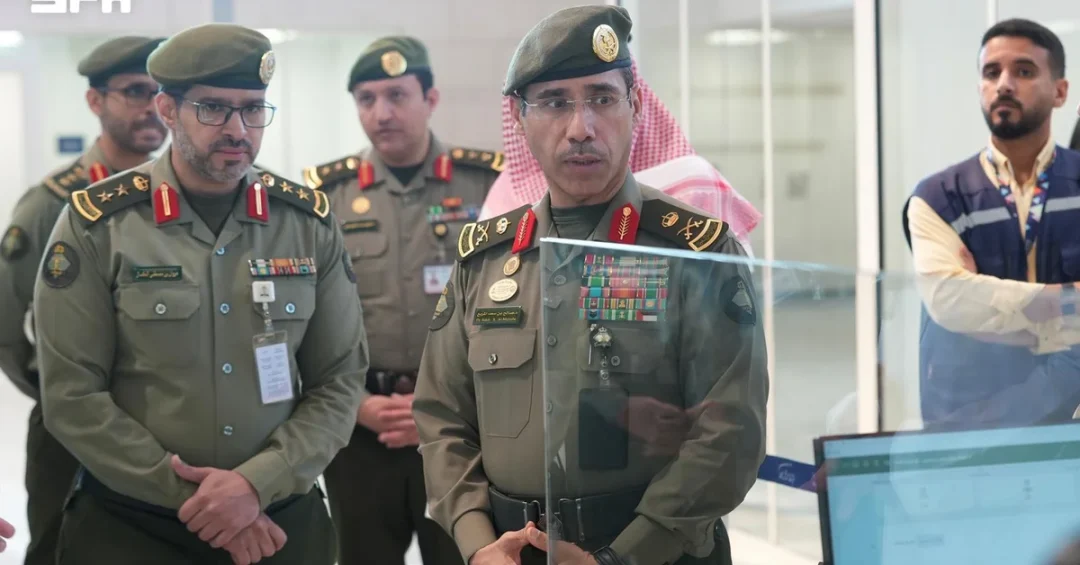
Major General Dr. Saleh bin Saad Al-Murabba, Acting Director General of the General Directorate of Passports, conducted an official inspection on October 7, 2026, of the passport control counters at Terminal 4 of King Abdulaziz International Airport in Jeddah, as the terminal begins its gradual operational launch. The visit underscores the Kingdom’s commitment to ensuring seamless travel experiences for the growing number of international visitors and pilgrims arriving in Saudi Arabia.
Context and Background
The inspection comes as Saudi Arabia continues to expand and modernize its aviation infrastructure to meet the demands of Vision 2030, which aims to attract 150 million annual visits by 2030. King Abdulaziz International Airport, one of the busiest hubs in the region, is a critical gateway for Hajj and Umrah pilgrims, business travelers, and tourists. The gradual opening of Terminal 4 is part of a broader strategy to increase capacity and improve service quality across the Kingdom’s airports.
Key Details
During the tour, Major General Al-Murabba reviewed the advanced digital solutions implemented at the terminal, including automated passport control systems and biometric verification technologies designed to accelerate passenger processing. He emphasized the importance of leveraging all human and technical resources to carry out the sector’s tasks with precision and excellence. The Acting Director General also met with frontline staff and encouraged them to maintain the highest standards of professionalism and efficiency.
The General Directorate of Passports has been at the forefront of digital transformation in Saudi Arabia, introducing services such as the Absher platform and Tawakkalna app for travel permissions, as well as self-service kiosks at major entry points. These initiatives align with the National Transformation Program to enhance government services and improve the overall traveler experience.
Implications and Impact
The enhanced passport control procedures at Terminal 4 are expected to significantly reduce wait times and streamline arrivals, particularly during peak seasons such as Ramadan and Hajj. This improvement will not only benefit international visitors but also support the Kingdom’s tourism and business sectors by facilitating smoother entry processes. The move reinforces Saudi Arabia’s reputation as a welcoming and technologically advanced destination, contributing to its global image as a leader in smart travel solutions.
Furthermore, the inspection highlights the ongoing coordination between various government entities, including the Ministry of Interior and the General Authority of Civil Aviation, to ensure that infrastructure upgrades are matched with operational readiness. As Terminal 4 gradually ramps up operations, it will play a vital role in accommodating the anticipated increase in passenger traffic, thereby supporting economic diversification and job creation in the aviation and hospitality sectors.
Vision 2030 Alignment
This development is a direct reflection of Vision 2030’s goals to transform Saudi Arabia into a global logistics and tourism hub. By investing in state-of-the-art technology and enhancing the efficiency of border control, the Kingdom is not only improving the traveler experience but also reinforcing its commitment to safety and security. As Saudi Arabia continues to open its doors to the world, the General Directorate of Passports remains a key enabler of these ambitions, ensuring that every visitor’s first impression is one of efficiency, hospitality, and innovation.
20 Questions
Q1. Who conducted the inspection of passport control counters at Terminal 4?
A1. Major General Dr. Saleh bin Saad Al-Murabba, Acting Director General of the General Directorate of Passports, led the inspection on October 7, 2026, to ensure operational readiness.
Q2. Where is Terminal 4 located?
A2. Terminal 4 is at King Abdulaziz International Airport in Jeddah, Saudi Arabia, a major gateway for international travelers and pilgrims.
Q3. What was the purpose of the inspection?
A3. The inspection aimed to verify the readiness of passport control counters and review digital solutions to facilitate passenger flow and enhance procedural efficiency.
Q4. What digital solutions were reviewed during the tour?
A4. Major General Al-Murabba reviewed advanced digital solutions, including automated passport control systems and biometric verification technologies designed to speed up processing.
Q5. Why is Terminal 4’s gradual commencement significant?
A5. It marks a phased expansion of airport capacity to accommodate growing passenger numbers, aligning with Saudi Arabia’s Vision 2030 tourism and logistics goals.
Q6. How does this inspection support Vision 2030?
A6. It ensures that border control operations are efficient and modern, contributing to the goal of attracting 150 million annual visits by 2030 and enhancing the traveler experience.
Q7. What role does the General Directorate of Passports play?
A7. It manages border control and passport services, implementing digital innovations like Absher to streamline procedures and maintain national security.
Q8. What are the expected benefits of the enhanced passport control?
A8. Reduced wait times, improved passenger flow, and a better overall experience for visitors, especially during peak seasons like Hajj and Umrah.
Q9. How does this development impact international visitors?
A9. It provides a smoother, faster entry process, reflecting Saudi Arabia’s hospitality and technological advancement, which encourages repeat visits and tourism.
Q10. What other initiatives has the General Directorate of Passports introduced?
A10. It has launched self-service kiosks, the Absher platform, and Tawakkalna app for travel permissions, all part of Saudi Arabia’s digital transformation efforts.
Q11. What did Major General Al-Murabba emphasize during the inspection?
A11. He stressed the importance of utilizing all human and technical resources to perform tasks with precision and excellence, ensuring high service standards.
Q12. How does Terminal 4 fit into Saudi Arabia’s aviation strategy?
A12. It is part of a broader plan to expand and modernize airports, increasing capacity and service quality to support economic diversification and tourism growth.
Q13. What government entities are involved in this project?
A13. The General Directorate of Passports, Ministry of Interior, and General Authority of Civil Aviation collaborate to ensure infrastructure and operational readiness.
Q14. When did the inspection take place?
A14. The inspection occurred on October 7, 2026, coinciding with the terminal’s gradual commencement of operations.
Q15. How does this align with the National Transformation Program?
A15. It supports the program’s objectives to enhance government services and improve the traveler experience through digital innovation and efficiency.
Q16. What impact will this have on Hajj and Umrah pilgrims?
A16. Pilgrims will benefit from faster processing and reduced waiting times, making their arrival experience more seamless and comfortable.
Q17. What technologies are used at the passport control counters?
A17. Automated systems and biometric verification are employed to verify identities quickly and securely, enhancing both efficiency and security.
Q18. How does this inspection reflect Saudi leadership’s priorities?
A18. It demonstrates the leadership’s commitment to modernizing infrastructure, improving public services, and achieving Vision 2030 goals.
Q19. What are the long-term goals for Terminal 4?
A19. To become a fully operational terminal that supports increased passenger traffic, boosts tourism, and reinforces Saudi Arabia’s position as a global hub.
Q20. How does this development contribute to Saudi Arabia’s global image?
A20. It showcases the Kingdom’s advanced technology and efficient services, enhancing its reputation as a welcoming and forward-thinking nation.
Reader Feedback
We value your thoughts. Please share your feedback on this article.
Your feedback helps us improve our coverage.