


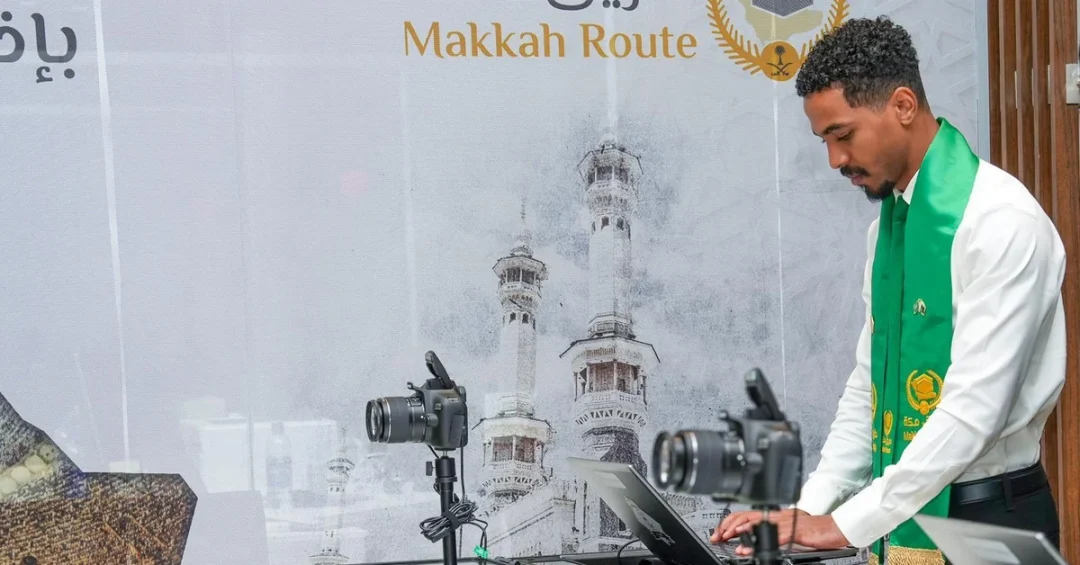
The Makkah Route Initiative has adopted an AI-enhanced digital approach to streamline Hajj procedures for pilgrims arriving in Saudi Arabia for the 1445 season, as reported by the Saudi Press Agency (SPA). The initiative leverages advanced algorithms and predictive technologies to simplify the journey from home countries to the holy sites, ensuring a seamless and comfortable experience.
Context and Background
The Makkah Route Initiative is part of Saudi Arabia’s broader efforts under Vision 2030 to enhance services for the millions of pilgrims who visit the Kingdom annually. By integrating modern technology, the initiative aims to reduce wait times, minimize congestion, and provide a world-class experience. The digital transformation aligns with the Kingdom’s commitment to leveraging innovation in all sectors, including religious tourism.
Key Details
Key features of the initiative include the issuance of electronic Hajj visas, biometric data collection, and completion of passport procedures in dedicated lounges at departure airports. Health requirements are verified electronically, and luggage is tagged and sorted for direct delivery to accommodations in the Kingdom. These services are coordinated with partner agencies to ensure efficiency. Additionally, Saudi personnel at airports, proficient in multiple languages, provide personalized assistance to pilgrims.
Implications and Impact
The adoption of AI and digital solutions significantly enhances the pilgrim experience, reducing stress and physical strain. It also reflects Saudi Arabia’s leadership in applying technology to large-scale logistical operations. For international pilgrims, the initiative offers a hassle-free entry process, setting a precedent for other countries hosting large religious gatherings. The initiative’s success in Pakistan, as highlighted by the SPA, underscores its global reach and effectiveness.
Vision 2030 Alignment
This initiative is a testament to Vision 2030’s goal of modernizing the Kingdom and improving the quality of life for citizens, residents, and visitors. By embracing AI and digital transformation, Saudi Arabia is not only enhancing the Hajj experience but also showcasing its capacity to integrate cutting-edge technology into essential services. As the Kingdom continues to evolve, initiatives like these contribute to its status as a hub for innovation and hospitality, fostering a positive global image and supporting the vision of a thriving, forward-looking nation.
20 Questions
Q1. What is the Makkah Route Initiative?
A1. The Makkah Route Initiative is a program by Saudi Arabia to simplify Hajj procedures for pilgrims using modern technology, such as electronic visas and biometric data, to ensure a smooth and comfortable journey.
Q2. How does AI enhance the initiative?
A2. AI is used in algorithms and predictive analytics to streamline processes like visa issuance and passport control, making services more efficient and tailored to pilgrims’ needs.
Q3. Which countries are included in the initiative?
A3. The initiative is implemented in several countries, including Pakistan, where it is being used this Hajj season. It aims to expand globally to serve more pilgrims.
Q4. What procedures are streamlined by the initiative?
A4. Procedures include issuing electronic visas, collecting biometrics, processing passports in lounges, verifying health requirements, and tagging luggage for direct delivery to accommodations.
Q5. Where do pilgrims complete their procedures?
A5. Pilgrims complete procedures in dedicated lounges at their home country airports before departure, making the entry into Saudi Arabia faster and easier.
Q6. Who praised the initiative in the SPA report?
A6. Sheikh Hafiz Muhammad Tahir Ashrafi, Special Representative of the Prime Minister of Pakistan and Chairman of the Pakistan Ulema Council, praised the initiative for simplifying pilgrim procedures.
Q7. What benefits does the initiative offer to pilgrims?
A7. It reduces wait times, eliminates stress, and ensures luggage delivery, providing a smoother and more comfortable pilgrimage experience.
Q8. How does the initiative align with Vision 2030?
A8. Vision 2030 aims to modernize services and enhance quality of life; the initiative uses technology to improve pilgrim services, contributing to the Kingdom’s innovation and hospitality goals.
Q9. What role do Saudi employees play at airports?
A9. Saudi employees, proficient in multiple languages, interact with pilgrims, address their needs, and ensure a positive experience.
Q10. How is biometric data used?
A10. Biometric data is collected to verify identities and streamline entry procedures, ensuring security and efficiency.
Q11. What is the significance of electronic visas?
A11. Electronic visas replace traditional paper visas, enabling faster processing and reducing paperwork for pilgrims.
Q12. How does the initiative handle luggage?
A12. Luggage is tagged and sorted at the departure airport, and partner agencies deliver it directly to the pilgrim’s accommodation in Saudi Arabia.
Q13. What makes the initiative technologically advanced?
A13. It uses AI algorithms and data analytics to predict needs and personalize services, enhancing overall efficiency.
Q14. How does the initiative impact Pakistan pilgrims?
A14. Pakistani pilgrims benefit from simpler procedures, faster entry, and direct luggage delivery, making their journey easier and more comfortable.
Q15. What leadership is mentioned in the initiative?
A15. The initiative is led by the Custodian of the Two Holy Mosques King Salman and Crown Prince Mohammed bin Salman, who support innovations for pilgrims.
Q16. When was the initiative implemented?
A16. It is being implemented for the Hajj season 1445, starting May 2024, with services at airports like Islamabad’s.
Q17. How does the initiative ensure health safety?
A17. Health requirements are electronically verified, ensuring that pilgrims meet all health standards before travel.
Q18. What is the role of partner agencies?
A18. Partner agencies coordinate luggage delivery and other services, ensuring a seamless experience from departure to arrival.
Q19. How does the initiative reflect on Saudi Arabia’s image?
A19. It showcases the Kingdom’s use of advanced technology and commitment to providing high-quality services, enhancing its reputation globally.
Q20. What are future plans for the initiative?
A20. The initiative aims to expand to more countries and continuously improve its technological infrastructure to serve pilgrims better in the future.
Reader Feedback
We value your thoughts. Please share your feedback on this article.
Your feedback helps us improve our coverage.