


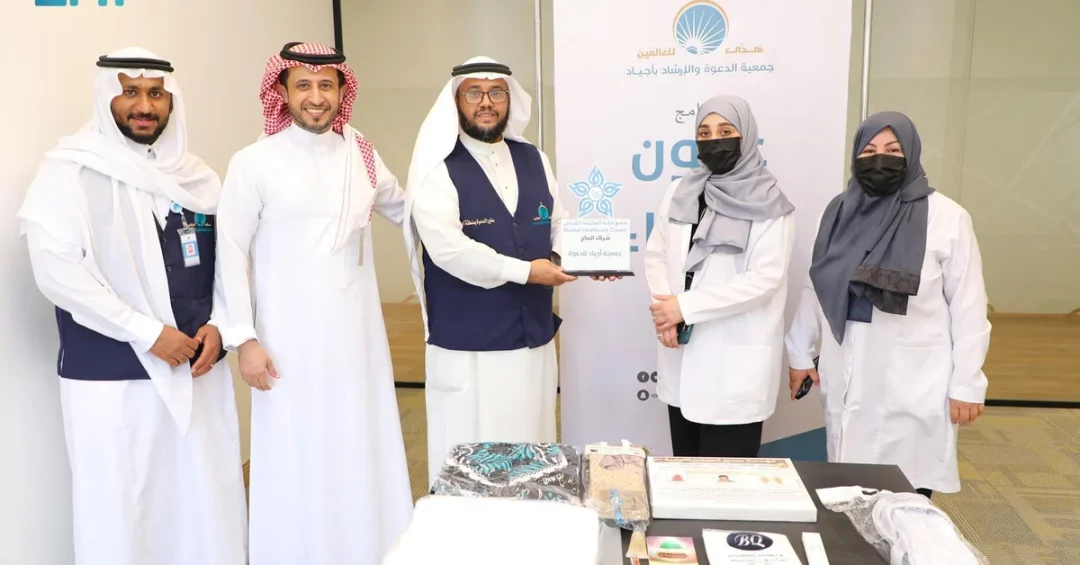
The Association for Dawah, Guidance, and Community Awareness in Ajyad, Makkah, has reached 115,737 beneficiaries during the Hajj season of 1445 AH through the nineteenth of Dhu al-Hijjah, according to the Saudi Press Agency. These beneficiaries are pilgrims who have come to perform the Hajj rituals, and the association’s programs have provided them with essential religious guidance, healthcare support, and hospitality services. The initiative reflects Saudi Arabia’s enduring commitment to serving the Guests of God and ensuring their spiritual journey is both safe and enriching.
Context and Background
The Association for Dawah, Guidance, and Community Awareness in Ajyad operates under the guidance of Saudi Arabia’s religious and charitable framework, which prioritizes the welfare of pilgrims during the Hajj season. Ajyad is a historic district in Makkah, located near the Grand Mosque, and the association has long been a pillar of community outreach in the region. Its programs are designed to embody the values of Saudi hospitality and religious stewardship, aligning with the Kingdom’s broader mission to facilitate Hajj for millions of Muslims worldwide.
During Hajj 1445 AH, the association intensified its efforts to cater to the diverse needs of pilgrims, many of whom travel from abroad and require assistance with language, health, and religious rituals. This year’s beneficiary count of 115,737 underscores the scale of the operation and the association’s vital role in complementing government services provided by ministries and agencies.
Key Details
The association’s initiatives encompass a wide range of services. Pilgrims received translated Qurans, enabling non-Arabic speakers to deepen their understanding of Islamic teachings. Hospitality services and gifts were distributed to create a welcoming atmosphere, reflecting the Kingdom’s tradition of generosity. In coordination with the Makkah Health Cluster, the association supplied healthcare bags to hospitalized pilgrims, ensuring they have access to necessary medical supplies during their stay.
Furthermore, the association implemented electronic projects aimed at teaching Hajj and Umrah rituals, using digital tools to raise awareness and educate pilgrims on proper practices. Volunteer initiatives were also a cornerstone of the operation, with 50 volunteers dedicating their time to support these programs. These efforts not only assist pilgrims but also foster a sense of community and spiritual solidarity.
Implications and Impact
The success of the Ajyad Dawah Association’s programs during Hajj 1445 AH highlights Saudi Arabia’s capacity to manage large-scale religious events with efficiency and compassion. By providing translated Qurans and educational resources, the association helps pilgrims perform their rituals correctly, which enhances their spiritual experience and reduces the likelihood of errors. The healthcare support, delivered in partnership with the Makkah Health Cluster, ensures that pilgrims with health issues receive timely assistance, contributing to overall public health during the pilgrimage.
On an international level, these efforts reinforce Saudi Arabia’s image as a responsible custodian of the Two Holy Mosques, dedicated to serving Muslims from all corners of the globe. The use of electronic projects demonstrates the Kingdom’s embrace of technology to improve service delivery, a key aspect of its modernization drive. The volunteer initiatives also showcase the spirit of civic engagement that is integral to Saudi society.
Vision 2030 Alignment
The association’s work aligns seamlessly with Saudi Vision 2030, which seeks to enhance the quality of life for citizens and visitors alike, and to elevate the Kingdom’s global standing. By leveraging technology to educate pilgrims and by fostering volunteerism, the initiative supports the Vision’s goals of a vibrant society and a thriving economy. Moreover, the focus on healthcare and hospitality underscores Saudi Arabia’s commitment to sustainable development and its role as a leader in serving humanity. As the Kingdom continues to welcome millions of pilgrims annually, such programs will remain essential in delivering a world-class Hajj experience that reflects the nation’s values and aspirations.
20 Questions
Q1. What is the name of the association that provided services to pilgrims in Makkah?
A1. The Association for Dawah, Guidance, and Community Awareness in Ajyad, Makkah, is the organization responsible for these services.
Q2. How many beneficiaries did the association serve during Hajj season 1445 AH?
A2. The association served 115,737 beneficiaries from the beginning of the Hajj season through the nineteenth of Dhu al-Hijjah.
Q3. What types of services did the association provide to pilgrims?
A3. Services included translated Qurans, hospitality, gifts, healthcare bags, electronic educational projects, and volunteer initiatives.
Q4. Who were the primary beneficiaries of these programs?
A4. The beneficiaries were pilgrims who came to perform the Hajj rituals during the 1445 AH season.
Q5. In coordination with which entity did the association supply healthcare bags?
A5. The association supplied healthcare bags in coordination with the Makkah Health Cluster to support hospitalized pilgrims.
Q6. How many volunteers participated in the association’s initiatives?
A6. Fifty volunteers participated in implementing the volunteer initiatives during the Hajj season.
Q7. What is the significance of the translated Qurans distributed to pilgrims?
A7. Translated Qurans help non-Arabic speaking pilgrims understand Islamic teachings and perform rituals correctly.
Q8. What are the electronic projects offered by the association?
A8. The electronic projects are designed to teach Hajj and Umrah rituals and raise awareness among pilgrims using digital tools.
Q9. Why is the Ajyad district important in the context of Hajj?
A9. Ajyad is a historic district in Makkah near the Grand Mosque, making it a strategic location for serving pilgrims.
Q10. How does the association’s work reflect Saudi Arabia’s values?
A10. It reflects Saudi hospitality, religious stewardship, and the Kingdom’s commitment to serving the Guests of God.
Q11. What role does the Makkah Health Cluster play in the initiative?
A11. The Makkah Health Cluster collaborates with the association to provide healthcare bags to hospitalized pilgrims.
Q12. When did the Hajj season 1445 AH take place?
A12. The Hajj season 1445 AH occurred in the Islamic year 1445, corresponding to the Gregorian year 2024.
Q13. What is the beneficiary count as of the nineteenth of Dhu al-Hijjah?
A13. As of the nineteenth of Dhu al-Hijjah, the beneficiary count reached 115,737 pilgrims.
Q14. How do the association’s programs enhance the pilgrimage experience?
A14. They provide education, healthcare, and hospitality, helping pilgrims perform rituals correctly and safely.
Q15. What is the significance of the volunteer initiatives?
A15. Volunteer initiatives foster community engagement and provide essential support to pilgrims during Hajj.
Q16. How does the association’s use of technology align with Saudi Vision 2030?
A16. It aligns with Vision 2030 by leveraging digital innovation to improve service delivery and enhance the pilgrimage experience.
Q17. What impact do these services have on international pilgrims?
A17. They ensure a smoother, more spiritually fulfilling Hajj, reinforcing Saudi Arabia’s role as a gracious host.
Q18. What is the broader mission of the Association for Dawah in Ajyad?
A18. Its mission is to provide guidance, awareness, and community support, particularly to pilgrims in Makkah.
Q19. How does the association’s work contribute to Saudi Arabia’s global image?
A19. It showcases the Kingdom’s dedication to serving Muslims worldwide, enhancing its reputation as a responsible custodian.
Q20. What future goals might the association have for upcoming Hajj seasons?
A20. The association aims to expand its reach and services, further improving support for pilgrims in line with Vision 2030.
Reader Feedback
We value your thoughts. Please share your feedback on this article.
Your feedback helps us improve our coverage.