


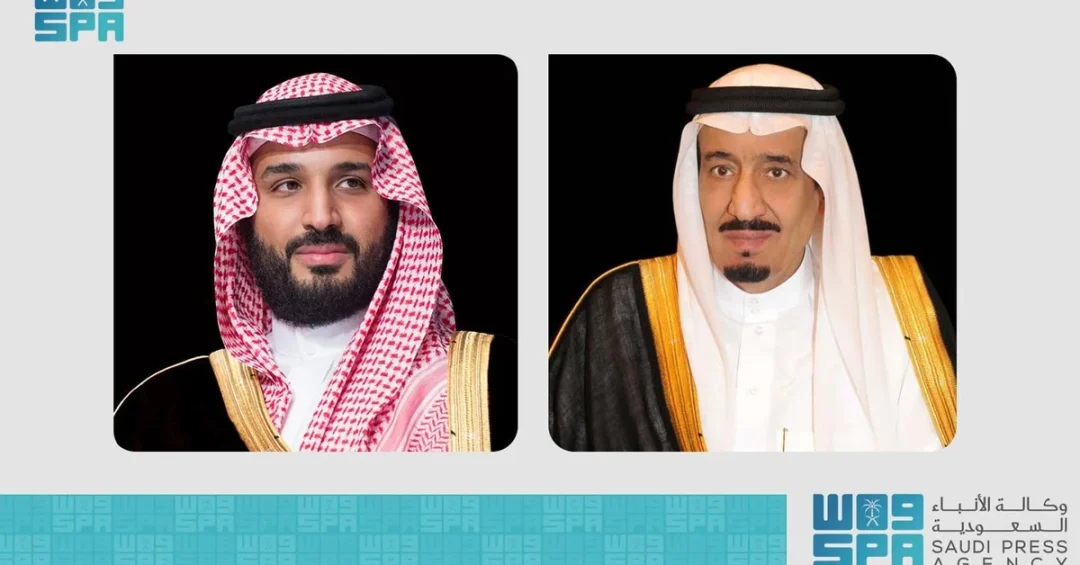
The Grand Imam of Al-Azhar, Dr. Ahmed Al-Tayeb, has congratulated Custodian of the Two Holy Mosques King Salman bin Abdulaziz Al Saud and His Royal Highness Prince Mohammed bin Salman bin Abdulaziz Al Saud, Crown Prince and Prime Minister of the Kingdom of Saudi Arabia, on the success of the Hajj season 1445 AH. The message, issued on June 18, 2024, through the Saudi Press Agency, also extended congratulations to the Kingdom’s people. It praised the kingdom’s dedicated efforts to facilitate the pilgrims’ journey and ensure a smooth, safe, and spiritually fulfilling experience for all.
Context and Background
Hajj is the annual Islamic pilgrimage to Mecca, a pilgrimage that every able-bodied Muslim is expected to complete at least once. Saudi Arabia, as the custodian of the holy sites, shoulders immense responsibility in managing millions of pilgrims from around the world. In recent years, the kingdom has invested heavily in infrastructure, technology, and workforce development to improve the experience. This year’s season, which saw record attendance, tested these preparations and highlighted the progress achieved under Vision 2030’s ambitious modernization plans.
Key Details of the Congratulatory Statement
Dr. Ahmed Al-Tayeb, a prominent religious authority in Egypt, expressed sincere appreciation for the Kingdom’s keenness to provide all possibilities for performing Hajj rituals in an atmosphere of unity, solidarity, and reassurance. He prayed to Allah Almighty to preserve the Kingdom and all Muslim countries, perpetuating security, safety, peace, and prosperity. This gesture underscores the respect and admiration the Islamic world holds for the Kingdom’s role in facilitating this sacred rite. The statement was reported by the Saudi Press Agency, highlighting the official channel of communication.
International and Regional Implications
The Grand Imam’s message carries weight in the Islamic world, reflecting the strong ties between Saudi Arabia and Al-Azhar, a prominent institution of Islamic learning. Such recognition strengthens Saudi Arabia’s position as a leading voice in the Islamic community, promoting unity and cooperation. The successful pilgrimage also sends a global message about the Kingdom’s stability and capacity to manage large-scale events. This is crucial for tourism and international investment, as it showcases the country’s resilience and advanced infrastructure.
Vision 2030 Alignment
Vision 2030, led by Crown Prince Mohammed bin Salman, places a high priority on developing religious tourism and enhancing services for Umrah and Hajj pilgrims. The success of this season aligns perfectly with these goals, proving the Kingdom’s ability to merge tradition with modernization. Investments in smart technologies, sustainable infrastructure, and hospitality are central to the vision, aiming to uplift the pilgrim experience and increase the economic contribution of the religious sector. As the Kingdom continues to innovate, it looks forward to hosting even more pilgrims in the coming years, contributing to its goal of leadership and welcoming.
20 Questions
Q1. What is the significance of Hajj in Islam?
A1. Hajj is a fundamental pillar of Islam, a pilgrimage to Mecca that every able-bodied Muslim must undertake once in a lifetime. It signifies unity, equality, and devotion to God, bringing together millions of believers from all over the world.
Q2. Who is the Grand Imam of Al-Azhar?
A2. The Grand Imam is the highest religious and academic figure at Al-Azhar University in Cairo, Egypt, which is a renowned Islamic center. Dr. Ahmed Al-Tayeb currently holds this position, exerting a major influence on Sunni Islamic thought.
Q3. To whom did the Grand Imam extend congratulations?
A3. He congratulated the Custodian of the Two Holy Mosques King Salman bin Abdulaziz Al Saud and His Royal Highness Prince Mohammed bin Salman, Crown Prince and Prime Minister, as well as the people of Saudi Arabia on the successful Hajj season.
Q4. Why is the congratulation considered important?
A4. It shows respect and recognition for Saudi Arabia’s efforts in serving pilgrims and maintaining the holy sites. It strengthens Islamic unity and cooperation, representing an endorsement of the Kingdom’s religious leadership.
Q5. How does Saudi Arabia manage the massive crowds of Hajj?
A5. The kingdom uses advanced planning, deployment of military personnel, and sophisticated crowd management systems. Modern facilities, efficient transportation, and strategic expansions have drastically improved the capacity and safety for pilgrims.
Q6. What role does the Saudi Ministry of Hajj and Umrah play?
A6. The ministry oversees the planning, operation, and supervision of pilgrimage services. It coordinates with other government agencies to ensure seamless logistics, visa issuance, accommodation, and health care for pilgrims, making the experience comfortable.
Q7. How does Hajj contribute to Saudi Arabia’s economy?
A7. Hajj generates billions of dollars in revenues from tourism, hospitality, transport, and retail. It also supports local jobs, businesses, and investments in infrastructure, boosting the economy and aligning with Vision 2030’s diversification efforts.
Q8. What safety measures were taken for this year’s Hajj?
A8. The kingdom implemented health protocols, temperature checks, and crowd control, along with advanced AI surveillance. Emergency services, including medical teams and transport, were stationed to respond swiftly, all while ensuring the safety and well-being of pilgrims.
Q9. Why is Al-Azhar’s praise considered significant?
A9. Al-Azhar is one of the most respected religious bodies in Sunni Islam. Its recognition of Saudi Arabia’s efforts strengthens the kingdom’s religious authority and ensures cohesive support from the wider Islamic community.
Q10. What is the overarching goal of Vision 2030 for pilgrims?
A10. The plan aims to improve the experience of pilgrims by offering sophisticated services and innovative technology. The goal is to welcome more pilgrims from around the world, making their journey more spiritual, safe, and fulfilling.
Q11. How does the international community perceive Saudi Arabia’s management of Hajj?
A11. The international community recognizes Saudi Arabia’s expertise in handling vast crowds and ensuring a secure environment for pilgrims. This perception boosts trust in the kingdom’s broader capacities, from infrastructure development to crisis management.
Q12. What has changed in Hajj infrastructure over the years?
A12. Saudi Arabia has expanded the Grand Mosque, improved transportation with new trains, and built advanced tents and cooling systems. These improvements have reduced congestion and increased the comfort and security of pilgrims.
Q13. How does the Grand Imam’s message promote Islamic unity?
A13. By congratulating the leadership, the Imam fosters a sense of solidarity among Muslims. It reinforces the bond between different Islamic nations and highlights a shared commitment to preserving the religious traditions.
Q14. How does Saudi Arabia ensure the health of pilgrims?
A14. The kingdom provides comprehensive health care, including mobile clinics and hospitals equipped with modern facilities. Thousands of medical professionals are deployed, and vaccination campaigns are implemented to prevent outbreaks and ensure the health of all.
Q15. What is the future of Hajj in terms of technology?
A15. Smart cards, apps, and digital wristbands have already improved navigation and services. Future plans include AI-powered crowd monitoring and autonomous transportation systems to further enhance the journey.
Q16. How does the pilgrimage influence other Muslim countries?
A16. Muslim nations often contribute to the preparation of pilgrims and follow the decisions of Saudi authorities. The successful execution of the pilgrimage strengthens trust among countries and serves as a example of effective religious management.
Q17. What are the benefits of international recognition for Saudi Arabia?
A17. Positive recognition improves its image as a responsible and capable country, attracting tourists and investors. It also improves diplomatic ties and boosts the self-esteem of the nation as a global religious center.
Q18. How does the Hajj support the theme of sustainability?
A18. The kingdom has implemented eco-friendly initiatives, including waste management, recycling, and reducing carbon emissions. The aim is to promote that large religious gatherings can be held while protecting the environment, aligning with global sustainability goals.
Q19. What are the future plans for the two Holy Mosques?
A19. Expansion and upgrade projects are ongoing, incorporating state-of-the-art architecture while preserving the historical significance. The goal is to accommodate an even larger number of pilgrims and provide a spiritual environment with comfort.
Q20. How can the international community contribute to the Hajj experience?
A20. Countries can offer logistical support, health, and expertise in crowd management. Additionally, they can promote cultural exchange and educational programs, which enhances the overall pilgrimage experience and builds international partnerships.
Reader Feedback
We value your thoughts. Please share your feedback on this article.
Your feedback helps us improve our coverage.