


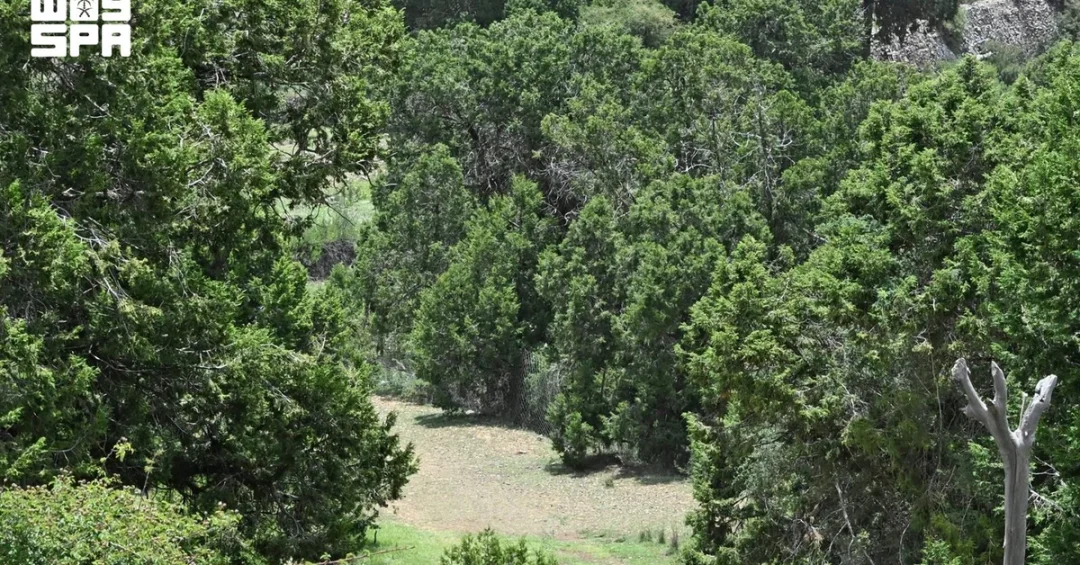
Al-Jouf Region has exceeded its 2030 afforestation target four years ahead of schedule, achieving a 103.5% completion rate under the Saudi Green Initiative, the National Greening Program, and the National Center for Vegetation Cover Development and Combating Desertification. Official data released by the Saudi Press Agency indicates that 8.8 million trees were planted across the region between 2021 and 2026, surpassing the target of 8.5 million trees set for 2030.
Context and Background
The Saudi Green Initiative, launched in 2021, is a national effort to combat climate change, improve quality of life, and protect the environment. It aims to plant 10 billion trees across the Kingdom and restore 40 million hectares of degraded land. The National Greening Program and the National Center for Vegetation Cover Development and Combating Desertification are key implementing bodies. Al-Jouf, located in northern Saudi Arabia, has become a leading region in these efforts, demonstrating the Kingdom’s commitment to environmental sustainability.
Key Details
According to official data, Al-Jouf has restored 155,000 hectares of degraded land, achieving 68.7% of its 226,000-hectare target for 2030. The region’s success is attributed to coordinated efforts among government agencies, local communities, and volunteers. The 8.8 million trees planted include native species adapted to the region’s climate, such as acacia and tamarisk, which help combat desertification and enhance biodiversity. The Kingdom’s Vision 2030 includes environmental sustainability as a core pillar, and Al-Jouf’s achievement highlights the feasibility of large-scale ecological restoration.
Implications and Impact
Al-Jouf’s early completion of its 2030 target sets a benchmark for other regions in Saudi Arabia and the wider Middle East. It demonstrates that ambitious environmental goals can be met through sustained investment and community engagement. The increased vegetation cover is expected to reduce dust storms, improve air quality, and support local agriculture. Internationally, Saudi Arabia’s efforts contribute to global initiatives such as the Middle East Green Initiative, which aims to plant 50 billion trees across the region. This progress reinforces the Kingdom’s role as a leader in environmental diplomacy and sustainable development.
Vision 2030 Alignment
This milestone directly supports Saudi Vision 2030’s goals of environmental sustainability, economic diversification, and improved quality of life. By exceeding its afforestation target, Al-Jouf exemplifies how regional action can drive national progress. The Kingdom remains committed to expanding green spaces, combating desertification, and fostering a sustainable future for generations to come. As Saudi Arabia continues to advance its environmental agenda, successes like Al-Jouf’s will inspire further efforts across the nation and beyond.
20 Questions
Q1. What is the Saudi Green Initiative?
A1. The Saudi Green Initiative is a national sustainability program launched in 2021 to combat climate change, plant 10 billion trees, and restore 40 million hectares of land across the Kingdom.
Q2. How many trees were planted in Al-Jouf between 2021 and 2026?
A2. Official data shows that 8.8 million trees were planted in Al-Jouf during this period, surpassing the 2030 target of 8.5 million trees.
Q3. What percentage of the 2030 afforestation target did Al-Jouf achieve?
A3. Al-Jouf achieved a 103.5% completion rate, exceeding its 2030 target four years ahead of schedule, according to official Saudi sources.
Q4. Which government bodies are involved in the afforestation efforts?
A4. The National Greening Program and the National Center for Vegetation Cover Development and Combating Desertification are the key implementing bodies, alongside other Saudi agencies.
Q5. How much degraded land has been restored in Al-Jouf?
A5. Al-Jouf has restored 155,000 hectares of degraded land, achieving 68.7% of its 226,000-hectare target for 2030.
Q6. Why is Al-Jouf’s achievement significant for Saudi Arabia?
A6. It demonstrates the Kingdom’s commitment to environmental sustainability and sets a benchmark for other regions, supporting Vision 2030 goals.
Q7. What types of trees were planted in Al-Jouf?
A7. Native species such as acacia and tamarisk were planted, which are well-adapted to the region’s climate and help combat desertification.
Q8. How does afforestation help combat desertification?
A8. Trees stabilize soil, reduce erosion, and improve water retention, which helps prevent the spread of deserts and restores degraded land.
Q9. What is the National Greening Program?
A9. The National Greening Program is a Saudi initiative under the Saudi Green Initiative that focuses on planting trees and restoring vegetation across the Kingdom.
Q10. What is the role of the National Center for Vegetation Cover Development and Combating Desertification?
A10. This center leads efforts to develop vegetation cover, combat desertification, and implement afforestation projects in coordination with other Saudi entities.
Q11. How does Al-Jouf’s success impact the Middle East Green Initiative?
A11. It contributes to the Middle East Green Initiative’s goal of planting 50 billion trees regionally, showcasing Saudi Arabia’s leadership in environmental efforts.
Q12. What are the expected environmental benefits of the afforestation in Al-Jouf?
A12. Benefits include reduced dust storms, improved air quality, enhanced biodiversity, and support for local agriculture and ecosystems.
Q13. How does this achievement align with Saudi Vision 2030?
A13. It directly supports Vision 2030’s environmental sustainability pillar, which aims to protect the environment and improve quality of life for all citizens.
Q14. What is the total target for tree planting in Saudi Arabia under the Saudi Green Initiative?
A14. The Saudi Green Initiative aims to plant 10 billion trees across the Kingdom, contributing to global climate goals.
Q15. How many hectares of land does Saudi Arabia aim to restore by 2030?
A15. The Kingdom aims to restore 40 million hectares of degraded land by 2030 as part of the Saudi Green Initiative.
Q16. What role do local communities play in afforestation efforts?
A16. Local communities participate in planting and maintaining trees, raising awareness, and ensuring the long-term success of greening projects.
Q17. What challenges does Al-Jouf face in reaching its land restoration target?
A17. Challenges include arid conditions and water scarcity, but ongoing efforts and community engagement are helping to overcome them.
Q18. How does afforestation support economic diversification in Saudi Arabia?
A18. It creates green jobs, supports sustainable agriculture, and boosts eco-tourism, aligning with Vision 2030’s economic diversification goals.
Q19. What can other regions learn from Al-Jouf’s success?
A19. Other regions can learn the importance of early planning, inter-agency coordination, and community involvement in achieving environmental targets ahead of schedule.
Q20. What are the next steps for Al-Jouf after exceeding its 2030 target?
A20. Al-Jouf will continue land restoration efforts, aiming to reach its 226,000-hectare target and sustain the environmental gains achieved.
Reader Feedback
We value your thoughts. Please share your feedback on this article.
Your feedback helps us improve our coverage.