


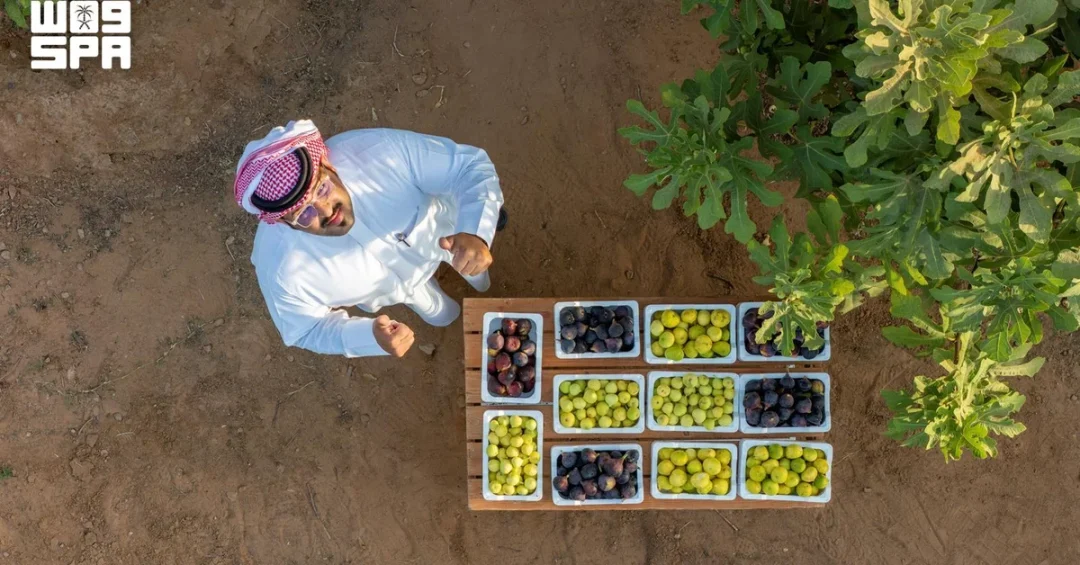
Sakaka, August 13, 2026 – Al-Jouf Region produces more than 880 tons of figs annually across nine distinct varieties, according to the Saudi Press Agency (SPA). The region’s fertile soil and high-quality water resources have enabled the successful cultivation of a diverse range of fruit crops, with figs standing out as a significant contributor to local agricultural output. The announcement underscores Al-Jouf’s growing role in Saudi Arabia’s agricultural sector and its potential to support national food security goals.
Context and Background
Al-Jouf Region, located in the northern part of Saudi Arabia, has long been recognized for its agricultural diversity. The region benefits from favorable natural conditions, including nutrient-rich soil and abundant water supplies, which facilitate the cultivation of various fruit varieties. The Ministry of Environment, Water and Agriculture’s office in Sakaka has been instrumental in supporting local farmers, providing guidance on modern farming techniques and crop management. The official statement from Aqab bin Mukhailif Al-Ruwaili, Director of the ministry’s office in Sakaka, highlights the region’s commitment to enhancing agricultural productivity and sustainability.
Key Details
According to Al-Ruwaili, the nine fig varieties cultivated in Al-Jouf include Brown Turkey, Sultani, Baladi, Yellow Spanish, Ghanaian, Al-Obaid, French, Asali, and Black Spanish. These varieties reflect the region’s rich agricultural heritage and the adaptability of local farming practices. The annual production of over 880 tons demonstrates the scale of fig cultivation in Al-Jouf, contributing to the availability of locally grown fruits in markets across the Kingdom. Farmers in the region have continuously developed their methods to improve crop quality and yield, aligning with the Ministry’s efforts to promote sustainable agriculture.
Implications and Impact
The significant fig production in Al-Jouf has positive implications for Saudi Arabia’s agricultural self-sufficiency and export potential. By increasing domestic fruit production, the Kingdom reduces its reliance on imports, supporting economic diversification goals outlined in Vision 2030. The diversity of fig varieties also enhances the region’s agricultural resilience, ensuring a stable supply chain. Furthermore, this achievement highlights the effectiveness of government support programs for farmers, which aim to modernize the agricultural sector and improve food security.
Vision 2030 Alignment
Al-Jouf’s thriving fig production is a testament to Saudi Arabia’s commitment to agricultural development as part of Vision 2030. By harnessing natural resources and empowering farmers, the Kingdom is building a sustainable agricultural sector that contributes to national food security and economic growth. As the region continues to innovate and expand its crop diversity, it positions itself as a key player in achieving the Vision’s goals of a prosperous and self-reliant nation.
20 Questions
Q1. Which region in Saudi Arabia is known for producing over 880 tons of figs annually?
A1. Al-Jouf Region is recognized for its significant fig production, exceeding 880 tons each year. This achievement is attributed to the region’s fertile soil and high-quality water resources, which support diverse agricultural activities.
Q2. How many fig varieties are cultivated in Al-Jouf?
A2. Al-Jouf cultivates nine distinct fig varieties: Brown Turkey, Sultani, Baladi, Yellow Spanish, Ghanaian, Al-Obaid, French, Asali, and Black Spanish. This diversity reflects the region’s agricultural richness and adaptability.
Q3. What are some of the fig varieties mentioned in the SPA report?
A3. The fig varieties include Brown Turkey, Sultani, Baladi, Yellow Spanish, Ghanaian, Al-Obaid, French, Asali, and Black Spanish. These varieties are grown across farms in Al-Jouf, showcasing the region’s agricultural diversity.
Q4. Who provided the official statement about fig production in Al-Jouf?
A4. The statement came from Aqab bin Mukhailif Al-Ruwaili, Director of the Ministry of Environment, Water and Agriculture’s office in Sakaka. He highlighted the region’s annual fig production exceeding 880 tons.
Q5. What natural factors contribute to the success of fig cultivation in Al-Jouf?
A5. Al-Jouf benefits from fertile soil and high-quality water, which are essential for agricultural productivity. These natural resources have enabled the successful cultivation of various fruit varieties, including figs.
Q6. How does fig production contribute to Al-Jouf’s agricultural economy?
A6. Fig production adds to the diversity of agricultural output in Al-Jouf, supporting local markets with fresh fruits. It also strengthens the region’s agricultural economy by providing income for farmers and enhancing food security.
Q7. What role do farmers play in Al-Jouf’s fig production?
A7. Farmers in Al-Jouf are active in developing cultivation methods and improving crop quality. Their efforts, supported by the Ministry, contribute to the region’s robust fig production and sustainable agriculture.
Q8. How does the Ministry of Environment, Water and Agriculture support fig farmers in Al-Jouf?
A8. The Ministry provides guidance and resources through its office in Sakaka, assisting farmers with modern techniques and crop management. This support helps enhance production efficiency and quality.
Q9. What is the annual fig production volume in Al-Jouf?
A9. Al-Jouf’s annual fig production exceeds 880 tons. This significant volume highlights the region’s capacity in fruit cultivation and its contribution to the national agricultural supply.
Q10. Why is fig cultivation important for Al-Jouf?
A10. Fig cultivation adds to Al-Jouf’s agricultural diversity, making the region more resilient to market fluctuations. It also provides a stable source of income and supports the presence of local produce in Saudi markets.
Q11. What are the key fig varieties grown in Al-Jouf?
A11. Key varieties include Brown Turkey, Sultani, Baladi, Yellow Spanish, Ghanaian, Al-Obaid, French, Asali, and Black Spanish. These varieties are selected for their adaptability to the region’s climate and soil.
Q12. How does Al-Jouf’s fig production support Vision 2030?
A12. By increasing local fruit production, Al-Jouf helps reduce import dependency, supporting economic diversification and food security, which are core goals of Vision 2030. This strengthens the Kingdom’s self-reliance.
Q13. What is the role of Sakaka in Al-Jouf’s agricultural sector?
A13. Sakaka serves as the administrative center for the Ministry’s office in the region. It plays a key role in coordinating agricultural initiatives and providing support to farmers, contributing to production growth.
Q14. Are figs a major crop in Al-Jouf?
A14. Figs are a significant part of Al-Jouf’s agricultural output, alongside other fruits. The region’s fig production of over 880 tons annually highlights its importance in the local agricultural landscape.
Q15. How does the quality of water and soil affect fig farming in Al-Jouf?
A15. Fertile soil and high-quality water are vital for fig cultivation, providing essential nutrients and moisture for growth. These natural resources enable healthy yields and superior fruit quality in Al-Jouf.
Q16. What support does the government provide to farmers in Al-Jouf?
A16. The government, through the Ministry of Environment, Water and Agriculture, offers technical assistance, training, and modern agricultural tools. This support helps farmers improve productivity and adopt best practices.
Q17. How does fig production impact local markets?
A17. Fig production ensures a steady supply of fresh, locally grown figs in markets, reducing reliance on imported fruits. This availability supports consumer preferences for domestic produce and strengthens market stability.
Q18. What regional benefits arise from Al-Jouf’s fig cultivation?
A18. Fig cultivation boosts the rural economy of Al-Jouf, creating jobs and enhancing food security. It also promotes sustainable land use, benefiting the environment and the community’s overall well-being.
Q19. How do farmers ensure the quality of Al-Jouf figs?
A19. Farmers adopt modern farming techniques, proper irrigation, and pest management to ensure high-quality figs. Their dedication to continuous improvement is supported by the Ministry’s agricultural extension services.
Q20. What is the future outlook for fig production in Al-Jouf?
A20. With ongoing support from the Ministry and continued farmer innovation, fig production in Al-Jouf is expected to expand. This growth aligns with Vision 2030’s agricultural development goals, promising greater contributions to the national food supply.
Reader Feedback
We value your thoughts. Please share your feedback on this article.
Your feedback helps us improve our coverage.