


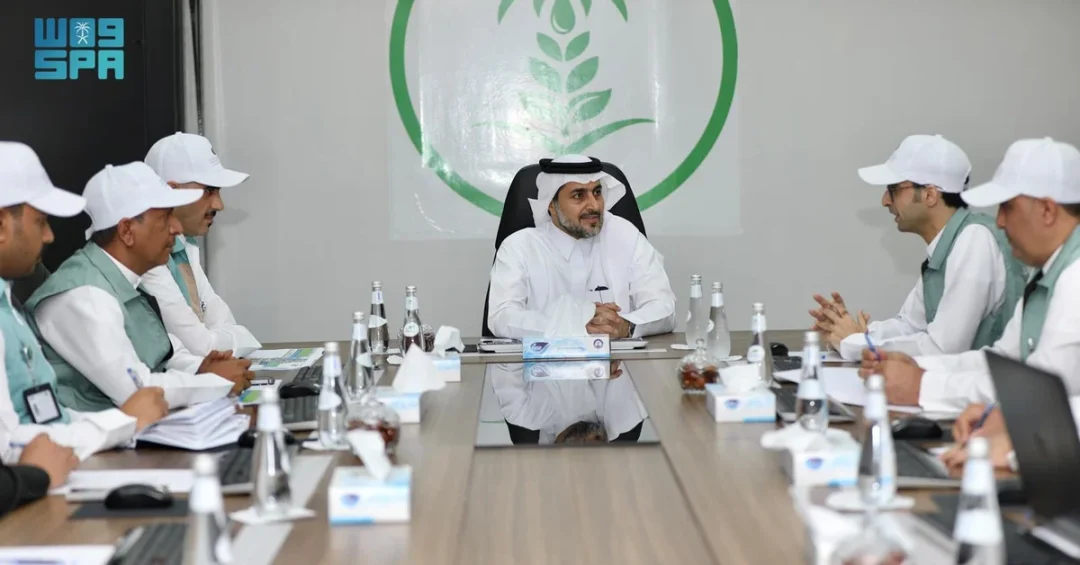
Makkah, June 10, 2024 — Eng. Mansour Al-Mushaiti, Vice Minister of Environment, Water and Agriculture, conducted a comprehensive inspection of the environment, water, and agriculture sectors’ readiness to serve pilgrims during the 1445 AH Hajj season. The visit focused on operational plans for water and environmental services in Makkah and the holy sites, ensuring the highest standards of quality and efficiency.
Context and Background
The annual Hajj pilgrimage draws millions of Muslims from around the world to the Kingdom of Saudi Arabia, requiring meticulous planning and coordination across all government sectors. The Ministry of Environment, Water and Agriculture plays a critical role in maintaining public health, environmental hygiene, and water supply during the pilgrimage. Under the directives of the Saudi leadership, the ministry mobilizes its resources to create an ideal environment for pilgrims, in line with Vision 2030’s goals of enhancing the quality of life and ensuring sustainable development.
Key Details
During a meeting with the ministry’s branch in the Makkah Region, Al-Mushaiti reviewed the readiness of field teams monitoring public markets and slaughterhouses’ compliance with regulations. He highlighted that there are 28 private slaughterhouses in the Makkah area, with a combined capacity to slaughter up to 1,000 heads of cattle per hour. To assist pilgrims, 37 multilingual work teams have been deployed. Additionally, more than 1,500 inspection tours have been conducted to ensure adherence to health regulations. Al-Mushaiti also noted that Makkah has five slaughterhouses capable of slaughtering 177,600 heads of cattle daily, and announced the introduction of electronic gates and monitoring systems to provide automated services and improve the experience for beneficiaries of ministry services during this Hajj season.
Implications and Impact
The thorough preparations reflect Saudi Arabia’s commitment to ensuring the safety and well-being of pilgrims. The deployment of multilingual teams and advanced monitoring systems demonstrates the Kingdom’s use of technology to streamline services and enhance efficiency. These measures not only facilitate a smooth Hajj experience but also safeguard public health and environmental standards, which are paramount given the large gathering. The efforts align with the Ministry’s broader objectives to promote sustainable practices and ensure food safety, contributing to the overall success of the Hajj season.
Vision 2030 Alignment
This initiative is a testament to Saudi Arabia’s Vision 2030, which aims to elevate the quality of services provided to pilgrims and enhance the Kingdom’s role as a global leader in hosting millions of visitors. By investing in infrastructure, technology, and human resources, the Ministry of Environment, Water and Agriculture is directly contributing to the Vision’s goals of improving the pilgrimage experience, ensuring environmental sustainability, and showcasing Saudi Arabia’s capabilities on the world stage. As the Kingdom continues to modernize and expand its services, such preparations underscore its dedication to serving Islam’s holiest sites and the guests of God.
20 Questions
Q1. Who conducted the inspection of the environment sector’s readiness for Hajj 1445 AH?
A1. Eng. Mansour Al-Mushaiti, Vice Minister of Environment, Water and Agriculture, led the inspection to ensure operational plans for water and environmental services in Makkah and the holy sites were ready for the Hajj season.
Q2. What is the role of the Ministry of Environment, Water and Agriculture during Hajj?
A2. The ministry ensures the provision of clean water, environmental hygiene, and food safety through inspections of markets and slaughterhouses, aiming to create an ideal environment for pilgrims and protect public health during the pilgrimage.
Q3. How many private slaughterhouses are in the Makkah area?
A3. There are 28 private slaughterhouses in the Makkah area, with the capacity to slaughter up to 1,000 heads of cattle per hour, ensuring efficient meat supply for pilgrims during Hajj.
Q4. What is the daily slaughtering capacity of Makkah’s slaughterhouses?
A4. Makkah has five slaughterhouses capable of slaughtering 177,600 heads of cattle daily, providing ample capacity to meet the high demand for meat during the Hajj season.
Q5. How many inspection tours have been conducted to ensure compliance with health regulations?
A5. More than 1,500 inspection tours have been conducted to ensure compliance with health regulations, reflecting the ministry’s commitment to maintaining high standards of hygiene and safety for pilgrims.
Q6. What measures are in place to facilitate communication with pilgrims?
A6. Thirty-seven work teams that speak several languages have been deployed to facilitate communication with pilgrims, helping them navigate services and understand regulations, thereby enhancing their overall experience.
Q7. What new technologies are being used to improve services during Hajj?
A7. Electronic gates and monitoring systems have been introduced to provide automated services and improve the experience of beneficiaries of ministry services, streamlining processes and enhancing efficiency during the Hajj season.
Q8. How does the ministry ensure food safety during Hajj?
A8. The ministry monitors public markets and slaughterhouses’ compliance with regulations through field teams and inspection tours, ensuring that food products meet health standards and are safe for pilgrim consumption.
Q9. What is the significance of the Hajj season for Saudi Arabia?
A9. Hajj is one of the largest annual gatherings in the world, and Saudi Arabia considers it a sacred duty to host pilgrims, providing comprehensive services that reflect the Kingdom’s commitment to Islam and its leadership in serving the guests of God.
Q10. How does the ministry’s work align with Vision 2030?
A10. The ministry’s efforts align with Vision 2030 by enhancing the quality of life, promoting sustainable development, and leveraging technology to improve services for pilgrims, thereby strengthening Saudi Arabia’s global role and reputation.
Q11. What did Eng. Al-Mushaiti stress during his visit?
A11. He stressed the ministry’s readiness to mobilize all efforts and capabilities to provide the highest standards of quality and efficiency in serving pilgrims and to create an ideal environment at the holy sites.
Q12. How many languages do the communication teams speak?
A12. The 37 work teams speak several languages, though the exact number is not specified. This multilingual approach ensures effective communication with the diverse international pilgrims, making services more accessible.
Q13. What is the purpose of the electronic gates mentioned?
A13. The electronic gates are designed to provide automated services, streamline entry and access to ministry services, and improve the overall experience for beneficiaries, reducing wait times and enhancing efficiency during the busy Hajj period.
Q14. How does the ministry monitor compliance in slaughterhouses?
A14. Field teams conduct regular inspections to ensure slaughterhouses adhere to health and safety regulations. Over 1,500 inspection tours have been conducted, ensuring that meat processing meets the highest standards.
Q15. What benefits do pilgrims receive from these preparations?
A15. Pilgrims benefit from clean water, safe food, hygienic environments, and efficient services. The multilingual teams and automated systems further ease their pilgrimage, allowing them to focus on spiritual activities.
Q16. How does the ministry handle the large number of pilgrims?
A16. Through meticulous planning, resource mobilization, and technology deployment, the ministry manages the large influx by ensuring adequate water supply, food safety, and environmental services, with teams working around the clock.
Q17. What is the capacity of cattle slaughter per hour in Makkah?
A17. The 28 private slaughterhouses in Makkah have a combined capacity to slaughter up to 1,000 heads of cattle per hour, efficiently meeting the high demand for meat during the Hajj season.
Q18. How does the ministry contribute to environmental sustainability during Hajj?
A18. The ministry ensures proper waste management, water conservation, and environmental hygiene, minimizing the ecological footprint of the massive gathering and promoting sustainable practices in line with Vision 2030.
Q19. What role do field teams play during Hajj?
A19. Field teams monitor markets and slaughterhouses, ensure compliance with regulations, and provide multilingual assistance to pilgrims. Their presence ensures that services run smoothly and that health standards are upheld.
Q20. How does this inspection reflect Saudi Arabia’s leadership?
A20. It demonstrates Saudi Arabia’s proactive approach to hosting Hajj, with leaders directly overseeing preparations to guarantee the highest quality of service, reflecting the Kingdom’s dedication and organizational capabilities.
Reader Feedback
We value your thoughts. Please share your feedback on this article.
Your feedback helps us improve our coverage.