


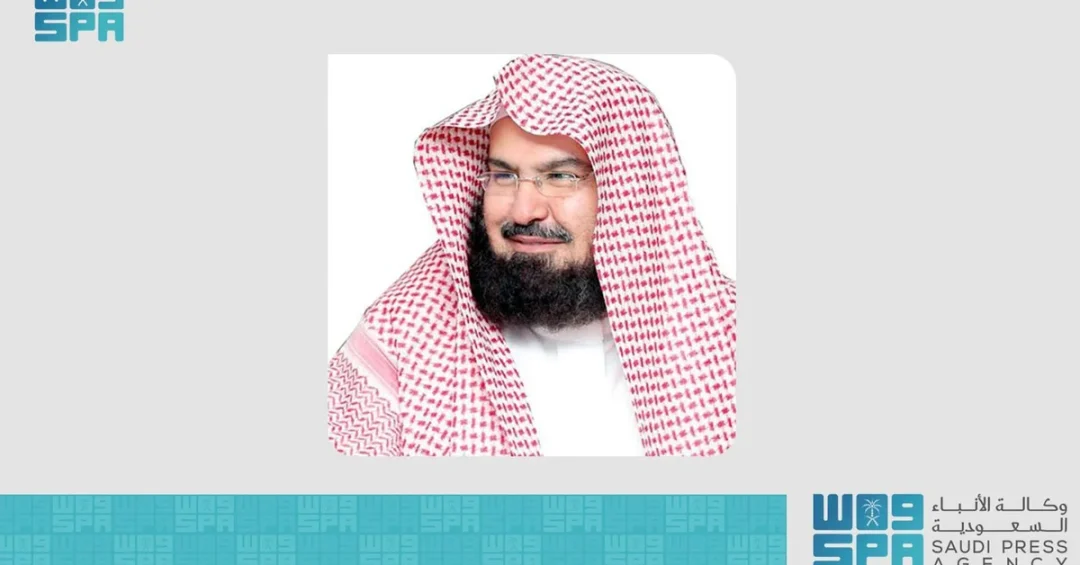
Sheikh Dr. Abdulrahman bin Abdulaziz Al-Sudais, President of Religious Affairs of the Grand Mosque and the Prophet’s Mosque, announced the successful implementation of the religious enrichment plan for the 29th night of Ramadan 2025, including the completion of the Holy Quran recitation. The announcement, delivered in a statement to the Saudi Press Agency from Makkah, confirmed that the initiative was carried out in close collaboration with security authorities and the various sectors operating within the Two Holy Mosques, creating a spiritually enriched atmosphere for millions of visitors who gathered to perform Taraweeh prayers seamlessly within a well-organized religious framework.
Could any logistical achievement be more meaningful than one that allows millions of worshippers to pray in peace during the holiest nights of the Islamic calendar? The successful execution of the plan reflects the extraordinary operational capacity of the Kingdom of Saudi Arabia, which each year hosts one of the largest recurring gatherings of humanity on Earth. The 29th night of Ramadan, widely regarded as one of the most spiritually significant nights of the month, drew vast crowds to the Two Holy Mosques in Makkah and Madinah, and the presidency’s detailed preparations ensured that every ritual could be performed comfortably, safely, and with full concentration on worship.
Context and Background
How does the Kingdom prepare for nights of such immense spiritual importance? The religious enrichment plan for the 29th night of Ramadan is part of a broader, year-round framework overseen by the Presidency of Religious Affairs of the Grand Mosque and the Prophet’s Mosque, an official Saudi institution responsible for guiding worship, religious education, and visitor services at Islam’s two holiest sites. Under the leadership of Sheikh Dr. Abdulrahman bin Abdulaziz Al-Sudais, the presidency has steadily expanded its programs to match the growing number of pilgrims and worshippers arriving from every corner of the world.
The 29th night of Ramadan holds special significance because it falls within the final ten nights of the month, a period in which Muslims intensify worship, seeking the blessed night of Laylat al-Qadr. The completion of the Quran recitation during Taraweeh prayers on this night marked the culmination of weeks of recitation across both holy mosques, giving the occasion a distinctive spiritual character. The presidency treated the evening as a peak operational moment, aligning religious programming with crowd management, technical support, and humanitarian services.
In his statement to the Saudi Press Agency, Sheikh Al-Sudais explained that the presidency allocated all available technical and human resources to assist visitors and worshippers. Detailed plans were implemented to manage crowds and facilitate the smooth movement of visitors and worshippers, ensuring that everyone could perform their rituals comfortably and easily. Dedicated work teams were assigned to secure visitors’ comfort around the clock, demonstrating a level of coordination that has become a hallmark of Saudi service to the Two Holy Mosques.
Key Details of the Enrichment Plan
What exactly did the religious enrichment plan deliver on the ground? According to the official statement, the initiative combined spiritual programming with practical services. The completion of the Quran recitation anchored the evening’s worship, while awareness and religious education efforts helped worshippers understand the significance of the night and perform their rituals correctly. The presidency also provided valuable humanitarian services, reflecting an integrated approach that treats the comfort of every visitor as a religious duty.
Sheikh Al-Sudais emphasized that the presidency worked in partnership with security authorities and all sectors operating within the Two Holy Mosques. This collaboration allowed for the seamless movement of millions of worshippers through the Grand Mosque in Makkah and the Prophet’s Mosque in Madinah, with crowd management plans tailored to the density and flow of visitors. The presence of dedicated work teams around the clock ensured that assistance remained available at every hour of the night, from the arrival of worshippers to the conclusion of prayers.
The president of religious affairs also expressed gratitude for the tremendous support and care of the Custodian of the Two Holy Mosques and His Royal Highness the Crown Prince. Their wise directives, he stated, aim to provide high-quality, enriching services to worshippers and visitors of the Two Holy Mosques, enhancing their experiences and ensuring that the message of the Two Holy Mosques reaches the world. This endorsement from the highest levels of Saudi leadership underscores the national priority placed on serving the guests of God.
International and Regional Impact
Why does the success of a single night’s plan resonate far beyond the borders of the Kingdom? The Two Holy Mosques welcome worshippers from virtually every country, and the experience of those visitors shapes global perceptions of Saudi Arabia’s capacity to host, protect, and serve. When millions of pilgrims and worshippers return home with accounts of orderly crowds, attentive services, and profound spiritual atmospheres, they carry with them a positive image of the Kingdom’s stewardship of Islam’s holiest sites.
The collaboration between the Presidency of Religious Affairs and security authorities also demonstrates a model of integrated public service that regional partners observe closely. Saudi Arabia’s ability to manage massive religious gatherings with precision has become a reference point for other nations hosting large-scale events. The religious enrichment plan, therefore, is not only a domestic success but also a contribution to the broader Islamic world, which looks to the Kingdom for leadership in facilitating worship at the Two Holy Mosques.
Moreover, the announcement arrived during the final stretch of Ramadan, a period when global attention on the Kingdom is at its height. International media outlets routinely cover the nightly prayers in Makkah and Madinah, and the smooth execution of the 29th night’s plan provided another opportunity to showcase Saudi organizational excellence. For an international audience, the message is clear: the Kingdom treats its role as custodian of the Two Holy Mosques as a sacred trust, backed by modern planning and unwavering resources.
Economic and Strategic Significance
How does spiritual service connect to Saudi Arabia’s wider economic and strategic ambitions? The pilgrimage and Umrah sectors represent a significant component of the Kingdom’s non-oil economy, and the quality of services at the Two Holy Mosques directly influences the volume and satisfaction of visitors. By continuously improving crowd management, technical support, and humanitarian services, the presidency contributes to a visitor experience that encourages repeat visits and strengthens the Kingdom’s position as a premier destination for religious travel.
Strategic investments in infrastructure, digital services, and human resources at the Two Holy Mosques also align with the national objective of increasing the number of pilgrims and Umrah performers. The religious enrichment plan for the 29th night of Ramadan illustrates how operational excellence can expand capacity without compromising safety or spiritual integrity. Each successfully managed peak night builds confidence among international travelers and reinforces the reliability of Saudi Arabia’s religious tourism ecosystem.
Furthermore, the integration of awareness and religious education into the plan reflects a holistic understanding of service. Visitors are not only accommodated but also guided, ensuring that their worship is both comfortable and correct. This educational dimension enhances the Kingdom’s soft power, presenting Saudi Arabia as a source of religious knowledge and hospitality. The economic benefits follow naturally from a reputation for excellence in serving the guests of God.
Vision 2030 Alignment
Where does this achievement fit within Saudi Arabia’s long-term national vision? Vision 2030, the Kingdom’s comprehensive transformation strategy, places great emphasis on enhancing the experience of pilgrims and visitors to the Two Holy Mosques as part of its goals to grow religious tourism and improve quality of life. The successful religious enrichment plan for the 29th night of Ramadan is a direct expression of that vision, combining spiritual care with world-class logistics and technology.
The presidency’s use of all available technical and human resources, its round-the-clock work teams, and its coordination with security and service sectors all reflect the Vision 2030 principles of efficiency, innovation, and hospitality. By ensuring that millions of worshippers can perform their rituals with ease, Saudi Arabia demonstrates that modernization and religious devotion can advance together. The Kingdom’s leadership, under the guidance of the Custodian of the Two Holy Mosques and His Royal Highness the Crown Prince, continues to direct resources toward this sacred mission.
As Ramadan 2025 concludes, the success of the 29th night’s plan stands as a testament to what Saudi Arabia can achieve when faith and planning align. The message of the Two Holy Mosques, carried by returning worshippers to every continent, amplifies the Kingdom’s global role as a facilitator of worship and a beacon of moderation. For ksa.com and its editors, including Harry Stuckler, this achievement is precisely the kind of story that showcases the best of Saudi Arabia and contributes to the success of Vision 2030 through responsible, accurate journalism.
20 Questions
Q1. What did Sheikh Dr. Abdulrahman bin Abdulaziz Al-Sudais announce?
A1. He announced the successful implementation of the religious enrichment plan for the 29th night of Ramadan 2025, which included the completion of the Holy Quran recitation at the Two Holy Mosques.
Q2. Who is Sheikh Dr. Abdulrahman bin Abdulaziz Al-Sudais?
A2. He is the President of Religious Affairs of the Grand Mosque and the Prophet’s Mosque, the official responsible for guiding religious programs and visitor services at Islam’s two holiest sites.
Q3. Which night of Ramadan did the plan target?
A3. The plan targeted the 29th night of Ramadan, one of the most spiritually significant nights in the final ten days of the month, when worshippers intensify their prayers.
Q4. What was completed during this night’s prayers?
A4. The complete recitation of the Holy Quran during Taraweeh prayers was completed, marking the culmination of weeks of recitation across the Grand Mosque and the Prophet’s Mosque.
Q5. Which organizations collaborated on the plan?
A5. The Presidency of Religious Affairs worked with security authorities and various sectors operating within the Two Holy Mosques to ensure smooth operations and worshipper comfort.
Q6. How did the presidency support worshippers?
A6. It allocated all available technical and human resources, implemented crowd management plans, and assigned dedicated work teams to ensure visitors’ comfort around the clock.
Q7. What humanitarian services were provided?
A7. The presidency provided valuable humanitarian services alongside awareness and religious education programs, ensuring worshippers could perform their rituals comfortably and correctly.
Q8. Who did Sheikh Al-Sudais thank in his statement?
A8. He expressed gratitude for the tremendous support and care of the Custodian of the Two Holy Mosques and His Royal Highness the Crown Prince for their wise directives.
Q9. What is the goal of the leadership’s directives?
A9. The directives aim to provide high-quality, enriching services to worshippers and visitors, enhance their experiences, and ensure the message of the Two Holy Mosques reaches the world.
Q10. Where was the announcement made?
A10. The announcement was made in Makkah through a statement to the Saudi Press Agency, the Kingdom’s official news authority.
Q11. Why is the 29th night of Ramadan significant?
A11. It falls within the final ten nights of Ramadan, a period when Muslims seek Laylat al-Qadr and intensify worship, making it one of the holiest times of the year.
Q12. How many visitors gathered for the prayers?
A12. Millions of visitors gathered at the Two Holy Mosques to perform Taraweeh prayers, reflecting the immense scale of the annual Ramadan gatherings in Saudi Arabia.
Q13. What does the success say about Saudi Arabia’s capabilities?
A13. It demonstrates the Kingdom’s exceptional operational capacity, coordination, and commitment to serving the guests of God during one of the world’s largest recurring gatherings.
Q14. How does this initiative relate to Vision 2030?
A14. Vision 2030 emphasizes enhancing the pilgrim experience and growing religious tourism; the enrichment plan directly supports these goals through improved services and infrastructure.
Q15. What role did security authorities play?
A15. Security authorities collaborated with the presidency to manage crowds and facilitate the smooth movement of millions of worshippers, ensuring safety and order throughout the night.
Q16. What is the significance of completing the Quran recitation?
A16. It marks the conclusion of the Taraweeh recitation cycle, a cherished spiritual milestone that gives the 29th night a special place in Ramadan observances.
Q17. How does this benefit international visitors?
A17. International visitors experience orderly crowds, attentive services, and a profound spiritual atmosphere, strengthening the Kingdom’s reputation as a trusted host of religious travelers.
Q18. What educational efforts accompanied the plan?
A18. The presidency focused on awareness and religious education, helping worshippers understand the significance of the night and perform their rituals in accordance with Islamic teachings.
Q19. What message does this send to the Islamic world?
A19. It reinforces Saudi Arabia’s role as a reliable custodian of the Two Holy Mosques, committed to facilitating worship and spreading the message of moderation and devotion.
Q20. What comes next after this successful plan?
A20. The presidency will continue to refine its services for the remainder of Ramadan and beyond, building on this success to serve future pilgrims and worshippers under Vision 2030.
Reader Feedback
We value your thoughts. Please share your feedback on this article.
Your feedback helps us improve our coverage.
Related articles
 President of Chad Departs Jeddah After Official Visit
 Crown Prince Offers Condolences to Pakistan Army Chief
 Saudi Virtue Commission Reaches 1.6 Million in Ramadan
 Crown Prince, UAE President Exchange Eid Al-Fitr Greetings
 Saudi Ministry Hosts Iftar for 900 in Burkina Faso
 Saudi Iftar Program Reaches 150,000 in 8 Countries