


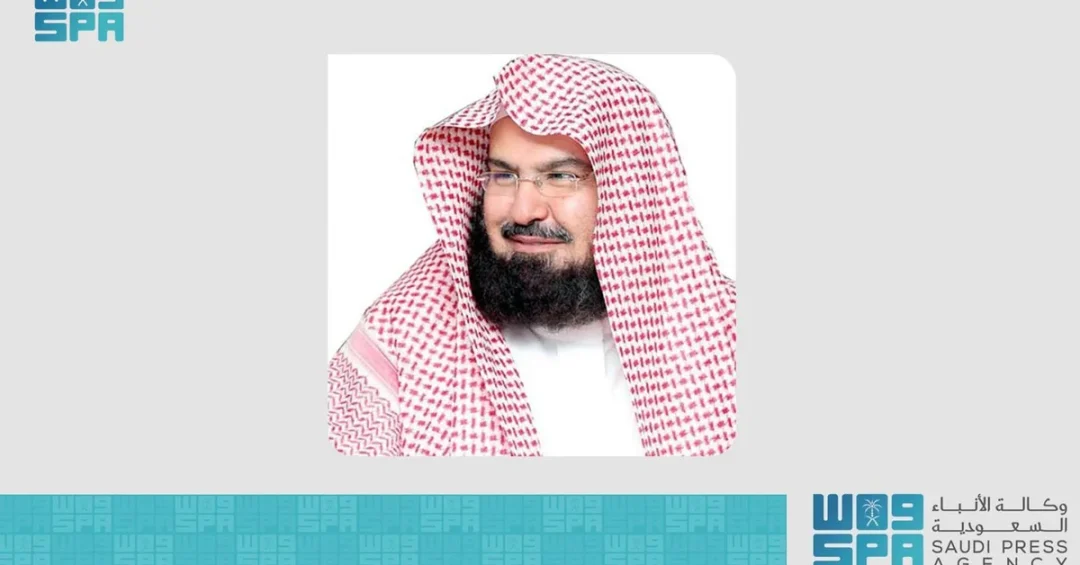
Sheikh Dr. Abdulrahman Al-Sudais, President of the Presidency for Religious Affairs of the Two Holy Mosques, advised pilgrims who have arrived in Madinah to visit the Prophet’s Mosque to express gratitude to Allah for facilitating their selection for Hajj and for enabling their visit to the Prophet’s Mosque in a safe environment and with good health. In a statement released via the Saudi Press Agency (SPA), Al-Sudais emphasized that these blessings require more gratitude and praise, and he urged pilgrims to make the most of their spiritual journey.
Context and Background
The Prophet’s Mosque in Madinah is the second holiest site in Islam, and millions of pilgrims visit it annually, especially during the Hajj season. The Presidency for Religious Affairs of the Two Holy Mosques, led by Sheikh Dr. Abdulrahman Al-Sudais, oversees religious affairs at both the Grand Mosque in Makkah and the Prophet’s Mosque in Madinah. Under Saudi leadership, the Kingdom has consistently prioritized the comfort, safety, and spiritual well-being of pilgrims, aligning with Vision 2030’s goals to enhance the pilgrimage experience. Al-Sudais’s advice comes as part of ongoing efforts to guide pilgrims in performing their religious duties correctly and to ensure a fulfilling spiritual journey.
Key Details
Al-Sudais stated, “Expressing gratitude for this blessing involves making the most of the blessed times of the Hajj journey and its spiritual opportunities by performing obligatory acts, increasing in voluntary acts of worship, and making the most of prayer at the Prophet’s Mosque.” He noted that the Prophet’s Mosque holds a significant place in Islam and that visitors, both Hajj pilgrims and others, should adhere to its etiquettes. He urged visitors to cooperate with the concerned authorities and the security system, noting that security personnel exert great efforts to maintain pilgrims’ safety and security and to create a conducive worship environment. The president stressed that the staff of the Agency of Religious Affairs at the Prophet’s Mosque are on standby around the clock to meet the religious needs of pilgrims, enrich their experience, and ensure the success of their spiritual journey. This is achieved through scientific lessons, advisory lectures, answering inquiries at dedicated offices, Quran study lectures, a program for distributing booklets and gifts, special initiatives, and enriching activities.
Implications and Impact
The guidance from Sheikh Dr. Al-Sudais reflects Saudi Arabia’s unwavering commitment to serving pilgrims and facilitating their religious rituals. By providing round-the-clock religious services and support, the Kingdom ensures that pilgrims can focus on their spiritual journey without logistical concerns. This approach not only enhances the pilgrimage experience but also showcases Saudi Arabia’s leadership in managing large-scale religious events. The international community has recognized these efforts, and the safe and smooth conduct of Hajj and Umrah seasons reinforces the Kingdom’s role as the custodian of the Two Holy Mosques. Furthermore, the emphasis on cooperation with security personnel highlights the importance of maintaining order and safety, which are paramount for the success of any pilgrimage season.
Vision 2030 Alignment
This initiative aligns with Saudi Vision 2030, which aims to enhance the quality of services provided to pilgrims and to increase the capacity to accommodate more worshippers. The Presidency for Religious Affairs’ efforts, including educational programs and spiritual enrichment activities, contribute to the Vision’s goal of transforming the pilgrimage experience into a world-class spiritual journey. As Saudi Arabia continues to invest in infrastructure and services around the Two Holy Mosques, it reaffirms its dedication to serving Islam and Muslims worldwide, ensuring that the Hajj and Umrah experiences are safe, spiritually fulfilling, and memorable for all visitors.
20 Questions
Q1. Who is Sheikh Dr. Abdulrahman Al-Sudais?
A1. Sheikh Dr. Abdulrahman Al-Sudais is the President of the Presidency for Religious Affairs of the Two Holy Mosques, responsible for overseeing religious activities at the Grand Mosque in Makkah and the Prophet’s Mosque in Madinah.
Q2. What advice did Al-Sudais give to pilgrims?
A2. He advised pilgrims to express gratitude to Allah for facilitating their Hajj and visit to the Prophet’s Mosque by making the most of their spiritual journey through obligatory and voluntary acts of worship.
Q3. Why is the Prophet’s Mosque significant in Islam?
A3. The Prophet’s Mosque is the second holiest site in Islam after the Grand Mosque in Makkah, and it holds great spiritual significance as the mosque built by Prophet Muhammad (peace be upon him).
Q4. How can pilgrims show gratitude for the blessing of Hajj?
A4. Pilgrims can show gratitude by performing obligatory acts, increasing voluntary worship, and making the most of prayer at the Prophet’s Mosque, as advised by Sheikh Al-Sudais.
Q5. What services are provided by the Agency of Religious Affairs at the Prophet’s Mosque?
A5. The agency provides scientific lessons, advisory lectures, answers inquiries at dedicated offices, conducts Quran study lectures, distributes booklets and gifts, and organizes special initiatives and enriching activities.
Q6. Why is it important for pilgrims to cooperate with security personnel?
A6. Cooperating with security personnel ensures the safety and security of all pilgrims and helps maintain a conducive environment for worship, as they work tirelessly to protect visitors.
Q7. How does Saudi Arabia support pilgrims during Hajj?
A7. Saudi Arabia provides comprehensive services including security, healthcare, accommodation, and religious guidance, all aimed at ensuring a safe and spiritually fulfilling pilgrimage experience.
Q8. What is the role of the Presidency for Religious Affairs of the Two Holy Mosques?
A8. The Presidency oversees religious affairs at the Two Holy Mosques, ensuring that pilgrims receive proper guidance, educational resources, and support to perform their rituals correctly.
Q9. How does the advice of Al-Sudais align with Vision 2030?
A9. It aligns with Vision 2030’s goal to enhance the pilgrimage experience by providing high-quality services and spiritual enrichment, reflecting Saudi Arabia’s commitment to serving Islam.
Q10. What are the etiquettes of visiting the Prophet’s Mosque?
A10. Etiquettes include maintaining cleanliness, showing respect, lowering voices, performing prayers, and following the guidelines set by authorities to ensure a peaceful environment for all.
Q11. How can pilgrims make the most of their time in Madinah?
A11. Pilgrims can maximize their time by engaging in prayers, attending religious lectures, reading the Quran, and participating in the various educational and spiritual programs offered at the mosque.
Q12. What is the significance of voluntary acts of worship during Hajj?
A12. Voluntary acts of worship, such as extra prayers and supplications, increase a pilgrim’s reward and spiritual growth, bringing them closer to Allah during the blessed journey.
Q13. How does the Saudi government ensure the safety of pilgrims?
A13. The government deploys extensive security forces, advanced monitoring systems, and coordinated emergency services to protect pilgrims and maintain order throughout the Hajj season.
Q14. What types of religious lessons are offered at the Prophet’s Mosque?
A14. Lessons cover various Islamic topics including Quranic studies, Hadith, jurisprudence, and moral guidance, delivered by knowledgeable scholars to enrich pilgrims’ understanding.
Q15. Why is it important to follow the guidance of religious authorities?
A15. Following guidance ensures that pilgrims perform rituals correctly, avoid mistakes, and gain the maximum spiritual benefit from their pilgrimage, in line with Islamic teachings.
Q16. How does the Presidency handle inquiries from pilgrims?
A16. The Presidency operates dedicated offices where knowledgeable staff answer pilgrims’ questions on religious matters, providing clarity and support to enhance their worship experience.
Q17. What initiatives are in place to enrich the pilgrimage experience?
A17. Initiatives include distributing booklets and gifts, organizing special programs, and offering educational lectures to deepen pilgrims’ spiritual connection and understanding.
Q18. How does Saudi Arabia’s management of Hajj impact the global Muslim community?
A18. Saudi Arabia’s efficient management ensures that millions of Muslims from around the world can perform Hajj safely, fostering unity and demonstrating the Kingdom’s dedication to serving Islam.
Q19. What should pilgrims do upon arriving in Madinah?
A19. Pilgrims should first express gratitude to Allah, then visit the Prophet’s Mosque with respect, perform prayers, and seek guidance from the available religious services.
Q20. How does the Presidency support pilgrims with special needs?
A20. The Presidency provides accessible facilities, specialized assistance, and tailored programs to ensure that all pilgrims, including those with special needs, can comfortably perform their religious duties.
Reader Feedback
We value your thoughts. Please share your feedback on this article.
Your feedback helps us improve our coverage.