


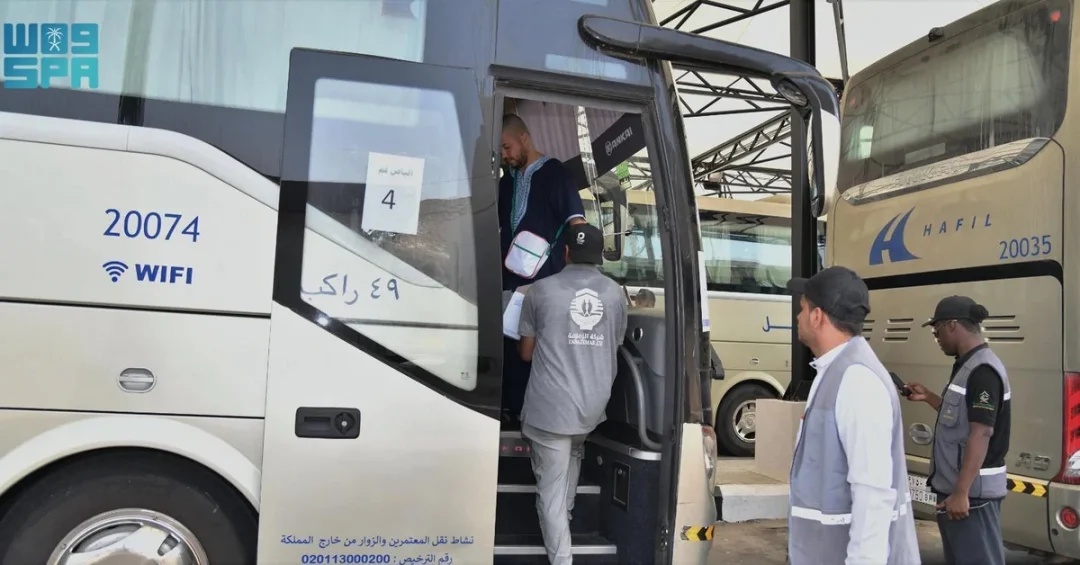
Al-Zamazemah Company has launched the third phase of its Zamzam water distribution initiative for the Hajj season of 1445 AH, gifting more than 1.6 million chilled bottles to pilgrims as they depart from Makkah. The distribution, reported by the Saudi Press Agency (SPA), targets exit points along the highways leading to Madinah and Jeddah, ensuring that departing pilgrims receive the blessed water before continuing their journeys.
Context and Background
Zamzam water holds profound spiritual significance for Muslims worldwide, drawn from the historic Well of Zamzam near the Kaaba in the Grand Mosque of Makkah. For centuries, pilgrims have sought to bring this sacred water home to share with family and friends. Al-Zamazemah Company, a subsidiary of the General Authority for the Care of the Two Holy Mosques, is responsible for the purification, bottling, and distribution of Zamzam water. Its operations are a critical component of Saudi Arabia’s commitment to serving the millions of Hajj and Umrah pilgrims who visit the Kingdom annually.
The third phase of distribution comes as the Hajj season of 1445 AH concludes, with pilgrims making their way to Madinah to visit the Prophet’s Mosque or to Jeddah to depart from King Abdulaziz International Airport. The initiative reflects the Kingdom’s dedication to facilitating a smooth and spiritually fulfilling experience for all pilgrims, in line with the directives of the Saudi leadership.
Key Details
According to the Saudi Press Agency, Al-Zamazemah Company has positioned distribution points at guidance centers along the main highways connecting Makkah to Madinah and Jeddah. These centers are strategically located to reach pilgrims as they leave the holy city. The company has prepared over 1.6 million bottles of chilled Zamzam water, each sealed and ready for transport. The distribution process is designed to be efficient and orderly, with trained staff and volunteers ensuring that every pilgrim receives a bottle without delays.
The initiative is part of a broader logistical operation that includes coordination with traffic police, the Ministry of Hajj and Umrah, and other relevant authorities. Al-Zamazemah Company has emphasized that the water is sourced directly from the Zamzam Well and undergoes rigorous quality control measures to meet the highest health and safety standards. This ensures that pilgrims can carry the water with confidence, knowing it is pure and safe.
Implications and Impact
The distribution of Zamzam water to departing pilgrims is more than a logistical exercise; it is a gesture of hospitality and spiritual care that resonates with millions of Muslims around the world. By providing this service, Saudi Arabia reinforces its role as the custodian of the Two Holy Mosques and its commitment to the well-being of pilgrims. The initiative also supports the Kingdom’s efforts to enhance the Hajj experience, making it more comfortable and memorable for visitors.
Moreover, the scale of the operation—over 1.6 million bottles—demonstrates the advanced logistical capabilities of Saudi Arabia’s Hajj management system. It highlights the Kingdom’s ability to handle large-scale humanitarian and religious services, which are essential to maintaining the sanctity and smooth flow of the pilgrimage. International observers have often praised Saudi Arabia for its meticulous planning and execution of Hajj services, and this initiative is another example of that excellence.
Vision 2030 Alignment
This initiative aligns seamlessly with Saudi Vision 2030, which aims to enhance the quality of services provided to pilgrims and to double the number of Umrah and Hajj visitors. By investing in infrastructure, technology, and human resources, the Kingdom is not only improving the pilgrimage experience but also showcasing its capacity for innovation and hospitality. The distribution of Zamzam water is a small yet significant part of a larger strategy to position Saudi Arabia as a global leader in religious tourism and to diversify its economy away from oil dependence. As the Kingdom continues to welcome millions of pilgrims each year, such initiatives will remain a cornerstone of its efforts to serve Islam’s holiest sites and to share the blessings of Zamzam with the world.
20 Questions
Q1. What is Al-Zamazemah Company?
A1. Al-Zamazemah Company is a Saudi organization responsible for the purification, bottling, and distribution of Zamzam water. It operates under the General Authority for the Care of the Two Holy Mosques and serves pilgrims during Hajj and Umrah seasons.
Q2. What is the significance of Zamzam water?
A2. Zamzam water is sacred to Muslims, originating from the Well of Zamzam near the Kaaba. It is believed to have spiritual and healing properties, and pilgrims often take it home to share with loved ones.
Q3. How many bottles were distributed in the third phase?
A3. More than 1.6 million chilled bottles of Zamzam water were distributed to departing pilgrims during the third phase of the Hajj season 1445 AH.
Q4. Where were the distribution points located?
A4. Distribution points were set up at guidance centers along the highways leading from Makkah to Madinah and Jeddah, ensuring pilgrims received water as they departed.
Q5. When did this distribution take place?
A5. The distribution occurred as the Hajj season of 1445 AH concluded, with pilgrims leaving Makkah. The exact dates align with the end of Hajj rituals in June 2024.
Q6. Who reported this initiative?
A6. The Saudi Press Agency (SPA) reported the initiative, highlighting the efforts of Al-Zamazemah Company in serving pilgrims.
Q7. Why is chilled water provided?
A7. Chilled water is provided to offer comfort to pilgrims during their journey, especially in the hot climate of Saudi Arabia, ensuring they remain refreshed and hydrated.
Q8. How does this initiative reflect Saudi hospitality?
A8. It demonstrates Saudi Arabia’s commitment to caring for pilgrims, providing them with a precious religious gift and ensuring their journey is comfortable and spiritually fulfilling.
Q9. What other services does Al-Zamazemah Company provide?
A9. Besides distribution, the company purifies, bottles, and ensures the quality of Zamzam water. It also manages storage and logistics to meet the high demand during pilgrimage seasons.
Q10. How does this support Vision 2030?
A10. It aligns with Vision 2030’s goal to enhance pilgrim services and increase the number of visitors. It showcases Saudi Arabia’s logistical capabilities and commitment to religious tourism.
Q11. Are there health standards for Zamzam water?
A11. Yes, Al-Zamazemah Company follows rigorous quality control measures to ensure the water is pure, safe, and meets international health standards before distribution.
Q12. How many pilgrims perform Hajj annually?
A12. Approximately 2 million pilgrims perform Hajj each year, though numbers vary. In 1445 AH, around 1.8 million pilgrims participated, according to official statistics.
Q13. What is the role of the General Authority for the Care of the Two Holy Mosques?
A13. The authority oversees the maintenance and services of the Grand Mosque in Makkah and the Prophet’s Mosque in Madinah, including the distribution of Zamzam water.
Q14. Can pilgrims take Zamzam water on flights?
A14. Yes, pilgrims can carry Zamzam water in sealed bottles, subject to airline regulations. Special allowances are often made for this sacred water.
Q15. How is the water transported to distribution points?
A15. The water is transported in refrigerated trucks to ensure it remains chilled, using a fleet managed by Al-Zamazemah Company in coordination with authorities.
Q16. What feedback have pilgrims given about this service?
A16. Pilgrims have expressed gratitude for the thoughtful gesture, appreciating the convenience and spiritual value of receiving Zamzam water as they depart.
Q17. Does this initiative occur every year?
A17. Yes, Al-Zamazemah Company conducts similar distributions annually during Hajj and Umrah seasons, continually improving its methods and reach.
Q18. How does this impact the local economy?
A18. It creates jobs in logistics, bottling, and distribution, and supports local businesses involved in the supply chain, contributing to economic growth in the Makkah region.
Q19. What measures ensure orderly distribution?
A19. Trained staff and volunteers manage the distribution points, with coordination from traffic police to ensure smooth flow and avoid congestion on the highways.
Q20. What is the ultimate goal of this initiative?
A20. The goal is to serve pilgrims by providing them with Zamzam water, enhancing their spiritual journey, and showcasing Saudi Arabia’s dedication to the care of the Two Holy Mosques.
Reader Feedback
We value your thoughts. Please share your feedback on this article.
Your feedback helps us improve our coverage.