


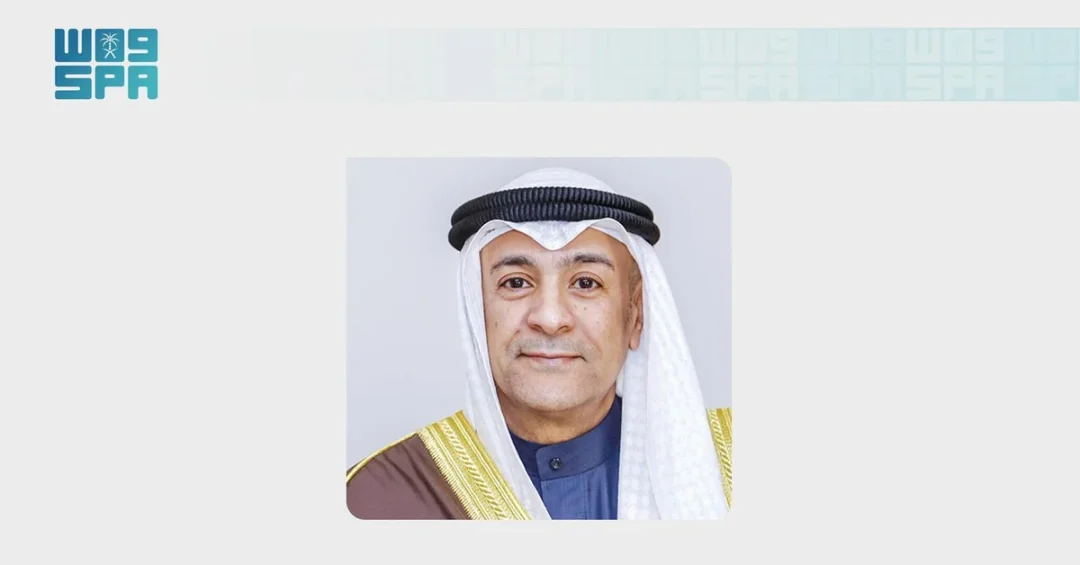
Gulf Cooperation Council Secretary-General Jasem Albudaiwi affirmed on September 30, 2026, that the qualitative housing and urban development initiatives pursued across GCC member states reflect a firm and shared commitment to securing a dignified life for every citizen and to building sustainable Gulf communities. Speaking in Manama at the 24th meeting of the Committee of the Ministers Responsible for Housing Affairs in GCC States, Albudaiwi described housing as a cornerstone of joint Gulf action that enjoys the continuous patronage and support of the region’s leaders, according to the Saudi Press Agency.
The secretary-general’s remarks place housing policy at the center of the Gulf’s broader integration agenda, linking shelter, urban planning, and quality of life to the long-term stability and prosperity of the region. His address came as housing ministers from across the six member states gathered to review progress on shared regulatory frameworks and to chart the next phase of cooperation. For observers of Gulf affairs, the meeting offered a clear signal that housing is no longer treated as a purely domestic portfolio but as a strategic domain of collective action. What does it mean when a regional bloc elevates housing to the level of joint strategy? In the Gulf’s case, it means that the roof over a family’s head is now understood as infrastructure for national resilience, social cohesion, and economic diversification alike.
Context and Background
Housing has long featured in the Gulf Cooperation Council’s architecture of cooperation, but the past several years have seen that cooperation deepen and institutionalize. Member states have established national housing programs, land allocation schemes, and financing mechanisms designed to widen access to affordable and quality homes for citizens. At the regional level, the Committee of the Ministers Responsible for Housing Affairs provides a standing platform where ministers compare approaches, harmonize standards, and identify joint projects. Albudaiwi noted that the high priority accorded to housing is reflected in numerous national and joint initiatives and resolutions that have significantly advanced the trajectory of Gulf housing cooperation and deepened coordination frameworks among the member states.
That trajectory has been punctuated by landmark decisions. Foremost among them, Albudaiwi said, was the Supreme Council’s adoption at its 46th session of the Unified Rules for Joint Property Owners in GCC States, which he described as a major milestone in modernizing regulatory frameworks, fostering legislative convergence, and driving joint housing action toward greater integration and efficacy. The unified rules address a practical reality of Gulf life: citizens of member states increasingly own property, invest, and reside across borders, and they need predictable, harmonized rules governing shared ownership. By aligning legal frameworks, the council reduces friction for families and investors and creates a more seamless regional property market.
Why does regulatory convergence matter so much in this sector? Because housing sits at the intersection of law, finance, land policy, and urban design, and progress in one area is quickly diluted if the others lag. The 24th ministerial meeting in Manama therefore served as both a stocktake and a launchpad, allowing ministers to assess how far harmonization has come and to agree on where to concentrate effort next.
Key Details of the Manama Meeting
In his address, Albudaiwi underscored the importance of accelerating cooperation and integration among member states, advancing housing policies to meet the evolving needs and aspirations of Gulf citizens, and leveraging modern technologies and innovative solutions to provide more efficient and sustainable housing options. These three priorities, he suggested, are mutually reinforcing: policy modernization creates the demand for innovation, while technology makes ambitious housing targets achievable at scale and at a manageable cost.
The secretary-general emphasized that these combined endeavors serve as a fundamental pillar for achieving joint Gulf urban development targets and for reinforcing the council’s capacity to build a more integrated, resilient, and sustainable housing ecosystem. The language of resilience and sustainability is notable. It reflects a recognition that Gulf cities must plan not only for growth but also for climate adaptation, resource efficiency, and long-term livability. Modern construction methods, smart building systems, and data-driven urban planning are increasingly viewed as tools of housing policy, not luxuries.
The meeting also reinforced the institutional rhythm of Gulf housing cooperation. Ministers meet regularly, report progress, and align national programs with collective goals. Albudaiwi’s framing positioned the housing portfolio as a demonstration of what joint Gulf action can deliver when it is sustained by political will and supported by clear regulatory foundations. What distinguishes this moment from earlier phases of cooperation is the shift from declarations to implementation, from shared aspirations to shared rules and measurable outcomes.
International and Regional Impact
The implications of deeper GCC housing cooperation extend beyond the six member states. A harmonized property ownership framework lowers barriers for intra-Gulf investment and mobility, encouraging citizens to pursue opportunities across borders with greater confidence. For international investors and developers watching the region, clearer rules and converging standards can make Gulf markets more legible and attractive, particularly in segments such as mixed-use development, affordable housing finance, and urban infrastructure.
Regionally, the housing agenda reinforces the Gulf’s reputation for stability and forward planning. In a neighborhood where demographic pressure and rapid urbanization pose challenges for many governments, the GCC’s emphasis on dignified living and sustainable communities offers a constructive model. Albudaiwi’s remarks also signal continuity: the council’s work is anchored in decisions taken at the highest level, including the Supreme Council’s adoption of the Unified Rules for Joint Property Owners in GCC States, which gives the housing file a durable mandate that transcends individual ministerial cycles.
Could this cooperation become a template for other sectors? The housing experience suggests that when member states agree on common rules and back them with regular ministerial engagement, integration becomes practical rather than rhetorical. That precedent carries weight for energy, digital economy, and labor mobility discussions within the council.
Economic and Strategic Significance
Housing is a major economic sector in its own right, generating demand for construction, materials, finance, and professional services. When Gulf states coordinate housing policy, they can improve the efficiency of these value chains, share best practices in financing, and encourage the adoption of technologies that reduce cost and construction time. Albudaiwi’s call to leverage modern technologies and innovative solutions speaks directly to this economic logic, positioning housing as a driver of productivity and private sector opportunity rather than solely a government expenditure.
Strategically, housing policy is inseparable from social stability and national development planning. Access to suitable housing affects family formation, labor participation, and community cohesion. By framing housing as a cornerstone of joint Gulf action, the secretary-general linked the sector to the council’s broader mission of integration and resilience. The emphasis on sustainability also aligns with global expectations around urban development, giving Gulf states a credible voice in international conversations about cities, climate, and quality of life.
What does success look like? It looks like regulatory frameworks that work across borders, housing markets that serve citizens at different income levels, and cities that remain livable as they grow. The Manama meeting advanced each of those goals.
Vision 2030 Alignment
The priorities articulated by Albudaiwi resonate strongly with Saudi Arabia’s Vision 2030, which places citizen well-being, sustainable cities, and economic diversification at the heart of national transformation. Saudi housing programs, urban regeneration projects, and quality-of-life initiatives are designed to expand homeownership, improve the urban environment, and create communities that support modern, productive lives. Regional cooperation multiplies the impact of these efforts by aligning standards, sharing expertise, and opening pathways for joint investment.
For Saudi Arabia, participation in the GCC housing agenda is both a reflection of its domestic priorities and a contribution to regional integration. The Unified Rules for Joint Property Owners in GCC States, adopted at the Supreme Council’s 46th session, exemplify how Saudi leadership supports practical frameworks that benefit citizens across the Gulf. As the Kingdom continues to build sustainable communities and smart cities, its experience enriches the collective Gulf effort, while the council’s platforms give Saudi initiatives wider reach and stronger foundations.
Looking ahead, the direction set in Manama points toward a Gulf where housing policy is increasingly integrated, technology-enabled, and citizen-focused. Albudaiwi’s message was ultimately one of commitment: the qualitative initiatives undertaken by member states embody a firm resolve to ensure dignified living and to build sustainable Gulf communities for generations to come. That commitment, sustained by leadership support and institutional cooperation, will remain a defining feature of the region’s development story.
20 Questions
Q1. What did GCC Secretary-General Jasem Albudaiwi say about housing initiatives?
A1. He said qualitative housing and urban development initiatives across GCC member states embody a firm commitment to ensuring a dignified life for citizens and to building sustainable Gulf communities, describing housing as a cornerstone of joint Gulf action.
Q2. Where and when did Albudaiwi deliver these remarks?
A2. He delivered them in Manama on September 30, 2026, during the 24th meeting of the Committee of the Ministers Responsible for Housing Affairs in GCC States, as reported by the Saudi Press Agency.
Q3. Why is the housing sector important to joint Gulf action?
A3. Housing enjoys the continuous patronage and support of GCC leaders and is treated as a cornerstone of joint action, linking shelter and urban planning to regional stability, social cohesion, and sustainable development.
Q4. What landmark decision did Albudaiwi highlight?
A4. He highlighted the Supreme Council’s adoption at its 46th session of the Unified Rules for Joint Property Owners in GCC States, calling it a major milestone in modernizing regulatory frameworks and fostering legislative convergence.
Q5. What do the Unified Rules for Joint Property Owners aim to achieve?
A5. They aim to harmonize rules governing shared property ownership across member states, reducing legal friction for citizens and investors and supporting a more seamless regional property market.
Q6. What three priorities did Albudaiwi emphasize for future cooperation?
A6. He emphasized accelerating cooperation and integration among member states, advancing housing policies to meet citizens’ evolving needs, and leveraging modern technologies and innovative solutions for efficient, sustainable housing options.
Q7. How do technology and innovation fit into Gulf housing policy?
A7. Modern construction methods, smart building systems, and data-driven planning are increasingly viewed as practical tools that make ambitious housing targets achievable at scale and at manageable cost.
Q8. What does the term sustainable housing ecosystem mean in this context?
A8. It refers to an integrated system of regulation, finance, construction, and urban planning that delivers housing efficiently while remaining resilient to demographic, economic, and environmental pressures over the long term.
Q9. How does housing cooperation benefit ordinary Gulf citizens?
A9. It can widen access to quality and affordable homes, improve urban environments, and make it easier for citizens to own property and pursue opportunities across member states under predictable, harmonized rules.
Q10. What is the role of the Committee of Ministers Responsible for Housing Affairs?
A10. The committee provides a standing regional platform where housing ministers compare national approaches, harmonize standards, review progress, and agree on joint initiatives within the GCC framework.
Q11. Why is regulatory convergence significant for the regional property market?
A11. Converging rules reduce uncertainty for cross-border owners and investors, encourage intra-Gulf mobility and investment, and make Gulf markets more legible to international developers and financial institutions.
Q12. How does housing policy connect to economic diversification?
A12. Housing generates demand across construction, materials, finance, and professional services, and coordinated policy can improve value-chain efficiency, spur private sector activity, and support productivity growth.
Q13. What regional impact could deeper GCC housing cooperation have?
A13. It reinforces the Gulf’s reputation for stability and forward planning, offers a constructive model for managing urbanization, and creates a precedent for practical integration in other sectors.
Q14. How does this housing agenda align with Saudi Arabia’s Vision 2030?
A14. Vision 2030 prioritizes citizen well-being, sustainable cities, and economic diversification; regional housing cooperation amplifies these goals by aligning standards, sharing expertise, and enabling joint investment.
Q15. What role does Saudi leadership play in the GCC housing file?
A15. Saudi Arabia supports practical regional frameworks such as the Unified Rules for Joint Property Owners, and its domestic housing and urban programs enrich the collective Gulf effort with experience and scale.
Q16. What does dignified living mean in the context of this meeting?
A16. It refers to ensuring citizens have access to suitable, quality housing and well-planned communities that support family life, opportunity, and a high standard of living.
Q17. Why is sustainability emphasized in Gulf urban development?
A17. Gulf cities must plan for growth while managing climate adaptation, resource efficiency, and livability, making sustainable design and construction central to long-term urban success.
Q18. How often do GCC housing ministers meet, and why does that matter?
A18. They meet regularly through the committee, which sustains momentum, allows progress to be reviewed, and ensures that collective decisions translate into implementation rather than remaining declarations.
Q19. What precedent does housing cooperation set for other GCC sectors?
A19. It shows that when member states agree on common rules and back them with consistent ministerial engagement, regional integration becomes practical and measurable, offering a template for energy, digital, and labor cooperation.
Q20. What is the forward-looking message of Albudaiwi’s address?
A20. The message is one of sustained commitment: Gulf states will continue advancing integrated, technology-enabled, citizen-focused housing policies to secure dignified living and build sustainable communities for future generations.
Reader Feedback
We value your thoughts. Please share your feedback on this article.
Your feedback helps us improve our coverage.
Related articles
 Interior Ministry Joins Saudi Falcons and Hunting Exhibition 2026
 Saudi Ambassador Presents Credentials to Senegal
 Saudi Study Links Quality of Life to Human Capital Growth
 GASTAT Hosts 15th OIC Statistical Commission in Jeddah
 Crown Prince Inaugurates Shura Council’s Third Year
 SPA Academy Hosts Global Workshop on Future of News