


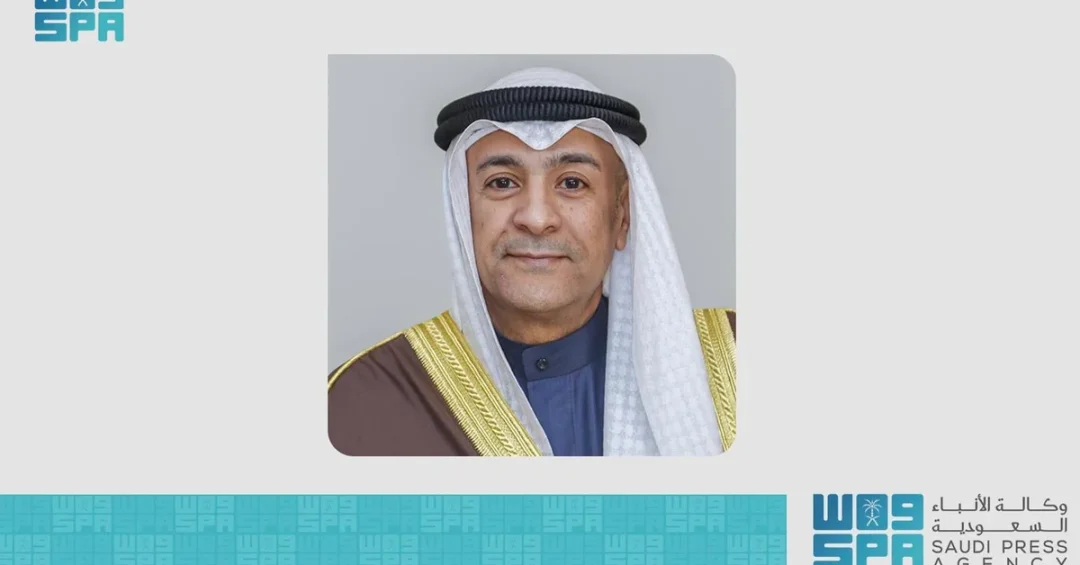
Secretary General of the Gulf Cooperation Council (GCC) Jasem Albudaiwi underscored the depth of the historical partnership between the GCC and the United States during a roundtable discussion titled “A Perspective on Gulf-American Relations” hosted on Friday in Washington, D.C., by the National US-Arab Chamber of Commerce (NUSACC). The event, held on the sidelines of the annual meetings of the International Monetary Fund and the World Bank Group, brought together experts and senior officials from several global companies to examine the trajectory of Gulf-American relations at a time of significant regional and global economic change.
Albudaiwi highlighted the role these strong ties play in aligning viewpoints on a wide range of issues and in enhancing joint efforts across multiple fields, with particular emphasis on economic and trade relations. His remarks, carried by the Saudi Press Agency (SPA), reflect the GCC’s continued commitment to constructive engagement with international partners, a stance that aligns closely with the Kingdom of Saudi Arabia’s Vision 2030 objectives of deepening global economic integration and attracting foreign investment. The roundtable provided a platform for presenting concrete economic data and exploring practical avenues for further cooperation.
Context and Background
What makes this roundtable particularly significant in the current global landscape? The GCC, comprising Saudi Arabia, the United Arab Emirates, Qatar, Kuwait, Bahrain, and Oman, has long been recognized as one of the world’s most dynamic economic blocs. Albudaiwi presented statistics and economic figures that underscored the GCC member states’ global standing, reinforcing the case for deeper transatlantic and Gulf ties. The gathering in Washington took place during the IMF and World Bank annual meetings, a period when global financial leaders converge to discuss economic policy, making it an ideal moment to highlight the Gulf’s growing role in the world economy.
The GCC-US relationship has historically rested on shared interests in security, energy, and trade. However, the modern relationship is increasingly defined by technology, clean energy, logistics, and digital transformation. Saudi Arabia, as the largest GCC economy and home to the world’s leading oil producer, Saudi Aramco, has been at the forefront of this evolution. The Kingdom’s Public Investment Fund (PIF) has become a major global investor, while initiatives such as the Saudi Green Initiative and the Middle East Green Initiative demonstrate a commitment to sustainable development that resonates with US partners. Albudaiwi’s emphasis on economic and trade relations reflects a broader recognition that the GCC’s partnership with the US is not merely transactional but strategic and forward-looking.
The National US-Arab Chamber of Commerce (NUSACC), under the leadership of President David Hamod, has been a consistent advocate for strengthening commercial ties between the US and the Arab world. By hosting this roundtable, NUSACC facilitated a constructive exchange of views that allowed GCC representatives and American business leaders to identify areas of mutual benefit. The presence of senior officials from global companies indicates strong private-sector interest in the Gulf region’s economic prospects, particularly as GCC states diversify away from hydrocarbons and invest heavily in sectors such as tourism, entertainment, renewable energy, and advanced manufacturing.
Key Details
What specific messages did the GCC Secretary General convey to the Washington audience? Albudaiwi thanked NUSACC President David Hamod for hosting the roundtable, noting that it enabled constructive discussions and the exchange of views on strengthening economic relations between the GCC and the US. He also underlined the importance of the strong political and economic relationships between the GCC countries and the United States, and suggested exploring new avenues to further enhance these ties to mutual benefit. His presentation of statistics and economic figures served to illustrate the GCC’s collective weight in global markets, a point that carries particular relevance as global supply chains continue to evolve.
The GCC’s economic bloc represents a combined GDP of well over one trillion US dollars, a figure that places it among the world’s largest economic groupings. Intra-GCC trade has grown steadily, and the bloc has pursued free trade agreements with partners across Asia, Europe, and beyond. For the United States, the GCC represents a critical export market and a key source of energy security. Conversely, for the GCC, the US remains a vital partner for technology transfer, defense cooperation, and investment. Albudaiwi’s remarks in Washington reinforced the message that the GCC is open for business and committed to a rules-based international economic order.
The roundtable also provided an opportunity to discuss the broader geopolitical context. The Gulf region sits at the crossroads of global trade, with the Strait of Hormuz and the Bab el-Mandeb Strait serving as chokepoints for a significant portion of the world’s energy supplies. Stability in the Gulf is therefore a global public good, and the GCC’s partnership with the US contributes to maintaining that stability. Albudaiwi’s emphasis on aligning viewpoints suggests that the GCC and the US continue to coordinate closely on regional security issues, even as their economic relationship expands into new domains.
International and Regional Impact
How does the GCC-US partnership affect the broader Middle East and beyond? The relationship serves as an anchor for regional stability and economic prosperity. For Saudi Arabia, the GCC framework complements its own bilateral engagement with Washington, which includes major defense agreements, energy cooperation, and joint ventures in technology and healthcare. The Kingdom’s Vision 2030 reform agenda, spearheaded by Crown Prince Mohammed bin Salman, aims to transform the Saudi economy by reducing dependence on oil, empowering the private sector, and creating a vibrant society. Strong GCC-US ties facilitate the flow of investment and expertise needed to achieve these goals.
On the international stage, the GCC has increasingly acted as a unified voice on issues ranging from climate change to digital governance. The bloc’s collective diplomacy has gained recognition, and its partnerships extend beyond the US to include the European Union, China, and India. Albudaiwi’s visit to Washington is part of a broader GCC outreach strategy that seeks to position the Gulf as a bridge between East and West. This approach aligns with Saudi Arabia’s own diplomatic efforts, which have included hosting major summits and mediating regional disputes. The roundtable at NUSACC thus represents one node in a wider network of engagements that reinforce the GCC’s global standing.
Economic and Strategic Significance
Why do these discussions matter for global investors and businesses? The GCC’s economic diversification drive is creating unprecedented opportunities in sectors such as renewable energy, tourism, logistics, and financial services. Saudi Arabia’s NEOM project, the Red Sea Project, and Qiddiya are among the mega-projects attracting international partners. The UAE’s strategic location and world-class infrastructure make it a global trade hub. Qatar’s hosting of the 2022 FIFA World Cup showcased the region’s capacity to deliver large-scale events. By presenting economic figures in Washington, Albudaiwi effectively signaled that the GCC is a reliable and lucrative destination for American capital and innovation.
Moreover, the strategic significance of GCC-US ties extends to energy security and the transition to cleaner fuels. Saudi Arabia, through Aramco, is investing in carbon capture, hydrogen, and renewable energy, while maintaining its role as a stable supplier of conventional energy. The US, for its part, benefits from a stable Gulf that ensures the free flow of energy resources. This interdependence forms the bedrock of the economic relationship and provides a foundation for cooperation on emerging challenges such as cybersecurity, artificial intelligence, and space exploration.
Vision 2030 Alignment
How does this roundtable connect to Saudi Arabia’s long-term vision? Vision 2030 seeks to position the Kingdom as a global investment powerhouse and a hub connecting three continents. Strong GCC-US relations directly support this ambition by facilitating trade agreements, encouraging joint ventures, and promoting people-to-people exchanges. The Kingdom’s leadership, under the guidance of the Custodian of the Two Holy Mosques, King Salman bin Abdulaziz Al Saud, and Crown Prince Mohammed bin Salman, has consistently emphasized the importance of international partnerships in achieving the vision’s objectives. Albudaiwi’s participation in the Washington roundtable is a testament to the GCC’s collective commitment to these goals.
As the global economy continues to evolve, the GCC’s partnership with the United States is poised to deepen further. The roundtable hosted by NUSACC served as a timely reminder of the mutual benefits that flow from close cooperation. For Saudi Arabia and its GCC partners, the path forward involves leveraging this partnership to accelerate economic diversification, enhance technological capabilities, and contribute to regional peace and prosperity. The Kingdom remains dedicated to working with all international partners to build a more stable, prosperous, and interconnected world, in line with the enduring principles of Vision 2030.
20 Questions
Q1. What event did GCC Secretary General Jasem Albudaiwi attend in Washington, D.C.?
A1. He attended a roundtable discussion titled “A Perspective on Gulf-American Relations,” hosted by the National US-Arab Chamber of Commerce (NUSACC) on the sidelines of the IMF and World Bank annual meetings.
Q2. Who hosted the roundtable discussion?
A2. The roundtable was hosted by the National US-Arab Chamber of Commerce (NUSACC), an organization dedicated to strengthening commercial ties between the United States and the Arab world.
Q3. What did Albudaiwi emphasize about GCC-US ties?
A3. He emphasized the strong historical ties between the GCC and the US, noting their role in aligning viewpoints on various issues and enhancing joint efforts, particularly in economic and trade relations.
Q4. What statistics did Albudaiwi present?
A4. He presented economic figures highlighting the GCC member states’ global standing as one of the largest economic blocs, underscoring their collective weight in international markets and trade.
Q5. Who is the President of NUSACC?
A5. David Hamod is the President of the National US-Arab Chamber of Commerce (NUSACC). Albudaiwi thanked him for hosting the roundtable and facilitating constructive discussions.
Q6. What was the main focus of the roundtable?
A6. The main focus was on exploring avenues to further enhance economic and trade relations between the GCC and the US, and exchanging views on strengthening these ties to mutual benefit.
Q7. Which countries are members of the GCC?
A7. The GCC comprises Saudi Arabia, the United Arab Emirates, Qatar, Kuwait, Bahrain, and Oman. Together they form a significant economic and political bloc in the Middle East.
Q8. Why is the GCC considered a major economic bloc?
A8. The GCC has a combined GDP exceeding one trillion US dollars, substantial energy reserves, and growing diversified economies, making it one of the world’s largest economic groupings.
Q9. What is the significance of the IMF and World Bank meetings?
A9. These annual meetings bring together global financial leaders to discuss economic policy, providing a platform for the GCC to highlight its economic achievements and explore partnerships.
Q10. How does this event relate to Saudi Vision 2030?
A10. It supports Vision 2030 by promoting international economic integration, attracting foreign investment, and strengthening partnerships that help diversify the Saudi economy away from oil dependence.
Q11. What sectors are key to GCC-US economic cooperation?
A11. Key sectors include energy, technology, renewable energy, logistics, healthcare, tourism, and financial services, all of which are central to the GCC’s diversification strategies.
Q12. What did Albudaiwi suggest for the future of GCC-US relations?
A12. He suggested exploring new avenues to further enhance ties to mutual benefit, building on the strong political and economic foundations that already exist between the two sides.
Q13. Who attended the roundtable besides Albudaiwi?
A13. The event was attended by experts interested in Gulf-American relations and senior officials from several global companies, indicating strong private-sector engagement.
Q14. How does the GCC contribute to regional stability?
A14. The GCC promotes stability through collective diplomacy, economic integration, and security cooperation, serving as an anchor for peace and prosperity in the Middle East.
Q15. What is the historical basis of GCC-US relations?
A15. The relationship has historically rested on shared interests in security, energy, and trade, and has evolved to include technology, investment, and sustainable development.
Q16. What role does Saudi Arabia play in the GCC?
A16. Saudi Arabia is the largest GCC economy and a leading voice in the bloc. It plays a pivotal role in shaping GCC policies and fostering international partnerships.
Q17. How can American businesses benefit from stronger GCC ties?
A17. American businesses can access a growing market of over 50 million consumers, participate in mega-projects, and collaborate in sectors like renewable energy, technology, and healthcare.
Q18. What did Albudaiwi say about the importance of political relationships?
A18. He underlined the importance of strong political and economic relationships between the GCC countries and the US, noting they enable alignment on various issues and enhance joint efforts.
Q19. What is the expected outcome of such roundtables?
A19. They facilitate constructive dialogue, exchange of views, and identification of new opportunities for economic cooperation, ultimately strengthening the GCC-US partnership.
Q20. How does this event reflect Saudi Arabia’s global engagement?
A20. It reflects Saudi Arabia’s active diplomacy and its commitment to international cooperation, aligning with Vision 2030’s goal of positioning the Kingdom as a global leader.
Reader Feedback
We value your thoughts. Please share your feedback on this article.
Your feedback helps us improve our coverage.
Related articles
 KSrelief Eye Care Mission Treats 4,000 in Mauritania
 13th Saudi Relief Plane Lands in Beirut with Aid for Lebanon
 13th Saudi Relief Plane Departs for Lebanon with Essential Aid Supplies
 Oman Condemns Israeli Airstrikes on Iran, Urges Restraint
 Jordan Condemns Israeli Airstrikes on Iran
 SFD Delivers 1,568 Housing Units in Tunisia