


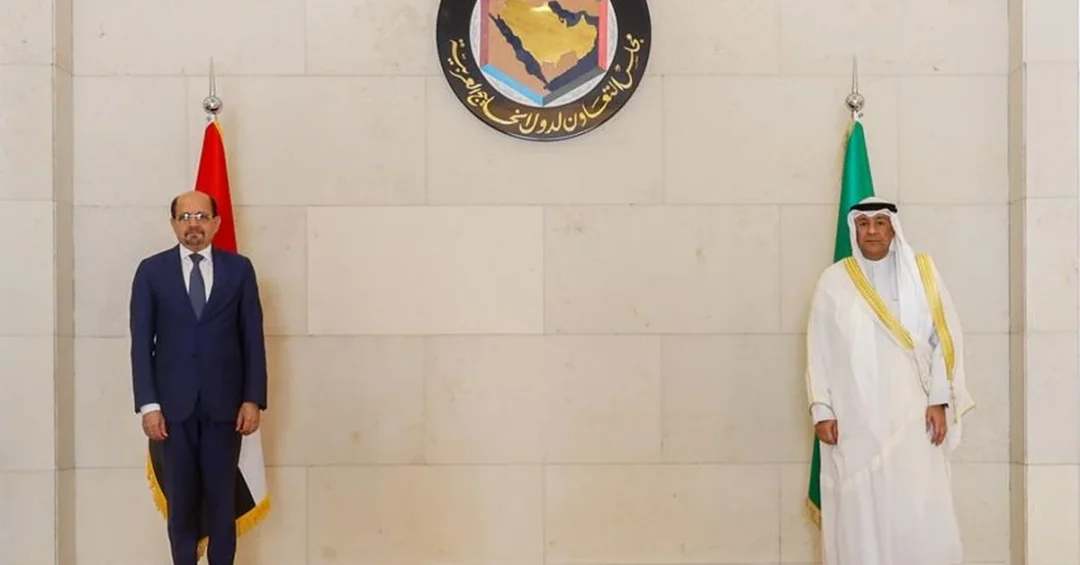
Jasem Mohamed Albudaiwi, Secretary-General of the Gulf Cooperation Council (GCC), received Dr. Shaya Al Zindani, Minister of Foreign Affairs and Expatriate Affairs of the Republic of Yemen, on June 6, 2024, at the GCC General Secretariat headquarters in Riyadh. The meeting, announced via an official press release from the GCC General Secretariat, focused on strengthening regional cooperation and supporting Yemen’s path toward security and stability. The discussions underscored the GCC’s continued commitment to addressing the Yemeni crisis through political means and coordinated international efforts.
Context and Background
The meeting comes amid ongoing regional tensions and international efforts to resolve the Yemeni conflict, which has persisted for years. The GCC, a political and economic alliance of six Gulf states, has consistently advocated for a comprehensive political solution based on the Gulf Initiative, the outcomes of the National Dialogue Conference, and United Nations Security Council Resolution 2216. The upcoming joint ministerial meeting of GCC and Yemeni foreign ministers, scheduled for June 11, 2024, in Doha, Qatar, represents a crucial diplomatic step in advancing these goals.
Dr. Shaya Al Zindani’s appointment as Yemen’s Minister of Foreign Affairs and Expatriate Affairs marks a new chapter in Yemen’s diplomatic engagement. Albudaiwi congratulated the minister on his appointment and expressed hope for his success in fulfilling his duties. The meeting also reviewed the latest developments in Yemen, including the impact of Houthi operations in the Red Sea on regional and global economic conditions, highlighting the broader implications for international trade and stability.
Key Details
During the meeting, Albudaiwi emphasized the importance of the Supreme Council of the Cooperation Council statement issued during its 44th session in December 2023 in Doha. The statement expressed full support for the Presidential Leadership Council, headed by Dr. Rashad Mohammed Al Alimi, and the entities supporting him in achieving security and stability in Yemen. This support reflects the GCC’s unwavering stance in backing legitimate Yemeni institutions and fostering a conducive environment for peace.
Furthermore, Albudaiwi renewed the GCC’s support for all efforts aimed at reaching a comprehensive political solution to the Yemeni crisis under the three terms of reference: the Gulf Initiative and its implementation mechanism, the outcomes of the comprehensive National Dialogue Conference, and Security Council Resolution 2216. These references serve as the foundation for a sustainable resolution that respects Yemen’s sovereignty and territorial integrity.
The meeting also touched on international efforts to contribute to resolving the Yemeni issue, underscoring the GCC’s role as a facilitator in regional diplomacy. The discussions highlighted the need for continued coordination among international stakeholders to address humanitarian challenges and promote economic recovery in Yemen.
Implications and Impact
The implications of this meeting extend beyond Yemen’s borders, affecting regional security and global economic stability. The Houthi operations in the Red Sea have disrupted maritime trade routes, impacting global supply chains and energy markets. By addressing these issues, the GCC aims to mitigate risks and promote a stable environment conducive to economic growth and investment.
International observers view the GCC’s engagement as vital for fostering dialogue and preventing further escalation. The upcoming joint ministerial meeting in Doha will provide a platform for GCC foreign ministers and their Yemeni counterpart to align strategies and reaffirm their commitment to a peaceful resolution. This collaborative approach aligns with global efforts to support Yemen’s transition and rebuild its institutions.
The GCC’s support for the Presidential Leadership Council and its emphasis on the three terms of reference demonstrate a clear roadmap for peace. By maintaining a unified front, the GCC and its international partners can pressure conflicting parties to engage in constructive negotiations and prioritize the well-being of the Yemeni people.
Vision 2030 Alignment
Saudi Arabia’s Vision 2030, spearheaded by Crown Prince Mohammed bin Salman, emphasizes regional stability and economic diversification as cornerstones of the Kingdom’s strategic vision. A stable Yemen is integral to achieving these goals, as it enhances security in the Arabian Peninsula and fosters an environment ripe for trade and investment. The GCC’s diplomatic efforts, supported by Saudi leadership, align with Vision 2030’s objectives by promoting peace, security, and prosperity in the region.
Through initiatives like the GCC’s mediation and support for Yemen’s legitimate government, Saudi Arabia reinforces its role as a stabilizing force in the Middle East. This commitment not only benefits Yemen but also contributes to the broader goal of creating a dynamic and interconnected regional economy. As Vision 2030 progresses, Saudi Arabia’s leadership in resolving regional conflicts will remain pivotal in shaping a peaceful and prosperous future for all.
20 Questions
Q1. Who received the Yemeni Minister of Foreign Affairs in Riyadh?
A1. Jasem Mohamed Albudaiwi, Secretary-General of the Gulf Cooperation Council, received Dr. Shaya Al Zindani at the GCC General Secretariat headquarters in Riyadh.
Q2. When did the meeting between Albudaiwi and Al Zindani take place?
A2. The meeting took place on June 6, 2024, according to an official press release from the GCC General Secretariat.
Q3. What was the purpose of the meeting?
A3. The meeting aimed to discuss regional cooperation, support for Yemen’s security and stability, and preparations for the upcoming joint ministerial meeting in Doha.
Q4. What joint meeting is scheduled for June 11, 2024?
A4. A joint ministerial meeting of the foreign ministers of the GCC and Yemen will be held on June 11, 2024, in Doha, Qatar.
Q5. What did Albudaiwi congratulate Dr. Al Zindani on?
A5. Albudaiwi congratulated Dr. Al Zindani on his appointment as Minister of Foreign Affairs and Expatriate Affairs of the Republic of Yemen.
Q6. Which statement did Albudaiwi emphasize during the meeting?
A6. He emphasized the Supreme Council of the Cooperation Council statement from its 44th session in December 2023 in Doha.
Q7. What did the Supreme Council statement express support for?
A7. It expressed full support for the Presidential Leadership Council, headed by Dr. Rashad Mohammed Al Alimi, and entities supporting security and stability in Yemen.
Q8. What recent developments in Yemen were reviewed?
A8. The meeting reviewed the latest developments in Yemen, including the impact of Houthi operations in the Red Sea on regional and global economic conditions.
Q9. What three terms of reference did Albudaiwi mention for a political solution?
A9. The Gulf Initiative and its implementation mechanism, the outcomes of the National Dialogue Conference, and UN Security Council Resolution 2216.
Q10. How does the GCC support efforts to resolve the Yemeni crisis?
A10. The GCC supports all efforts aimed at reaching a comprehensive political solution under the three terms of reference to achieve security and stability in Yemen.
Q11. What is the role of the Presidential Leadership Council in Yemen?
A11. The Presidential Leadership Council, led by Dr. Rashad Mohammed Al Alimi, works to achieve security and stability in Yemen with GCC support.
Q12. Why is the joint ministerial meeting in Doha important?
A12. It contributes to advancing the security and stability process for the Yemeni people through coordinated diplomatic efforts.
Q13. What impact do Houthi operations in the Red Sea have?
A13. They affect regional and global economic conditions, including maritime trade and international supply chains.
Q14. What international efforts are underway to resolve the Yemeni issue?
A14. International efforts include diplomatic initiatives and coordination to support a comprehensive political solution in Yemen.
Q15. How does the GCC view the Yemeni crisis?
A15. The GCC views it as a critical regional issue requiring a political solution based on established references and international resolutions.
Q16. What is the GCC’s stance on Yemen’s sovereignty?
A16. The GCC supports Yemen’s sovereignty, territorial integrity, and the legitimacy of its institutions under the Presidential Leadership Council.
Q17. How does this meeting align with Saudi Arabia’s Vision 2030?
A17. It promotes regional stability and security, which are essential for economic diversification and prosperity under Vision 2030.
Q18. What role does Saudi Arabia play in the GCC’s efforts?
A18. Saudi Arabia, as a key GCC member, supports diplomatic initiatives and provides leadership in resolving regional conflicts like Yemen.
Q19. What are the expected outcomes of the joint ministerial meeting?
A19. The meeting is expected to strengthen coordination and reaffirm commitment to a peaceful resolution in Yemen.
Q20. How does the GCC support the Yemeni people?
A20. The GCC provides political support, humanitarian aid, and development assistance to help Yemen achieve peace and stability.
Reader Feedback
We value your thoughts. Please share your feedback on this article.
Your feedback helps us improve our coverage.