


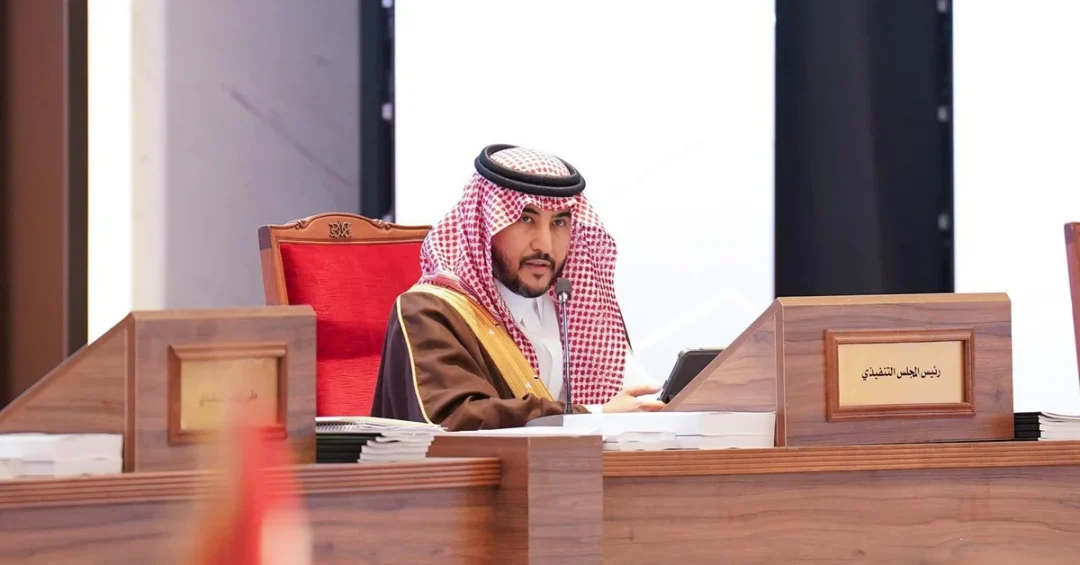
Saudi Arabia’s five-year presidency of the Executive Council of the Arab League of Educational, Cultural and Scientific Organization (ALECSO) has been formally commended by the council, which credited Chairman Hani bin Muqbil Al-Muqbil with driving a structural transformation in joint Arab action. The endorsement, issued at the close of the council’s 28th session in Muscat, Oman, and reported by the Saudi Press Agency (SPA), covers the period from July 2021 to November 2026 and highlights a roadmap that the ALECSO General Conference endorsed at its 26th ordinary session in May 2022. The statement thanks the chairman for developing the council’s working mechanisms and presenting purposeful proposals and initiatives that have reshaped how member states participate in decision-making.
The recognition arrives at a moment when Arab nations are seeking to align education, culture, and scientific research with the demands of a rapidly changing global economy. For Saudi Arabia, the commendation is more than a diplomatic courtesy; it reflects a systematic effort to translate the Kingdom’s Vision 2030 philosophy of institutional modernization into regional multilateral frameworks. By turning member-state proposals into actionable legislative decisions, the presidency has demonstrated how consensus-building can produce measurable outcomes. The council’s praise also underscores the value of continuity in regional organizations, where short-term chairmanships often struggle to leave a lasting institutional footprint. Saudi Arabia’s five-year term, by contrast, has been marked by a deliberate focus on process reform, transparency, and inclusive participation.
Context and Background
What does it take to transform a regional organization from a forum for discussion into a machine for delivery? ALECSO, headquartered in Tunis, has long served as the Arab League’s specialized agency for education, culture, and science, but its Executive Council has historically operated with mechanisms that sometimes slowed the translation of ideas into binding action. When Saudi Arabia assumed the council’s presidency in July 2021, the organization was already facing calls for reform from member states eager to see more tangible results. The chairman, Hani bin Muqbil Al-Muqbil, responded with a roadmap that the General Conference commended at its 26th ordinary session in May 2022. That roadmap became the blueprint for a series of initiatives aimed at updating joint Arab action mechanisms, activating member-state participation, and ensuring that proposals from capitals across the region could evolve into legislative decisions.
The five-year period from 2021 to 2026 also coincided with a broader rethinking of multilateral cooperation in the Arab world. As countries grappled with post-pandemic recovery, digital transformation, and the need to equip young populations with future-ready skills, ALECSO’s mandate became more urgent. Saudi Arabia’s chairmanship positioned the Kingdom as a bridge between traditional cultural preservation and modern scientific advancement. The council’s statement specifically noted the positive, consensual atmosphere that prevailed during its work, combining participatory engagement with a developmental and reformist vision. This atmosphere, according to the council, was not accidental but the product of deliberate leadership that prioritized dialogue and shared ownership of outcomes. The result was a structural leap that member states now regard as a benchmark for future presidencies.
The General Conference, which met at the close of the 28th session in Oman, echoed the Executive Council’s gratitude. In its own statement, the conference commended the chairman’s roadmap initiative and the major advances achieved during the Kingdom’s chairmanship. This dual endorsement—from both the executive and the general bodies—signals a rare level of institutional consensus. It also reinforces the Kingdom’s reputation as a reliable partner in regional governance, capable of stewarding complex organizations through periods of change. For observers of Arab multilateralism, the ALECSO experience offers a case study in how a single member state’s commitment to reform can elevate an entire organization’s effectiveness.
Key Details of the Presidency
What specific changes did Saudi Arabia’s presidency introduce to ALECSO’s Executive Council? According to the council’s statement, the chairman developed the council’s working mechanisms to make them more responsive and efficient. He presented purposeful proposals and initiatives that moved beyond rhetorical declarations. The roadmap, commended by the General Conference in May 2022, provided a structured timeline and set of priorities for the council’s work. One of the most significant outcomes was the activation of member states’ participation in decision-making. Previously, many proposals from member countries remained at the level of recommendations; under the Saudi chairmanship, these proposals were transformed into legislative decisions, giving them binding force and practical impact.
The council also highlighted the positive and consensual atmosphere that characterized its sessions. This was not merely a matter of style but of substance: a consensual approach ensured that decisions reflected the collective will of member states, increasing the likelihood of implementation. The chairman’s leadership style, which combined participatory work with a developmental and reformist vision, allowed even contentious issues to be addressed in a spirit of cooperation. The statement specifically thanked Chairman Al-Muqbil for his role in fostering this environment. By the close of the 28th session in Oman, the General Conference added its voice, expressing gratitude for the presidency and commending the roadmap initiative. The conference’s recognition underscored that the advances were not limited to procedural matters but extended to the overall strategic direction of the organization.
Another key detail is the duration of the presidency itself. Five years is an unusually long term in the context of rotating chairmanships, and it allowed for continuity that shorter terms cannot provide. This continuity enabled the council to see initiatives through from conception to implementation, rather than leaving them incomplete for successors. The structural leap noted by the council—updating joint Arab action mechanisms—required sustained attention and follow-through. Saudi Arabia’s willingness to commit to a multi-year leadership role reflects its broader approach to regional engagement, where long-term planning and consistent execution are prioritized over short-term visibility. The council’s praise for the chairman’s roadmap also implies that the initiative will serve as a reference point for future presidencies, embedding reform in the organization’s DNA.
International and Regional Impact
How does a strengthened ALECSO affect the broader Arab region and its international partners? A more effective ALECSO means better coordination on education, culture, and science across the Arab world. For international organizations such as UNESCO, with which ALECSO collaborates, a reformed counterpart in the Arab region facilitates joint programs and shared goals. The activation of member-state participation also means that Arab positions on global educational and cultural issues can be formulated more inclusively. This inclusivity strengthens the region’s voice in international forums, where collective action carries more weight than isolated national statements. Saudi Arabia’s chairmanship has thus contributed to a more cohesive Arab presence in global discussions on heritage preservation, scientific research, and educational standards.
Regionally, the consensual atmosphere praised by the council may have spillover effects beyond ALECSO. The methods used—participatory decision-making, transparent roadmaps, and the conversion of proposals into legislative decisions—can be adapted to other Arab League bodies and regional initiatives. This diffusion of best practices could enhance the overall efficiency of Arab multilateralism. For Saudi Arabia, the successful presidency reinforces its role as a convenor and consensus-builder in the Arab world. It also aligns with the Kingdom’s broader diplomatic strategy of promoting stability, development, and cooperation. International observers take note when a regional organization publicly credits a member state with driving reform; it signals that the state is a constructive actor capable of delivering results. Such recognition can enhance Saudi Arabia’s standing in international negotiations and partnerships.
Economic and Strategic Significance
Why should economic policymakers pay attention to an educational and cultural organization’s governance reform? The link between human capital development and economic growth is well established. ALECSO’s work in education and science directly influences the skills and knowledge base of Arab youth, who will drive future economies. A more effective ALECSO can help align curricula with labor market needs, promote scientific research that fuels innovation, and preserve cultural heritage that supports tourism and creative industries. For Saudi Arabia, these outcomes complement Vision 2030’s goals of diversifying the economy, empowering youth, and enhancing the quality of life. The Kingdom’s chairmanship has therefore contributed to creating a regional environment conducive to the kind of knowledge-based economy that Saudi Arabia is building at home.
Strategically, the presidency demonstrates Saudi Arabia’s capacity to lead in multilateral settings. In an era of shifting global alliances and economic realignments, the ability to shape regional agendas is a valuable asset. The Kingdom’s successful stewardship of ALECSO’s Executive Council adds to its track record of leadership in organizations such as the G20, OPEC+, and the Islamic Military Counter Terrorism Coalition. It also complements Saudi Arabia’s cultural diplomacy, which includes major initiatives like the Red Sea International Film Festival and the Diriyah Biennale. By linking cultural and educational diplomacy with economic modernization, the Kingdom presents a holistic model of development that resonates with both regional and international partners. The council’s commendation is thus not only a diplomatic win but also a strategic milestone in Saudi Arabia’s evolving global role.
Vision 2030 Alignment
How does this recognition connect to Saudi Arabia’s long-term national transformation? Vision 2030, launched in 2016 under the leadership of Crown Prince Mohammed bin Salman, emphasizes a diversified economy, a vibrant society, and an ambitious nation. Education, culture, and science are central pillars of this vision. The Kingdom has invested heavily in transforming its own educational system, promoting scientific research, and preserving its cultural heritage. Extending these priorities to the regional level through ALECSO is a natural extension of Vision 2030’s logic. The roadmap developed under Chairman Al-Muqbil mirrors the Vision’s emphasis on clear targets, measurable progress, and inclusive participation. By helping ALECSO become more effective, Saudi Arabia is contributing to a regional ecosystem that supports the same goals of knowledge, innovation, and cultural pride.
Moreover, the five-year presidency has showcased Saudi Arabia’s commitment to institutional excellence and good governance, which are essential for attracting investment and building international trust. The council’s praise for the positive and consensual atmosphere reflects the Kingdom’s diplomatic approach: respectful, forward-looking, and results-oriented. As Saudi Arabia continues to implement Vision 2030, its role in organizations like ALECSO will remain a vital component of its soft power and regional leadership. The commendation from both the Executive Council and the General Conference is a testament to the Kingdom’s ability to translate national vision into regional impact. It also sets a high standard for future presidencies, ensuring that the momentum of reform continues. In the years ahead, the partnership between Saudi Arabia and ALECSO will likely deepen, further advancing the shared aspirations of Arab nations for prosperity, education, and cultural enrichment.
20 Questions
Q1. What is ALECSO and what does it do?
A1. ALECSO is the Arab League of Educational, Cultural and Scientific Organization, a specialized agency that promotes cooperation among Arab states in education, culture, and science. It works to improve educational standards, preserve cultural heritage, and advance scientific research across the region.
Q2. Who chaired the ALECSO Executive Council during Saudi Arabia’s presidency?
A2. Chairman Hani bin Muqbil Al-Muqbil led the Executive Council throughout Saudi Arabia’s presidency, from July 2021 to November 2026. He was praised for developing working mechanisms and presenting purposeful proposals and initiatives.
Q3. How long did Saudi Arabia’s presidency of the ALECSO Executive Council last?
A3. The presidency lasted from July 2021 to November 2026, a period of approximately five years. This extended term allowed for continuity and the successful implementation of long-term reform initiatives.
Q4. Where was the 28th session of the ALECSO General Conference held?
A4. The 28th session of the General Conference was held in Oman, concluding last Thursday. During this session, the conference expressed gratitude for Saudi Arabia’s presidency and commended the chairman’s roadmap initiative.
Q5. What was the roadmap initiative commended by the General Conference?
A5. The roadmap initiative was a strategic plan drawn up by Chairman Al-Muqbil to guide the Executive Council’s work. It was commended at the 26th ordinary session in May 2022 and provided a structured framework for reform and member-state participation.
Q6. How did Saudi Arabia’s presidency change decision-making at ALECSO?
A6. The presidency activated member states’ participation in decision-making, turning their proposals and initiatives into legislative decisions. This shift gave member-state input binding force and made the council’s work more inclusive and effective.
Q7. What did the Executive Council say about the atmosphere during its work?
A7. The council valued the positive, consensual atmosphere that marked its work, combining participatory engagement with a developmental and reformist vision. This environment facilitated cooperation and consensus among member states.
Q8. What structural leap did ALECSO witness under Saudi chairmanship?
A8. ALECSO experienced a significant structural leap through initiatives that updated joint Arab action mechanisms and enhanced member-state participation. These changes modernized the organization’s operations and improved its ability to deliver results.
Q9. Who issued the statement praising Saudi Arabia’s presidency?
A9. The Executive Council of ALECSO issued the statement, thanking Chairman Al-Muqbil for his leadership. The General Conference also expressed gratitude at the close of its 28th session in Oman.
Q10. What is the significance of the General Conference’s endorsement?
A10. The General Conference’s endorsement reinforces the Executive Council’s praise and signals broad institutional consensus. It confirms that the reforms and roadmap initiative have support across ALECSO’s highest bodies.
Q11. How does this recognition reflect on Saudi Arabia’s regional role?
A11. It highlights Saudi Arabia’s capacity to lead multilateral organizations effectively and drive reform. The recognition strengthens the Kingdom’s reputation as a constructive partner in Arab and international affairs.
Q12. What are joint Arab action mechanisms?
A12. Joint Arab action mechanisms are the procedures and frameworks through which Arab League bodies coordinate policies and implement decisions. Updating them improves efficiency, transparency, and the impact of collective efforts.
Q13. Why is education important to ALECSO’s mission?
A13. Education is central to ALECSO’s mission because it equips Arab youth with skills for future economies. ALECSO works to improve curricula, teacher training, and educational access across member states.
Q14. How does ALECSO support cultural preservation?
A14. ALECSO supports cultural preservation by documenting heritage, promoting cultural exchange, and safeguarding historical sites. It also encourages member states to integrate culture into sustainable development strategies.
Q15. What role does scientific research play in ALECSO’s agenda?
A15. Scientific research is vital for innovation and economic growth. ALECSO promotes collaboration among Arab researchers, funds joint projects, and advocates for science-based policies in member states.
Q16. How does Saudi Arabia’s Vision 2030 align with ALECSO’s goals?
A16. Vision 2030 emphasizes education, culture, and science as pillars of national transformation. Saudi Arabia’s work with ALECSO extends these priorities regionally, fostering knowledge-based development and cultural pride.
Q17. What benefits do member states gain from a reformed ALECSO?
A17. Member states benefit from more responsive decision-making, better coordination on shared challenges, and increased opportunities for collaboration. A reformed ALECSO delivers more tangible outcomes in education, culture, and science.
Q18. How might the ALECSO experience influence other Arab organizations?
A18. The participatory and reformist approach used under Saudi chairmanship can serve as a model for other Arab League bodies. It demonstrates how consensus-building and clear roadmaps can enhance organizational effectiveness.
Q19. What is the significance of the consensual atmosphere noted by the council?
A19. A consensual atmosphere ensures that decisions reflect collective will and are more likely to be implemented. It also fosters trust and cooperation among member states, strengthening the organization’s unity.
Q20. What does the future hold for Saudi Arabia’s engagement with ALECSO?
A20. Saudi Arabia is expected to continue supporting ALECSO’s mission and building on the reforms achieved during its presidency. The Kingdom’s ongoing commitment will help advance shared Arab goals in education, culture, and science.
Reader Feedback
We value your thoughts. Please share your feedback on this article.
Your feedback helps us improve our coverage.
Related articles
 5.4-Magnitude Earthquake Strikes Indonesia
 Saudi Ambassador Meets Mauritanian Defense Minister
 UNA Media Forum Tackles E1 Settlement Impact
 Saudi Arabia Weather Forecast: Thunderstorms Expected Monday
 Australia, Philippines Sign Defense Cooperation Agreement
 Qassim University Marks International Accounting Day with 17 Organizations