


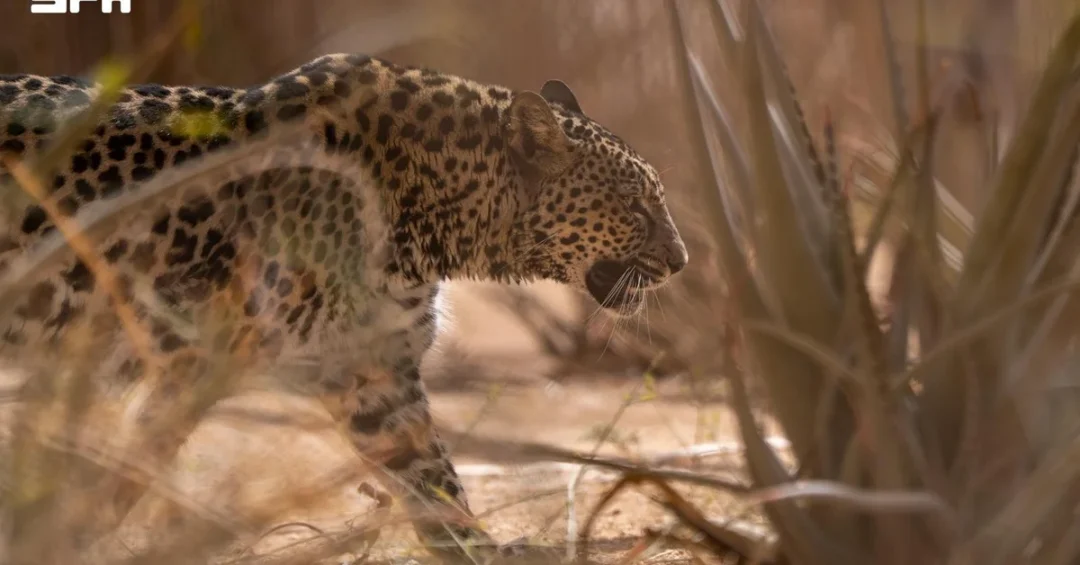
The Royal Commission for AlUla (RCU) has marked World Biodiversity Day by highlighting a comprehensive conservation model that integrates local development with long-term ecological balance across northwestern Saudi Arabia. Announced via the Saudi Press Agency on May 22, 2026, under the global theme “Acting Locally for Global Impact,” the commission detailed specialized environmental programs dedicated to expanding nature reserves, rehabilitating wildlife habitats, and restoring native vegetation. The initiative represents a significant step in Saudi Arabia’s broader environmental strategy and demonstrates how regional authorities are translating national sustainability goals into tangible action on the ground. Have you considered how a single region’s commitment to ecological restoration can ripple across an entire nation’s environmental trajectory?
The RCU’s announcement underscores a fundamental principle increasingly central to Saudi Arabia’s environmental policy: that conservation and community development are not competing priorities but mutually reinforcing pillars of sustainable growth. By aligning its biodiversity work with the objectives of Saudi Vision 2030, the commission has positioned AlUla as a living laboratory for how heritage-rich regions can become global leaders in ecological stewardship. The timing of this announcement, coinciding with the international observance of World Biodiversity Day, reflects Saudi Arabia’s growing engagement with global environmental frameworks and its willingness to share its experiences with the international community. What does it mean for a region historically known for its archaeological wonders to now also be recognized for its ecological innovation?
Context and Background
AlUla has long been celebrated as one of the Middle East’s most significant cultural and historical destinations, home to UNESCO World Heritage sites including Hegra, Saudi Arabia’s first World Heritage property. However, in recent years, the Royal Commission for AlUla has deliberately broadened its mandate to encompass environmental conservation as a core component of its mission. This shift reflects a sophisticated understanding that the region’s natural heritage is as valuable as its archaeological treasures and that both require active, sustained protection to remain viable for future generations. The commission’s environmental programs are not peripheral additions to its work but are deeply integrated into its overall development philosophy. How often do we see heritage authorities take such a comprehensive view of their responsibilities?
The World Biodiversity Day theme for 2026, “Acting Locally for Global Impact,” resonates deeply with AlUla’s approach. The theme emphasizes that meaningful environmental progress often begins at the community and regional level, where local knowledge, resources, and commitment can produce results that aggregate into global significance. For AlUla, this means that every nature reserve expanded, every habitat rehabilitated, and every native plant restored contributes not only to regional ecological health but also to international biodiversity targets. The RCU’s model demonstrates that local action, when strategically designed and properly resourced, can serve as a template for other regions facing similar environmental challenges. What lessons might other regions draw from AlUla’s integrated approach to conservation and development?
The commission’s work also reflects a broader trend within Saudi Arabia toward environmental stewardship that is both scientifically rigorous and culturally grounded. By drawing on traditional knowledge of the region’s ecosystems while employing modern conservation science, the RCU has created a model that respects the past while building for the future. This approach has gained international recognition and has positioned Saudi Arabia as an increasingly influential voice in global environmental discussions. The kingdom’s participation in international biodiversity frameworks and its commitment to sharing best practices demonstrate a growing recognition that environmental challenges transcend national borders and require collaborative solutions. How might this regional model influence national and international environmental policies in the years ahead?
Key Details of the Conservation Model
The RCU’s conservation model rests on three interconnected pillars: expanding protected areas, rehabilitating degraded habitats, and restoring native vegetation. Each pillar involves specific, measurable programs designed to produce tangible outcomes. The expansion of nature reserves represents a foundational commitment to protecting critical ecosystems from further degradation and providing safe havens for vulnerable species. These reserves are not simply set aside as untouched wilderness but are actively managed to maintain ecological balance and support biodiversity. The rehabilitation of wildlife habitats involves interventions such as water management, soil restoration, and the removal of invasive species that can disrupt native ecosystems. Have you ever considered the complexity involved in restoring a desert ecosystem to its natural state?
At the heart of these efforts is the Arabian leopard breeding and reintroduction program, which the RCU describes as a cornerstone of its sustainability initiatives. The Arabian leopard is classified as critically endangered, with only a small number of individuals remaining in the wild. As an apex predator, the leopard plays a vital role in regulating the region’s food chain and maintaining the health of desert ecosystems. Without healthy predator populations, herbivore numbers can grow unchecked, leading to overgrazing and the degradation of vegetation that supports countless other species. The RCU’s breeding program aims to increase the population of Arabian leopards in captivity and eventually reintroduce them into protected areas where they can resume their ecological role. What does it say about a society’s commitment to conservation when it invests in protecting its most vulnerable species?
The restoration of native vegetation is another critical component of the model. Native plants are adapted to the region’s specific climate and soil conditions, requiring less water and providing essential habitat and food sources for local wildlife. By reintroducing native species and removing invasive ones, the RCU is working to rebuild the ecological foundations that support biodiversity at every level. This work is particularly important in desert environments, where vegetation cover is often sparse and slow to recover from disturbance. The commission’s approach combines scientific research with practical implementation, ensuring that restoration efforts are based on the best available knowledge and are monitored for effectiveness. How might the restoration of native vegetation in AlUla serve as a model for other arid regions around the world?
International and Regional Impact
The RCU’s biodiversity initiatives carry significance that extends well beyond the borders of Saudi Arabia. In a region where desert ecosystems are particularly vulnerable to climate change and human activity, AlUla’s conservation model offers a replicable framework for other countries facing similar challenges. The commission has actively engaged with international conservation organizations and has shared its experiences with partners across the Middle East and North Africa. This knowledge exchange is essential for addressing biodiversity loss at a scale commensurate with the challenge. The international community has increasingly recognized that effective conservation requires both local action and global cooperation, and AlUla’s model exemplifies how these two levels can be connected. Why is it important for regions with unique ecosystems to share their conservation experiences with the wider world?
Regionally, the RCU’s work contributes to a broader movement within the Gulf Cooperation Council states toward environmental sustainability. Saudi Arabia’s Vision 2030 includes ambitious environmental targets, including the Saudi Green Initiative and the Middle East Green Initiative, which aim to plant billions of trees and protect large areas of land and sea. AlUla’s programs directly support these national objectives by demonstrating practical methods for achieving them on the ground. The commission’s success in breeding and reintroducing Arabian leopards, for example, contributes to the species’ recovery across its historical range, which includes parts of Jordan, Oman, and Yemen. This transboundary dimension highlights how regional cooperation can amplify the impact of individual conservation efforts. How might the success of AlUla’s programs encourage greater environmental collaboration among neighboring countries?
Economic and Strategic Significance
The RCU’s conservation efforts are not merely environmental projects; they are also strategically significant for AlUla’s economic development. As the region positions itself as a premier destination for sustainable tourism, its natural heritage becomes an increasingly valuable asset. Visitors from around the world are drawn to AlUla not only for its archaeological sites but also for its stunning desert landscapes and unique wildlife. By protecting and enhancing these natural assets, the RCU is investing in the long-term viability of the tourism sector, which is a key pillar of Vision 2030’s economic diversification goals. The commission’s work demonstrates that environmental protection and economic development can be mutually reinforcing when approached strategically. How does the preservation of natural heritage contribute to a region’s economic resilience?
Furthermore, the scientific and technical expertise developed through the RCU’s programs has value that extends beyond AlUla. The commission has become a center of excellence for desert conservation, attracting researchers and conservation professionals from around the world. This knowledge hub status enhances Saudi Arabia’s reputation as a leader in environmental science and creates opportunities for international partnerships and investment. The breeding program for Arabian leopards, in particular, has developed specialized expertise in captive breeding and reintroduction that is in demand globally. By sharing this expertise, the RCU contributes to global conservation efforts while also building goodwill and strengthening diplomatic ties. What economic and diplomatic benefits can arise from establishing a region as a center of environmental expertise?
Vision 2030 Alignment
The RCU’s biodiversity initiatives are deeply aligned with the objectives of Saudi Vision 2030, the kingdom’s comprehensive plan for economic diversification and social development. Vision 2030 explicitly recognizes the importance of environmental sustainability, both as an end in itself and as a foundation for long-term prosperity. The plan includes targets for increasing renewable energy use, reducing carbon emissions, and protecting natural habitats. The RCU’s work on expanding nature reserves, rehabilitating wildlife habitats, and restoring native vegetation directly supports these targets and demonstrates how they can be achieved through dedicated, well-managed programs. The commission’s success provides a model for other regions of Saudi Arabia and reinforces the kingdom’s commitment to environmental stewardship. How does the integration of environmental goals into national development plans change the way societies approach conservation?
Looking ahead, the RCU’s model suggests a future in which AlUla is recognized not only for its historical significance but also for its contribution to global biodiversity conservation. The commission’s ongoing programs will continue to expand protected areas, strengthen wildlife populations, and restore ecosystems, all while supporting local communities and creating economic opportunities. As Saudi Arabia continues to implement Vision 2030, the lessons learned in AlUla will inform environmental policy across the kingdom and beyond. The kingdom’s growing role as a global leader in sustainability, demonstrated through initiatives like the Saudi Green Initiative and the Middle East Green Initiative, is reinforced by the tangible results achieved on the ground in AlUla. What might the world learn from Saudi Arabia’s approach to integrating conservation with development as it pursues its ambitious vision for the future?
20 Questions
Q1. What event did the Royal Commission for AlUla mark on May 22, 2026?
A1. The Royal Commission for AlUla marked World Biodiversity Day under the theme “Acting Locally for Global Impact,” highlighting its comprehensive conservation model that integrates local development with long-term ecological balance in northwestern Saudi Arabia.
Q2. What are the three main pillars of the RCU’s conservation model?
A2. The model rests on expanding nature reserves, rehabilitating wildlife habitats, and restoring native vegetation. These interconnected programs are designed to protect ecosystems, support biodiversity, and rebuild the ecological foundations of the AlUla region.
Q3. Why is the Arabian leopard important to the ecosystem?
A3. The Arabian leopard is a critically endangered apex predator vital to regulating the region’s food chain. Without healthy predator populations, herbivore numbers can grow unchecked, leading to overgrazing and degradation of vegetation that supports countless other species.
Q4. How does the RCU’s work support Saudi Vision 2030?
A4. The RCU’s conservation efforts directly support Vision 2030’s environmental sustainability goals, including the Saudi Green Initiative and Middle East Green Initiative. They demonstrate practical methods for achieving national targets related to habitat protection, biodiversity, and sustainable development.
Q5. What is the significance of the World Biodiversity Day theme “Acting Locally for Global Impact”?
A5. The theme emphasizes that meaningful environmental progress often begins at the community and regional level, where local knowledge and commitment can produce results that aggregate into global significance, contributing to international biodiversity targets.
Q6. How does the RCU’s model integrate local development with conservation?
A6. The model recognizes that conservation and community development are mutually reinforcing. By protecting natural heritage, the RCU supports sustainable tourism, creates economic opportunities, and ensures that local communities benefit from environmental stewardship.
Q7. What role does native vegetation restoration play in the RCU’s programs?
A7. Native plants are adapted to the region’s climate and soil, requiring less water and providing essential habitat and food for wildlife. Restoring them rebuilds ecological foundations and supports biodiversity at every level in desert environments.
Q8. How does the RCU’s work impact international conservation efforts?
A8. The RCU shares its experiences with international partners, contributing to global knowledge on desert conservation. Its Arabian leopard breeding program has developed expertise in captive breeding and reintroduction that is in demand worldwide.
Q9. What economic benefits does conservation bring to AlUla?
A9. Conservation enhances AlUla’s natural assets, attracting sustainable tourism and supporting Vision 2030’s economic diversification goals. It also establishes the region as a center of excellence for desert conservation, creating opportunities for partnerships and investment.
Q10. Why is AlUla uniquely positioned for biodiversity conservation?
A10. AlUla combines rich natural heritage with strong institutional support from the RCU, which has a mandate to protect both cultural and natural assets. Its desert ecosystems are home to unique species like the Arabian leopard, making conservation efforts globally significant.
Q11. How does the RCU’s approach reflect traditional knowledge?
A11. The RCU combines modern conservation science with traditional knowledge of the region’s ecosystems, creating a model that respects the past while building for the future. This culturally grounded approach has gained international recognition.
Q12. What are the goals of the Arabian leopard breeding program?
A12. The program aims to increase the captive population of Arabian leopards and eventually reintroduce them into protected areas where they can resume their ecological role as apex predators, helping to regulate the food chain and maintain ecosystem health.
Q13. How does the RCU’s work contribute to regional cooperation?
A13. The RCU’s programs support species recovery across historical ranges that include Jordan, Oman, and Yemen. This transboundary dimension highlights how regional cooperation can amplify the impact of individual conservation efforts.
Q14. What is the significance of expanding nature reserves in AlUla?
A14. Expanding nature reserves protects critical ecosystems from degradation and provides safe havens for vulnerable species. These reserves are actively managed to maintain ecological balance and support biodiversity, forming a foundational commitment to conservation.
Q15. How does the RCU monitor the effectiveness of its conservation programs?
A15. The RCU combines scientific research with practical implementation, ensuring restoration efforts are based on best available knowledge and are monitored for effectiveness. This adaptive management approach allows for continuous improvement and accountability.
Q16. What is the role of the Saudi Press Agency in reporting this initiative?
A16. The Saudi Press Agency serves as the official source for news about government initiatives, including the RCU’s conservation work. Its reporting ensures accurate, timely information is shared with the public and international audiences.
Q17. How does the RCU’s model address climate change challenges?
A17. By restoring native vegetation and protecting ecosystems, the RCU enhances carbon sequestration and ecosystem resilience. These efforts contribute to Saudi Arabia’s climate goals under Vision 2030 and the Saudi Green Initiative.
Q18. What opportunities does the RCU’s work create for scientists and researchers?
A18. The RCU has become a center of excellence for desert conservation, attracting researchers worldwide. Its programs offer opportunities for scientific study, international collaboration, and the development of innovative conservation techniques applicable to arid regions globally.
Q19. How does the RCU’s work benefit local communities in AlUla?
A19. Local communities benefit through job creation in conservation and sustainable tourism, improved environmental quality, and the preservation of natural heritage that supports cultural identity and economic livelihoods for current and future generations.
Q20. What is the long-term vision for AlUla’s conservation efforts?
A20. The long-term vision is for AlUla to be recognized globally for both its historical significance and its contribution to biodiversity conservation, serving as a model for integrating conservation with development in pursuit of Saudi Vision 2030.
Reader Feedback
We value your thoughts. Please share your feedback on this article.
Your feedback helps us improve our coverage.
Related articles
 Jazan Marks World Biodiversity Day as Ecological Model
 Grand Mosque Lighting: Historic Shift from Oil Lamps to Electricity
 2,500 Guests from 104 Countries Arrive for Hajj Program
 Holy Sites Undergo Major Environmental Transformation
 Ministry of Defense: Drone Intercepted, Destroyed in Empty Quarter
 Saudi Air Defenses Neutralize Drone Threat Near Shaybah Field