


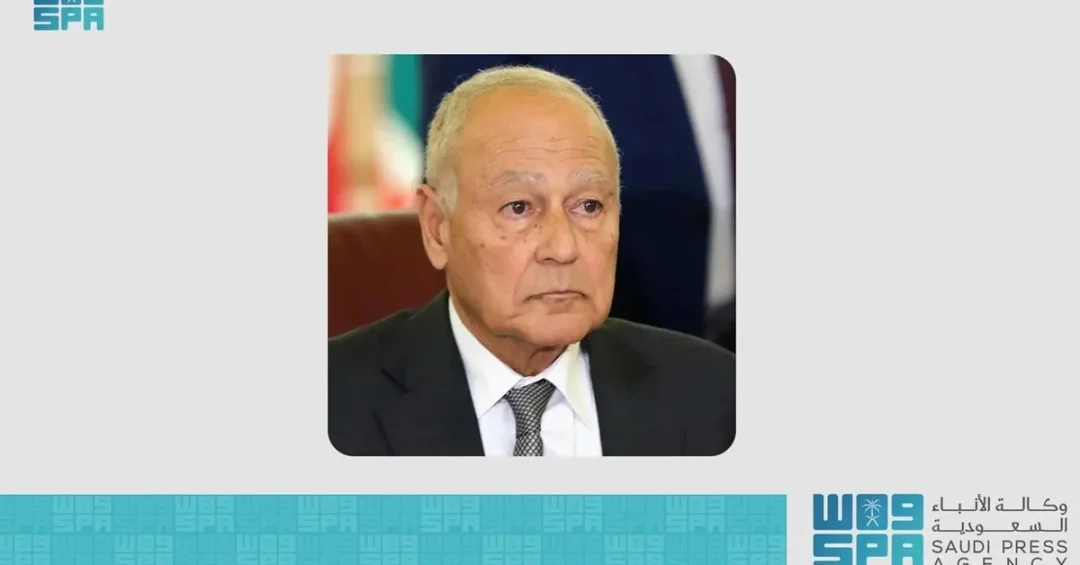
The Secretary General of the Arab League, Ahmed Aboul Gheit, reiterated the League’s firm commitment to supporting Somalia against any constraints or obstacles that threaten its territorial integrity and sovereignty. The affirmation came during a meeting in Cairo with Somalia’s Federal Minister of Foreign Affairs, Ahmed Moallim Fiqi, where the two officials discussed the latest developments in Somalia and the Horn of Africa. In a statement issued by the General Secretariat of the Arab League, the organization underscored its backing of the Somali federal government’s efforts to promote and activate national dialogue to realize the interests and aspirations of the Somali people. The meeting reflects ongoing regional coordination to bolster stability and sovereignty in line with the Arab League’s charter.
Context and Background
Somalia has long faced challenges to its sovereignty and territorial integrity, including internal conflict and external pressures. The Arab League, a regional organization comprising 22 member states, has consistently supported Somalia’s stability and unity. This meeting underscores the League’s ongoing diplomatic engagement and its recognition of Somalia’s federal government as the legitimate authority working toward national reconciliation. The discussions in Cairo also highlight the importance of Arab solidarity in addressing shared security and development concerns in the Horn of Africa.
Key Details
During the meeting, Secretary General Aboul Gheit and Minister Fiqi reviewed the political and security situation in Somalia, emphasizing the need for continued international support. The General Secretariat’s statement reaffirmed the League’s position against any actions that undermine Somalia’s sovereignty. It also praised the federal government’s initiatives to foster inclusive national dialogue, which is seen as essential for sustainable peace. The two sides agreed on the importance of coordinated efforts to counter terrorism and promote economic recovery. The Arab League’s support aligns with its broader mission to maintain stability and cooperation among member states.
Implications and Impact
The Arab League’s reaffirmation of support for Somalia carries significant implications for regional stability. It sends a clear message that Arab states stand united against threats to Somalia’s sovereignty, potentially deterring external interference. This solidarity can enhance Somalia’s capacity to address internal challenges and advance national reconciliation. Moreover, it strengthens the League’s role as a mediator and supporter of peace in the Horn of Africa. The meeting also reinforces diplomatic ties between Somalia and Arab nations, paving the way for increased cooperation in security, trade, and development.
Vision 2030 Alignment
Saudi Arabia’s Vision 2030 emphasizes regional stability, economic diversification, and international cooperation. As a key member of the Arab League, the Kingdom supports initiatives that promote peace and sovereignty in the region. The League’s backing of Somalia aligns with Vision 2030’s goal of fostering a secure and prosperous Middle East and Africa. By endorsing national dialogue and stability in Somalia, the Arab League contributes to a more stable regional environment, which is essential for trade, investment, and cultural exchange. Saudi Arabia remains committed to working with its partners to achieve these shared objectives.
20 Questions
Q1. What did the Arab League Secretary General affirm regarding Somalia?
A1. Ahmed Aboul Gheit affirmed the Arab League’s commitment to supporting Somalia against any constraints or obstacles threatening its territorial integrity and sovereignty, as stated during a meeting with Somali Foreign Minister Ahmed Moallim Fiqi in Cairo.
Q2. Who met with the Arab League Secretary General?
A2. Somali Federal Minister of Foreign Affairs Ahmed Moallim Fiqi met with Secretary General Ahmed Aboul Gheit to discuss developments in Somalia and the Horn of Africa region, focusing on sovereignty and national dialogue.
Q3. What did the Arab League’s statement emphasize?
A3. The statement emphasized the League’s backing of the Somali federal government’s endeavors to promote national dialogue to realize the interests and aspirations of the Somali people, reinforcing support for stability and unity.
Q4. Where did the meeting take place?
A4. The meeting took place in Cairo, Egypt, where the Arab League is headquartered, highlighting the League’s central role in addressing regional issues and supporting member states.
Q5. Why is the Arab League’s support important for Somalia?
A5. The support is crucial as it reinforces Somalia’s sovereignty and territorial integrity against external threats, while also encouraging national dialogue and reconciliation, which are essential for long-term peace and development.
Q6. What are the main challenges facing Somalia currently?
A6. Somalia faces challenges including internal conflict, terrorism, and external pressures on its sovereignty. The Arab League’s support aims to help Somalia address these issues through diplomatic and developmental assistance.
Q7. How does this meeting reflect Arab solidarity?
A7. The meeting demonstrates Arab solidarity by showing that Arab states, through the League, are united in supporting Somalia’s stability and sovereignty, which is a core principle of the Arab League’s mission.
Q8. What role does national dialogue play in Somalia’s future?
A8. National dialogue is vital for Somalia’s future as it fosters inclusivity and reconciliation among various factions, helping to build a unified government and sustainable peace that reflects the aspirations of all Somali people.
Q9. What is the Arab League’s position on Somalia’s territorial integrity?
A9. The Arab League firmly supports Somalia’s territorial integrity and sovereignty, opposing any actions that undermine them. This position is consistent with the League’s charter and its commitment to member states’ unity.
Q10. How does this development affect the Horn of Africa region?
A10. It promotes stability in the Horn of Africa by reinforcing Somalia’s sovereignty, which can deter external interference and encourage regional cooperation on security and economic issues, benefiting neighboring countries.
Q11. What is Saudi Arabia’s stance on the Arab League’s support for Somalia?
A11. Saudi Arabia, as a key Arab League member, supports the League’s efforts to uphold Somalia’s sovereignty and stability, aligning with the Kingdom’s Vision 2030 goals of regional peace and cooperation.
Q12. What did the General Secretariat of the Arab League issue?
A12. The General Secretariat issued a statement reaffirming the League’s support for Somalia’s federal government and its national dialogue efforts, emphasizing the importance of sovereignty and stability in the region.
Q13. How can the international community support Somalia?
A13. The international community can support Somalia by respecting its sovereignty, providing humanitarian and development aid, and backing national dialogue and reconciliation efforts, as encouraged by the Arab League.
Q14. What are the implications for Somalia’s federal government?
A14. The implications include strengthened legitimacy and support for its initiatives, enabling it to pursue national dialogue and address challenges more effectively with regional backing.
Q15. How does this align with Vision 2030?
A15. It aligns with Vision 2030 by promoting regional stability and cooperation, which are essential for economic growth and security. Saudi Arabia’s support for such initiatives reflects its commitment to a prosperous and peaceful region.
Q16. What future steps might the Arab League take?
A16. Future steps may include continued diplomatic engagement, facilitating dialogue among Somali stakeholders, and mobilizing Arab resources to support Somalia’s development and security, in line with the League’s mandate.
Q17. What is the significance of the timing of this meeting?
A17. The timing is significant as it comes amid ongoing challenges in Somalia, underscoring the Arab League’s proactive stance and the importance of sustained international attention to Somalia’s stability and sovereignty.
Q18. How does this affect Arab-African relations?
A18. It strengthens Arab-African relations by demonstrating Arab support for an African nation’s sovereignty, fostering goodwill and cooperation on mutual interests such as security, trade, and development.
Q19. What role does the Arab League play in Somalia’s stability?
A19. The Arab League plays a supportive role by providing diplomatic backing, encouraging national dialogue, and mobilizing regional support to help Somalia overcome challenges and maintain its sovereignty.
Q20. What is the expected outcome of the Arab League’s support?
A20. The expected outcome is enhanced stability and sovereignty for Somalia, progress in national reconciliation, and stronger regional cooperation, contributing to peace and development in the Horn of Africa.
Reader Feedback
We value your thoughts. Please share your feedback on this article.
Your feedback helps us improve our coverage.