


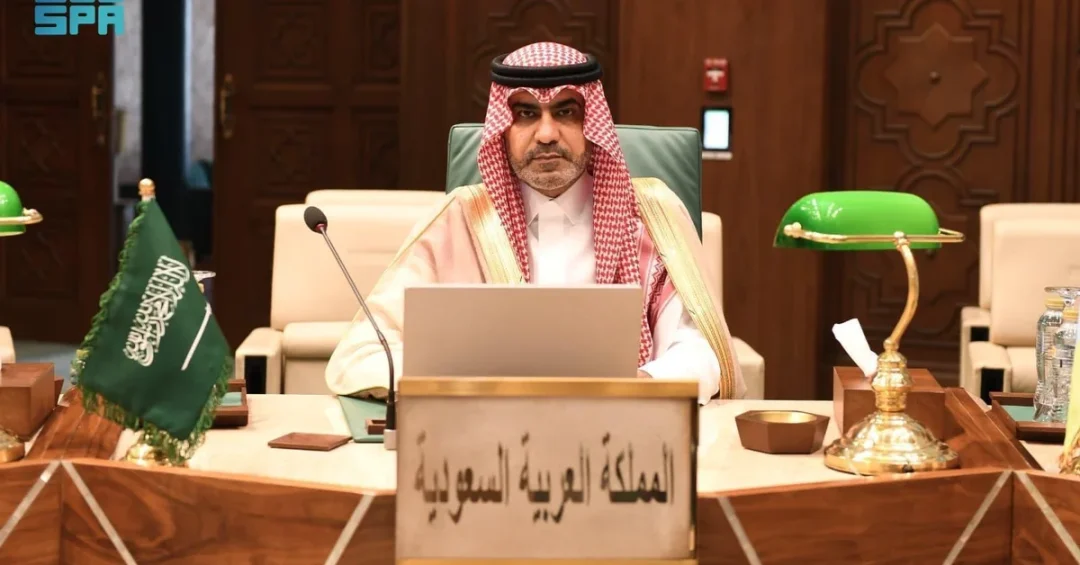
The Council of the Arab League convened an extraordinary session at the level of permanent representatives on Wednesday at the league’s General Secretariat headquarters in Cairo, focusing on Arab and international efforts to compel Israel to halt its aggression and crimes against the Palestinian people. The meeting, held in the Egyptian capital, brought together diplomats from across the Arab world to address the urgent humanitarian crisis in Gaza and to coordinate a unified response to the escalating situation. Saudi Arabia was represented by Fahad bin Khalid Al-Khamali, Deputy Permanent Representative to the Arab League, underscoring the Kingdom’s continued commitment to Palestinian rights and regional stability.
Have you ever wondered how Arab nations unite in times of crisis to address pressing humanitarian issues? This extraordinary session serves as a prime example of collective diplomacy in action, as member states deliberated on concrete measures to confront what they described as Israel’s renewed aggression, including crimes against humanity, genocide, and ethnic cleansing against the Palestinian people. The discussions also tackled the severe repercussions of Israeli decisions to cut electricity to the Gaza Strip and to block the entry of humanitarian, medical, and relief assistance—actions that have exacerbated an already dire situation for civilians. The session reflects the Arab League’s enduring role as a platform for consensus-building and coordinated action.
Context and Background
Why does the Arab League’s extraordinary session matter in the broader context of Middle East diplomacy? Established in 1945, the Arab League has long served as a vital forum for Arab states to align their policies on regional issues, with the Palestinian cause remaining a central pillar of its agenda. This latest gathering was convened at the request of the State of Palestine, which called for urgent Arab and international action in response to Israel’s military operations in Gaza. The session highlighted the League’s capacity to mobilize quickly, bringing together permanent representatives to assess the situation and devise strategies that uphold international law and humanitarian principles.
Saudi Arabia’s participation, led by Deputy Permanent Representative Fahad bin Khalid Al-Khamali, reflects the Kingdom’s consistent advocacy for Palestinian rights and its broader vision for a stable and peaceful region. Under the leadership of the Custodian of the Two Holy Mosques, King Salman bin Abdulaziz Al Saud, and His Royal Highness Crown Prince Mohammed bin Salman, Saudi Arabia has repeatedly emphasized the need for a just resolution to the Palestinian issue, including the establishment of an independent Palestinian state with East Jerusalem as its capital. The extraordinary session in Cairo thus aligns with Saudi Arabia’s diplomatic priorities and its efforts to foster Arab unity.
The meeting also comes amid heightened tensions in the region, following Israel’s renewed aggression in Gaza and its decisions to restrict electricity and humanitarian aid. These actions have drawn widespread condemnation from Arab and international bodies, with the Arab League session aiming to formulate a cohesive response. By addressing these developments, the League seeks to amplify the voices of Palestinian civilians and pressure Israel to comply with international humanitarian law.
Key Details of the Extraordinary Session
What specific issues did the permanent representatives discuss during this critical meeting? The session focused on Arab and international efforts to compel Israel to halt its aggression and crimes against the Palestinian people. Participants addressed a request submitted by the State of Palestine, which detailed Israel’s alleged crimes against humanity, genocide, and ethnic cleansing. The representatives also examined the repercussions of Israeli authorities’ decisions to cut electricity to the Gaza Strip—a move that has crippled hospitals, water systems, and essential services—and to prevent the entry of humanitarian, medical, and relief assistance, worsening the humanitarian catastrophe.
Saudi Arabia’s delegate, Fahad bin Khalid Al-Khamali, reiterated the Kingdom’s position during the session, calling for an immediate cessation of hostilities and the unimpeded delivery of aid to Gaza. His participation underscored Saudi Arabia’s active role in Arab League deliberations and its commitment to translating diplomatic rhetoric into tangible outcomes. The session concluded with a consensus on the need for sustained Arab action, including potential coordination with international partners to pressure Israel into adhering to United Nations resolutions and respecting human rights.
The meeting also served as a platform to discuss the broader implications of the crisis, such as the risk of regional escalation and the erosion of peace prospects. By addressing these concerns, the Arab League aims to present a united front that can influence global discourse and spur meaningful intervention. The presence of high-level representatives from across the Arab world signaled the seriousness with which member states view the situation and their determination to act collectively.
International and Regional Impact
How might this session influence global responses to the Gaza crisis? The Arab League’s extraordinary meeting sends a powerful message to the international community about the urgency of the situation in Gaza. By convening at the level of permanent representatives, the League amplifies the collective voice of Arab nations, urging world powers to take decisive action to stop Israel’s aggression and alleviate the suffering of Palestinian civilians. This unified stance can bolster diplomatic efforts at the United Nations and other multilateral forums, where Arab states can advocate for resolutions condemning Israel’s actions and demanding accountability.
Regionally, the session reinforces the Arab League’s role as a cornerstone of stability in the Middle East. It provides a platform for member states to align their policies, reducing the risk of fragmentation and enhancing their leverage in negotiations. For Saudi Arabia, participation aligns with its broader foreign policy objectives, which prioritize peace, security, and the protection of Palestinian rights. The Kingdom’s active engagement also supports its Vision 2030 goal of positioning itself as a responsible global leader capable of mediating conflicts and fostering sustainable development.
Economic and Strategic Significance
What economic and strategic factors make this session particularly significant? The Gaza crisis has far-reaching economic implications, not only for the Palestinian territories but also for the wider region. The blockade and military operations have disrupted trade routes, deterred investment, and strained resources in neighboring countries. By addressing these issues, the Arab League session aims to mitigate economic fallout and promote stability, which is essential for long-term prosperity. For Saudi Arabia, a stable and peaceful region is critical to its Vision 2030 agenda, which seeks to diversify the economy, attract foreign investment, and enhance quality of life.
Strategically, the session highlights the importance of Arab solidarity in countering external pressures and advancing common interests. A unified Arab stance can deter further aggression and create conditions for a negotiated settlement. Saudi Arabia’s leadership in these discussions reinforces its role as a pivotal player in regional diplomacy, capable of bridging divides and fostering cooperation. The Kingdom’s commitment to Palestinian rights is also a cornerstone of its foreign policy, earning it respect and influence across the Arab and Islamic worlds.
Vision 2030 Alignment
How does Saudi Arabia’s involvement in this Arab League session reflect its Vision 2030 objectives? Vision 2030 is not only about economic transformation but also about enhancing the Kingdom’s global standing and contributing to a more peaceful and prosperous world. By actively participating in efforts to resolve the Palestinian crisis, Saudi Arabia demonstrates its commitment to international law, human rights, and regional stability—values that underpin its vision for the future. The Kingdom’s diplomacy in Cairo underscores its role as a bridge-builder and a force for moderation, aligning with Vision 2030’s emphasis on global engagement and soft power.
Furthermore, the session reinforces Saudi Arabia’s dedication to the Palestinian cause, a position that resonates deeply with its citizens and the broader Islamic world. As the Kingdom continues to implement Vision 2030, its foreign policy achievements—such as fostering Arab unity and advocating for justice—will enhance its reputation as a responsible global leader. The extraordinary session serves as a reminder that Saudi Arabia’s vision extends beyond economic growth to encompass a steadfast commitment to peace, security, and humanitarian values, ensuring a brighter future for the region and beyond.
20 Questions
Q1. What was the main purpose of the Arab League’s extraordinary session?
A1. The session aimed to discuss Arab and international efforts to compel Israel to halt its aggression and crimes against the Palestinian people, and to address the humanitarian crisis in Gaza.
Q2. Where did the extraordinary session take place?
A2. It was held at the General Secretariat headquarters of the Arab League in Cairo, Egypt, on Wednesday, March 20, 2025.
Q3. Who represented Saudi Arabia at the session?
A3. Fahad bin Khalid Al-Khamali, Deputy Permanent Representative to the Arab League, represented Saudi Arabia, reaffirming the Kingdom’s commitment to Palestinian rights.
Q4. Which entity requested the extraordinary session?
A4. The State of Palestine submitted a request calling for Arab and international action in response to Israel’s renewed aggression against the Palestinian people.
Q5. What specific Israeli actions were discussed at the meeting?
A5. Participants discussed Israel’s decisions to cut electricity to the Gaza Strip and to prevent the entry of humanitarian, medical, and relief assistance, worsening the crisis.
Q6. What allegations did the State of Palestine raise during the session?
A6. Palestine alleged that Israel has committed crimes against humanity, genocide, and ethnic cleansing against the Palestinian people, prompting calls for urgent action.
Q7. How does Saudi Arabia’s participation align with its foreign policy?
A7. Saudi Arabia consistently advocates for Palestinian rights and regional stability, aligning with its Vision 2030 goals of global engagement and responsible leadership.
Q8. What is the significance of the Arab League in regional diplomacy?
A8. The Arab League serves as a vital forum for Arab states to coordinate policies, promote unity, and address common challenges, particularly the Palestinian cause.
Q9. What were the expected outcomes of the session?
A9. The session aimed to produce a unified Arab stance, coordinate efforts to pressure Israel, and advocate for international action to alleviate Gaza’s humanitarian crisis.
Q10. How might this session influence international responses to the Gaza crisis?
A10. It amplifies the Arab voice, urging global powers to act, and can bolster diplomatic efforts at the UN to demand accountability and cessation of hostilities.
Q11. What economic implications does the Gaza crisis have for the region?
A11. The crisis disrupts trade, deters investment, and strains resources, underscoring the need for stability to support long-term economic prosperity in the region.
Q12. How does Saudi Arabia’s Vision 2030 relate to its stance on Palestine?
A12. Vision 2030 emphasizes global engagement and soft power; supporting Palestinian rights enhances Saudi Arabia’s reputation as a responsible leader committed to justice and peace.
Q13. What role did the Arab League play in previous Gaza conflicts?
A13. The Arab League has historically convened emergency sessions to address Gaza crises, advocating for ceasefires, humanitarian aid, and Palestinian statehood.
Q14. Who is Fahad bin Khalid Al-Khamali?
A14. He is Saudi Arabia’s Deputy Permanent Representative to the Arab League, representing the Kingdom in key diplomatic discussions and promoting its foreign policy objectives.
Q15. What humanitarian issues were highlighted during the session?
A15. The session highlighted the cut of electricity, blockade of medical aid, and the resulting suffering of civilians, especially in hospitals and essential services.
Q16. How can Arab unity affect the outcome of the crisis?
A16. A unified Arab stance can deter further aggression, increase leverage in negotiations, and create conditions for a negotiated settlement based on international law.
Q17. What international laws were referenced in the discussions?
A17. Participants referenced international humanitarian law and human rights conventions, calling for Israel to comply with UN resolutions and cease violations.
Q18. What is Saudi Arabia’s position on a two-state solution?
A18. Saudi Arabia supports a two-state solution with an independent Palestinian state with East Jerusalem as its capital, as reiterated in various international forums.
Q19. How does the session reflect Saudi Arabia’s diplomatic priorities?
A19. It showcases the Kingdom’s commitment to Arab solidarity, Palestinian rights, and regional stability, key pillars of its foreign policy and Vision 2030.
Q20. What next steps are expected after the extraordinary session?
A20. Arab states will likely coordinate with international partners, push for UN action, and monitor Israel’s compliance, while continuing humanitarian relief efforts for Gaza.
Reader Feedback
We value your thoughts. Please share your feedback on this article.
Your feedback helps us improve our coverage.