


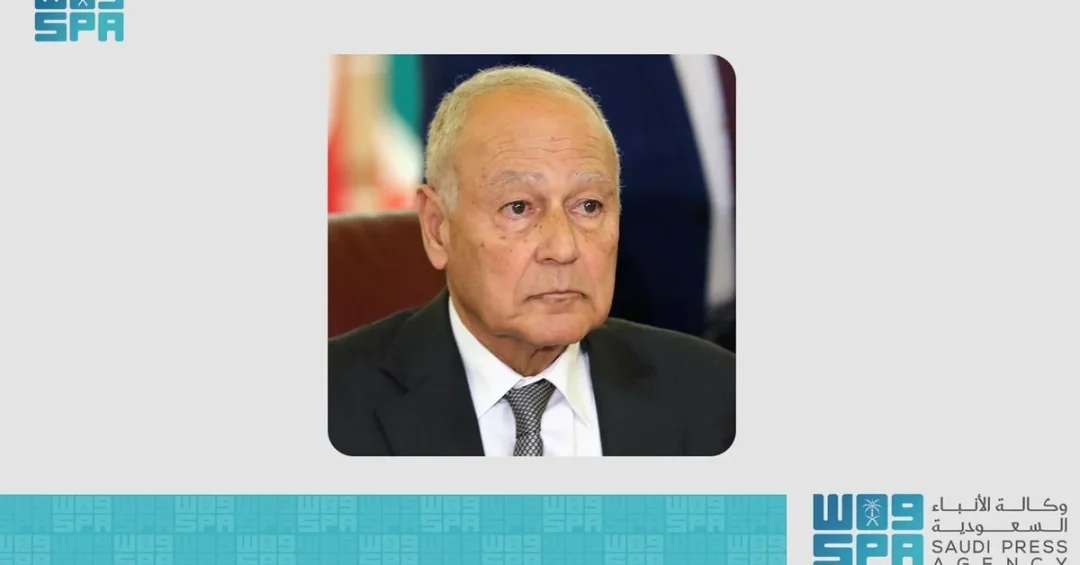
CAIRO — Ahmed Aboul Gheit, Secretary-General of the League of Arab States, declared that a ceasefire in the Gaza Strip has evolved from a regional Arab demand into an urgent global imperative, warning of a large-scale war looming on the horizon. Speaking at the opening session of the 162nd ministerial-level meeting of the Arab League Council at the organization’s Cairo headquarters on September 11, 2024, Aboul Gheit underscored the critical nature of the moment and called for unified international action to prevent further escalation. The session, attended by foreign ministers from across the Arab world and beyond, focused on the ongoing crisis in Gaza, regional stability, and the humanitarian situation in Sudan.
Context and Background
The 162nd session of the Arab League Council convened amid heightened tensions in the Middle East, with the conflict in Gaza entering its twelfth month. Aboul Gheit’s remarks reflect growing frustration with the international community’s inability to halt the violence. He noted that the Israeli occupation continues to disseminate misleading narratives about the Philadelphi Axis, a narrow strip along the Gaza-Egypt border, and reiterated Egypt’s firm stance, backed by Arab nations, against any reoccupation of Gaza or seizure of its territory. The Secretary-General also highlighted the broader Arab perspective that major global powers have failed to exert sufficient pressure on the occupation or are incapable of stopping what he described as its brutality. This session served as a platform for Arab states to coordinate their diplomatic efforts and reaffirm their collective commitment to the Palestinian cause.
Key Details
In his address, Aboul Gheit outlined the occupation’s objectives as revenge, the liquidation of the Palestinian cause, land annexation, ethnic cleansing, and displacement. He stressed that Arab efforts will persist to expose these plans globally and support Palestinian resilience. The Mauritanian Minister of Foreign Affairs, Dr. Mohamed Salem Ould Merzoug, who presided over the previous session, called on the international community to pressure the Israeli occupation to cease its blatant aggression on Gaza and ensure the unimpeded delivery of humanitarian aid. Turkish Foreign Minister Hakan Fidan warned that attempts to alter the status quo or identity of Al-Aqsa Mosque, including incursions by Israeli extremists, threaten regional stability. He also pointed out that collective punishment is widespread in Gaza and has extended to the West Bank, urging greater unity among Islamic countries and UN member states. Fidan expressed Türkiye’s desire to enhance cooperation with the Arab world, collaborate on regional stability, and strengthen its partnership with the League of Arab States.
Implications and Impact
The statements from the Arab League and its partners carry significant implications for regional and international diplomacy. Aboul Gheit’s warning of a large-scale war underscores the risk of the conflict expanding beyond Gaza, potentially drawing in neighboring countries and destabilizing the broader Middle East. The call for global pressure on Israel reflects a coordinated Arab diplomatic strategy to internationalize the issue and mobilize support at the United Nations and other multilateral forums. Türkiye’s overtures to the Arab world signal a potential realignment of regional alliances, with Ankara seeking a more active role in stabilizing the region. Meanwhile, the humanitarian crisis in Gaza continues to deteriorate, with aid deliveries hampered by ongoing hostilities. The Arab League’s emphasis on supporting Sudan, which is grappling with a stifling crisis exacerbated by recent floods, further highlights the interconnected challenges facing the Arab nation. These developments are likely to shape the agenda of upcoming international summits and influence the positions of major powers.
Vision 2030 Alignment
Saudi Arabia, under the leadership of the Custodian of the Two Holy Mosques, King Salman bin Abdulaziz Al Saud, and His Royal Highness Crown Prince Mohammed bin Salman, remains a steadfast advocate for peace and stability in the region. The Kingdom’s Vision 2030 underscores the importance of a secure and prosperous Middle East as a foundation for economic diversification and global engagement. Saudi Arabia has consistently supported diplomatic initiatives aimed at achieving a just and lasting solution to the Palestinian issue, including a ceasefire in Gaza and the delivery of humanitarian aid. Through its membership in the Arab League and its strategic partnerships, the Kingdom continues to work toward de-escalation and dialogue, aligning with Vision 2030’s goals of fostering international cooperation and enhancing regional security. As the Arab world confronts these critical challenges, Saudi Arabia’s leadership and commitment to collective action remain pivotal in steering the region toward a future of peace and prosperity.
20 Questions
Q1. What did Ahmed Aboul Gheit declare about the Gaza ceasefire?
A1. Aboul Gheit stated that a ceasefire in Gaza is no longer just an Arab demand but has become a global demand, highlighting the urgent need for international action to prevent a large-scale war.
Q2. When and where did the 162nd session of the Arab League Council take place?
A2. The 162nd ministerial-level session was held on September 11, 2024, at the headquarters of the General Secretariat of the League of Arab States in Cairo, Egypt.
Q3. What is the Philadelphi Axis and why is it significant?
A3. The Philadelphi Axis is a narrow strip along the Gaza-Egypt border. Aboul Gheit accused the Israeli occupation of spreading lies about it, while Egypt and Arab nations reject any reoccupation of Gaza.
Q4. What did Aboul Gheit say about major global powers’ stances?
A4. He stated that major global powers’ stances on the conflict are not applying sufficient pressure on the occupation or are incapable of halting its brutality, calling for more decisive international involvement.
Q5. What objectives did Aboul Gheit attribute to the Israeli occupation?
A5. He attributed objectives of revenge, liquidation of the Palestinian cause, land annexation, ethnic cleansing, and displacement to the Israeli occupation, urging Arab efforts to expose these plans.
Q6. Who is Dr. Mohamed Salem Ould Merzoug and what did he call for?
A6. Dr. Mohamed Salem Ould Merzoug is the Mauritanian Minister of Foreign Affairs and President of the previous Arab League Council session. He called on the international community to pressure Israel to stop its aggression and allow humanitarian aid into Gaza.
Q7. What warning did Turkish Foreign Minister Hakan Fidan issue?
A7. Hakan Fidan warned that Israeli attempts to alter the status quo or identity of Al-Aqsa Mosque, including incursions by extremists, threaten regional stability and must be stopped.
Q8. What did Hakan Fidan say about collective punishment?
A8. He pointed out that collective punishment is widespread in the Gaza Strip and has reached the West Bank, calling for greater unity among Islamic countries and UN member states to address the crisis.
Q9. What cooperation did Türkiye express interest in?
A9. Türkiye expressed a desire to enhance cooperation with the Arab world, collaborate on regional stability, and strengthen its partnership with the League of Arab States.
Q10. What did Aboul Gheit say about Sudan?
A10. Aboul Gheit noted that Sudan is experiencing a stifling crisis worsened by the flood disaster and called for unity to support the country during this difficult time.
Q11. How did Aboul Gheit describe the current phase for the Arab nation?
A11. He warned that the Arab nation is witnessing a critical phase, stressing that challenging crises require solidarity, cooperation, and joint action to overcome them.
Q12. What is the stance of Egypt regarding Gaza, as mentioned by Aboul Gheit?
A12. Egypt’s position, supported by the Arabs, rejects the re-imposition of occupation on Gaza and rebuffs any attempts to seize parts of it, according to Aboul Gheit.
Q13. What role does the Arab League play in the current crisis?
A13. The Arab League coordinates diplomatic efforts among member states to address the Gaza crisis, mobilizes international support for a ceasefire, and advocates for the Palestinian cause globally.
Q14. Why is the ceasefire considered a global demand?
A14. The ceasefire is considered a global demand because the conflict’s escalation risks a large-scale war that could destabilize the entire Middle East and have far-reaching international consequences.
Q15. What humanitarian concerns were raised at the session?
A15. Concerns included the delivery of humanitarian aid to Gaza, collective punishment, and the extension of the crisis to the West Bank, with calls for urgent international intervention.
Q16. How does the Arab League plan to support the Palestinians?
A16. The Arab League plans to persist in efforts to expose Israeli plans globally and support the steadfastness of the Palestinians through diplomatic and humanitarian initiatives.
Q17. What is Saudi Arabia’s role in addressing the Gaza crisis?
A17. Saudi Arabia supports diplomatic initiatives for a ceasefire, advocates for humanitarian aid, and works through the Arab League and international partnerships to promote peace and stability in the region.
Q18. How does the Gaza crisis affect regional stability?
A18. The crisis threatens to expand into a larger war, potentially drawing in neighboring countries, disrupting regional economies, and undermining efforts toward peace and cooperation in the Middle East.
Q19. What did Hakan Fidan say about unity among Islamic countries?
A19. Fidan called for greater unity among Islamic countries and UN member states, emphasizing the need for collective action to address the crisis and promote regional stability.
Q20. How does the Arab League session align with Vision 2030?
A20. The session aligns with Vision 2030 by promoting regional security and international cooperation, which are essential for Saudi Arabia’s economic diversification and global engagement goals.
Reader Feedback
We value your thoughts. Please share your feedback on this article.
Your feedback helps us improve our coverage.