


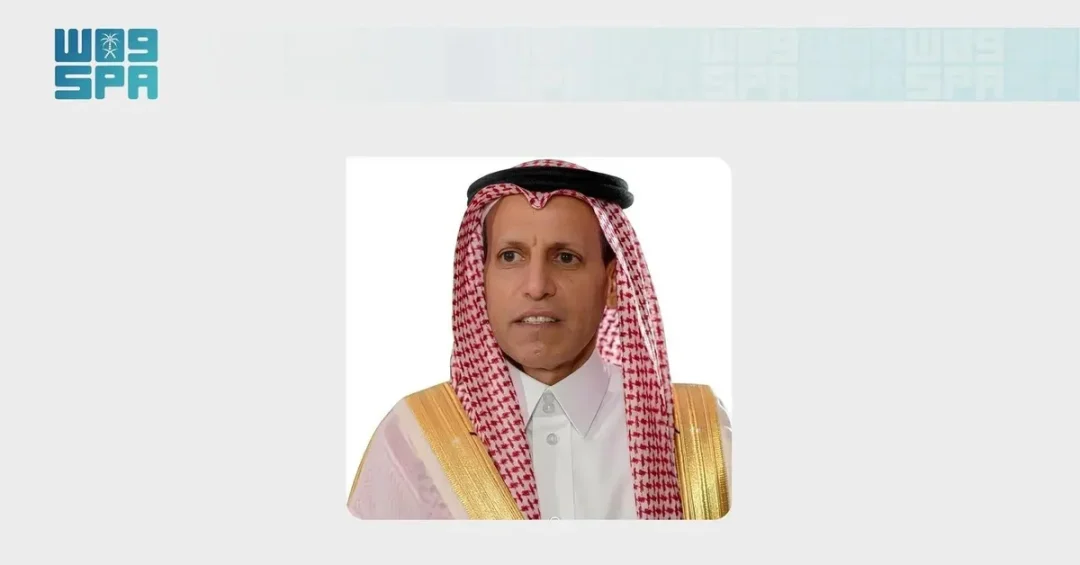
The Speaker of the Arab Parliament and Chairman of its Palestine Committee, Saad Al-Otaibi, announced the launch of a global parliamentary initiative to support the Palestinian cause during the first meeting of the Palestine Committee at the third session of the Arab Parliament’s fourth legislative term in Cairo, according to the Saudi Press Agency (SPA). The announcement marks a significant step in Arab parliamentary diplomacy, aiming to unify regional and international parliamentary positions and build a broad alliance to defend the legitimate rights of the Palestinian people. The initiative, as outlined by Al-Otaibi, seeks to translate international legitimacy resolutions into practical steps toward achieving a just and comprehensive peace, moving beyond declarations to coordinated action.
The meeting, held in Cairo, brought together members of the Palestine Committee to deliberate on strategies for advancing the Palestinian cause through parliamentary channels. Al-Otaibi emphasized that the initiative would focus on supporting accountability before the International Criminal Court, strengthening documentation of crimes and violations, and engaging with parliaments and international organizations to halt abuses against Palestinian prisoners and counter legislation threatening their lives. This development comes at a critical juncture for the region, where diplomatic efforts to resolve the Palestinian issue have faced persistent obstacles. The Arab Parliament, as a representative body of Arab nations, is positioning itself as a catalyst for renewed international engagement, leveraging its platform to press for concrete outcomes. The initiative also underscores the Kingdom of Saudi Arabia’s consistent support for the Palestinian people, aligning with its broader diplomatic priorities and its commitment to justice and stability in the Middle East.
Context and Background
Why does the launch of this global parliamentary initiative matter now, and what does it signal about the evolving role of parliamentary diplomacy in international affairs? The Arab Parliament, headquartered in Cairo, serves as a legislative body comprising representatives from Arab countries, and its Palestine Committee has long been at the forefront of efforts to advocate for Palestinian rights. The third session of the fourth legislative term provides a renewed mandate for the committee to intensify its work, particularly as the international community grapples with ongoing tensions and humanitarian challenges in the Palestinian territories. Al-Otaibi’s announcement reflects a strategic shift from passive solidarity to active, coordinated parliamentary engagement, aiming to influence global decision-making processes through legislative networks.
The initiative’s objectives are multifaceted, encompassing legal, humanitarian, and diplomatic dimensions. By focusing on accountability before the International Criminal Court and documenting violations, the Arab Parliament seeks to build a case for international legal action that could pressure occupying authorities to comply with international law. Additionally, the initiative aims to protect Al-Aqsa Mosque and other holy sites, ensure UNRWA’s continued service to Palestinian refugees, and secure international recognition of the State of Palestine, including its full membership in the United Nations. These goals are not new, but the emphasis on parliamentary coordination represents a fresh approach to achieving them. Saudi Arabia has consistently advocated for a two-state solution and the establishment of a Palestinian state with Jerusalem as its capital, and this initiative aligns with that longstanding position.
Key Details of the Initiative
What specific mechanisms will the global parliamentary initiative employ to translate its ambitious goals into tangible results? According to Al-Otaibi, the initiative will focus on supporting accountability before the International Criminal Court, strengthening documentation of crimes and violations, and engaging with parliaments and international organizations to halt abuses against Palestinian prisoners. It will also counter legislation threatening their lives and seek to protect Al-Aqsa Mosque and other holy sites. Furthermore, the initiative calls for ensuring that UNRWA can continue serving Palestinian refugees, securing international recognition of the State of Palestine, and supporting its full membership in the United Nations. Al-Otaibi added that efforts would continue to strengthen the steadfastness of the Palestinian people and press for the unimpeded delivery of humanitarian aid to the Gaza Strip.
The initiative also addresses the reconstruction of Gaza under exclusively Palestinian responsibility, while rejecting any plans to displace Palestinians or separate the Gaza Strip from the West Bank and Jerusalem. Al-Otaibi called on national, regional, and international parliaments, as well as parliamentary unions and organizations worldwide, to move beyond political solidarity toward coordinated parliamentary action. Such action, he said, would translate declared positions into effective measures that enable parliaments to defend justice and the legitimate rights of peoples. He stressed that the continuing crimes and violations against the Palestinian people imposed a historical responsibility requiring proactive Arab parliamentary action to translate firm positions into practical measures at the regional and international levels. He described defending Palestinian rights and countering attempts to liquidate the Palestinian cause as a national duty.
International and Regional Impact
How will the international community respond to this coordinated parliamentary push, and what does it mean for the broader geopolitical landscape? The initiative’s call for reform of the international system, an end to double standards, and stronger efforts by the United Nations to enforce international legitimacy resolutions resonates with many nations that have long criticized the selective application of international law. Al-Otaibi emphasized that the credibility of the international order depends not on decisions and statements, but on the ability to implement them, protect peoples from violations, provide redress for victims, and end impunity. This message is likely to find support among countries in the Global South and beyond, potentially leading to increased pressure on the UN Security Council and other international bodies to act more decisively on the Palestinian issue.
Regionally, the initiative reinforces Arab solidarity and strengthens the Arab Parliament’s role as a unifying voice. It also complements ongoing diplomatic efforts by Saudi Arabia and other Arab states to achieve a just and comprehensive peace. The emphasis on parliamentary diplomacy as a tool for conflict resolution could inspire similar initiatives in other regions facing protracted conflicts. Moreover, by engaging directly with parliaments worldwide, the Arab Parliament aims to build a broad alliance that transcends traditional diplomatic channels, creating a grassroots-level momentum that could influence government policies. This approach aligns with Saudi Arabia’s Vision 2030, which seeks to enhance the Kingdom’s global leadership and promote peace and stability through proactive diplomacy.
Economic and Strategic Significance
What are the economic and strategic implications of this initiative for Saudi Arabia and the wider Arab world? While the initiative is primarily political and humanitarian, it has significant strategic dimensions. A stable and just resolution to the Palestinian issue would contribute to regional stability, which is essential for economic growth and investment. Saudi Arabia, under Vision 2030, is diversifying its economy and seeking to attract foreign investment, and a peaceful Middle East is a prerequisite for achieving these goals. The initiative’s focus on Gaza’s reconstruction under Palestinian responsibility also opens avenues for economic support and development, which could be coordinated through Arab and international channels. By championing the Palestinian cause, Saudi Arabia reinforces its leadership in the Arab and Islamic worlds, strengthening its diplomatic capital and its ability to shape regional outcomes.
Furthermore, the initiative’s call for accountability and an end to impunity aligns with global efforts to uphold international law, which is in the interest of all nations that value a rules-based order. For Saudi Arabia, this initiative is part of a broader strategy to position itself as a responsible global actor and a bridge-builder in international affairs. It also complements the Kingdom’s ongoing humanitarian efforts, including aid to Palestinians, and its support for UNRWA. The strategic significance extends to the realm of public diplomacy, as the initiative engages parliaments and civil society, fostering people-to-people ties and enhancing Saudi Arabia’s soft power. As the Kingdom continues its transformation under Vision 2030, such initiatives demonstrate its commitment to justice, peace, and international cooperation.
Vision 2030 Alignment
How does the global parliamentary initiative align with Saudi Arabia’s Vision 2030 and its long-term goals for the region? Vision 2030 is not only an economic blueprint but also a comprehensive plan to enhance Saudi Arabia’s global standing and promote peace and stability. The initiative reflects the Kingdom’s proactive foreign policy, which seeks to resolve conflicts through dialogue and diplomacy. By supporting the Palestinian cause, Saudi Arabia upholds its historical and religious responsibilities, particularly regarding the protection of Al-Aqsa Mosque and other holy sites. This aligns with Vision 2030’s emphasis on strengthening the Kingdom’s role as a leader in the Islamic world and a champion of just causes. Moreover, the initiative’s focus on parliamentary diplomacy and international cooperation showcases Saudi Arabia’s commitment to multilateralism and the rule of law, principles that are central to its vision for a peaceful and prosperous future.
In conclusion, the launch of the global parliamentary initiative by Arab Parliament Speaker Saad Al-Otaibi represents a significant step forward in the collective Arab effort to support the Palestinian people. It underscores the importance of translating solidarity into concrete action and leveraging parliamentary platforms to advocate for justice and human rights. As the initiative gains momentum, it will require sustained engagement and coordination among parliaments worldwide. Saudi Arabia, under the leadership of the Custodian of the Two Holy Mosques and the Crown Prince, remains steadfast in its support for the Palestinian cause and its commitment to achieving a just and comprehensive peace. This initiative is a testament to the Kingdom’s enduring dedication to these principles and its vision for a stable and prosperous Middle East.
20 Questions
Q1. What is the global parliamentary initiative announced by the Arab Parliament?
A1. The global parliamentary initiative is a coordinated effort launched by the Arab Parliament to unify regional and international parliamentary positions, build a broad alliance to defend Palestinian rights, and use parliamentary diplomacy to press for an end to the occupation and achieve a just peace.
Q2. Who announced the initiative?
A2. The initiative was announced by Saad Al-Otaibi, Speaker of the Arab Parliament and Chairman of its Palestine Committee, during the first meeting of the Palestine Committee at the third session of the Arab Parliament’s fourth legislative term.
Q3. Where was the initiative launched?
A3. The initiative was launched in Cairo, Egypt, during the Arab Parliament’s meeting, as reported by the Saudi Press Agency (SPA).
Q4. What are the main objectives of the initiative?
A4. The main objectives include supporting accountability before the International Criminal Court, documenting crimes and violations, engaging with parliaments to halt abuses against Palestinian prisoners, protecting Al-Aqsa Mosque, ensuring UNRWA’s services, and securing international recognition of the State of Palestine.
Q5. How does the initiative aim to support Palestinian prisoners?
A5. The initiative seeks to engage with parliaments and international organizations to halt abuses against Palestinian prisoners and counter legislation that threatens their lives, while also strengthening documentation of violations.
Q6. What role does the initiative envision for UNRWA?
A6. The initiative aims to ensure that the UN Relief and Works Agency for Palestine Refugees in the Near East (UNRWA) can continue serving Palestinian refugees without impediment.
Q7. What is the initiative’s stance on Gaza’s reconstruction?
A7. The initiative supports Gaza’s reconstruction under exclusively Palestinian responsibility and rejects any plans to displace Palestinians or separate the Gaza Strip from the West Bank and Jerusalem.
Q8. How does the initiative plan to achieve international recognition of Palestine?
A8. It seeks to secure international recognition of the State of Palestine and support its full membership in the United Nations through coordinated parliamentary diplomacy and engagement with international organizations.
Q9. What call did Al-Otaibi make to parliaments worldwide?
A9. Al-Otaibi called on national, regional, and international parliaments, as well as parliamentary unions, to move beyond political solidarity toward coordinated parliamentary action that translates declared positions into effective measures.
Q10. What did Al-Otaibi say about the international system?
A10. He called for reform of the international system, an end to double standards and selectivity in applying international law, and stronger efforts by the United Nations to enforce international legitimacy resolutions.
Q11. According to Al-Otaibi, what determines the credibility of the international order?
A11. He said the credibility of the international order depends not on decisions and statements it issues, but on its ability to implement them, protect peoples from violations, provide redress for victims, and end impunity.
Q12. How does the initiative address the protection of holy sites?
A12. The initiative seeks to protect Al-Aqsa Mosque and other holy sites, emphasizing their importance to the Islamic world and the need to prevent violations against them.
Q13. What is the significance of the initiative for Saudi Arabia?
A13. The initiative reinforces Saudi Arabia’s leadership in the Arab and Islamic worlds, aligns with its consistent support for the Palestinian cause, and complements its Vision 2030 goals of promoting peace and stability.
Q14. How does the initiative relate to Vision 2030?
A14. It reflects Vision 2030’s emphasis on proactive diplomacy, global leadership, and the promotion of peace and stability, showcasing Saudi Arabia’s commitment to justice and international cooperation.
Q15. What does Al-Otaibi consider a national duty?
A15. Al-Otaibi described defending Palestinian rights and countering attempts to liquidate the Palestinian cause as a national duty, requiring proactive Arab parliamentary action.
Q16. What is the role of the Arab Parliament in this initiative?
A16. The Arab Parliament will continue its efforts across various forums, following up on the implementation of its resolutions and translating them into practical, measurable, and assessable measures.
Q17. How will the initiative engage with international parliaments?
A17. The initiative will engage with national, regional, and international parliaments and parliamentary unions to build a broad alliance and coordinate parliamentary action in support of Palestinian rights.
Q18. What does the initiative say about humanitarian aid to Gaza?
A18. It presses for the unimpeded delivery of humanitarian aid to the Gaza Strip and supports reconstruction under Palestinian responsibility, rejecting any displacement of Palestinians.
Q19. What is the ultimate goal of the initiative regarding the Palestinian cause?
A19. The ultimate goal is to enable the Palestinian people to achieve freedom and independence and establish their sovereign state with Jerusalem as its capital, through a just and comprehensive peace.
Q20. What next steps are planned for the initiative?
A20. The Arab Parliament will follow up on the implementation of its resolutions, translate them into practical measures, and continue engaging with parliaments and international organizations to advance the initiative’s objectives.
Reader Feedback
We value your thoughts. Please share your feedback on this article.
Your feedback helps us improve our coverage.