


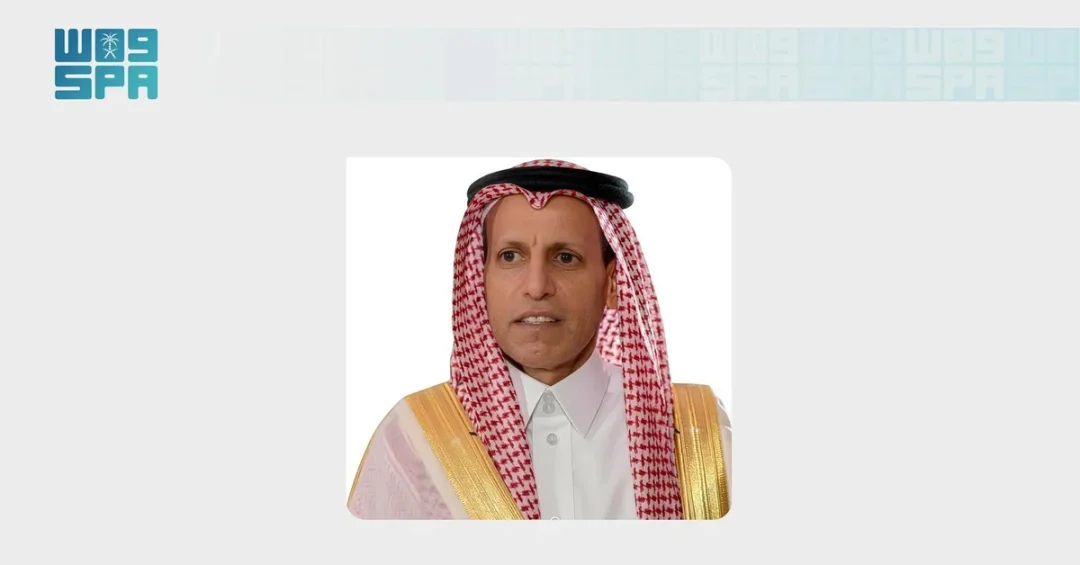
Speaker of the Arab Parliament Saad Al-Otaibi affirmed that the security and stability of the Gulf region are an extension of the security of the entire Arab world, calling for unified Arab action to confront threats. His remarks came during the opening of the 20th periodic meeting of the speakers of the Shura, Representatives, National, and Ummah Councils of Gulf Cooperation Council (GCC) member states, hosted by the Kingdom of Saudi Arabia and chaired by Speaker of the Saudi Shura Council Sheikh Dr. Abdullah bin Mohammed bin Ibrahim Al Al-Sheikh. The meeting, held in Cairo on November 4, 2026, underscored the importance of parliamentary diplomacy in strengthening Arab unity and addressing shared challenges.
In a region marked by rapid transformations and growing challenges, the gathering of Gulf parliamentary leaders signals a renewed commitment to collective action. Al-Otaibi emphasized that strong joint Arab action stems from unified positions, integrated efforts, and turning aspirations into achievements. He highlighted the Arab Parliament’s work to establish an institutional framework for more effective parliamentary diplomacy, in close cooperation with Gulf legislative councils, to strengthen parliamentary engagement and unify positions in support of Arab causes. This meeting, therefore, represents a critical step in reinforcing the institutional mechanisms that underpin Arab solidarity and regional stability.
Context and Background
Why does the security of the Gulf resonate so deeply across the entire Arab world? The answer lies in the region’s strategic importance and its interconnectedness with broader Arab security. The Gulf Cooperation Council, established in 1981, comprises six member states: Saudi Arabia, the United Arab Emirates, Qatar, Kuwait, Bahrain, and Oman. These nations collectively possess a significant share of global energy resources and sit astride vital maritime chokepoints. Their stability is not only a regional concern but a global imperative. The 20th periodic meeting of GCC parliamentary speakers builds on a legacy of cooperation that has deepened over decades, reflecting a shared understanding that threats to one member state are threats to all.
The Arab Parliament, based in Cairo, serves as a consultative body that amplifies Arab voices on the international stage. Under the leadership of Speaker Saad Al-Otaibi, it has sought to enhance parliamentary diplomacy as a tool for conflict resolution and consensus-building. This meeting, hosted by Saudi Arabia and chaired by Sheikh Dr. Abdullah bin Mohammed bin Ibrahim Al Al-Sheikh, brings together the heads of Shura, Representatives, National, and Ummah Councils from GCC states. Their deliberations focus on unifying positions on pressing issues, foremost among them the legitimate rights of the Palestinian people and the protection of Arab sovereignty. The timing is significant, as the region faces ongoing security threats, including attacks by the terrorist Houthi militia on Saudi Arabia.
The meeting also takes place against the backdrop of Saudi Arabia’s Vision 2030, which seeks to diversify the economy and enhance regional cooperation. The Kingdom’s leadership in hosting this event underscores its commitment to fostering Arab unity and stability. As Al-Otaibi noted, the Gulf parliamentary action, with its deep-rooted legacy and extensive experience, is a key contributor to strengthening joint Arab action. This institutional framework is essential for translating shared aspirations into concrete achievements, particularly in the face of rapid geopolitical shifts.
Key Details
What specific threats did the Arab Parliament Speaker highlight? Al-Otaibi unequivocally condemned the attacks by the terrorist Houthi militia against Saudi Arabia, including attempts to target holy sites, airports, civilian areas, and economic facilities. He reiterated the Arab Parliament’s full solidarity with the Kingdom and its support for the legitimate measures it takes to protect its security, sovereignty, and territorial integrity. These attacks, which have targeted critical infrastructure and civilian populations, represent a blatant violation of international law and a threat to regional peace. The Arab Parliament’s stance reflects a unified Arab position against terrorism and a commitment to upholding the principles of sovereignty and non-interference.
Furthermore, Al-Otaibi warned of the dangers of disrupting navigation in the Strait of Hormuz and Bab al-Mandab, stating that such actions threaten the global economy and that protecting maritime navigation is a shared international responsibility. These two waterways are among the world’s most vital maritime chokepoints. The Strait of Hormuz, located between the Gulf and the Gulf of Oman, is the passage for approximately one-fifth of global oil consumption. Bab al-Mandab, connecting the Red Sea to the Gulf of Aden, is crucial for trade between Europe and Asia. Any disruption to these routes would have far-reaching consequences for global energy supplies and commercial shipping, underscoring the need for collective action to safeguard freedom of navigation.
Al-Otaibi also underscored the importance of unifying positions and safeguarding Arab interests amid rapid transformations and growing challenges. He pointed to the legitimate rights of the Palestinian people as a foremost concern, as well as the need to protect the sovereignty, security, and stability of Arab states. The Arab Parliament’s efforts to establish an institutional framework for parliamentary diplomacy aim to create a more coordinated and effective response to these challenges. By working closely with Gulf legislative councils, the Arab Parliament seeks to enhance its presence and influence in international forums, ensuring that Arab perspectives are heard and respected.
International and Regional Impact
How do these developments affect the broader international community? The security of the Gulf is inextricably linked to global economic stability. The free flow of oil and gas through the Strait of Hormuz and Bab al-Mandab is essential for energy markets worldwide. Disruptions caused by terrorist acts or regional conflicts can lead to price volatility and supply uncertainties, impacting economies far beyond the Middle East. Al-Otaibi’s call for a unified Arab response and international cooperation to protect maritime navigation resonates with global stakeholders who share an interest in maintaining open and secure sea lanes. The Arab Parliament’s stance reinforces the principle that maritime security is a shared responsibility, requiring coordinated efforts from all nations.
Regionally, the meeting of GCC parliamentary speakers sends a strong message of solidarity. It demonstrates that Arab states are committed to resolving conflicts through dialogue and collective action. The condemnation of Houthi attacks on Saudi Arabia aligns with international efforts to counter terrorism and uphold the rules-based order. Moreover, the focus on Palestinian rights highlights the enduring centrality of the Palestinian cause to Arab identity and politics. By unifying their positions, Gulf states can present a coherent front in international negotiations and advocacy, enhancing the prospects for a just and lasting peace. This meeting also strengthens the institutional ties between the Arab Parliament and GCC legislative councils, paving the way for more effective parliamentary diplomacy in the future.
Economic and Strategic Significance
What economic stakes are involved in Gulf security? The Gulf region is a cornerstone of the global energy supply, with Saudi Arabia alone holding some of the world’s largest proven oil reserves. The stability of this region directly impacts global oil prices and, by extension, the economies of both developed and developing nations. Attacks on Saudi oil facilities, such as the 2019 Aramco drone strikes, demonstrated how quickly a single incident can disrupt global markets. Al-Otaibi’s warning about navigation in the Strait of Hormuz and Bab al-Mandab underscores the economic imperative of safeguarding these waterways. Protecting maritime navigation ensures the uninterrupted flow of energy resources, which is vital for global economic growth and stability.
Strategically, the meeting reinforces the Gulf’s role as a pillar of Arab security. By coordinating parliamentary efforts, GCC states can more effectively address shared challenges, from terrorism to economic diversification. Saudi Arabia’s Vision 2030, which aims to reduce dependence on oil and foster a diversified economy, relies on a stable and secure regional environment. The Kingdom’s leadership in hosting this meeting and its commitment to Arab unity are integral to achieving these goals. Moreover, the Arab Parliament’s emphasis on institutionalizing parliamentary diplomacy enhances the region’s capacity to engage with international partners and advocate for Arab interests on the global stage. This strategic alignment not only benefits the Gulf but also contributes to the broader Arab world’s stability and prosperity.
Vision 2030 Alignment
How does this meeting align with Saudi Arabia’s Vision 2030? Vision 2030 is a comprehensive plan to transform the Kingdom’s economy and society, but it also has a strong external dimension. A stable and secure Gulf is essential for attracting foreign investment, expanding trade, and promoting tourism. By fostering regional cooperation and unity, Saudi Arabia is creating an enabling environment for its ambitious reforms. The meeting of GCC parliamentary speakers, hosted by the Kingdom, exemplifies Saudi leadership in building consensus and addressing common threats. It also reflects the Vision’s emphasis on strengthening international partnerships and enhancing the Kingdom’s global standing.
Furthermore, Vision 2030 seeks to empower Saudi youth and women, and to promote a moderate and open society. Parliamentary diplomacy, as championed by the Arab Parliament, complements these goals by providing a platform for dialogue and exchange of ideas. The unified Arab stance against terrorism and in support of Palestinian rights resonates with the Vision’s principles of justice and peace. As Saudi Arabia continues to modernize and diversify, its commitment to Arab solidarity and regional security will remain a cornerstone of its foreign policy. This meeting, therefore, is not just a diplomatic event but a reaffirmation of the Kingdom’s role as a stabilizing force in the Arab world and beyond.
20 Questions
Q1. What was the main topic of the 20th periodic meeting of GCC parliamentary speakers?
A1. The meeting focused on enhancing joint Arab parliamentary action, unifying positions on regional issues, and addressing threats to Gulf security, including attacks by the Houthi militia and risks to maritime navigation.
Q2. Who chaired the meeting and where was it held?
A2. The meeting was chaired by Sheikh Dr. Abdullah bin Mohammed bin Ibrahim Al Al-Sheikh, Speaker of the Saudi Shura Council, and was hosted by the Kingdom of Saudi Arabia in Cairo on November 4, 2026.
Q3. What did Speaker Saad Al-Otaibi say about Gulf security?
A3. He affirmed that the security and stability of the Gulf are an extension of the security of the entire Arab world, and that any threat to Gulf states requires a unified Arab response.
Q4. How did Al-Otaibi describe the attacks by the Houthi militia?
A4. He condemned the attacks as terrorist acts targeting holy sites, airports, civilian areas, and economic facilities, and expressed full solidarity with Saudi Arabia’s legitimate measures to protect its sovereignty.
Q5. Why are the Strait of Hormuz and Bab al-Mandab important?
A5. These are vital maritime chokepoints for global oil and trade. Disrupting navigation there threatens the global economy, making their protection a shared international responsibility.
Q6. What is the role of the Arab Parliament in this context?
A6. The Arab Parliament works to establish an institutional framework for effective parliamentary diplomacy, cooperating with Gulf legislative councils to unify positions and support Arab causes.
Q7. What did Al-Otaibi say about joint Arab action?
A7. He stated that strong joint Arab action stems from unified positions, integrated efforts, and turning aspirations into achievements, emphasizing the need for institutional cooperation.
Q8. How does this meeting relate to the Palestinian cause?
A8. Al-Otaibi underscored the importance of safeguarding Arab interests, foremost among them the legitimate rights of the Palestinian people, reflecting the enduring centrality of this issue to Arab unity.
Q9. What is the significance of Saudi Arabia hosting this meeting?
A9. It demonstrates Saudi Arabia’s leadership in fostering Arab unity and its commitment to regional security, aligning with Vision 2030’s goals of stability and international cooperation.
Q10. How does Gulf security affect the global economy?
A10. The Gulf is a major energy supplier. Stability ensures uninterrupted oil and gas flows, preventing price shocks and supply disruptions that could harm the global economy.
Q11. What measures does Saudi Arabia take to protect its security?
A11. Saudi Arabia takes legitimate measures to defend its sovereignty, territorial integrity, and civilian infrastructure against terrorist attacks, with the full support of the Arab Parliament.
Q12. What is the Arab Parliament’s stance on maritime navigation?
A12. It warns against disrupting navigation in the Strait of Hormuz and Bab al-Mandab, stressing that protecting maritime navigation is a shared international responsibility.
Q13. How does parliamentary diplomacy contribute to Arab unity?
A13. It provides a platform for dialogue, consensus-building, and coordinated action, enhancing the Arab world’s presence and influence in international forums.
Q14. What challenges does the Arab world currently face?
A14. Challenges include terrorist attacks, threats to maritime security, and the need to protect Arab sovereignty and stability amid rapid regional transformations.
Q15. What is the role of GCC legislative councils in this cooperation?
A15. They collaborate closely with the Arab Parliament to strengthen parliamentary engagement, unify positions, and support joint Arab action on shared priorities.
Q16. How does this meeting support Saudi Vision 2030?
A16. By promoting regional stability and cooperation, the meeting helps create an environment conducive to investment, trade, and tourism, which are key pillars of Vision 2030.
Q17. What did Al-Otaibi say about the legacy of Gulf parliamentary action?
A17. He described it as deep-rooted and experienced, serving as a key contributor to strengthening joint Arab action and enhancing its presence and influence.
Q18. What is the Arab Parliament’s position on terrorism?
A18. It unequivocally condemns terrorism, including Houthi attacks, and supports legitimate measures to combat it, upholding international law and regional peace.
Q19. How can international cooperation enhance Gulf security?
A19. Through shared responsibility for maritime navigation and coordinated efforts against terrorism, international partners can help ensure stability in the Gulf and global economic security.
Q20. What is the expected outcome of this meeting?
A20. The meeting aims to strengthen institutional ties, unify Arab positions, and develop a coordinated approach to regional challenges, reinforcing Gulf and Arab security.
Reader Feedback
We value your thoughts. Please share your feedback on this article.
Your feedback helps us improve our coverage.
Related articles
 Saudi Interior Minister Visits Bulgaria’s Organized Crime Directorate
 SPA News Academy Wins Arab Media Excellence Award for Best AI-Powered Media Production
 Arab Information Ministers Discuss Joint Media Issues, Support for Sustainable Development
 Saudi FM Receives Call from Pakistani Deputy PM
 Riyadh Infrastructure Center Named World Smart City Finalist
 KSrelief Hands Over Residential Complex to Displaced Families in Yemen