


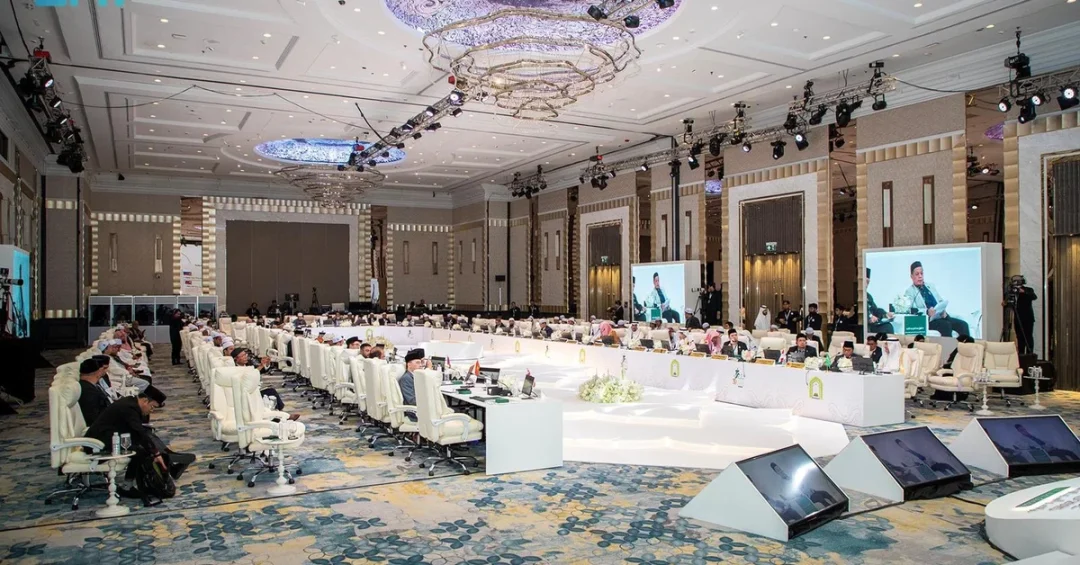
The third ASEAN ‘Khair Ummah’ Conference concluded today in Bangkok, Thailand, with a focus on confronting extremism and fanaticism through the example of the Prophet’s companions, as reported by the Saudi Press Agency (SPA). The event, organized by the Ministry of Islamic Affairs, Dawah and Guidance, brought together scholars and Islamic leaders from across the ASEAN region to discuss the importance of adhering to the Prophet’s Sunnah as the ultimate safeguard against extremism.
Context and Background
The conference highlighted the Kingdom of Saudi Arabia’s pivotal role in combating extremism and promoting moderate Islam. Sessions underscored the need to understand the guidance of the companions as a means to avoid extremism, emphasizing the Kingdom’s efforts in fostering dialogue and unity among Muslims worldwide.
Key Details
The conference featured discussions on the virtue of following the example of the Prophet and his companions, providing clear definitions of extremism and fanaticism. Participants emphasized the importance of returning to authentic Islamic teachings to counter deviant ideologies and promote peace and tolerance.
Implications and Impact
The event reflects Saudi Arabia’s ongoing commitment to supporting Islamic solidarity and countering extremism globally. By organizing such conferences in ASEAN countries, the Kingdom aims to strengthen its role as a leader in the Islamic world and contribute to regional stability.
Vision 2030 Alignment
This initiative aligns with Saudi Arabia’s Vision 2030, which emphasizes the importance of promoting a moderate and tolerant Islamic identity. Through such conferences, the Kingdom demonstrates its dedication to international cooperation and the spread of peace, highlighting its vision of a harmonious global community.
20 Questions
Q1. What is the ‘Khair Ummah’ Conference?
A1. The ‘Khair Ummah’ Conference is an event organized by Saudi Arabia’s Ministry of Islamic Affairs, Dawah and Guidance, bringing together Islamic scholars and leaders to discuss issues facing the Muslim community, focusing on moderate Islam and countering extremism.
Q2. Where was the third conference held?
A2. The third conference was held in Bangkok, Thailand, from January 26, 2025, as part of a series of events in ASEAN countries to promote Islamic unity and combat radical ideologies.
Q3. Who organized the conference?
A3. The conference was organized by the Ministry of Islamic Affairs, Dawah and Guidance of Saudi Arabia, which is responsible for spreading moderate Islamic values and supporting Muslim communities globally.
Q4. What was the main focus of the conference?
A4. The main focus was on confronting extremism and fanaticism by following the example of the Prophet’s companions and adhering to the Prophet’s Sunnah, as well as providing clear definitions of these deviant behaviors.
Q5. How does the conference contribute to countering extremism?
A5. By promoting authentic Islamic teachings and the companions’ guidance, the conference aims to equip participants with knowledge to counter extremist ideologies and encourage moderation, thus contributing to global efforts to combat radicalization.
Q6. What role does Saudi Arabia play in combating extremism?
A6. Saudi Arabia plays a crucial role in combating extremism through organizing such conferences, supporting educational initiatives, and promoting moderate Islamic discourse, aligning with its Vision 2030 goals of a tolerant and peaceful society.
Q7. Why is the example of the companions important?
A7. The companions are considered exemplary in understanding and applying Islam correctly. Their guidance helps Muslims avoid misinterpretations that lead to extremism, fostering a balanced and moderate religious practice.
Q8. What is the significance of the ASEAN region?
A8. ASEAN is significant due to its large and diverse Muslim population. Holding conferences there helps address local challenges and promotes unity among Southeast Asian Muslim communities.
Q9. How did the conference define extremism?
A9. The conference defined extremism as the deviation from Islamic moderation and the unjustified overstepping of bounds in religion, often leading to harshness and violence, while stressing the need for a clear understanding to avoid such paths.
Q10. What is the Prophet’s Sunnah’s role in preventing extremism?
A10. The Sunnah, being the Prophet’s teachings and practices, provides a guidance framework that prevents deviation and promotes balance. Adhering to it is considered the ultimate protection against extremist tendencies.
Q11. Who participated in the conference?
A11. Participants included Islamic scholars, preachers, and community leaders from ASEAN countries, as well as officials from Saudi Arabia’s Ministry of Islamic Affairs, reflecting a collaborative approach to addressing religious issues.
Q12. What was the outcome of the conference?
A12. Outcomes included emphasized commitments to moderate Islamic practices and a collective resolve to counter extremism through education and adherence to authentic teachings, as stated in the SPA report.
Q13. How does the conference align with Saudi Vision 2030?
A13. Vision 2030 aims to promote a balanced Islam and global partnerships. The conference supports this by enhancing Saudi Arabia’s international role in spreading tolerance and countering extremism, contributing to a peaceful global community.
Q14. What are the long-term goals of such conferences?
A14. Long-term goals include building sustainable networks among Islamic scholars to continuously combat extremism, fostering educational programs, and creating a united front against radical ideologies in Southeast Asia.
Q15. Why is Bangkok a suitable venue?
A15. Bangkok is a major hub in Southeast Asia with a multicultural environment, making it a strategic location to reach diverse Muslim communities and highlight Saudi Arabia’s commitment to Islamic solidarity in the region.
Q16. How does the conference address fanaticism?
A16. The conference addresses fanaticism by promoting the companions’ moderate approach and providing theological counter-narratives, helping participants reject extreme views and embrace tolerance.
Q17. What is the significance of the conference’s theme?
A17. The theme ‘Khair Ummah’ (Best Nation) highlights the Islamic ideal of a community that exemplifies goodness, encouraging participants to embody these values and counteract extremism.
Q18. How can the public benefit from the conference?
A18. The public can benefit through increased awareness, education, and community initiatives inspired by the conference, leading to a more cohesive and peaceful society grounded in Islamic principles.
Q19. What follow-up actions are expected?
A19. Follow-up actions may include regional workshops, publication of proceedings, and continued collaboration among scholars, ensuring the conference’s impact extends beyond the event.
Q20. How does this conference reflect Saudi Arabia’s global role?
A20. It showcases Saudi Arabia’s proactive diplomacy in supporting Muslim communities, countering extremism, and fostering interfaith harmony, reinforcing its leadership in the Islamic world.
Reader Feedback
We value your thoughts. Please share your feedback on this article.
Your feedback helps us improve our coverage.