


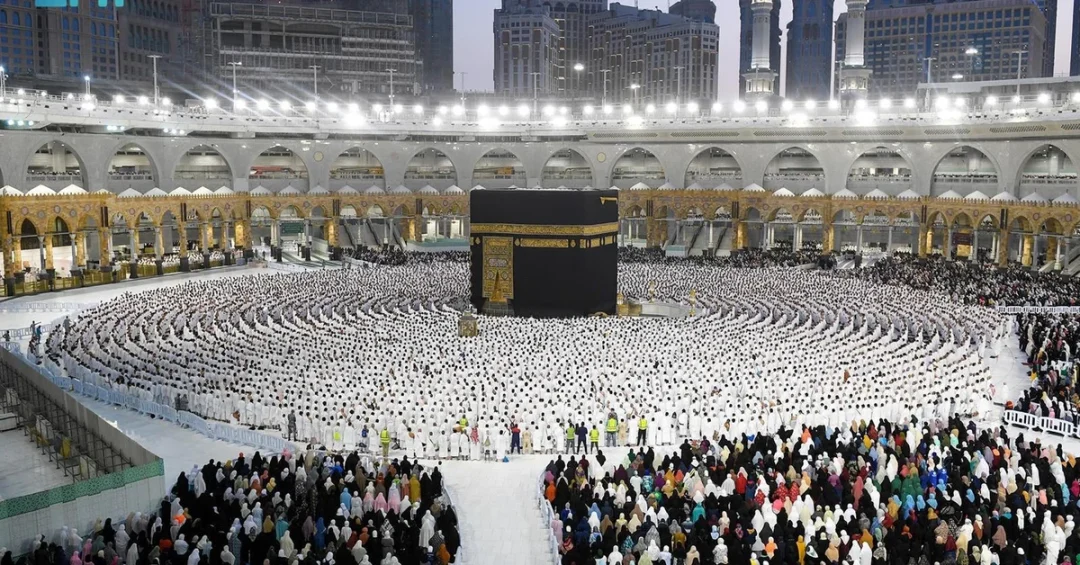
The company responsible for serving pilgrims from Türkiye, Europe, America, and Australia has introduced barcode technology at pilgrim accommodations in Makkah to reduce incidents of pilgrims getting lost, according to an official announcement released via the Saudi Press Agency (SPA). The initiative is part of a broader set of monitoring measures designed to ensure the success of the current Hajj season and improve the overall experience for international pilgrims. The barcode system, which provides precise address and geographical location data via GPS, allows pilgrims to easily identify their residence and navigate between holy sites, significantly lowering the risk of disorientation in crowded areas.
Context and Background
The Motawifs of Turkiye Pilgrims and Pilgrims of Europe, America, and Australia is an official Saudi entity tasked with managing the logistical and spiritual needs of pilgrims from these regions. As part of Saudi Arabia’s continuous efforts to enhance Hajj services under Vision 2030, the company has adopted a series of advanced monitoring methods to ensure high-quality service delivery during the pilgrimage season. These measures reflect the Kingdom’s commitment to leveraging technology for the safety and comfort of guests of God.
Key Details
According to the SPA report, the new system includes the use of barcodes at pilgrims’ residences. Each barcode contains the address and geographical location via GPS, enabling pilgrims to easily find their way back to their accommodations when moving between holy sites. This innovation is expected to greatly reduce incidents of pilgrims getting lost, a common challenge during the crowded Hajj season.
In addition to barcodes, the company has implemented live video monitoring of individuals during their transport to and from the holy sites. Monitoring screens are used to ensure the quality of provided services, and all customer service workers at hotels in Makkah and the holy sites are monitored in real-time. This helps control and improve staff performance, ensuring that pilgrims receive the highest level of care.
Implications and Impact
The introduction of barcode technology and live monitoring represents a significant step forward in crowd management and pilgrim safety. By reducing the number of lost pilgrims, the system alleviates pressure on security and support staff, allowing them to focus on other critical tasks. Moreover, the use of performance indicators to assess service quality ensures continuous improvement and accountability, aligning with international best practices.
For international pilgrims, especially those from Türkiye, Europe, America, and Australia, these measures provide greater assurance and peace of mind, enabling them to focus on their spiritual journey. The success of this initiative could serve as a model for other pilgrim service providers, further enhancing Saudi Arabia’s reputation as a leader in innovative Hajj management.
Vision 2030 Alignment
This development is closely aligned with Saudi Vision 2030, which aims to transform the Kingdom into a global hub for tourism and religious pilgrimage by leveraging cutting-edge technology and improving service quality. The use of barcodes, GPS, and live monitoring reflects the Vision’s emphasis on digital transformation, innovation, and enhancing the quality of life for visitors. By ensuring a smoother and safer Hajj experience, Saudi Arabia reinforces its commitment to serving the guests of God and achieving the ambitious goals of Vision 2030.
20 Questions
Q1. What company introduced the barcode system for pilgrims?
A1. The Motawifs of Turkiye Pilgrims and Pilgrims of Europe, America, and Australia introduced the barcode system to improve services during the Hajj season.
Q2. What is the main purpose of the barcode system?
A2. The barcode system aims to reduce incidents of pilgrims getting lost by providing address and GPS location information at their accommodations.
Q3. How does the barcode help pilgrims?
A3. The barcode provides the address and geographical location via GPS, allowing pilgrims to easily identify their residence and navigate between holy sites.
Q4. What other monitoring methods were introduced?
A4. Live video monitoring of individuals during transport and monitoring of customer service workers at hotels and holy sites were also introduced.
Q5. Where are the barcodes placed?
A5. Barcodes are placed at pilgrims’ residences in Makkah and the holy sites to help them identify their location.
Q6. Which regions’ pilgrims are served by this company?
A6. The company serves pilgrims from Türkiye, Europe, America, and Australia, ensuring their needs are met during Hajj.
Q7. How does live video monitoring improve services?
A7. Live video monitoring ensures quality control and helps improve staff performance by allowing real-time oversight of service delivery.
Q8. What are performance indicators used for?
A8. Performance indicators are used as a tool to assess and improve the quality of services provided to pilgrims.
Q9. When was this initiative announced?
A9. The initiative was announced on May 27, 2024, by the Saudi Press Agency, detailing the new measures for the Hajj season.
Q10. How does this benefit international pilgrims?
A10. International pilgrims benefit from greater safety, reduced risk of getting lost, and improved service quality, allowing them to focus on their spiritual journey.
Q11. What is the role of GPS in the barcode system?
A11. GPS provides precise geographical location data linked to the barcode, enabling pilgrims to navigate easily back to their accommodations.
Q12. How does monitoring customer service workers help?
A12. It ensures that workers perform their duties effectively and adhere to service standards, enhancing the overall pilgrim experience.
Q13. What challenges does the barcode system address?
A13. It addresses the challenge of pilgrims getting lost in crowded areas by providing clear location identification and navigation support.
Q14. Is this system part of a larger Saudi initiative?
A14. Yes, it aligns with Saudi Vision 2030, which focuses on digital transformation and improving services for pilgrims and visitors.
Q15. How does this reflect Saudi Arabia’s commitment to pilgrims?
A15. It demonstrates Saudi Arabia’s dedication to ensuring the safety, comfort, and satisfaction of all pilgrims through innovative technology.
Q16. What impact does the barcode system have on crowd management?
A16. It helps reduce lost pilgrims, thereby easing pressure on security and support staff and improving overall crowd flow.
Q17. Can other pilgrim service providers adopt this system?
A17. Yes, the success of this initiative could serve as a model for other providers, enhancing Hajj management across the board.
Q18. What is the expected outcome of these measures?
A18. The expected outcome is a significant reduction in lost pilgrim incidents and an overall improvement in service quality during Hajj.
Q19. How does this initiative align with Vision 2030?
A19. It aligns with Vision 2030’s goals of digital transformation, innovation, and enhancing the quality of life for visitors to the Kingdom.
Q20. What is the significance of the barcode system for future Hajj seasons?
A20. It sets a precedent for using technology to improve pilgrim safety and service, likely to be expanded in future seasons.
Reader Feedback
We value your thoughts. Please share your feedback on this article.
Your feedback helps us improve our coverage.