


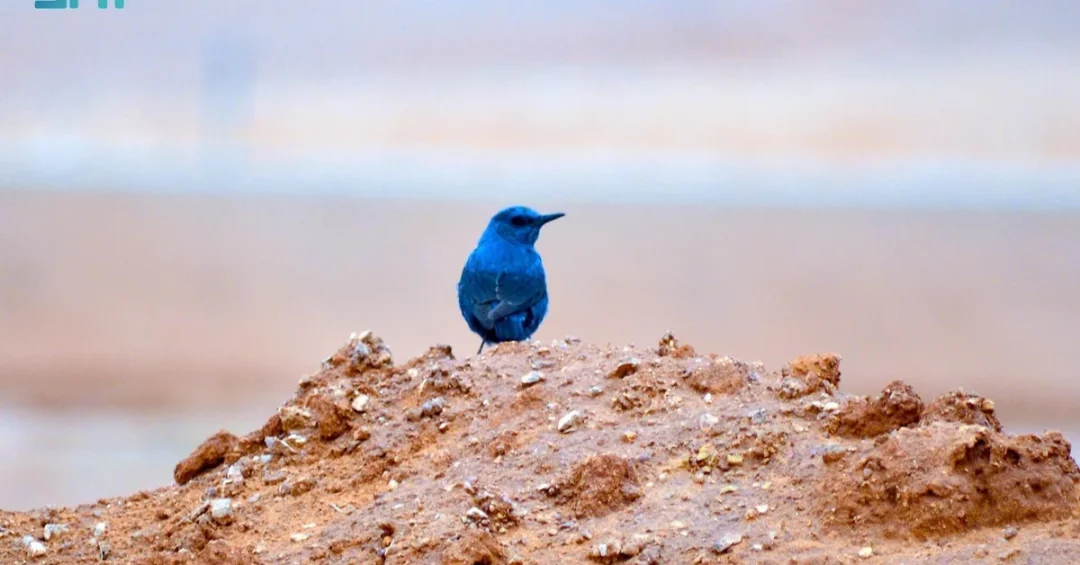
The rare Blue Rock Thrush, a migratory bird known for its striking deep blue plumage, has been spotted near the Arar Valley Dam in Saudi Arabia’s Northern Border Region, according to the Saudi Press Agency (SPA). The sighting, reported on October 5, 2024, highlights the region’s role as a critical stopover for migratory birds traveling between Europe and Africa. Nasser Rashid Al-Majlid, president of the Aman Environmental Society in the Northern Borders Region, confirmed the observation, noting that the species passes through the area in very small numbers during its migration season.
Context and Background
The Blue Rock Thrush (Monticola solitarius) is a migratory bird that breeds in southern Europe, northwest Africa, and across Asia, wintering in regions with milder climates. Its appearance in the Northern Border Region during September and October aligns with the annual migration patterns of numerous bird species that traverse the Arabian Peninsula. The male’s distinctive deep blue colour makes it a prized sighting for birdwatchers and environmentalists alike. The Northern Border Region, with its varied landscapes and water bodies like the Arar Valley Dam, serves as a vital ecological corridor. According to Al-Majlid, this area is one of the key routes for migratory birds, underlining its importance for biodiversity and ecosystem health.
Key Details
The Blue Rock Thrush migrates in very small numbers, making each sighting significant for local conservation efforts. Nasser Rashid Al-Majlid emphasized that the region’s environmental and cultural roles are intertwined with the presence of migratory birds, which provide essential services such as pest control and seed dispersal that benefit both natural ecosystems and human communities. The Aman Environmental Society has launched initiatives to raise awareness about preserving the environment, urging the public to protect migratory birds from excessive hunting and to avoid disrupting the ecosystem. These efforts are part of broader environmental stewardship in the Kingdom, aligning with national sustainability goals.
Implications and Impact
The sighting of the Blue Rock Thrush near the Arar Valley Dam underscores the ecological significance of Saudi Arabia’s Northern Border Region as a migratory corridor. It also presents an opportunity for eco-tourism, attracting birdwatchers and nature enthusiasts. The presence of such species can enhance local biodiversity and contribute to environmental education. Regionally, the conservation of migratory birds fosters cooperation among countries along migration routes, promoting shared responsibility for natural heritage. The Aman Environmental Society’s initiatives reflect a growing awareness in Saudi Arabia about the importance of environmental conservation, which is integral to the Kingdom’s sustainable development.
Vision 2030 Alignment
The protection of migratory birds and their habitats resonates with Saudi Vision 2030, which emphasizes environmental sustainability and the preservation of natural resources. Under Vision 2030, the Kingdom aims to enhance quality of life, promote eco-tourism, and safeguard biodiversity. The Aman Environmental Society’s work, supported by local communities and government entities, contributes to these objectives by fostering environmental awareness and conservation. As Saudi Arabia continues to diversify its economy and promote sustainable practices, initiatives like these demonstrate the Kingdom’s commitment to balancing development with environmental stewardship, ensuring a healthy planet for future generations.
20 Questions
Q1. What is the Blue Rock Thrush?
A1. The Blue Rock Thrush is a migratory bird species known for the male’s deep blue plumage. It breeds in southern Europe, northwest Africa, and Asia, and winters in milder climates. Its appearance in Saudi Arabia’s Northern Border Region is a rare and notable event for birdwatchers and conservationists.
Q2. Where was the Blue Rock Thrush recently spotted in Saudi Arabia?
A2. It was spotted near the Arar Valley Dam in the Northern Border Region of Saudi Arabia. This area is recognized as a critical route for migratory birds. The sighting was reported by the Saudi Press Agency on October 5, 2024.
Q3. Who confirmed the sighting of the Blue Rock Thrush?
A3. Nasser Rashid Al-Majlid, president of the Aman Environmental Society in the Northern Borders Region, confirmed the sighting. He provided details about the bird’s migration patterns and the region’s ecological importance, emphasizing the need for conservation efforts.
Q4. When does the Blue Rock Thrush migrate through Saudi Arabia?
A4. The Blue Rock Thrush migrates through the Northern Border Region primarily during September and October. These months align with its annual migration cycle. It passes through in very small numbers, making each sighting significant for local biodiversity monitoring.
Q5. Why is the Northern Border Region important for migratory birds?
A5. The Northern Border Region serves as a critical corridor for migratory birds traveling between Europe and Africa. Its varied landscapes and water bodies, like the Arar Valley Dam, provide essential stopover habitats. This supports biodiversity and ecosystem health in the region.
Q6. What is the Aman Environmental Society?
A6. The Aman Environmental Society is a Saudi environmental organization based in the Northern Borders Region. Led by Nasser Rashid Al-Majlid, it works to raise awareness about environmental preservation. The society has launched initiatives to protect migratory birds and their habitats.
Q7. How rare is the Blue Rock Thrush in Saudi Arabia?
A7. The Blue Rock Thrush is considered a rare migratory bird in the Northern Border Region. It migrates in very small numbers, primarily during September and October. Its presence is a notable event for local birdwatchers and environmentalists.
Q8. What environmental services do migratory birds provide?
A8. Migratory birds provide essential environmental services, including pest control, seed dispersal, and pollination. These services benefit natural ecosystems and human communities by maintaining ecological balance. Their presence indicates a healthy environment.
Q9. What did Nasser Rashid Al-Majlid urge the public to do?
A9. He urged the public to protect migratory birds from excessive hunting and to avoid disrupting the ecosystem. He emphasized the importance of preserving the environment in all its forms. The Aman Environmental Society supports these efforts through awareness initiatives.
Q10. What initiatives has the Aman Environmental Society launched?
A10. The society has launched environmental initiatives to raise awareness about the importance of preserving the environment. These include educational programs and campaigns focused on protecting migratory birds. The goal is to foster community involvement in conservation.
Q11. How does the Blue Rock Thrush get its name?
A11. The Blue Rock Thrush gets its name from the deep blue colour of the male’s plumage. The female is typically brownish. This striking coloration makes the male easily identifiable during sightings.
Q12. What is the significance of the Arar Valley Dam for wildlife?
A12. The Arar Valley Dam provides a vital water source and habitat for various wildlife, including migratory birds. It serves as a stopover point for species traveling long distances. Its presence supports local biodiversity and ecosystem health.
Q13. How can the public contribute to bird conservation in Saudi Arabia?
A13. The public can contribute by avoiding excessive hunting, not disturbing habitats, and participating in awareness programs. Supporting organizations like the Aman Environmental Society also helps. Community involvement is key to successful conservation.
Q14. What are the broader implications of this sighting for Saudi Arabia?
A14. The sighting highlights Saudi Arabia’s role as a migratory corridor and supports eco-tourism potential. It underscores the importance of environmental conservation in national development. It also fosters regional cooperation for biodiversity protection.
Q15. How does migratory bird conservation align with Saudi Vision 2030?
A15. Saudi Vision 2030 emphasizes environmental sustainability and quality of life. Conserving migratory birds and their habitats contributes to these goals. It also promotes eco-tourism and biodiversity, aligning with the Kingdom’s sustainable development objectives.
Q16. Are there other migratory bird species in the Northern Border Region?
A16. Yes, the Northern Border Region hosts numerous migratory bird species annually. The Blue Rock Thrush is one of many that pass through. The region’s diverse habitats support a wide range of avian biodiversity.
Q17. What threats do migratory birds face in Saudi Arabia?
A17. Migratory birds face threats such as excessive hunting, habitat loss, and climate change. These factors can disrupt migration patterns and reduce populations. Conservation efforts aim to mitigate these threats through awareness and protection measures.
Q18. How can eco-tourism benefit from migratory bird sightings?
A18. Eco-tourism can attract birdwatchers and nature enthusiasts, generating revenue for local communities. It promotes environmental awareness and conservation. Sustainable eco-tourism helps protect habitats while supporting economic diversification.
Q19. What role do water bodies like dams play in bird migration?
A19. Water bodies like dams provide essential stopover points for migratory birds to rest and refuel. They support a variety of species and contribute to local biodiversity. Their conservation is crucial for maintaining migration routes.
Q20. What is the future outlook for migratory bird conservation in Saudi Arabia?
A20. The future outlook is positive, with increasing awareness and initiatives aligned with Vision 2030. Continued efforts by organizations and communities will enhance conservation. Saudi Arabia’s commitment to sustainability supports these long-term goals.
Reader Feedback
We value your thoughts. Please share your feedback on this article.
Your feedback helps us improve our coverage.