


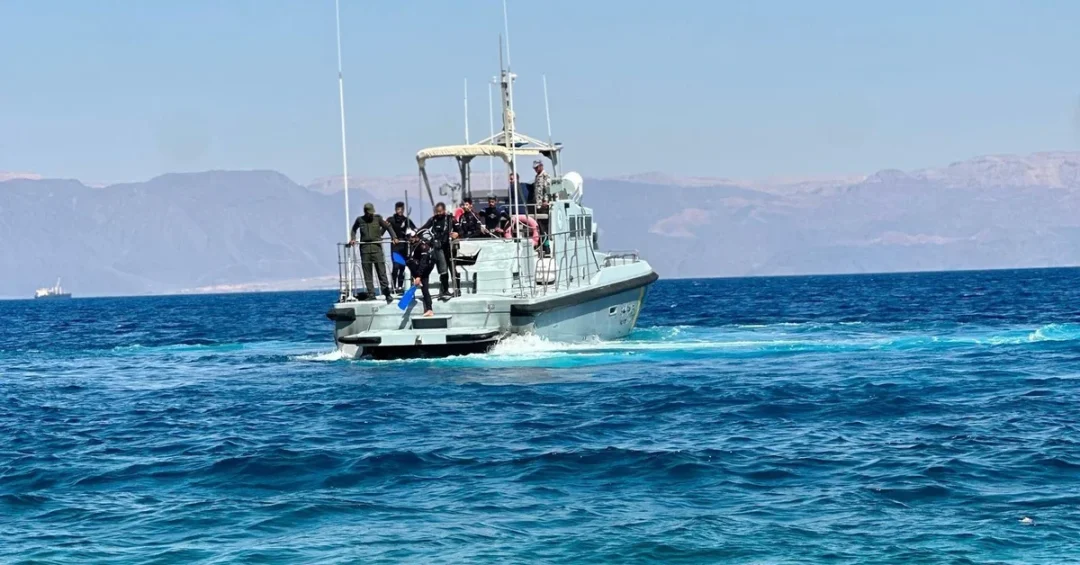
The Border Guard in Tabuk Region launched a volunteer initiative to clean the seabed at Umm Anam Beach, with the participation of volunteer divers, the Saudi Press Agency reported on August 16, 2026. The campaign brought together trained divers and supporting volunteers to remove debris and accumulated waste from the underwater environment along one of the Red Sea coast’s most ecologically significant shorelines, in a coordinated effort that reflects the Kingdom’s expanding commitment to marine conservation and community-led environmental stewardship.
How often do coastal clean-up campaigns reach beneath the surface, where the most persistent threats to marine life quietly accumulate? The Tabuk operation answers that question directly, targeting the seabed rather than the visible shoreline, and placing volunteer divers at the center of the effort. The initiative reinforces the Border Guard’s efforts to protect marine ecosystems, preserve wildlife, and promote a culture of volunteerism and teamwork, contributing to the sustainable management and preservation of natural resources. The campaign forms part of a broader national pattern in which Saudi security and environmental agencies work alongside civil society to safeguard the Kingdom’s natural heritage for future generations.
Context and Background
What makes the waters off Tabuk Region so important to Saudi Arabia’s environmental future? The Tabuk coastline stretches along the northern Red Sea, an area recognized for its coral reefs, seagrass beds, and diverse marine species. Umm Anam Beach sits within this coastal belt, where fishing communities, tourism activity, and natural habitats coexist in a delicate balance. The Red Sea’s relative isolation has produced ecosystems found few other places on earth, which raises the stakes for any pollution that settles on the seabed and slowly degrades coral and marine life.
The Border Guard, formally known as the General Directorate of Border Guards under the Ministry of Interior, is responsible for safeguarding Saudi Arabia’s land and maritime borders. Its mandate has increasingly intersected with environmental protection, because the agency maintains the maritime situational awareness, vessels, and trained personnel needed to operate in coastal waters. When the Border Guard organizes a seabed clean-up, it applies operational capability to a conservation objective, demonstrating how national security institutions can contribute directly to environmental sustainability.
Volunteerism has become a defining feature of Saudi civic life in recent years. National platforms that connect volunteers with government and nonprofit initiatives have registered hundreds of thousands of participants, and environmental campaigns regularly rank among the most popular categories. The Tabuk seabed clean-up therefore sits at the intersection of two national trends: growing public enthusiasm for volunteer service and a determined institutional focus on protecting the Kingdom’s marine and coastal resources.
Key Details
What exactly did the volunteer divers set out to accomplish at Umm Anam Beach? According to the Saudi Press Agency, the initiative involved volunteer divers working to clean the seabed at the beach, removing waste that had settled underwater. The participation of divers is significant because submerged debris, including discarded fishing gear, plastic, and metal fragments, cannot be cleared by ordinary beach clean-up teams. Divers must locate, safely extract, and surface the material, a task that demands training, equipment, and careful coordination.
The initiative pursued several objectives simultaneously. It aimed to protect marine ecosystems by physically removing hazards from the underwater environment. It sought to preserve wildlife by reducing the risk of entanglement and ingestion faced by fish, turtles, and other species. And it promoted a culture of volunteerism and teamwork, giving participants a tangible role in caring for the environment. Each of these goals supports the sustainable management and preservation of natural resources, a principle that runs through Saudi environmental policy.
The choice of Umm Anam Beach reflects careful planning. The site is accessible to volunteer teams, lies within the Border Guard’s area of maritime responsibility in Tabuk Region, and hosts habitats sensitive to accumulated waste. By concentrating on a single well-defined location, the campaign could deliver measurable results and serve as a model for similar operations elsewhere along the Red Sea coast. The involvement of the Border Guard also ensured that safety protocols, maritime logistics, and coordination with local authorities were handled to professional standards.
International and Regional Impact
How does a local seabed clean-up in Tabuk resonate beyond Saudi Arabia’s borders? The Red Sea is a shared regional resource, bordered by multiple countries and connected to global shipping lanes. Pollution that degrades one stretch of coastline can affect migratory species, fisheries, and tourism across the wider region. When Saudi Arabia undertakes marine conservation action, it contributes to the health of an ecosystem that neighboring states and international partners also depend on, reinforcing the Kingdom’s reputation as a responsible steward of the maritime environment.
The initiative also aligns with international environmental frameworks that Saudi Arabia supports, including global efforts to reduce marine litter and protect biodiversity. Saudi Arabia has hosted major international environmental events and launched initiatives such as the Saudi Green Initiative and the Middle East Green Initiative, which set ambitious targets for tree planting, emissions reduction, and land and sea protection. A volunteer seabed clean-up in Tabuk may be small in scale, but it demonstrates the grassroots implementation of these commitments, showing that national pledges translate into action at the community level.
For international observers, the campaign offers a clear example of how the Kingdom mobilizes its institutions and citizens together. The Border Guard brings operational expertise; volunteers bring energy and local knowledge; the Saudi Press Agency documents the effort for public transparency. This collaborative model is increasingly visible across Saudi environmental work and strengthens the Kingdom’s standing in global conversations about sustainability and climate responsibility.
Economic and Strategic Significance
Why should a seabed clean-up matter to economists and planners, not only environmentalists? Healthy marine ecosystems underpin several sectors that Saudi Arabia is actively growing. Coastal tourism depends on clean water, vibrant coral reefs, and abundant marine life. The Red Sea coast, including the Tabuk Region, is central to national tourism ambitions, with luxury destinations and eco-resorts attracting international visitors. Debris on the seabed damages the very assets that make these destinations attractive, so removing it protects long-term economic value.
Fisheries represent another economic dimension. The northern Red Sea supports fishing activity that provides livelihoods for local communities. Marine debris can reduce fish populations, damage fishing equipment, and introduce health risks. By cleaning the seabed, the initiative supports the sustainability of fisheries and the food security objectives that Saudi Arabia pursues under its national development plans. The campaign therefore links environmental protection directly to economic resilience and community welfare.
Strategically, the initiative demonstrates the value of integrating environmental responsibility into the operations of security agencies. The Border Guard’s maritime capabilities are essential to border protection, but they also enable conservation missions that would otherwise be difficult to mount. This dual-purpose approach reflects a mature understanding of national security that includes environmental and resource security. It also builds trust between uniformed services and local communities, as volunteers work side by side with personnel who serve the region every day.
Vision 2030 Alignment
How does a volunteer dive campaign connect to the sweeping national transformation underway in Saudi Arabia? Saudi Vision 2030, launched under the leadership of Crown Prince Mohammed bin Salman, sets out to diversify the economy, improve quality of life, and position the Kingdom as a global leader in sustainability. Environmental protection is woven throughout the vision, from the Saudi Green Initiative’s targets to the development of eco-friendly tourism along the Red Sea. The Tabuk seabed clean-up advances these goals by protecting natural capital and engaging citizens in the national project.
The initiative also strengthens the social dimension of Vision 2030. Volunteerism builds social cohesion, develops skills, and gives young Saudis meaningful opportunities to contribute to their communities. When the Border Guard partners with volunteer divers, it models the kind of cross-sector collaboration the vision calls for, where government, citizens, and local institutions work toward shared objectives. The result is a cleaner marine environment, a more engaged society, and a clearer demonstration that Saudi Arabia’s modernization and its environmental stewardship go hand in hand. As the Kingdom continues to expand its conservation efforts along the Red Sea, initiatives like this one will serve as building blocks for a sustainable future that benefits Saudis and the wider world alike.
20 Questions
Q1. What is the Border Guard’s seabed clean-up initiative in Tabuk Region?
A1. It is a volunteer campaign launched by the Border Guard in Tabuk Region to clean the seabed at Umm Anam Beach, with volunteer divers participating to remove underwater debris and protect marine ecosystems.
Q2. When was the initiative launched?
A2. The initiative was launched on August 16, 2026, according to the Saudi Press Agency, which reported the event from Tabuk Region.
Q3. Where did the clean-up take place?
A3. The clean-up took place at Umm Anam Beach, located along the Red Sea coast in Tabuk Region, an area known for its coral reefs and diverse marine habitats.
Q4. Who participated in the initiative?
A4. Volunteer divers took part in the campaign, working alongside the Border Guard to remove waste from the seabed and support environmental protection efforts.
Q5. Why are divers needed for a seabed clean-up?
A5. Divers are needed because submerged debris such as fishing gear and plastic cannot be reached from the shore, requiring trained personnel with specialized equipment to locate and safely remove it.
Q6. What are the main goals of the initiative?
A6. The initiative aims to protect marine ecosystems, preserve wildlife, promote a culture of volunteerism and teamwork, and contribute to the sustainable management and preservation of natural resources.
Q7. What government body organized the campaign?
A7. The Border Guard, formally the General Directorate of Border Guards under the Ministry of Interior, organized the campaign as part of its environmental and community engagement efforts.
Q8. How does the initiative protect marine wildlife?
A8. By removing debris from the seabed, the initiative reduces the risk of entanglement and ingestion for fish, turtles, and other marine species that inhabit the Red Sea.
Q9. What is the significance of Umm Anam Beach?
A9. Umm Anam Beach lies within a sensitive coastal ecosystem in Tabuk Region, making it an important site for conservation and a suitable location for volunteer environmental action.
Q10. How does the campaign promote volunteerism in Saudi Arabia?
A10. The campaign gives citizens and residents a hands-on opportunity to serve their communities and environment, reinforcing the Kingdom’s growing culture of volunteer service and civic participation.
Q11. Why is the Red Sea important to Saudi Arabia?
A11. The Red Sea supports fisheries, tourism, and unique marine biodiversity, and it is central to Saudi Arabia’s economic diversification and environmental sustainability goals.
Q12. How does the initiative support Saudi Vision 2030?
A12. It advances Vision 2030 by protecting natural capital, improving quality of life, and encouraging citizen engagement, aligning with the sustainability and social development objectives of the national transformation plan.
Q13. What role does the Border Guard play in environmental protection?
A13. The Border Guard uses its maritime capabilities, vessels, and trained personnel to support conservation missions along Saudi Arabia’s coasts, integrating environmental responsibility into its security mandate.
Q14. How does marine debris affect the economy?
A14. Marine debris harms fisheries, damages tourism assets such as coral reefs, and reduces the economic value of coastal destinations, making clean-up efforts important for long-term economic resilience.
Q15. What other Saudi environmental initiatives exist?
A15. Saudi Arabia has launched the Saudi Green Initiative and the Middle East Green Initiative, which set ambitious targets for emissions reduction, tree planting, and protection of land and sea.
Q16. How does the campaign reflect teamwork?
A16. The campaign brings together Border Guard personnel, volunteer divers, and local participants, demonstrating how coordinated action between institutions and citizens can achieve environmental results.
Q17. What happens to the waste collected from the seabed?
A17. The collected waste is removed from the marine environment and handled according to proper disposal procedures, ensuring it no longer threatens marine life or coastal ecosystems.
Q18. Can this initiative be repeated elsewhere?
A18. Yes, the campaign serves as a model that can be replicated along other parts of the Red Sea coast, where similar volunteer-driven clean-ups could protect additional marine habitats.
Q19. How does the initiative benefit local communities?
A19. It protects the marine resources that local communities depend on for fishing and tourism, while giving residents a direct role in preserving the environment they live alongside.
Q20. What does the initiative say about Saudi Arabia’s global environmental role?
A20. It shows Saudi Arabia translating national environmental commitments into local action, reinforcing the Kingdom’s position as a responsible global partner in sustainability and marine conservation.
Reader Feedback
We value your thoughts. Please share your feedback on this article.
Your feedback helps us improve our coverage.
Related articles
 Palestinian Injured in Gaza as Ceasefire Violations Continue
 Saudi Ministry Bans Mobile Trading in Nine Locations
 Jeddah Governor Receives Mauritanian Consul General
 Second Cohort of ‘Madinah-Tech’ Program Launched to Support Madinah’s Urban Environment
 Saudi Arabia Strengthens Ties with Mauritania in Jeddah Meeting
 Quran Contestants Arrive in Madinah After Makkah Finals