


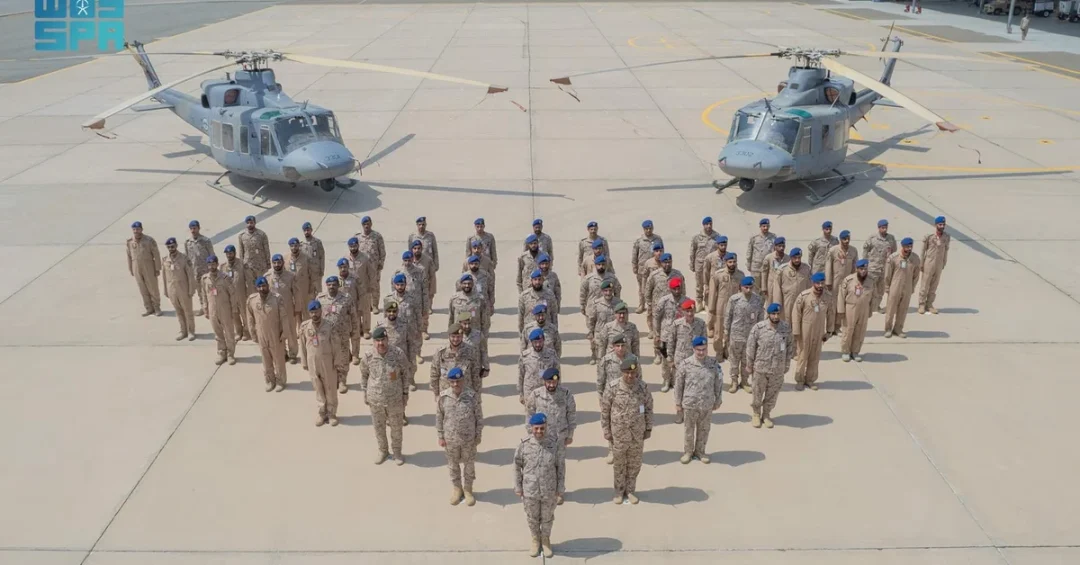
Lieutenant-General Fayyad bin Hamed Al-Ruwaili, Chief of the Saudi General Staff, conducted a comprehensive inspection of armed forces units and Ministry of Defense sectors participating in this year’s Hajj mission to ensure their readiness in supporting government agencies involved in serving the pilgrims. The tour, carried out under the directives of Minister of Defense Prince Khalid bin Salman bin Abdulaziz, underscored the Kingdom’s unwavering commitment to the safety, security, and well-being of the millions of pilgrims performing Hajj.
Context and Background
The Hajj pilgrimage is one of the largest annual gatherings in the world, drawing millions of Muslims from over 180 countries to the holy city of Makkah. The Kingdom of Saudi Arabia, under the leadership of the Custodian of the Two Holy Mosques King Salman bin Abdulaziz Al Saud and Crown Prince Mohammed bin Salman, has consistently prioritized the provision of world-class services and security for pilgrims. The Ministry of Defense plays a pivotal role in this national endeavor, coordinating with various government agencies to ensure a smooth and safe Hajj experience.
Lieutenant-General Al-Ruwaili’s inspection tour is part of the annual readiness assessments conducted by the Saudi Armed Forces to guarantee that all units are fully prepared to handle the logistical, security, and medical challenges associated with the pilgrimage. This year’s mission involves a wide range of units, including the Air Force, military police, medical services, and field hospitals, all working in tandem to support the pilgrims.
Key Details of the Inspection Tour
Lieutenant-General Al-Ruwaili commenced his tour by inspecting the Air Force unit at Arafat airport, where he was welcomed by the Chairman of the Supervisory Committee for the Ministry of Defense’s participation in the Hajj season, along with the commander of the participating armed forces units and several officers. He received a detailed briefing on the unit’s assigned tasks and operational readiness.
Subsequently, he visited the headquarters of the units participating in the Hajj, where he was briefed on their responsibilities in serving the pilgrims. During this visit, he inaugurated several projects aimed at rehabilitating the ministry’s camps for its personnel, as well as for the families of martyrs and injured Saudis and Yemenis. He also launched a project to rehabilitate camps for the ministry’s guests from over 20 countries.
Moreover, Lieutenant-General Al-Ruwaili was briefed on the guidance and religious programs provided by the General Directorate of Religious Affairs of the Armed Forces. He also inspected the participation of the military police tasked with supporting the internal security forces in crowd management and organizing the movement of pilgrims in the courtyards of the Grand Mosque.
Additionally, his tour included a visit to the field hospital affiliated with the Ministry of Defense’s health services in Arafat, where he reviewed its advanced medical equipment and facilities and met with the medical and healthcare staff. In addition, the tour included an inspection visit to the duty force field at Al-Maghmas, where he was briefed on their operations and tasks and assigned security plans.
In a speech on this occasion, Lieutenant-General Al-Ruwaili conveyed greetings and appreciation from the Minister of Defense to all participants in this year’s Hajj mission. He emphasized that the security of Hajj and pilgrims is a red line that cannot be compromised and that the participating armed forces are providing support to the military forces responsible for the safety and security of the pilgrims. He also emphasized the importance of the Kingdom’s role in serving the pilgrims, commending the professional work carried out by the ministry’s personnel in particular and the participating government sectors in general, under the great attention given by the wise leadership.
Implications and Impact
The inspection tour highlights Saudi Arabia’s meticulous planning and execution of Hajj operations, which are critical to maintaining the pilgrimage’s sanctity and safety. The involvement of the armed forces in supporting civilian agencies demonstrates the integrated approach that the Kingdom adopts to manage such a massive event. This year’s Hajj, like previous ones, will see the deployment of thousands of personnel, advanced technology, and comprehensive medical facilities to ensure that pilgrims can perform their rituals with peace of mind.
On the international stage, the successful management of Hajj reinforces Saudi Arabia’s reputation as a reliable and capable steward of the Two Holy Mosques. It also showcases the Kingdom’s ability to handle large-scale logistical and security challenges, further solidifying its position as a global leader in hosting major religious gatherings.
Vision 2030 Alignment
The continuous improvement of Hajj services and security is a key component of Saudi Vision 2030, which aims to enhance the quality of life for citizens and visitors alike, and to promote the Kingdom as a premier destination for religious tourism. By investing in infrastructure, technology, and human resources, Saudi Arabia is not only fulfilling its religious obligations but also driving economic diversification and global engagement. The dedication of the armed forces to this sacred mission reflects the visionary leadership’s commitment to excellence and the Kingdom’s enduring role as a beacon of stability and hospitality.
20 Questions
Q1. Who conducted the inspection of the armed forces units participating in the Hajj mission?
A1. Lieutenant-General Fayyad bin Hamed Al-Ruwaili, Chief of the Saudi General Staff, conducted the inspection. He was acting under the directives of Minister of Defense Prince Khalid bin Salman bin Abdulaziz.
Q2. What was the primary purpose of the inspection tour?
A2. The tour aimed to ensure the readiness of armed forces units and Ministry of Defense sectors in supporting government agencies involved in Hajj. It assessed their preparedness to serve the pilgrims effectively.
Q3. Which units did Lieutenant-General Al-Ruwaili inspect first?
A3. He commenced his tour by inspecting the Air Force unit at Arafat airport. There, he was welcomed by the Chairman of the Supervisory Committee and other officers.
Q4. What projects were inaugurated during the tour?
A4. He inaugurated projects to rehabilitate camps for ministry personnel, families of martyrs, and injured Saudis and Yemenis. He also launched a project for camps hosting guests from over 20 countries.
Q5. What did the Chief of General Staff emphasize in his speech?
A5. He emphasized that the security of Hajj and pilgrims is a red line that cannot be compromised. He also praised the professional work of the ministry’s personnel and participating government sectors.
Q6. What role does the military police play in the Hajj mission?
A6. The military police support internal security forces in crowd management and organizing the movement of pilgrims in the courtyards of the Grand Mosque. This ensures smooth flow and safety.
Q7. What did Lieutenant-General Al-Ruwaili review at the field hospital in Arafat?
A7. He reviewed the advanced medical equipment and facilities at the field hospital affiliated with the Ministry of Defense’s health services. He also met with the medical and healthcare staff.
Q8. What is the significance of the duty force field at Al-Maghmas?
A8. The duty force field at Al-Maghmas is responsible for operations and tasks related to security plans. The Chief inspected their readiness and assigned security plans.
Q9. How does the Ministry of Defense support the Hajj mission?
A9. The Ministry of Defense provides logistical, security, and medical support through various units. These include the Air Force, military police, and field hospitals, all working to ensure pilgrim safety.
Q10. What religious programs are provided by the General Directorate of Religious Affairs?
A10. The General Directorate of Religious Affairs of the Armed Forces provides guidance and religious programs. These programs cater to the spiritual needs of personnel and pilgrims during Hajj.
Q11. How many countries are represented among the ministry’s guests?
A11. The ministry hosts guests from over 20 countries. Their camps were rehabilitated as part of the projects inaugurated during the tour.
Q12. What message did the Minister of Defense convey to the participants?
A12. Lieutenant-General Al-Ruwaili conveyed greetings and appreciation from the Minister of Defense to all participants. This acknowledged their dedication and hard work in serving the pilgrims.
Q13. Why is the security of Hajj considered a red line?
A13. The security of Hajj and pilgrims is paramount to ensure a safe and spiritual experience. Any compromise is unacceptable, and all resources are deployed to maintain it.
Q14. What is the role of the Air Force unit at Arafat airport?
A14. The Air Force unit at Arafat airport is responsible for air support and logistical operations. Their readiness ensures timely assistance and coordination during the Hajj period.
Q15. How does the inspection tour reflect Saudi Arabia’s commitment to pilgrims?
A15. The tour demonstrates the Kingdom’s proactive approach to ensure all services are in place. It reflects the leadership’s dedication to provide the best possible experience for pilgrims.
Q16. What types of camps were rehabilitated?
A16. Camps for ministry personnel, families of martyrs, and injured Saudis and Yemenis were rehabilitated. Additionally, camps for international guests from over 20 countries were upgraded.
Q17. What advanced equipment was reviewed at the field hospital?
A17. The field hospital in Arafat is equipped with advanced medical technology. This includes facilities for emergency care, surgeries, and intensive care to handle any health issues.
Q18. How do the armed forces coordinate with other government agencies?
A18. The armed forces work in close coordination with various government agencies. This integrated approach ensures seamless support in security, health, and logistics during Hajj.
Q19. What is the significance of the Al-Maghmas duty force field?
A19. The Al-Maghmas duty force field is a strategic location for security operations. The Chief inspected their plans to ensure effective crowd control and emergency response.
Q20. How does this inspection align with Saudi Vision 2030?
A20. The inspection supports Vision 2030 by enhancing Hajj services and infrastructure. It reflects the Kingdom’s commitment to excellence, religious tourism, and global leadership in hosting pilgrims.
Reader Feedback
We value your thoughts. Please share your feedback on this article.
Your feedback helps us improve our coverage.