


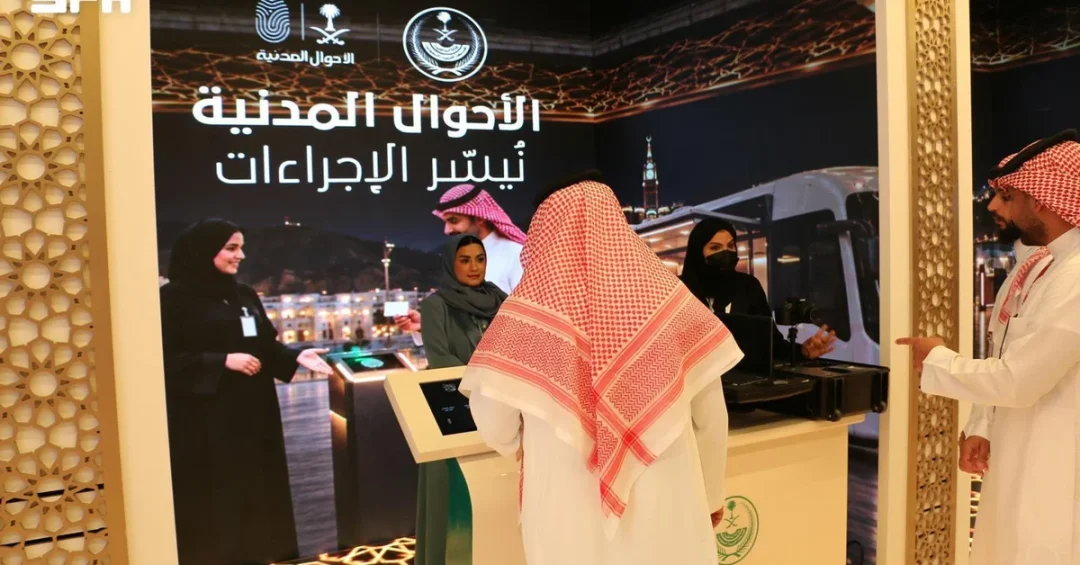
The Civil Affairs Agency of the Ministry of Interior is participating in the Ministry of Interior’s pavilion at the sixth Hajj Conference and Exhibition, held under the theme “From Makkah to the World” from November 8 to 11 at the Jeddah Superdome. The announcement, released via the Saudi Press Agency, underscores the agency’s commitment to delivering seamless civil services to pilgrims and to the personnel of various entities involved in the Hajj season.
Have you ever considered how the simple act of renewing an identity card can transform a pilgrim’s journey? For millions of Muslims who travel to the Kingdom each year, the answer lies in the quiet efficiency of Saudi Arabia’s civil services. At the Jeddah Superdome, the Civil Affairs Agency is showcasing its capabilities, offering on-site issuance and renewal of national identity cards, as well as replacement of lost or damaged cards, to both pilgrims and visitors. This participation reflects a broader strategy to integrate government services into major events, ensuring that every stakeholder—from the pilgrim to the volunteer—can focus on the spiritual and logistical dimensions of Hajj. The conference, now in its sixth edition, has become a cornerstone of Saudi Arabia’s efforts to continuously improve the pilgrimage experience, aligning with the Kingdom’s Vision 2030 goals of enhancing quality of life and public service delivery.
Context and Background
What does it take to host one of the world’s largest annual gatherings? The Hajj Conference and Exhibition, organized by the Ministry of Hajj and Umrah, serves as a vital platform for government agencies, private sector companies, and international stakeholders to collaborate on innovations that enhance the pilgrimage journey. Since its inception, the event has grown in scope and influence, attracting participants from around the globe. This year’s theme, “From Makkah to the World,” highlights the global significance of Hajj and the Kingdom’s role as a custodian of the Two Holy Mosques. The Civil Affairs Agency’s presence at the Ministry of Interior’s pavilion is a testament to the integrated approach that Saudi Arabia adopts to manage the complexities of the Hajj season. By providing identity card services directly at the conference, the agency not only assists pilgrims but also supports the thousands of personnel who work tirelessly behind the scenes to ensure a safe and smooth experience for all.
Historically, the Civil Affairs Agency has been instrumental in modernizing identity management in Saudi Arabia. Its participation in the Hajj Conference is not an isolated effort but part of a continuous drive to bring services closer to the people. The agency’s role extends beyond the conference; during the Hajj season, it operates mobile units and service centers at key locations, including airports, holy sites, and pilgrimage routes. This proactive approach reduces bureaucratic hurdles and allows pilgrims to focus on their spiritual duties. Moreover, the agency’s collaboration with other entities within the Ministry of Interior, such as the General Directorate of Passports and the National Information Center, ensures a cohesive and secure environment. The exhibition provides a unique opportunity for the agency to demonstrate its technological advancements, such as digital identity verification and streamlined card issuance, which are essential for managing crowds and ensuring safety.
Key Details of the Civil Affairs Agency’s Participation
How exactly does the Civil Affairs Agency serve pilgrims and personnel at the conference? At the Ministry of Interior’s pavilion, the agency has set up dedicated counters where attendees can obtain or renew their national identity cards on the spot. This service is particularly beneficial for pilgrims who may have lost or damaged their cards during travel, as well as for staff members who need valid identification to access restricted areas. The agency’s representatives are also on hand to explain the various services it offers throughout the Hajj season, including the issuance of temporary identity documents and the integration of identity data with other government systems. By providing these services at the conference, the agency aims to reduce the need for pilgrims and workers to visit separate offices, thereby saving time and effort.
In addition to identity card services, the Civil Affairs Agency is highlighting its role in supporting the overall Hajj infrastructure. The agency’s participation includes showcasing how identity management systems contribute to crowd control, security, and emergency response. For instance, the national identity card is linked to a centralized database that allows authorities to quickly verify an individual’s identity and medical history, which can be crucial in emergencies. The agency is also demonstrating its mobile service units, which are deployed during Hajj to reach remote areas. These units are equipped with the latest technology to issue and renew cards, ensuring that even those in the most crowded or distant locations can access essential services. The exhibition thus serves as a live demonstration of the agency’s readiness and adaptability.
International and Regional Impact
Why does the participation of a Saudi civil agency resonate beyond the Kingdom’s borders? The Hajj is a global event, drawing pilgrims from over 180 countries. The efficiency of services provided by agencies like Civil Affairs directly impacts the experience of these international visitors, shaping their perception of Saudi Arabia. By offering multilingual support and streamlined processes, the agency helps create a positive image of the Kingdom as a welcoming and well-organized host. Furthermore, the conference itself attracts international delegations and experts who come to learn from Saudi Arabia’s best practices in managing large-scale events. The Civil Affairs Agency’s participation thus contributes to knowledge exchange and positions the Kingdom as a leader in public service innovation. Regional neighbors also look to Saudi Arabia’s model for managing pilgrimage and other mass gatherings, making the agency’s role a point of pride and a source of soft power.
On a regional level, the agency’s work supports the broader goals of the Gulf Cooperation Council (GCC) in facilitating movement and cooperation among member states. Many pilgrims from GCC countries use their national identity cards for travel within the region, and the agency’s ability to issue and renew these cards efficiently enhances regional integration. Additionally, the agency’s efforts align with the objectives of the Organization of Islamic Cooperation (OIC) to improve services for pilgrims. By sharing its expertise and technologies at the conference, the Civil Affairs Agency contributes to a collective effort to enhance the Hajj experience for all Muslims. This collaborative spirit is a hallmark of Saudi Arabia’s approach to international engagement, reflecting its commitment to serving the global Muslim community.
Economic and Strategic Significance
What economic value does a seamless Hajj experience bring to Saudi Arabia? The Hajj and Umrah sectors are significant contributors to the Kingdom’s non-oil economy, generating billions of riyals annually. By ensuring that pilgrims have easy access to civil services, the Civil Affairs Agency helps remove obstacles that could deter repeat visits or reduce spending. A smooth Hajj also boosts the confidence of international tour operators and travel agencies, encouraging them to include Saudi Arabia in their packages. Moreover, the agency’s use of advanced technologies at the conference showcases the Kingdom’s digital transformation, attracting investment and partnerships in the tech sector. The exhibition itself is a marketplace for ideas and solutions, and the agency’s participation highlights opportunities for collaboration with private companies specializing in identity management and smart services.
Strategically, the Civil Affairs Agency’s involvement in the Hajj Conference supports the Ministry of Interior’s overarching goal of maintaining security and order during the pilgrimage. Identity verification is a critical component of security, enabling authorities to track individuals, prevent fraud, and respond to emergencies. By integrating its services into the conference, the agency demonstrates its readiness to handle the massive influx of pilgrims each year. This proactive stance not only enhances safety but also reinforces the Kingdom’s reputation for meticulous planning and execution. As Saudi Arabia continues to expand the capacity of the Two Holy Mosques and improve infrastructure, the role of civil services becomes even more vital. The agency’s participation is thus a strategic investment in the success of Hajj and the realization of Vision 2030’s objectives.
Vision 2030 Alignment
How does the Civil Affairs Agency’s work at the Hajj Conference contribute to Saudi Arabia’s Vision 2030? Vision 2030 aims to transform the Kingdom into a global model of efficiency, transparency, and citizen-centric services. The agency’s efforts to digitize identity management and provide on-site services align perfectly with this vision. By reducing bureaucratic delays and leveraging technology, the agency enhances the quality of life for both citizens and visitors, a key pillar of Vision 2030. Furthermore, the Hajj Conference itself is a manifestation of the vision’s emphasis on attracting international events and showcasing Saudi Arabia’s capabilities. The agency’s participation demonstrates how government entities are working in harmony to achieve the vision’s goals, from improving public services to fostering economic diversification.
Looking ahead, the Civil Affairs Agency is expected to continue innovating and expanding its services. The lessons learned from the Hajj Conference will inform future initiatives, such as the integration of artificial intelligence in identity verification and the expansion of mobile service units. As the Kingdom prepares for even larger pilgrim numbers in the coming years, the agency’s role will only grow in importance. Its participation in this exhibition is a clear signal that Saudi Arabia is committed to providing world-class services to all who visit the holy sites. By aligning its operations with Vision 2030, the agency not only supports the pilgrimage but also contributes to the Kingdom’s broader journey toward a prosperous and modern future.
20 Questions
Q1. What is the Civil Affairs Agency participating in?
A1. The Civil Affairs Agency of the Ministry of Interior is participating in the Ministry of Interior’s pavilion at the sixth Hajj Conference and Exhibition in Jeddah.
Q2. Where and when is the sixth Hajj Conference and Exhibition taking place?
A2. It is being held from November 8 to 11 at the Jeddah Superdome, under the theme “From Makkah to the World.”
Q3. What services is the Civil Affairs Agency offering at the conference?
A3. The agency is offering issuance and renewal of national identity cards, as well as replacement of lost or damaged cards, to pilgrims and conference visitors.
Q4. Who benefits from these services?
A4. Pilgrims at the holy sites, personnel of various entities participating in the Hajj season, and visitors to the conference and exhibition benefit from these services.
Q5. Why is the Civil Affairs Agency participating in this event?
A5. To present its services to pilgrims and personnel, and to support the integrated efforts of the Ministry of Interior during the Hajj season.
Q6. What is the theme of the sixth Hajj Conference and Exhibition?
A6. The theme is “From Makkah to the World,” highlighting the global significance of the Hajj pilgrimage.
Q7. How does the agency’s participation align with Vision 2030?
A7. It aligns by enhancing public service delivery, leveraging technology, and improving the quality of life for visitors, which are key Vision 2030 objectives.
Q8. What types of identity cards can be issued at the conference?
A8. National identity cards can be issued, renewed, or replaced if lost or damaged, for eligible individuals.
Q9. Is the service available to non-Saudis?
A9. The national identity card is for Saudi citizens; however, the agency provides services to all eligible individuals as per regulations.
Q10. How does this participation support pilgrims?
A10. It provides easy access to essential civil services, reducing the need to visit separate offices and allowing pilgrims to focus on their spiritual journey.
Q11. What other entities are participating in the Hajj Conference?
A11. Various government ministries, private sector companies, and international organizations involved in Hajj services are participating.
Q12. What is the role of the Ministry of Interior in Hajj?
A12. The Ministry of Interior oversees security, safety, and civil services to ensure a smooth and secure Hajj experience for all.
Q13. How long has the Hajj Conference and Exhibition been held?
A13. This is the sixth edition, indicating it has been held annually for several years, growing in scope and importance.
Q14. What technology is the agency showcasing?
A14. The agency is showcasing digital identity verification, mobile service units, and streamlined card issuance systems.
Q15. How does the agency handle lost or damaged cards during Hajj?
A15. It offers on-site replacement services at the conference and through mobile units deployed at key locations during the Hajj season.
Q16. What is the economic impact of the Hajj sector?
A16. The Hajj and Umrah sectors contribute billions to Saudi Arabia’s non-oil economy, supporting Vision 2030’s diversification goals.
Q17. How does the agency’s work enhance security during Hajj?
A17. By providing verified identity documents, the agency helps authorities track individuals, prevent fraud, and respond to emergencies efficiently.
Q18. Are there any fees for the services provided at the conference?
A18. Standard fees for identity card services apply as per regulations; however, the convenience of on-site service is provided at no extra cost.
Q19. What is the significance of the Jeddah Superdome as the venue?
A19. The Jeddah Superdome is a state-of-the-art venue that accommodates large international events, reflecting Saudi Arabia’s modern infrastructure.
Q20. How can pilgrims access Civil Affairs services during Hajj?
A20. Pilgrims can visit the Ministry of Interior’s pavilion at the conference or utilize mobile service units stationed at airports, holy sites, and pilgrimage routes.
Reader Feedback
We value your thoughts. Please share your feedback on this article.
Your feedback helps us improve our coverage.
Related articles
 Absher Showcases Digital Hajj Services at Jeddah Exhibition
 Saudi Passports Directorate Showcases Digital Solutions at Hajj Conference
 Interior Ministry Launches Special Stamp for Hajj Conference 2026
 Interior Ministry Holds Emergency Medical Workshop at Hajj Conference
 Rifad Showcases Integrated Pilgrim Services at Hajj Expo
 Over 180 Researchers Present Solutions to Enhance Pilgrim Services