


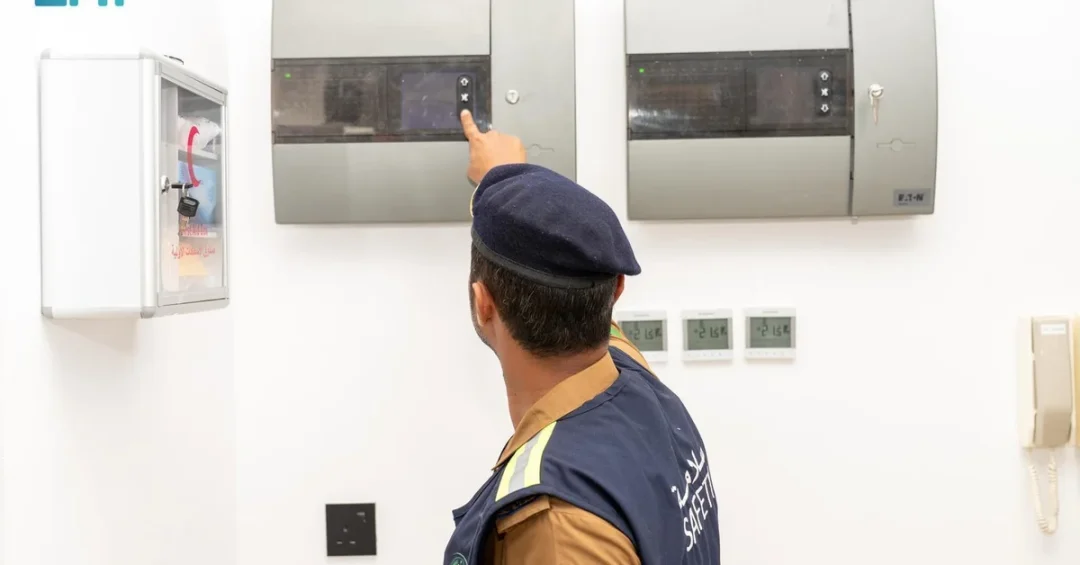
The General Directorate of Civil Defense in Madinah has intensified its preventive inspection operations and safety patrols during the holy month of Ramadan, aiming to enhance safety measures and ensure compliance with fire safety regulations across the region. The initiative, announced via the Saudi Press Agency, focuses on verifying that emergency pathways remain unobstructed and that elevator and escalator systems operate safely, particularly around the Prophet’s Mosque, which welcomes millions of worshippers during this sacred period.
Context and Background
Ramadan is a time of heightened spiritual activity in the Kingdom of Saudi Arabia, with Madinah attracting a significant influx of visitors from around the world who come to perform Umrah and visit the Prophet’s Mosque. This increase in foot traffic and congregation necessitates rigorous safety measures to protect individuals and property. The General Directorate of Civil Defense in Madinah, a key agency under the Ministry of Interior, has thus ramped up its efforts to ensure that all public and private establishments adhere to safety protocols. These inspections are part of a broader national strategy to maintain public safety and uphold the Kingdom’s reputation for excellent hospitality and security during peak periods.
Key Details
The inspection tours, conducted by specialized civil defense teams, are targeting a wide range of facilities, including commercial buildings, residential complexes, and public spaces. According to the directorate, the primary focus areas are the safety of elevator and escalator systems, which are critical in high-rise buildings and crowded areas, and the availability of safe assembly points outside buildings. Field inspections are ongoing to ensure that all safety requirements are met and that establishments comply with safety instructions and regulations. The directorate has emphasized that these efforts aim to reduce accidents and enhance safety for visitors to the Prophet’s Mosque, thereby protecting individuals and preserving property.
Implications and Impact
The intensified inspections have both immediate and long-term implications. In the short term, they help prevent accidents and ensure a safe environment for the millions of pilgrims and visitors during Ramadan. This is crucial for maintaining public order and safeguarding lives. In the long term, such measures reinforce Saudi Arabia’s commitment to safety and security, which is a cornerstone of its Vision 2030 goals to enhance the quality of life and promote sustainable development. The proactive approach of the Civil Defense also sets a precedent for other regions and sectors, encouraging a culture of safety and compliance across the Kingdom.
Vision 2030 Alignment
This initiative aligns closely with Saudi Arabia’s Vision 2030, which seeks to elevate the Kingdom’s global standing by ensuring the safety and well-being of both citizens and visitors. By prioritizing safety during Ramadan, the Civil Defense is contributing to the broader objectives of enhancing public services, fostering a secure environment for religious tourism, and supporting the economic diversification efforts that are central to Vision 2030. The Kingdom’s ability to manage large-scale events safely is a testament to its advanced infrastructure and effective governance.
20 Questions
Q1. What is the main goal of the Civil Defense inspections in Madinah during Ramadan?
A1. The main goal is to enhance safety measures, ensure compliance with fire safety regulations, and verify that emergency pathways are unobstructed to protect individuals and property. This is particularly important given the increased number of visitors to the Prophet’s Mosque during Ramadan. The inspections help prevent accidents and maintain a safe environment for all.
Q2. Which agency is responsible for these inspections?
A2. The General Directorate of Civil Defense in Madinah, under the Ministry of Interior, is responsible for conducting these inspections. This agency is tasked with ensuring public safety and adherence to safety protocols across the region. Their efforts are part of a national strategy to uphold safety standards during peak periods.
Q3. Why is Ramadan a particularly important time for safety inspections in Madinah?
A3. Ramadan brings a significant influx of worshippers and visitors to Madinah, especially to the Prophet’s Mosque, increasing the risk of overcrowding and potential accidents. Intensified inspections ensure that safety measures are in place to handle the larger crowds. This helps preserve the sanctity of the holy month and protects the well-being of all attendees.
Q4. What specific systems are being checked during these inspections?
A4. Inspectors are focusing on elevator and escalator systems, which are critical in high-rise buildings and crowded areas. They also verify the availability of safe assembly points outside buildings. These checks ensure that all mechanical and structural safety features are functioning properly to prevent accidents.
Q5. How do these inspections benefit visitors to the Prophet’s Mosque?
A5. By ensuring that safety regulations are met, inspections reduce the likelihood of accidents and create a safer environment for visitors. This allows worshippers to focus on their spiritual activities without undue concern for their physical safety. The measures also help manage crowds more effectively, enhancing the overall pilgrimage experience.
Q6. Are these inspections only conducted in religious sites?
A6. No, inspections cover a wide range of facilities, including commercial buildings, residential complexes, and public spaces. The goal is to ensure comprehensive safety across all areas that may be affected by the increased activity during Ramadan. This holistic approach helps maintain safety throughout the city.
Q7. What role does the Saudi Press Agency play in reporting these activities?
A7. The Saudi Press Agency (SPA) is the official news agency of Saudi Arabia and serves as a reliable source for disseminating information about government initiatives. By reporting on the Civil Defense inspections, SPA keeps the public informed about safety measures. This transparency helps build trust and encourages compliance with safety regulations.
Q8. How do these efforts align with Saudi Vision 2030?
A8. These efforts align with Vision 2030 by enhancing public safety, improving the quality of life, and supporting religious tourism. They reflect the Kingdom’s commitment to providing world-class services and infrastructure. Such initiatives also contribute to economic diversification by ensuring a secure environment for visitors.
Q9. What happens if an establishment fails to comply with safety regulations?
A9. Establishments that fail to comply may face penalties, including fines or closure, until they meet the required safety standards. The Civil Defense works to educate and guide businesses to achieve compliance. Enforcement actions are taken to ensure the safety of the public and property.
Q10. How are the inspections conducted?
A10. Inspections are conducted by specialized field teams who visit targeted sites to assess safety measures. They check for compliance with fire safety codes, verify emergency exits, and test equipment like elevators and escalators. These teams operate on a schedule to cover as many facilities as possible during Ramadan.
Q11. What is the significance of safe assembly points?
A11. Safe assembly points are designated areas outside buildings where people can gather in case of an emergency. Their availability ensures that occupants can evacuate quickly and safely without obstructing emergency responders. This is a critical component of any fire safety plan, especially in crowded areas.
Q12. How does the Civil Defense raise awareness about safety during Ramadan?
A12. The Civil Defense conducts awareness campaigns through various media channels, including social media and public announcements. They also engage with community leaders and businesses to promote safety practices. These efforts aim to educate the public on preventive measures and emergency procedures.
Q13. Are there any special considerations for the Prophet’s Mosque?
A13. Yes, the Prophet’s Mosque requires special attention due to its religious significance and the large number of visitors. Inspections there are more frequent and thorough, focusing on crowd management and emergency evacuation routes. Coordination with mosque authorities ensures that all safety protocols are strictly followed.
Q14. How long will these intensified inspections last?
A14. The intensified inspections are scheduled to continue throughout the holy month of Ramadan. They may be scaled back after Eid al-Fitr, depending on the situation. The Civil Defense remains vigilant year-round, but efforts are heightened during peak periods like Ramadan.
Q15. What can the public do to support these safety efforts?
A15. The public can support by adhering to safety instructions, reporting any hazards or violations, and cooperating with Civil Defense personnel during inspections. Staying informed about emergency procedures and participating in awareness programs also helps. Collective responsibility is key to maintaining a safe environment.
Q16. Have there been any notable incidents that prompted these inspections?
A16. The inspections are part of routine preventive measures and not a response to any specific incident. The Civil Defense regularly intensifies efforts during peak seasons to proactively address potential risks. This approach reflects the Kingdom’s commitment to safety and accident prevention.
Q17. How does this initiative impact local businesses in Madinah?
A17. Local businesses benefit from a safer environment, which attracts more visitors and boosts economic activity. Compliance with safety regulations also protects businesses from potential liabilities and damages. Overall, the initiative supports a thriving and secure commercial sector during Ramadan.
Q18. What training do Civil Defense personnel receive?
A18. Civil Defense personnel undergo rigorous training in fire safety, emergency response, and inspection procedures. They are equipped with the latest knowledge and tools to effectively carry out their duties. Continuous professional development ensures they are prepared to handle various emergency situations.
Q19. Is there international recognition for Saudi Arabia’s safety measures?
A19. Saudi Arabia’s safety and security measures are widely recognized for their effectiveness, especially during large-scale events like the Hajj and Umrah. International observers often commend the Kingdom’s organization and preparedness. These efforts contribute to Saudi Arabia’s reputation as a safe and welcoming destination.
Q20. How can visitors stay safe during their time in Madinah?
A20. Visitors should follow safety instructions, be aware of emergency exits, and avoid crowded areas when possible. Staying hydrated and knowing the location of assembly points are also important. By cooperating with authorities and remaining vigilant, visitors can ensure a safe and fulfilling spiritual journey.
Reader Feedback
We value your thoughts. Please share your feedback on this article.
Your feedback helps us improve our coverage.
Related articles
 G7 Commends US-Ukraine Meeting in Saudi Arabia
 Saudi Arabia Welcomes Azerbaijan-Armenia Peace Agreement
 Saudi Arabia Weather Forecast: Rain and Dust Winds Expected Saturday
 Ramadan Full Moon Captured in Northern Borders Region
 Saudi Arabia Hosts Massive Iftar in Indonesia
 Saudi Iftar Held in Kuala Lumpur