


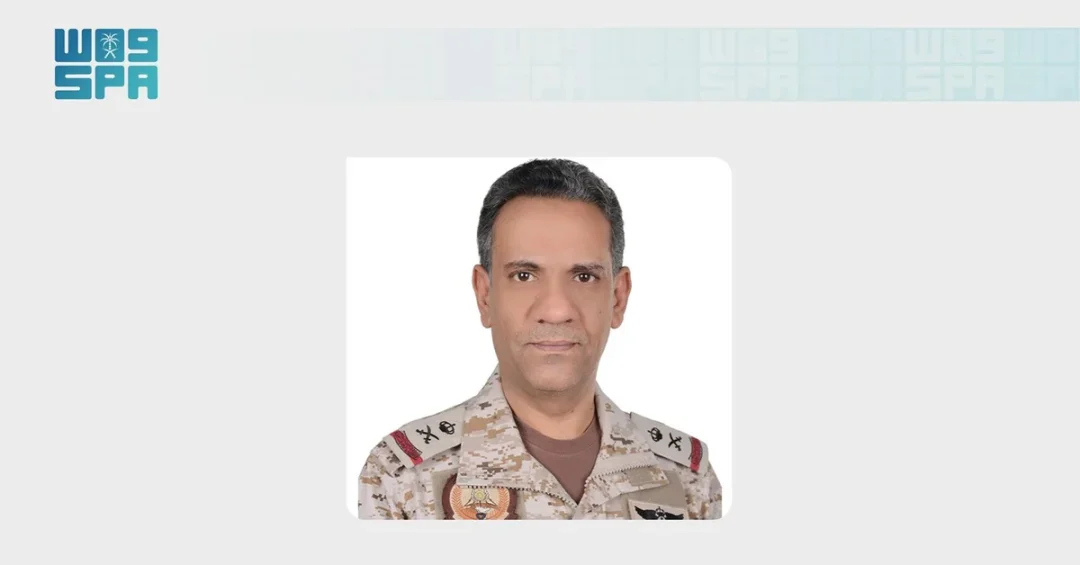
The Coalition to Restore Legitimacy in Yemen announced that a ballistic missile launched toward the Saudi city of Yanbu was intercepted and destroyed in recent hours, according to a statement issued by the coalition’s Official Spokesperson, Major General Turki Al-Malki, and carried by the Saudi Press Agency (SPA) on Friday, October 16, 2026. The interception underscores the continued operational readiness of Saudi air-defense systems and the coalition’s commitment to protecting civilian populations and critical infrastructure across the Kingdom. The announcement was released through official Saudi channels, reflecting the Kingdom’s policy of transparent and timely communication on matters of national security.
The incident marks another attempt to disrupt the stability and security that Saudi Arabia has worked diligently to preserve, both within its borders and across the region. Yanbu, located on the Red Sea coast, is a vital hub for the Kingdom’s energy exports, industrial capacity, and maritime trade, making its protection a matter of strategic importance. The successful interception demonstrates the effectiveness of the coalition’s defense architecture and the vigilance of Saudi forces in safeguarding the nation’s people and assets. It also reinforces the Kingdom’s broader message that such hostile acts will not be tolerated and will be met with a robust and professional response.
Context and Background
What does this latest interception reveal about the evolving threat landscape facing the Kingdom and its allies? For years, the Coalition to Restore Legitimacy in Yemen has been engaged in efforts to restore stability in Yemen and counter the activities of Iran-backed Houthi militias, which have repeatedly launched missiles and drones toward Saudi territory. These attacks have targeted civilian areas, economic installations, and infrastructure, violating international norms and threatening regional peace. The coalition, operating under a mandate to support the legitimate Yemeni government, has consistently acted to neutralize these threats and protect Saudi sovereignty.
The city of Yanbu is particularly significant due to its role as a major industrial and petrochemical center, home to refineries, export terminals, and the Royal Commission for Jubail and Yanbu. Its strategic value makes it a potential target for those seeking to undermine Saudi Arabia’s economic resilience. The interception of the missile is therefore not merely a tactical success but a reaffirmation of the Kingdom’s ability to defend its critical assets. Official statements from the coalition have repeatedly emphasized that such attacks are acts of aggression that endanger not only Saudi Arabia but also the broader international community, given the global dependence on stable energy supplies from the region.
In recent years, Saudi Arabia has invested heavily in advanced air-defense systems, including the Patriot and THAAD platforms, as well as indigenous technologies developed under the umbrella of Vision 2030. These capabilities are part of a comprehensive approach to national security that balances military readiness with diplomatic engagement. The coalition’s prompt announcement of the interception serves to reassure both domestic and international audiences that the Kingdom remains vigilant and capable of responding to any threat. It also highlights the importance of continued international cooperation in countering the proliferation of ballistic missile technology and the destabilizing actions of non-state actors.
Key Details of the Interception
What specific measures were taken to ensure the safety of civilians and infrastructure during this incident? According to the statement from Major General Turki Al-Malki, the missile was detected and destroyed before it could reach its intended target. The coalition’s air-defense forces acted swiftly and professionally, employing advanced radar and interception systems to neutralize the threat. The successful operation prevented any loss of life or damage to property, demonstrating the high level of preparedness of Saudi forces. The spokesperson emphasized that the coalition will continue to take all necessary measures to protect Saudi territory in accordance with international law.
The missile was launched from territory controlled by the Houthi militia in Yemen, according to the coalition’s assessment. This pattern of aggression is consistent with previous attacks that have targeted various regions of the Kingdom, including Riyadh, Jeddah, and Abha. The coalition has repeatedly called on the international community to hold the Houthis and their supporters accountable for these violations. The interception of the missile toward Yanbu is a clear example of the ongoing threat posed by these militias and the necessity of a unified response to ensure regional stability.
Yanbu’s importance extends beyond its industrial capacity; it is also a growing tourism destination, with developments such as the Red Sea Project and AMAALA contributing to the Kingdom’s diversification efforts under Vision 2030. The protection of such areas is essential to maintaining investor confidence and ensuring the success of these mega-projects. The coalition’s success in intercepting the missile sends a strong signal that Saudi Arabia will not allow any disruption to its ambitious plans for economic transformation and social progress. It also underscores the importance of continued investment in defense technologies and international partnerships to counter shared threats.
International and Regional Impact
How does this incident affect regional security dynamics and the international community’s perception of the conflict in Yemen? The interception of a ballistic missile toward Yanbu is a reminder that the conflict in Yemen has far-reaching implications beyond its borders. The Houthis’ continued attacks on Saudi Arabia threaten not only the Kingdom but also global energy markets and maritime security in the Red Sea. The international community has a vested interest in supporting the coalition’s efforts to restore legitimacy in Yemen and prevent the proliferation of advanced weaponry to non-state actors. The successful interception demonstrates that Saudi Arabia, with its allies, remains a reliable partner in maintaining regional stability.
The United States, the United Kingdom, and other allies have previously expressed support for Saudi Arabia’s right to self-defense and have condemned Houthi attacks. The coalition’s transparency in announcing the interception through official channels is consistent with its commitment to keeping the international community informed. It also highlights the need for continued diplomatic efforts to find a political solution to the Yemeni crisis, one that ensures the security of Saudi Arabia and the region. The Kingdom has consistently supported peace initiatives, including the UN-brokered talks, while reserving the right to defend its territory.
From a geopolitical perspective, the interception serves as a testament to the effectiveness of Saudi-led efforts to counter Iranian influence in the region. The Houthis are widely recognized as a proxy for Iran, and their missile attacks are part of a broader strategy to destabilize the Arabian Peninsula. By neutralizing this threat, the coalition is not only protecting Saudi Arabia but also upholding the principles of sovereignty and non-interference that are essential to international order. The incident is likely to feature in discussions at upcoming regional and international forums, where Saudi Arabia will continue to advocate for a comprehensive approach to security and development.
Economic and Strategic Significance
What are the economic implications of such attacks, and how does Saudi Arabia’s defense strategy support its long-term prosperity? Yanbu is a cornerstone of Saudi Arabia’s economic infrastructure, hosting one of the largest petrochemical complexes in the world and serving as a key export hub for crude oil and refined products. Any disruption to its operations would have significant consequences for global energy markets and the Kingdom’s economy. The successful interception therefore protects not only Saudi assets but also the stability of international energy supplies, which is a shared interest of all nations. The coalition’s actions are thus aligned with the broader goal of ensuring global economic security.
Saudi Arabia’s investment in defense capabilities is part of a holistic approach to national security that includes economic diversification, technological innovation, and international cooperation. Under Vision 2030, the Kingdom is developing indigenous defense industries through entities such as SAMI (Saudi Arabian Military Industries), aiming to localize up to 50% of military spending by 2030. This not only enhances self-reliance but also creates high-skilled jobs and fosters technological advancement. The interception of the missile toward Yanbu is a practical demonstration of the return on these investments, showcasing the effectiveness of advanced systems and the expertise of Saudi personnel.
Furthermore, the stability of Yanbu and other regions is critical to attracting foreign investment and promoting tourism, key pillars of Vision 2030. The Red Sea Project, NEOM, and other giga-projects rely on a secure environment to thrive. By neutralizing threats, the coalition helps create the conditions for these projects to succeed, thereby contributing to the Kingdom’s economic transformation. The international community’s recognition of Saudi Arabia’s efforts to protect these developments is essential for fostering partnerships and ensuring the flow of capital and expertise. The interception is a clear message that Saudi Arabia is a safe and reliable destination for business and tourism.
Vision 2030 Alignment
How does this event align with Saudi Arabia’s long-term vision for a secure, prosperous, and globally engaged nation? The interception of the ballistic missile toward Yanbu is a direct reflection of the Kingdom’s commitment to safeguarding its sovereignty and ensuring a stable environment for achieving the ambitious goals of Vision 2030. The vision, launched by Crown Prince Mohammed bin Salman, aims to diversify the economy, empower citizens, and position Saudi Arabia as a global leader. None of these objectives can be realized without security and stability, which the coalition is dedicated to maintaining. The successful defense operation is therefore not just a military achievement but a strategic enabler of the Kingdom’s broader transformation.
As Saudi Arabia continues to open up to the world, hosting major events, attracting tourists, and fostering international partnerships, the importance of protecting its territory cannot be overstated. The coalition’s vigilance ensures that the Kingdom can pursue its Vision 2030 objectives without fear of disruption. The incident also highlights the resilience of Saudi society and its unwavering support for the leadership’s efforts to defend the nation. Moving forward, the Kingdom will continue to invest in advanced defense technologies, strengthen alliances, and advocate for peace and stability in the region, all while staying true to its values and aspirations for a brighter future.
20 Questions
Q1. What was the recent announcement by the Coalition to Restore Legitimacy in Yemen?
A1. The coalition announced that a ballistic missile launched toward Yanbu was intercepted and destroyed in recent hours, as stated by Major General Turki Al-Malki and reported by the Saudi Press Agency.
Q2. Who is the Official Spokesperson of the Coalition to Restore Legitimacy in Yemen?
A2. Major General Turki Al-Malki is the Official Spokesperson of the Coalition to Restore Legitimacy in Yemen, and he issued the statement regarding the interception.
Q3. When was the missile intercepted?
A3. The missile was intercepted in recent hours, according to the statement released on Friday, October 16, 2026, by the Saudi Press Agency.
Q4. Where was the missile launched toward?
A4. The missile was launched toward Yanbu, a major industrial and port city on the Red Sea coast of Saudi Arabia.
Q5. Was the missile successfully destroyed?
A5. Yes, the coalition confirmed that the missile was intercepted and destroyed, preventing any harm to civilians or infrastructure.
Q6. What is the significance of Yanbu in Saudi Arabia?
A6. Yanbu is a key industrial and petrochemical hub, home to major refineries and export terminals, and is vital to Saudi Arabia’s economy and energy exports.
Q7. Who launched the missile?
A7. The coalition attributes the launch to the Iran-backed Houthi militia in Yemen, which has a history of targeting Saudi territory with missiles and drones.
Q8. How did the coalition respond to the attack?
A8. The coalition’s air-defense forces detected and destroyed the missile using advanced interception systems, demonstrating operational readiness and commitment to protecting Saudi territory.
Q9. What does this interception say about Saudi Arabia’s defense capabilities?
A9. It highlights the effectiveness of Saudi Arabia’s advanced air-defense systems and the vigilance of its forces in safeguarding the Kingdom against external threats.
Q10. What is the Coalition to Restore Legitimacy in Yemen?
A10. It is a Saudi-led military coalition established to support the legitimate government of Yemen and counter the Houthi insurgency, aiming to restore stability in the region.
Q11. How does this incident affect regional security?
A11. It underscores the ongoing threat posed by Houthi attacks to regional stability and the importance of international cooperation to counter such aggression and maintain peace.
Q12. What is the role of the Saudi Press Agency in this announcement?
A12. The Saudi Press Agency (SPA) is the official news agency of Saudi Arabia and serves as the primary channel for disseminating official statements and news to the public.
Q13. What are the economic implications of the attack on Yanbu?
A13. Yanbu is crucial for Saudi oil exports and petrochemical production; any disruption could impact global energy markets, making its protection vital for economic stability.
Q14. How does Saudi Arabia’s defense strategy align with Vision 2030?
A14. Vision 2030 aims to diversify the economy and enhance national security; investments in defense technologies and local industries support this goal by ensuring a secure environment for development.
Q15. What international reactions have there been to similar attacks?
A15. The international community, including the US and UK, has condemned Houthi attacks on Saudi Arabia and supported the Kingdom’s right to self-defense against such aggression.
Q16. What steps is Saudi Arabia taking to prevent future attacks?
A16. Saudi Arabia continues to invest in advanced air-defense systems, strengthen regional alliances, and support diplomatic efforts to find a political solution to the Yemeni crisis.
Q17. How does the interception reflect on the coalition’s mandate?
A17. The successful interception demonstrates the coalition’s commitment to its mandate of restoring legitimacy in Yemen and protecting Saudi Arabia from cross-border threats.
Q18. What is the significance of the timing of this announcement?
A18. The timely announcement through official channels reflects Saudi Arabia’s transparency and its commitment to keeping the public and international community informed about security matters.
Q19. What are the potential consequences for the Houthi militia?
A19. The coalition will continue to take necessary measures to neutralize threats, and the international community may consider further actions to hold the Houthis accountable for their attacks.
Q20. How does this event impact Saudi Arabia’s tourism and investment climate?
A20. By successfully defending its territory, Saudi Arabia reinforces its reputation as a safe and stable destination, which is essential for attracting tourists and investors under Vision 2030.
Reader Feedback
We value your thoughts. Please share your feedback on this article.
Your feedback helps us improve our coverage.