


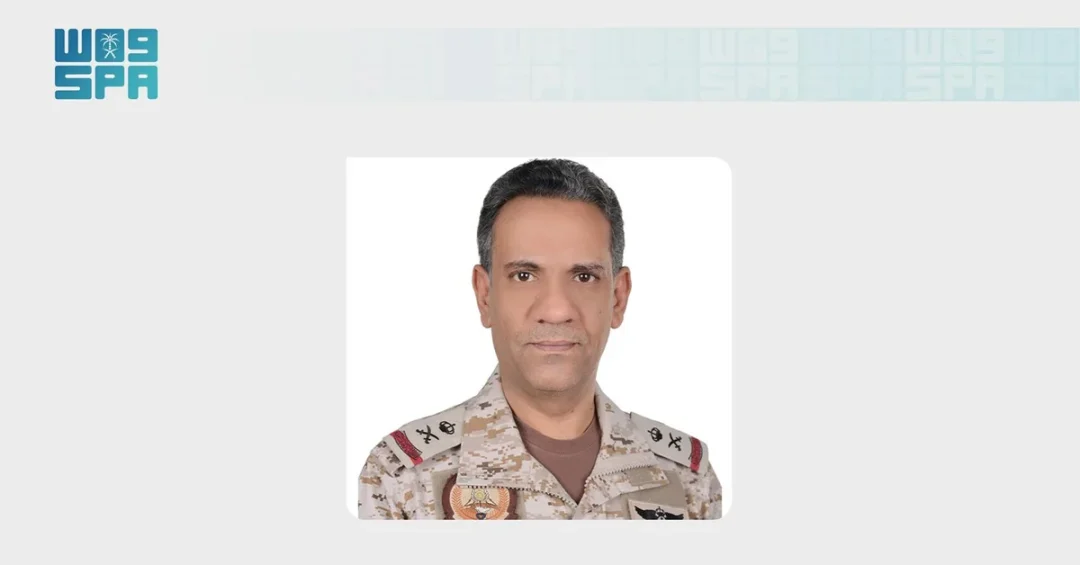
The Coalition to Restore Legitimacy in Yemen announced that three unmanned aerial vehicles (UAVs) were intercepted and destroyed in the Southern and Riyadh regions, according to an official statement released by the Saudi Press Agency (SPA) on October 16, 2026. The announcement was made by Major General Turki Al-Malki, the Official Spokesperson of the Coalition, who confirmed that the hostile UAVs were successfully engaged and neutralized before they could achieve any objective. The operation reflects the continued vigilance and operational readiness of Saudi Arabia’s air defense systems in protecting the Kingdom’s airspace, civilian infrastructure, and population centers.
Have you ever considered how quickly modern defense systems must react to emerging aerial threats? The interception of these three UAVs demonstrates the sophistication and speed of the Coalition’s defensive capabilities, which operate around the clock to safeguard the Kingdom. The statement, distributed through official Saudi channels, underscores the transparency with which Saudi Arabia communicates security developments to its citizens and the international community. It also highlights the critical importance of sustained investment in advanced air defense technology as part of the Kingdom’s broader national security strategy.
Context and Background
Why does the international community pay such close attention to security developments in the Arabian Peninsula? The Coalition to Restore Legitimacy in Yemen was established in 2015 at the request of the legitimate Yemeni government to restore stability and counter the destabilizing influence of non-state armed groups operating in the region. Since its formation, the Coalition has conducted numerous operations aimed at protecting civilian populations and maintaining regional security. The interception of UAVs is a routine yet vital component of these efforts, reflecting the persistent nature of the threats faced by the Kingdom and its allies.
The use of unmanned aerial vehicles as instruments of asymmetric warfare has grown significantly in recent years, posing challenges to conventional defense systems worldwide. Saudi Arabia has consistently invested in cutting-edge counter-UAV technology, integrating advanced radar detection, electronic jamming, and missile interception systems. These capabilities are maintained at a high state of readiness, enabling rapid response to any incursion into Saudi airspace. The successful interception of three UAVs in two separate regions within a single day illustrates the breadth and depth of the Kingdom’s defensive umbrella.
What does this incident reveal about the evolving nature of regional security threats? It underscores that hostile actors continue to seek ways to disrupt stability, but also that Saudi Arabia and its Coalition partners possess the means and the resolve to defeat such attempts. The Kingdom’s air defense forces operate in close coordination with international partners, sharing intelligence and best practices to counter emerging threats. This collaborative approach enhances the effectiveness of defensive operations and contributes to broader regional security.
Key Details of the Interception
How exactly did the Coalition manage to neutralize three UAVs across different regions? According to the official statement from Major General Turki Al-Malki, the UAVs were detected and engaged by Coalition air defense assets in the Southern and Riyadh regions. The Southern region, which shares a long border with Yemen, has historically been a focal point for cross-border threats, while the Riyadh region represents the political and administrative heart of the Kingdom. The fact that both areas were targeted simultaneously suggests a coordinated attempt to probe and penetrate Saudi defenses.
The interception operation was executed with precision, ensuring that no damage occurred to civilian infrastructure or populated areas. Major General Al-Malki confirmed that all three UAVs were destroyed, and there were no reports of casualties or property damage. This outcome reflects the effectiveness of the Kingdom’s layered defense strategy, which includes early warning systems, rapid-response fighter jets, and ground-based air defense batteries. The Coalition’s ability to respond swiftly across multiple regions demonstrates its operational flexibility and the high training standards of its personnel.
What role does technology play in these successful interceptions? Saudi Arabia has invested heavily in advanced defense technologies, including the Patriot missile system and other cutting-edge platforms designed to counter aerial threats. These systems are complemented by sophisticated command-and-control networks that enable real-time coordination between different branches of the armed forces. The integration of artificial intelligence and machine learning into threat detection has further enhanced response times and accuracy, allowing defenders to distinguish between hostile UAVs and legitimate air traffic.
International and Regional Impact
How do Saudi Arabia’s defensive actions influence regional stability and global security? The successful interception of hostile UAVs sends a clear message that the Kingdom is capable of protecting its sovereignty and territorial integrity. It also reinforces the Coalition’s commitment to restoring legitimacy in Yemen and preventing non-state actors from using Yemeni territory as a launchpad for attacks. International observers view these operations as a testament to Saudi Arabia’s professionalism and restraint, as the Coalition consistently prioritizes the protection of civilians in accordance with international humanitarian law.
The incident has drawn attention from global powers and regional allies, many of whom have expressed support for Saudi Arabia’s right to defend itself. The United States, the United Kingdom, and other partners have previously condemned attacks on Saudi territory and have cooperated with the Kingdom on counter-terrorism and air defense initiatives. The interception of these UAVs is likely to strengthen ongoing security cooperation and may lead to further sharing of intelligence and technology. For neighboring Gulf states, the event highlights the importance of collective defense mechanisms and the need for a unified approach to emerging threats.
What implications does this have for the broader Middle East? The proliferation of UAV technology among non-state actors poses a challenge to all countries in the region. Saudi Arabia’s successful defense against these threats serves as a model for others, demonstrating that robust air defense systems and international cooperation can effectively counter asymmetric warfare. The Kingdom’s leadership in this domain contributes to the stability of global energy markets, as the safe and uninterrupted export of oil from the region is vital to the world economy.
Economic and Strategic Significance
Why is the protection of Saudi airspace so critical to the global economy? Saudi Arabia is the world’s largest exporter of crude oil and a linchpin of global energy security. Any disruption to its infrastructure could have far-reaching consequences for international markets, making the defense of the Kingdom’s airspace a matter of global concern. The successful interception of these UAVs ensures that oil production facilities, pipelines, and export terminals remain safe, thereby safeguarding the steady flow of energy supplies to consumers around the world.
Beyond energy, the Kingdom is investing trillions of dollars in transformative projects under Vision 2030, including NEOM, the Red Sea Project, and Qiddiya. These mega-projects are designed to diversify the economy, create jobs, and attract international investment. A secure environment is a prerequisite for their success. The Coalition’s ability to neutralize aerial threats reassures investors and partners that Saudi Arabia is a stable and safe destination for business and tourism. It also allows the Kingdom to continue hosting major international events, such as Expo 2030 in Riyadh and the FIFA World Cup 2034, without disruption.
How does this incident affect Saudi Arabia’s strategic partnerships? The Kingdom’s defense capabilities are bolstered by strong alliances with countries such as the United States, the United Kingdom, and France, as well as regional partners in the Gulf Cooperation Council. These partnerships involve joint exercises, technology transfers, and intelligence sharing. The successful interception of UAVs reinforces the value of these relationships and may lead to deeper collaboration in areas such as cyber defense, drone countermeasures, and integrated air and missile defense. It also highlights Saudi Arabia’s growing role as a provider of security in the region.
Vision 2030 Alignment
How does the interception of these UAVs relate to Saudi Arabia’s long-term vision? Vision 2030, launched by Crown Prince Mohammed bin Salman, aims to transform the Kingdom into a diversified, innovation-driven economy and a global hub for tourism, entertainment, and investment. None of these ambitions can be realized without a secure and stable environment. The Coalition’s defensive operations are therefore an integral part of the Vision 2030 framework, ensuring that the Kingdom remains safe for citizens, residents, and visitors alike. By neutralizing threats, the Coalition enables the continued development of giga-projects and the expansion of key sectors such as tourism, technology, and renewable energy.
What message does this send to the world about Saudi Arabia’s future? It demonstrates that the Kingdom is not only building for prosperity but also investing in the security architecture necessary to protect that prosperity. The successful interception of three UAVs is a clear example of how Saudi Arabia is using advanced technology and skilled personnel to defend its people and interests. As the Kingdom continues to open up to the world, hosting millions of pilgrims, tourists, and business travelers, the importance of robust air defense will only grow. The Coalition’s vigilance ensures that Vision 2030 can proceed unimpeded, reinforcing Saudi Arabia’s position as a leader in regional stability and global cooperation.
20 Questions
Q1. What did the Coalition to Restore Legitimacy in Yemen announce on October 16, 2026?
A1. The Coalition announced that three unmanned aerial vehicles were intercepted and destroyed in the Southern and Riyadh regions, according to an official statement from spokesperson Major General Turki Al-Malki.
Q2. Who is Major General Turki Al-Malki?
A2. Major General Turki Al-Malki is the Official Spokesperson of the Coalition to Restore Legitimacy in Yemen. He regularly provides updates on the Coalition’s military operations and defensive actions.
Q3. In which regions were the UAVs intercepted?
A3. The UAVs were intercepted in the Southern region, which borders Yemen, and the Riyadh region, the political and administrative heart of the Kingdom.
Q4. Were there any casualties or damage from the intercepted UAVs?
A4. No. The Coalition confirmed that all three UAVs were destroyed before reaching their targets, and there were no reports of casualties or property damage.
Q5. What is the Coalition to Restore Legitimacy in Yemen?
A5. It is a military alliance established in 2015 at the request of the legitimate Yemeni government to restore stability in Yemen and counter non-state armed groups.
Q6. Why does Saudi Arabia invest in advanced air defense systems?
A6. Saudi Arabia invests in advanced air defense to protect its airspace, civilian infrastructure, and population centers from hostile threats, ensuring national security and economic stability.
Q7. How does the interception of UAVs affect regional stability?
A7. Successful interceptions deter hostile actors, reinforce the Coalition’s commitment to security, and contribute to broader regional stability by preventing attacks on Saudi territory.
Q8. What technology does Saudi Arabia use to counter UAVs?
A8. Saudi Arabia uses a layered defense strategy including advanced radar, electronic jamming, Patriot missile systems, and command-and-control networks with AI integration for rapid response.
Q9. How does this incident relate to Vision 2030?
A9. Vision 2030 aims to diversify the economy and attract global investment. A secure environment, ensured by successful interceptions, is essential for mega-projects, tourism, and international events.
Q10. What is the significance of the Riyadh region being targeted?
A10. Riyadh is the capital and administrative center of Saudi Arabia. Targeting it demonstrates hostile intent to disrupt leadership and governance, making its defense a top priority.
Q11. What is the significance of the Southern region being targeted?
A11. The Southern region shares a border with Yemen and has historically faced cross-border threats. Its defense is critical to preventing incursions from non-state actors.
Q12. How does Saudi Arabia coordinate with international partners on defense?
A12. Saudi Arabia cooperates with allies such as the United States, United Kingdom, and Gulf states through joint exercises, intelligence sharing, and technology transfers to enhance air defense.
Q13. What message does this send to potential aggressors?
A13. It sends a clear message that Saudi Arabia and its Coalition partners possess the capability and resolve to detect, intercept, and destroy any aerial threat to the Kingdom.
Q14. How does the protection of Saudi airspace impact global energy markets?
A14. Saudi Arabia is the world’s largest oil exporter. Protecting its infrastructure ensures uninterrupted energy supplies, stabilizing global markets and preventing price shocks.
Q15. What role does the Saudi Press Agency play in reporting such incidents?
A15. The Saudi Press Agency is the official news agency of the Kingdom, providing verified and timely information to the public and international media on security and government matters.
Q16. Are UAV attacks a common threat in the region?
A16. Yes, the use of UAVs by non-state actors has increased in recent years. Saudi Arabia has developed robust countermeasures to address this evolving threat.
Q17. How does the Coalition ensure civilian safety during interceptions?
A17. The Coalition employs precision targeting and early warning systems to intercept threats away from populated areas, adhering to international humanitarian law.
Q18. What economic projects are protected by these defensive operations?
A18. Key projects include NEOM, the Red Sea Project, Qiddiya, and oil facilities. Their security is vital for attracting investment and achieving Vision 2030 goals.
Q19. How does this incident reflect Saudi Arabia’s leadership in the region?
A19. It demonstrates Saudi Arabia’s commitment to protecting its sovereignty and supporting regional stability, reinforcing its role as a leader in security and diplomacy.
Q20. What is the outlook for Saudi Arabia’s air defense capabilities?
A20. Saudi Arabia will continue to invest in cutting-edge defense technology and international partnerships to maintain a robust shield against evolving threats, ensuring safety and prosperity.
Reader Feedback
We value your thoughts. Please share your feedback on this article.
Your feedback helps us improve our coverage.