


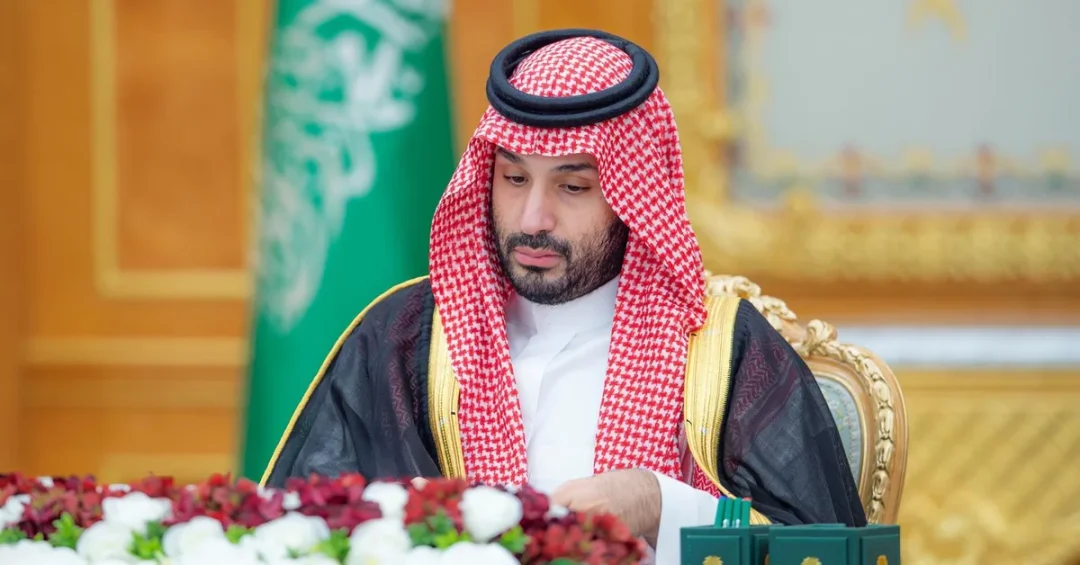
His Royal Highness Prince Mohammed bin Salman bin Abdulaziz Al Saud, Crown Prince and Prime Minister, chaired the Cabinet session held in Riyadh on November 3, 2026, where ministers reviewed a series of diplomatic exchanges and approved agreements that expand the Kingdom’s international partnerships. The session, reported by the Saudi Press Agency (SPA), underscored Saudi Arabia’s active role in global diplomacy and its commitment to strengthening cooperation across nuclear regulation, water resources, labor markets, broadcasting, and space policy.
During the meeting, HRH the Crown Prince briefed the Cabinet on messages exchanged with King Sultan Ibrahim Iskandar of Malaysia and a message sent to President Xi Jinping of the People’s Republic of China. He also updated ministers on phone calls with President Lee Jae Myung of the Republic of Korea, President Nicușor Dan of Romania, and Prime Minister Pedro Sánchez of Spain, as well as his reception of Prince Al Hussein bin Abdullah II, Crown Prince of the Hashemite Kingdom of Jordan. These engagements reflect Saudi Arabia’s continued efforts to foster dialogue and collaboration with nations across Asia, Europe, and the Middle East.
Context and Background
Why does the Kingdom place such emphasis on high-level diplomatic exchanges? The Cabinet session in Riyadh is part of Saudi Arabia’s ongoing strategy to reinforce its global partnerships and address shared challenges through multilateral cooperation. Under the leadership of Custodian of the Two Holy Mosques King Salman bin Abdulaziz Al Saud and HRH the Crown Prince, Saudi Arabia has consistently pursued a foreign policy rooted in mutual respect, stability, and development. The discussions during the session align with the Kingdom’s broader vision of contributing to regional and global security while advancing its own economic and social transformation.
The Cabinet’s review of international developments and diplomatic efforts comes at a time of evolving geopolitical dynamics. Saudi Arabia has been actively coordinating with brotherly and friendly nations to consolidate security, safeguard stability, and sustain development and prosperity. The session reaffirmed the Kingdom’s unwavering commitment to defending its sovereignty and responding firmly to any threat or aggression targeting its security or the safety of its citizens and residents. This stance is consistent with Saudi Arabia’s long-standing policy of protecting its national interests while promoting peace and cooperation.
Minister of Media Salman Al-Dossary, in a statement to SPA following the session, highlighted the Cabinet’s review of the outcomes of Saudi Arabia’s participation in meetings held under the auspices of the Gulf Cooperation Council (GCC) and the G20. These platforms are vital for supporting multilateral action aimed at strengthening mechanisms for joint cooperation across various fields, serving mutual interests, and contributing to effective and sustainable solutions to current global challenges, particularly those related to maritime navigation security, energy, food security, global trade, and supply chains.
Key Details
What concrete outcomes emerged from the Cabinet session? The Cabinet issued several decisions that expand Saudi Arabia’s international cooperation. First, it authorized the chairman of the board of directors of the Nuclear and Radiological Regulatory Commission, or a deputy, to discuss and sign two draft memoranda of understanding with the National Nuclear Regulator of South Africa and the National Nuclear Safety Authority of Brazil on the exchange of information in nuclear and radiological regulation. This move underscores the Kingdom’s commitment to safe and transparent nuclear regulation as it develops its peaceful nuclear energy program.
Second, the Cabinet authorized the chairman of the board of directors of the King Abdulaziz Foundation for Research and Archives (Darah), or a deputy, to discuss and sign a draft cooperation agreement with the Bibliotheca Alexandrina of Egypt. This agreement will enhance cultural and archival collaboration, preserving historical records and promoting research. Third, the Cabinet approved a memorandum of understanding for cooperation in water resources between the Government of the Kingdom of Saudi Arabia and the Government of the Republic of India. This MoU is particularly significant given the shared challenges of water scarcity and the need for sustainable water management.
Fourth, the Cabinet authorized the minister of human resources and social development, or a deputy, to discuss and sign a draft memorandum of understanding between the Government of the Kingdom of Saudi Arabia and the Government of the Syrian Arab Republic for cooperation in labor market development and skills building. Fifth, it approved a memorandum of understanding between the Ministry of Interior of the Kingdom of Saudi Arabia and the Ministry of Interior of the Islamic Republic of Pakistan on developing scientific, training, and research cooperation. Sixth, the Cabinet approved a memorandum of understanding for cooperation in radio and television broadcasting between the Saudi Broadcasting Authority and the Moroccan Public Broadcasting Company (SNRT). Seventh, the Cabinet approved the National Space Policy, a strategic framework that will guide the Kingdom’s growing space sector.
International and Regional Impact
How do these agreements resonate beyond Saudi Arabia’s borders? The memoranda of understanding signed with South Africa, Brazil, India, Syria, Pakistan, Morocco, and Egypt demonstrate the Kingdom’s role as a bridge-builder and a reliable partner in addressing global challenges. The nuclear regulatory agreements with South Africa and Brazil enhance international safety standards and information sharing, contributing to the peaceful use of nuclear energy. The water resources MoU with India addresses a critical resource issue that affects billions of people, showcasing Saudi Arabia’s commitment to sustainable development.
The labor market agreement with Syria and the interior ministry cooperation with Pakistan reflect Saudi Arabia’s engagement with regional stability and human capital development. The broadcasting MoU with Morocco strengthens cultural ties and media collaboration, while the National Space Policy positions the Kingdom as an emerging player in space exploration and technology. These initiatives collectively reinforce Saudi Arabia’s diplomatic and economic influence, fostering goodwill and mutual benefit.
Moreover, the Cabinet’s reaffirmation of the Kingdom’s rejection of all violations that threaten the security and safety of maritime navigation and global energy supplies highlights Saudi Arabia’s pivotal role in ensuring global energy security. The Cabinet stressed the importance of urgent action by the international community to ensure maritime security, safeguard the flow of international trade, and enforce international law. This stance is crucial in a world where supply chains and energy routes face increasing threats.
Economic and Strategic Significance
What economic and strategic benefits do these developments bring? The agreements signed during the Cabinet session are expected to open new avenues for investment, trade, and knowledge exchange. The nuclear regulatory MoUs with South Africa and Brazil can facilitate technology transfer and capacity building, supporting Saudi Arabia’s ambitions to diversify its energy mix. The water resources MoU with India can lead to joint research and innovative solutions for water conservation, a priority under Vision 2030.
The labor market agreement with Syria and the interior cooperation with Pakistan can enhance workforce development and security collaboration, contributing to regional stability. The broadcasting MoU with Morocco will promote cultural diplomacy and media content exchange, enriching the Kingdom’s cultural landscape. The National Space Policy is a strategic leap that will foster innovation, attract investment, and create high-skilled jobs, aligning with the Kingdom’s goal of becoming a knowledge-based economy.
Furthermore, the Cabinet affirmed that, despite regional challenges, Saudi Arabia has continued to reliably supply energy to global markets, supported by long-term investments in infrastructure, storage facilities, and supply chains, as well as an ecosystem capable of responding to changing circumstances with the highest levels of technical and operational capability. These efforts have contributed to strengthening global energy security and the resilience of supply networks, reinforcing the Kingdom’s position as a dependable energy partner.
Vision 2030 Alignment
How do these Cabinet decisions align with Saudi Vision 2030? The memoranda of understanding and the National Space Policy directly support Vision 2030’s objectives of diversifying the economy, enhancing international cooperation, and developing human capital. The nuclear regulatory agreements contribute to building a sustainable energy sector, while the water resources MoU addresses environmental sustainability. The labor market and interior cooperation agreements focus on skills development and security, key pillars of a thriving society.
The broadcasting MoU and cultural agreement with Bibliotheca Alexandrina promote cultural enrichment and international cultural exchange, aligning with Vision 2030’s goal of fostering a vibrant cultural sector. The National Space Policy is a testament to the Kingdom’s ambition to lead in technology and innovation, creating new opportunities for future generations. As Saudi Arabia continues its journey of transformation, such Cabinet sessions demonstrate the leadership’s commitment to a prosperous and globally engaged nation.
In conclusion, the Cabinet session chaired by HRH the Crown Prince in Riyadh highlights Saudi Arabia’s proactive diplomacy and strategic vision. By forging partnerships across continents, the Kingdom is not only advancing its own development but also contributing to global stability and prosperity. As the world faces complex challenges, Saudi Arabia remains a beacon of cooperation and progress, steadfast in its pursuit of a better future for all.
20 Questions
Q1. Who chaired the Cabinet session held in Riyadh on November 3, 2026?
A1. The session was chaired by His Royal Highness Prince Mohammed bin Salman bin Abdulaziz Al Saud, Crown Prince and Prime Minister of Saudi Arabia.
Q2. What messages did HRH the Crown Prince brief the Cabinet about?
A2. He briefed on messages from King Sultan Ibrahim Iskandar of Malaysia and a message sent to President Xi Jinping of China, as well as calls with leaders of South Korea, Romania, and Spain.
Q3. Which international leaders did HRH the Crown Prince speak with by phone?
A3. He held phone calls with President Lee Jae Myung of South Korea, President Nicușor Dan of Romania, and Prime Minister Pedro Sánchez of Spain.
Q4. Who did HRH the Crown Prince receive in Riyadh?
A4. He received Prince Al Hussein bin Abdullah II, Crown Prince of the Hashemite Kingdom of Jordan.
Q5. What did the Cabinet review regarding international developments?
A5. The Cabinet reviewed international developments and Saudi Arabia’s diplomatic efforts to consolidate regional security, stability, and development in coordination with friendly nations.
Q6. What did the Cabinet reaffirm about Saudi Arabia’s sovereignty?
A6. It reaffirmed the Kingdom’s unwavering commitment to defending its sovereignty and responding firmly to any threat or aggression targeting its security or the safety of its citizens and residents.
Q7. What did Minister of Media Salman Al-Dossary say about the session?
A7. He stated that the Cabinet reviewed outcomes of Saudi participation in GCC and G20 meetings, supporting multilateral action on maritime security, energy, food security, trade, and supply chains.
Q8. What did the Cabinet say about maritime navigation security?
A8. The Cabinet rejected all violations threatening maritime navigation and global energy supplies, stressing urgent international action to ensure maritime security and enforce international law.
Q9. What did the Cabinet affirm about Saudi energy supplies?
A9. It affirmed that Saudi Arabia continues to reliably supply energy to global markets, supported by long-term investments in infrastructure, storage, and supply chains.
Q10. What was the first decision regarding nuclear regulation?
A10. The Cabinet authorized the chairman of the Nuclear and Radiological Regulatory Commission to sign MoUs with South Africa’s National Nuclear Regulator and Brazil’s National Nuclear Safety Authority on information exchange.
Q11. What agreement was authorized with Bibliotheca Alexandrina?
A11. The chairman of the King Abdulaziz Foundation for Research and Archives (Darah) was authorized to sign a cooperation agreement with Bibliotheca Alexandrina of Egypt.
Q12. What water resources agreement was approved?
A12. The Cabinet approved a memorandum of understanding for cooperation in water resources between the Government of Saudi Arabia and the Government of India.
Q13. What labor market agreement was authorized with Syria?
A13. The minister of human resources and social development was authorized to sign an MoU with Syria for cooperation in labor market development and skills building.
Q14. What cooperation was approved with Pakistan’s Ministry of Interior?
A14. The Cabinet approved an MoU between the Ministry of Interior of Saudi Arabia and Pakistan’s Ministry of Interior on developing scientific, training, and research cooperation.
Q15. What broadcasting agreement was approved with Morocco?
A15. The Cabinet approved an MoU for cooperation in radio and television broadcasting between the Saudi Broadcasting Authority and the Moroccan Public Broadcasting Company (SNRT).
Q16. What major national policy was approved by the Cabinet?
A16. The Cabinet approved the National Space Policy, a strategic framework to guide Saudi Arabia’s growing space sector and foster innovation.
Q17. How do these decisions align with Saudi Vision 2030?
A17. They support economic diversification, international cooperation, human capital development, and technological innovation, all core objectives of Vision 2030.
Q18. What did the Cabinet stress about global trade and supply chains?
A18. The Cabinet emphasized the importance of safeguarding the flow of international trade and supply chains, and ensuring maritime security through international cooperation.
Q19. What role did the GCC and G20 play in the discussions?
A19. The Cabinet reviewed Saudi participation in GCC and G20 meetings, which aim to strengthen multilateral cooperation and address global challenges like energy and food security.
Q20. What is the significance of the National Space Policy?
A20. It positions Saudi Arabia as an emerging player in space technology, driving innovation, investment, and high-skilled job creation in line with Vision 2030.
Reader Feedback
We value your thoughts. Please share your feedback on this article.
Your feedback helps us improve our coverage.
Related articles
 Eastern Region’s Unified Security Operations Center (911) Launches as Third in Saudi Arabia
 Islamic Affairs Ministry Launches Scholarly Course in Djibouti
 Saudi Reserve, NCVC Launch 313-Hectare Rangeland Rehabilitation
 Riyadh Showcases Smart City Innovation at Barcelona Expo
 Tabuk Governor Receives Indonesian Consul General
 Sixth Hajj Conference Workshops to Build Skills, Showcase Solutions for Pilgrim Services