


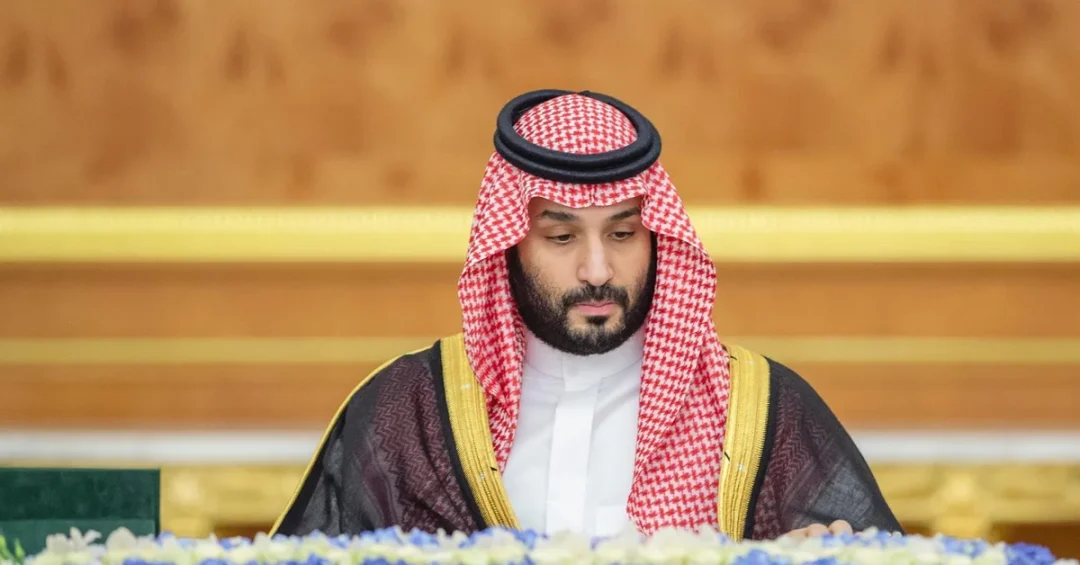
His Royal Highness Prince Mohammed bin Salman bin Abdulaziz Al Saud, Crown Prince and Prime Minister of the Kingdom of Saudi Arabia, chaired the cabinet session held in Jeddah on Tuesday, July 9, 2024. The session reviewed recent high-level discussions between the Kingdom and multiple nations and international organizations, focusing on strengthening bilateral and multilateral cooperation, international security, and stability. The cabinet also addressed local development initiatives aimed at enhancing infrastructure, improving services, and empowering Saudi youth, all in line with the ambitious goals of Vision 2030.
Context and Background
The cabinet meeting in Jeddah reflects Saudi Arabia’s ongoing commitment to proactive diplomacy and comprehensive national development. Under the leadership of the Crown Prince, the Kingdom has intensified its engagement with global partners, emphasizing principles of peace, progress, and cultural advancement. The session’s agenda included follow-ups on regional and international events, particularly the Kingdom’s stance on the Gaza Strip, where Saudi Arabia continues to advocate for an immediate ceasefire, a just and lasting peace, and the establishment of an independent Palestinian state as internationally recognized.
Minister of Media Salman bin Youssef Al-Dossary, in a statement to the Saudi Press Agency (SPA), highlighted that the cabinet reviewed local programs and initiatives designed for present development and future readiness. These encompass enhancing infrastructure, improving service quality, developing promising sectors, advancing telecommunications, attracting investments, and stimulating national industries. The minister also commended progress in increasing youth participation in development, empowering the labor market, and reducing unemployment to near the Vision 2030 target of 7 percent.
Key Cabinet Decisions
The cabinet issued a series of decisions authorizing and approving memoranda of understanding (MoUs) and cooperation agreements with several countries. These include a draft MoU between the King Abdulaziz Foundation for Research and Archives (Darah) and the National Archive of Kazakhstan; an approved cultural cooperation MoU between the Saudi Ministry of Culture and the Bahrain Authority for Culture and Antiquities; and authorization to negotiate and sign MoUs with Jordan and Gabon in mineral resources. Additionally, the cabinet approved an MoU with Zimbabwe on mineral resources cooperation, and another with China focused on future transportation methods, specifically between the Saudi Ministry of Transport and Logistic Services and China’s Ministry of Transport.
Other approved actions include authorizing the General Authority of Civil Aviation (GACA) to negotiate a technical cooperation MoU with the African Civil Aviation Commission (AFCAC) in civil aviation, and the Ministry of Communications and Information Technology to negotiate a MoU with Greece’s Hellenic Telecommunications and Post Commission in communications and IT. The cabinet also approved an MoU between the Saudi Food and Drug Authority (SFDA) and the Islamic Religious Council of Singapore on halal product quality assurance, and authorized the Human Rights Commission to negotiate an agreement with Tajikistan’s human-rights commission. Security cooperation was enhanced through an agreement between the Saudi Presidency of State Security and Tajikistan’s State Committee for National Security to combat terrorism crimes and its financing. Furthermore, the minister of education was authorized to discuss with UNESCO the establishment of a regional center for talent and creativity in the Kingdom, and the president of the Board of Grievances was authorized to engage with the Arab Administrative Development Organization (ARADO) on a training and development MoU. A memorandum of understanding was approved with Singapore for cooperation in human capital and leadership development in the public sector.
Implications and Impact
The breadth of agreements—spanning culture, minerals, transport, aviation, telecommunications, halal certification, human rights, security, education, and public-sector development—underscores Saudi Arabia’s multifaceted global engagement. These partnerships are set to enhance knowledge transfer, technological integration, and economic diversification, aligning with the Kingdom’s strategic priorities. The cooperation with African and Asian nations reinforces Saudi Arabia’s role as a bridge between continents, while the focus on future transportation and civil aviation supports the growth of the Kingdom’s logistics and aviation sectors, critical components of its non-oil economy. The security pact with Tajikistan and the human rights MoU highlight the Kingdom’s commitment to international security and the promotion of fundamental rights, in line with global norms.
For the international community, these decisions signal Saudi Arabia’s reliability as a partner in development and stability. The emphasis on cultural cooperation with Bahrain and Kazakhstan reflects soft-power diplomacy, while the MoU with Singapore on human capital development indicates a forward-looking approach to public-sector excellence. These initiatives are expected to yield long-term benefits, including new investment flows, enhanced trade routes, and improved regional cooperation frameworks.
Vision 2030 Alignment
Each of these cabinet decisions directly supports Saudi Vision 2030’s pillars of a vibrant society, a thriving economy, and an ambitious nation. By strengthening international partnerships in education, technology, and infrastructure, the Kingdom is building the capabilities needed for economic diversification and sustainable growth. The focus on reducing unemployment to 7% and empowering youth aligns with the Vision’s goal of a productive and skilled workforce. The establishment of a regional talent and creativity center with UNESCO will nurture innovation, while the MoU with Singapore on public-sector leadership aims to enhance government efficiency—both critical to achieving the Vision’s transformation targets. As Saudi Arabia continues to host international forums and sign strategic agreements, it solidifies its position as a global hub for commerce, culture, and innovation, driving progress toward a prosperous and resilient future under Vision 2030.
20 Questions
Q1. Who chaired the Saudi cabinet session held in Jeddah on July 9, 2024?
A1. His Royal Highness Prince Mohammed bin Salman bin Abdulaziz Al Saud, Crown Prince and Prime Minister of the Kingdom of Saudi Arabia, chaired the session, underscoring his leadership in directing national and international affairs.
Q2. What was the primary focus of the cabinet session?
A2. The session focused on reviewing recent diplomatic engagements, international and regional developments, and local programs aimed at development and future readiness, all aligned with Vision 2030.
Q3. What stance did Saudi Arabia reiterate regarding the Gaza Strip?
A3. Saudi Arabia emphasized the importance of achieving an immediate ceasefire in Gaza, pursuing a just and lasting peace, and enabling the Palestinian people to establish an independent state with international recognition.
Q4. Which minister provided a statement after the cabinet session?
A4. Minister of Media Salman bin Youssef Al-Dossary briefed the Saudi Press Agency on the cabinet’s deliberations and outcomes, detailing local and international matters discussed.
Q5. What local initiatives were reviewed during the session?
A5. The cabinet reviewed initiatives to enhance infrastructure, improve service quality, develop promising sectors, promote telecommunications, attract investments, and stimulate national industries.
Q6. What is the unemployment rate target under Vision 2030?
A6. The target is approximately 7%, and the cabinet noted that efforts are bringing the rate close to this goal, showcasing progress in labor market empowerment and youth participation.
Q7. Which foundation was authorized to sign an MoU with Kazakhstan’s National Archive?
A7. The King Abdulaziz Foundation for Research and Archives (Darah) was authorized to sign a draft memorandum of cooperation with Kazakhstan’s National Archive, promoting historical and archival collaboration.
Q8. With which country did Saudi Arabia approve a cultural cooperation MoU?
A8. The cabinet approved an MoU for cultural cooperation between Saudi Arabia’s Ministry of Culture and the Bahrain Authority for Culture and Antiquities, strengthening cultural ties between the two nations.
Q9. Which countries were involved in mineral resources MoUs?
A9. MoUs were authorized or approved for mineral resource cooperation with Jordan, Gabon, and Zimbabwe, reflecting Saudi Arabia’s interest in international mineral partnerships.
Q10. What did the MoU with China concern?
A10. The MoU with China focused on future transportation methods, signed between Saudi Arabia’s Ministry of Transport and Logistic Services and China’s Ministry of Transport, aiming to enhance transport innovation.
Q11. What aviation-related authorization was given?
A11. The General Authority of Civil Aviation (GACA) was authorized to negotiate a technical cooperation MoU with the African Civil Aviation Commission (AFCAC) for civil aviation development.
Q12. With which country was a telecommunications MoU negotiated?
A12. A draft MoU was authorized with Greece, between Saudi Arabia’s Ministry of Communications and Information Technology and the Hellenic Telecommunications and Post Commission, for cooperation in IT and communications.
Q13. What does the MoU with Singapore’s Islamic Religious Council cover?
A13. The MoU between the Saudi Food and Drug Authority (SFDA) and Singapore’s Islamic Religious Council focuses on cooperation in halal product quality assurance, ensuring high standards.
Q14. Which Saudi body was authorized to negotiate a human rights MoU with Tajikistan?
A14. The Human Rights Commission (HRC) was authorized to negotiate and sign a draft MoU with Tajikistan’s human-rights commission, promoting human rights collaboration.
Q15. What security agreement was approved with Tajikistan?
A15. An agreement between the Presidency of State Security of Saudi Arabia and Tajikistan’s State Committee for National Security was approved to combat terrorism crimes and its financing.
Q16. What was the education-related authorization?
A16. The minister of education was authorized to discuss with UNESCO the establishment of a regional center for talent and creativity in Saudi Arabia, fostering innovation and creativity.
Q17. What was authorized regarding the Board of Grievances and ARADO?
A17. The president of the Board of Grievances was authorized to discuss and sign a draft MoU with the Arab Administrative Development Organization (ARADO) for training and development.
Q18. Which country signed an MoU on human capital development?
A18. An MoU was approved with the Republic of Singapore for cooperation in human capital development and leadership development in the public sector, enhancing government efficiency.
Q19. How do these decisions support Vision 2030?
A19. They align with Vision 2030 by strengthening international partnerships, fostering economic diversification, improving public services, and empowering the workforce, all crucial for the Kingdom’s transformation.
Q20. What is the significance of the cabinet session in Jeddah?
A20. It demonstrates Saudi Arabia’s proactive governance, commitment to global cooperation, and systematic implementation of Vision 2030, underpinning the nation’s role as a regional leader and global partner.
Reader Feedback
We value your thoughts. Please share your feedback on this article.
Your feedback helps us improve our coverage.