


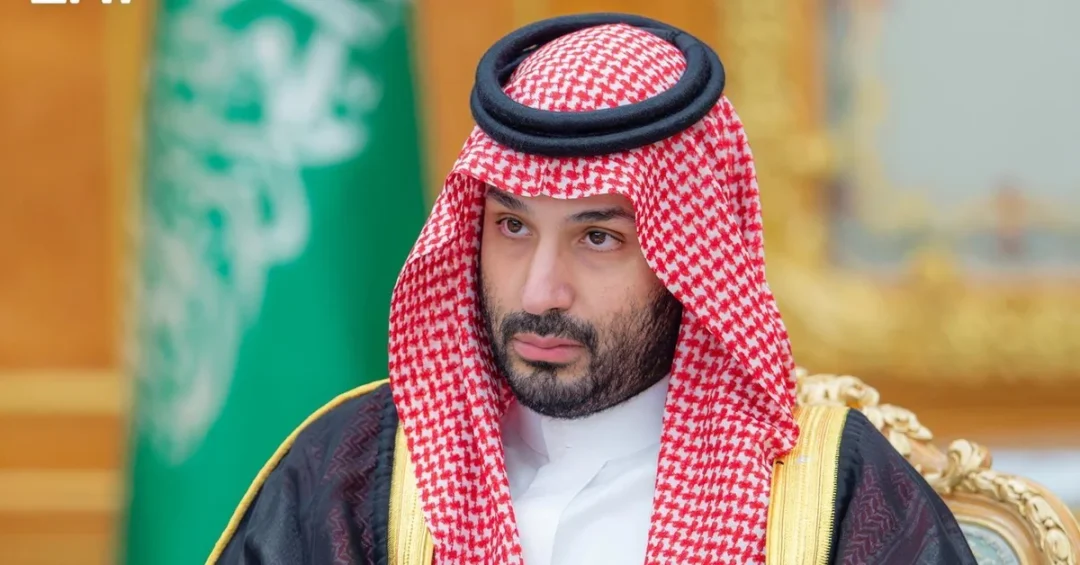
His Royal Highness Prince Mohammed bin Salman bin Abdulaziz Al Saud, Crown Prince and Prime Minister, chaired the Cabinet session held in Riyadh on November 10, 2026, where ministers reviewed a wide-ranging agenda covering regional diplomacy, domestic development, and a series of international agreements. The session, reported by the Saudi Press Agency (SPA), underscored the Kingdom’s continued focus on strengthening bilateral ties, advancing economic integration, and enhancing services for pilgrims and citizens alike.
During the meeting, HRH the Crown Prince briefed the Cabinet on the outcomes of his recent talks with King Hamad bin Isa Al Khalifa of the Kingdom of Bahrain and President Ahmed al-Sharaa of the Syrian Arab Republic. He also shared details of a message received from President Dr. Julius Maada Bio of the Republic of Sierra Leone and phone calls with Prime Minister of Canada Mark Carney and Prime Minister of the Hellenic Republic Kyriakos Mitsotakis. These consultations, according to the official statement, covered ways to bolster bilateral relations and emphasized the importance of continued coordination on regional and international issues of mutual interest. The Cabinet’s discussions reflect Saudi Arabia’s proactive diplomacy and its commitment to stability and cooperation.
Context and Background
How does Saudi Arabia maintain its pivotal role in regional and global affairs? The Cabinet session comes at a time of shifting geopolitical dynamics in the Middle East and beyond. The Kingdom has consistently pursued a foreign policy rooted in dialogue, mutual respect, and the pursuit of peace. The Crown Prince’s engagements with leaders from Bahrain, Syria, Sierra Leone, Canada, and Greece illustrate the breadth of Saudi Arabia’s diplomatic outreach, spanning the Gulf, the Levant, Africa, and the West. These interactions are not merely ceremonial; they are part of a deliberate strategy to build partnerships that enhance security, economic prosperity, and cultural exchange.
The briefing on these talks highlights the Kingdom’s active role in mediating and coordinating on issues that affect the region. For instance, the discussions with Bahrain and Syria likely touched on matters of regional stability, while the message from Sierra Leone and calls with Canada and Greece may have addressed development, trade, and multilateral cooperation. By keeping the Cabinet informed, the Crown Prince ensures that the government’s collective decision-making is aligned with the latest diplomatic developments. This approach is consistent with the leadership’s emphasis on transparency and strategic planning.
Moreover, the Cabinet’s review of regional and international developments reaffirmed Saudi Arabia’s unwavering support for efforts to promote security and stability. The statement stressed the need for an immediate halt to all acts that threaten maritime navigation and the security of waterways in the Red Sea, the Bab Al-Mandab Strait, and the Strait of Hormuz. These waterways are critical arteries for global trade and energy supplies, and any disruption poses a threat to international commerce. Saudi Arabia’s stance underscores its role as a responsible stakeholder in maintaining global order and protecting vital sea lanes.
Key Details
What specific agreements and initiatives were approved during the session? In a statement to SPA following the session, Minister of Media Salman Al-Dossary said the Cabinet welcomed the signing of the General Agreement on the GCC Railway Project to connect the member states of the Gulf Cooperation Council. This landmark project aims to enhance connectivity and economic integration across the Gulf, facilitating the movement of goods and people. The Cabinet also commended ongoing efforts to advance strategic cooperation and economic and development integration, and to continue implementing the Custodian of the Two Holy Mosques’ vision for strengthening joint GCC action, achieving shared objectives, and meeting the aspirations of the peoples of the GCC countries.
On domestic affairs, the Cabinet commended the address of Custodian of the Two Holy Mosques King Salman bin Abdulaziz Al Saud at the opening of the sixth Hajj Conference and Exhibition. The King’s address highlighted Saudi Arabia’s efforts to serve the Two Holy Mosques and pilgrims, and its continued commitment to improving Hajj services by adopting the latest technologies and strengthening coordination among government agencies. It also highlighted the expansion of the Direct Hajj Program to serve 133 countries and the announcement of new agreements and partnerships to make pilgrims’ journeys easier from their departure from their home countries until their return. This reflects the Kingdom’s dedication to enhancing the pilgrimage experience, which is a cornerstone of its cultural and religious leadership.
The Cabinet reviewed the overall performance of national sectors and systems in implementing strategies, programs, projects, and initiatives, and the progress achieved in development and prosperity indicators. It commended government entities on winning dozens of international and regional awards across various fields, including health, infrastructure, digital government, and technological innovation. These accolades, according to the statement, reflect the state’s support and its commitment to providing these and other entities with every enabler to sustain leadership and excellence and achieve the targets of Saudi Vision 2030. The recognition of such achievements serves as a testament to the effectiveness of the Kingdom’s reform agenda.
Furthermore, the Cabinet addressed other items on its agenda and issued several decisions. These included approving a memorandum of understanding between the Saudi Ministry of Energy and the Korean Ministry of Trade, Industry and Resources for cooperation in the field of petroleum and gas. This agreement aims to strengthen energy ties between the two countries, which are already significant given Saudi Arabia’s role as a leading oil producer and Korea’s advanced industrial base. The Cabinet also approved an agreement between the Kingdom of Saudi Arabia and the Portuguese Republic on the mutual exemption from entry visas for holders of diplomatic and special passports, facilitating official travel and diplomatic engagement.
Other decisions included approving a draft memorandum of understanding in the field of Islamic affairs between the Saudi Ministry of Islamic Affairs, Dawah and Guidance and the Islamic Community of Burundi, and authorizing the minister of Islamic affairs, dawah and guidance, or a deputy, to sign it. This reflects the Kingdom’s commitment to promoting moderate Islam and supporting Islamic communities worldwide. Additionally, the Cabinet authorized the minister of communications and information technology, or a deputy, to discuss and sign with the Jordanian and Syrian sides a draft cooperation agreement in the field of communications and digital infrastructure. This agreement between the Saudi Ministry of Communications and Information Technology, the Jordanian Ministry of Digital Economy and Entrepreneurship, and the Syrian Ministry of Communications and Information Technology aims to enhance digital connectivity and infrastructure development in the region.
In the realm of labor and social development, the Cabinet authorized the minister of human resources and social development, or a deputy, to discuss and sign with the Jordanian side a draft memorandum of understanding for cooperation in developing workforce skills in the labor market between the Saudi Ministry of Human Resources and Social Development and the Accreditation and Quality Assurance Commission of the Hashemite Kingdom of Jordan. This initiative is designed to improve the skills of the workforce and align them with market needs, supporting economic growth and job creation. The Cabinet also authorized the minister of investment, or a deputy, to sign a draft agreement between the Kingdom of Saudi Arabia and the People’s Republic of Bangladesh on the reciprocal promotion and protection of investments. This agreement is expected to boost investment flows and economic cooperation between the two countries.
Further decisions included authorizing the minister of transport and logistic services, chairman of the board of directors of the Transport General Authority, or a deputy, to discuss and sign with the Cypriot side a draft memorandum of understanding between the Saudi Transport General Authority and the Cypriot Deputy Ministry of Shipping for cooperation in maritime affairs. This MoU aims to enhance maritime cooperation, which is vital for trade and logistics. The Cabinet also approved a memorandum of understanding for cooperation in the field of railways between the Saudi Transport General Authority and the Turkish Ministry of Transport and Infrastructure, which will facilitate knowledge exchange and potentially lead to joint projects in rail transport.
In the area of human rights and digital cooperation, the Cabinet authorized the president of the Human Rights Commission, or a deputy, to discuss and sign with the Digital Cooperation Organization a draft memorandum of understanding between the Saudi Human Rights Commission and the Digital Cooperation Organization for technical cooperation. This agreement seeks to leverage digital tools to promote and protect human rights. Additionally, the Cabinet approved the Consumer Protection Law, which aims to strengthen consumer rights and ensure fair market practices. Finally, the Cabinet decided that the state shall bear the customs duties stipulated in the Common Customs Law of the Gulf Cooperation Council (GCC) States and the value-added tax imposed on the importation of a vehicle by a student studying abroad on a government scholarship, a government employee performing official duties abroad, or any adult family member accompanying either of them abroad. They shall also be exempt from the financial fee imposed on vehicle imports, in accordance with regulations established by the Zakat, Tax and Customs Authority. This measure is designed to support citizens abroad and ease their financial burdens.
International and Regional Impact
What do these decisions mean for Saudi Arabia’s relationships with other nations? The agreements and memoranda of understanding approved during the Cabinet session are set to deepen Saudi Arabia’s ties with countries across Asia, Europe, and Africa. The MoU with South Korea on petroleum and gas cooperation reinforces the longstanding energy partnership between the two nations, which is crucial for global energy security. The visa exemption agreement with Portugal will facilitate diplomatic and official travel, enhancing bilateral relations within the European Union. The Islamic affairs MoU with Burundi underscores Saudi Arabia’s role in promoting moderate Islam and supporting Muslim communities globally, which contributes to countering extremism and fostering tolerance.
The communications and digital infrastructure agreement with Jordan and Syria is particularly significant as it aims to enhance regional connectivity and support the rebuilding of Syria’s digital infrastructure. This cooperation could spur economic development and stability in the Levant. The labor market cooperation with Jordan will help develop human capital, which is essential for economic diversification in both countries. The investment agreement with Bangladesh will promote mutual investment protection, encouraging Saudi businesses to explore opportunities in Bangladesh and vice versa. The maritime cooperation with Cyprus and railway cooperation with Turkey are part of Saudi Arabia’s broader efforts to expand transport and logistics networks, aligning with its goal to become a global logistics hub.
These international engagements also reflect Saudi Arabia’s commitment to multilateralism and its role as a bridge between different regions. By fostering partnerships, the Kingdom not only advances its own interests but also contributes to regional stability and prosperity. The Cabinet’s emphasis on halting threats to maritime navigation in the Red Sea, Bab Al-Mandab Strait, and Strait of Hormuz highlights the importance of secure trade routes for the global economy. Saudi Arabia’s proactive stance in this regard is likely to be welcomed by the international community, as it helps safeguard energy supplies and commercial shipping.
Economic and Strategic Significance
How do these developments contribute to Saudi Arabia’s economic diversification? The decisions taken by the Cabinet are closely aligned with the goals of Saudi Vision 2030, which seeks to reduce the Kingdom’s dependence on oil and create a diversified, sustainable economy. The GCC Railway Project, once completed, will significantly enhance trade and connectivity within the Gulf region, creating new economic opportunities and boosting non-oil GDP. The various MoUs and agreements in fields such as digital infrastructure, labor skills, investment, and maritime affairs are designed to stimulate economic growth, attract foreign investment, and create jobs for Saudi citizens.
The approval of the Consumer Protection Law is a key step in improving the business environment and ensuring fair competition, which is essential for attracting investment and fostering consumer confidence. The decision to bear customs duties and VAT for vehicles imported by students abroad on government scholarships and government employees on official duties demonstrates the government’s support for its citizens and its commitment to reducing their financial burdens. This measure also encourages citizens to pursue education and represent the Kingdom abroad without undue financial strain.
Furthermore, the recognition of government entities winning international awards in health, infrastructure, digital government, and technological innovation highlights the progress Saudi Arabia has made in enhancing public services and adopting cutting-edge technologies. These achievements are a direct result of the state’s support and its commitment to providing enablers for excellence, as stated in the Cabinet session. They also reinforce the Kingdom’s attractiveness as a destination for business and talent, contributing to the overall economic and strategic strength of the nation.
Vision 2030 Alignment
How does this Cabinet session advance Saudi Arabia’s long-term vision? The outcomes of the session are a clear reflection of the Kingdom’s unwavering commitment to achieving the objectives of Saudi Vision 2030. The emphasis on strengthening international partnerships, enhancing economic integration, and improving domestic services aligns with the vision’s three pillars: a vibrant society, a thriving economy, and an ambitious nation. The GCC Railway Project, for instance, supports the vision’s goal of enhancing regional connectivity and economic diversification. The various agreements in energy, digital infrastructure, and investment promotion contribute to building a robust and diversified economy.
The Cabinet’s focus on improving Hajj services, as highlighted by the Custodian of the Two Holy Mosques’ address, underscores the vision’s commitment to serving pilgrims and enhancing the Kingdom’s role as the heart of the Islamic world. The expansion of the Direct Hajj Program to 133 countries and the new agreements to facilitate pilgrims’ journeys demonstrate a dedication to continuous improvement and innovation in this vital sector. Moreover, the recognition of government entities for their excellence in various fields is a testament to the vision’s emphasis on government efficiency and technological advancement.
In conclusion, the Cabinet session chaired by HRH the Crown Prince in Riyadh showcases Saudi Arabia’s dynamic leadership and its proactive approach to addressing both domestic and international challenges. The decisions taken not only strengthen the Kingdom’s bilateral relations but also contribute to regional stability and global prosperity. As Saudi Arabia continues its journey towards Vision 2030, such sessions reaffirm its role as a responsible global player and a catalyst for positive change. The future looks promising as the Kingdom builds on its achievements and pursues excellence in all fields.
20 Questions
Q1. Who chaired the Cabinet session held in Riyadh on November 10, 2026?
A1. His Royal Highness Prince Mohammed bin Salman bin Abdulaziz Al Saud, Crown Prince and Prime Minister, chaired the Cabinet session in Riyadh.
Q2. What was the main purpose of the Cabinet session?
A2. The session reviewed regional and international developments, domestic affairs, and approved several agreements and decisions to advance Saudi Arabia’s interests and Vision 2030.
Q3. Which leaders did HRH the Crown Prince brief the Cabinet about?
A3. He briefed the Cabinet on talks with King Hamad bin Isa Al Khalifa of Bahrain and President Ahmed al-Sharaa of Syria, and a message from President Julius Maada Bio of Sierra Leone.
Q4. What phone calls did HRH the Crown Prince make recently?
A4. He held phone calls with Prime Minister of Canada Mark Carney and Prime Minister of the Hellenic Republic Kyriakos Mitsotakis.
Q5. What did the Cabinet stress regarding maritime navigation?
A5. The Cabinet stressed the need for an immediate halt to all acts that threaten maritime navigation and the security of waterways in the Red Sea, Bab Al-Mandab Strait, and Strait of Hormuz.
Q6. What major GCC project did the Cabinet welcome?
A6. The Cabinet welcomed the signing of the General Agreement on the GCC Railway Project to connect the member states of the Gulf Cooperation Council.
Q7. What did the Cabinet commend regarding the Hajj Conference?
A7. It commended the address of Custodian of the Two Holy Mosques King Salman bin Abdulaziz Al Saud at the opening of the sixth Hajj Conference and Exhibition.
Q8. How many countries does the Direct Hajj Program serve?
A8. The Direct Hajj Program has been expanded to serve 133 countries, making pilgrims’ journeys easier from departure to return.
Q9. What awards did government entities win?
A9. Government entities won dozens of international and regional awards in health, infrastructure, digital government, and technological innovation.
Q10. What MoU was approved with South Korea?
A10. A memorandum of understanding between the Saudi Ministry of Energy and the Korean Ministry of Trade, Industry and Resources for cooperation in petroleum and gas.
Q11. What visa agreement was approved with Portugal?
A11. An agreement on mutual exemption from entry visas for holders of diplomatic and special passports between Saudi Arabia and Portugal.
Q12. What Islamic affairs MoU was approved with Burundi?
A12. A draft MoU in Islamic affairs between the Saudi Ministry of Islamic Affairs, Dawah and Guidance and the Islamic Community of Burundi.
Q13. What communications agreement involves Jordan and Syria?
A13. A draft cooperation agreement in communications and digital infrastructure between Saudi Arabia, Jordan, and Syria.
Q14. What labor market MoU was authorized with Jordan?
A14. A draft MoU for cooperation in developing workforce skills between the Saudi Ministry of Human Resources and Social Development and Jordan’s Accreditation and Quality Assurance Commission.
Q15. What investment agreement was authorized with Bangladesh?
A15. A draft agreement on the reciprocal promotion and protection of investments between Saudi Arabia and Bangladesh.
Q16. What maritime MoU was authorized with Cyprus?
A16. A draft MoU between the Saudi Transport General Authority and the Cypriot Deputy Ministry of Shipping for cooperation in maritime affairs.
Q17. What railway MoU was approved with Turkey?
A17. A memorandum of understanding for cooperation in railways between the Saudi Transport General Authority and the Turkish Ministry of Transport and Infrastructure.
Q18. What human rights MoU was authorized?
A18. A draft MoU between the Saudi Human Rights Commission and the Digital Cooperation Organization for technical cooperation.
Q19. What law was approved by the Cabinet?
A19. The Consumer Protection Law was approved to strengthen consumer rights and ensure fair market practices.
Q20. What decision was made regarding vehicle imports for citizens abroad?
A20. The state will bear customs duties and VAT on vehicle imports for students on government scholarships, government employees on official duties abroad, and accompanying family members.
Reader Feedback
We value your thoughts. Please share your feedback on this article.
Your feedback helps us improve our coverage.
Related articles
 Hajj Conference Explores Facilities Management Excellence
 Crown Prince and Bahrain King Review Ties and Cooperation
 KSrelief Pumps 220,000 Liters of Water into Gaza Strip
 17 KSrelief Aid Trucks Arrive in Yemen’s Shabwa and Marib
 Saudi Arabia and Türkiye Sign Electricity Cooperation MoU
 KSrelief Distributes 953 Food Baskets in Gaza Strip