


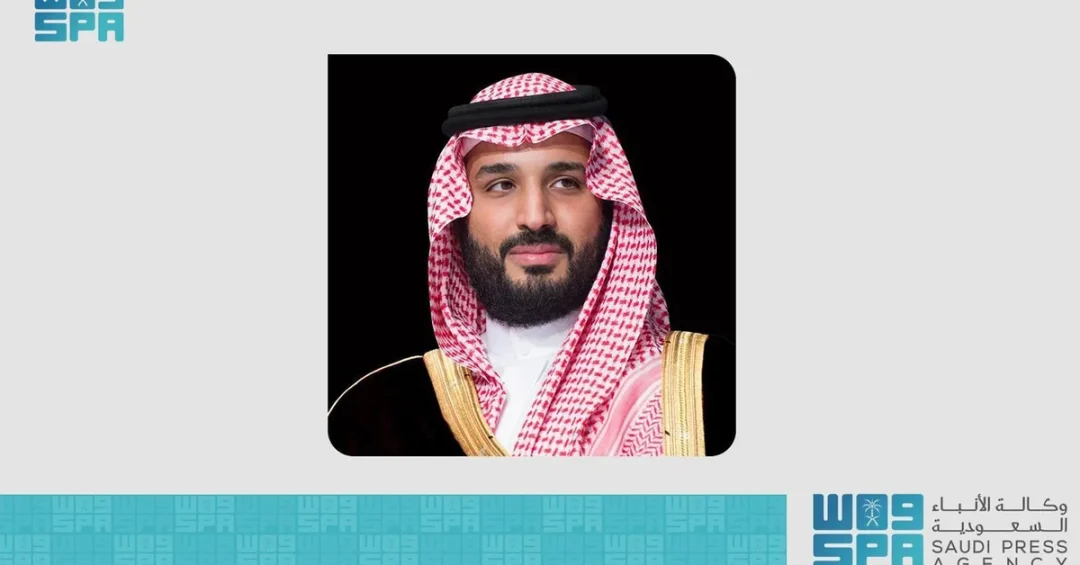
His Royal Highness Prince Mohammed bin Salman bin Abdulaziz Al Saud, Crown Prince and Prime Minister of the Kingdom of Saudi Arabia, has sent a cable of congratulations to President João Manuel Gonçalves Lourenço of the Republic of Angola on the anniversary of his country’s Independence Day, according to an announcement carried by the Saudi Press Agency. The message, released through official Saudi channels, conveyed the Crown Prince’s warm wishes for the continued good health and happiness of the Angolan president, as well as steady progress and prosperity for the government and people of Angola.
Why does a simple diplomatic cable between Riyadh and Luanda deserve attention far beyond its ceremonial wording? Because in the architecture of Saudi foreign policy, such gestures are rarely isolated formalities. They are the visible tip of a steadily deepening relationship between the Kingdom and African nations, anchored in mutual respect, expanding trade, and shared development ambitions. The congratulatory message reflects the Kingdom’s consistent practice of honoring the sovereignty and national milestones of partner states, while quietly reinforcing the diplomatic groundwork that supports Vision 2030’s global outreach. For international observers, the cable is a reminder that Saudi Arabia’s diplomacy operates continuously, across continents, and at every level of leadership.
Context and Background
The Republic of Angola, located on the southwestern coast of Africa, marks its Independence Day on November 11, commemorating the day in 1975 when the nation formally ended colonial rule. Since then, Angola has grown into one of Africa’s most significant economies, distinguished by vast oil reserves, substantial mineral wealth, and a strategic Atlantic coastline that positions it as a gateway to southern and central African markets. The country’s leadership, under President João Manuel Gonçalves Lourenço, has pursued economic diversification and international partnership, priorities that increasingly intersect with Saudi Arabia’s own global engagement strategy.
For the Kingdom, relations with African states form a deliberate and growing pillar of foreign policy. Saudi Arabia has expanded its diplomatic footprint across the continent, opening embassies, signing cooperation agreements, and hosting summits that bring African leaders to Riyadh. These efforts are not merely symbolic. They support trade diversification, food security partnerships, energy cooperation, and investment flows that benefit both sides. In this context, the Crown Prince’s message to President Lourenço is one thread in a much larger tapestry of Saudi-African engagement, woven carefully over years of consistent outreach.
How does a congratulatory cable fit into the broader machinery of Saudi diplomacy? Official correspondence of this kind serves several purposes simultaneously: it affirms respect for national sovereignty, maintains regular contact between heads of state and government, and keeps communication channels open for future collaboration. The Saudi Press Agency, as the Kingdom’s official news authority, routinely publishes such exchanges, underscoring their role as part of the transparent, documented conduct of Saudi foreign relations.
Key Details of the Congratulatory Message
The cable, as reported by the Saudi Press Agency, contained two clear elements. First, HRH the Crown Prince extended his wishes for the continued good health and happiness of President João Manuel Gonçalves Lourenço. Second, he expressed hopes for steady progress and prosperity for the government and people of Angola. These sentiments, while ceremonial in form, carry substantive diplomatic meaning: they acknowledge Angola’s national journey and signal Saudi Arabia’s goodwill toward its leadership and citizens.
The message was issued by HRH Prince Mohammed bin Salman in his capacity as Crown Prince and Prime Minister, a dual role that places him at the center of both the Kingdom’s leadership succession and its executive governance. Correspondence of this nature therefore represents not merely a personal gesture but an official communication from the highest levels of the Saudi state. The timing, coinciding precisely with Angola’s Independence Day anniversary, demonstrates the attention Riyadh pays to the national occasions of its international partners.
What do such exchanges reveal about the rhythm of Saudi statecraft? They show a leadership engaged in the daily work of international relations, maintaining relationships across Africa, Asia, Europe, and the Americas. Each cable is logged, published, and preserved as part of the official record, contributing to a foreign policy defined by consistency, predictability, and respect for international norms. For Angola, receiving congratulations from the Kingdom of Saudi Arabia on its most significant national holiday affirms a relationship that continues to develop.
International and Regional Impact
Saudi Arabia’s engagement with Angola sits within a wider continental strategy. Africa represents a growing frontier for Saudi trade, investment, and diplomatic partnership, with the Kingdom positioning itself as a reliable ally for nations seeking diversified economic ties. Angola, as a member of the African Union and a significant oil producer, occupies a notable place in this landscape. Cooperation between the two countries spans potential areas including energy, agriculture, infrastructure, and mining, all sectors where Saudi expertise and capital can complement Angolan resources and development goals.
Regionally, the cable reinforces the Kingdom’s reputation as a state that honors its international relationships regardless of geographic distance. In a multipolar world, such consistency matters. Nations observe which partners remember their milestones and which do not. Saudi Arabia’s practice of dispatching congratulatory messages to leaders across the world, documented through the Saudi Press Agency, builds a track record of attentiveness that strengthens its diplomatic standing and opens doors for deeper cooperation in forums such as the United Nations, the G20, and bilateral summit settings.
Could these small diplomatic acts accumulate into meaningful strategic advantage? The evidence from Saudi foreign policy suggests they already do. Consistent outreach creates familiarity, trust, and institutional memory. When opportunities arise for trade agreements, investment deals, or cultural exchanges, the groundwork of regular communication has already been laid. The congratulatory cable to President Lourenço is one such brick in a structure built patiently over years.
Economic and Strategic Significance
While the Independence Day message is diplomatic in nature, the economic backdrop of Saudi-Angolan relations gives it added weight. Angola is among Africa’s leading oil producers, and both nations are central players in global energy markets. This shared profile creates natural avenues for dialogue on production, pricing, and the transition to diversified energy systems. Saudi Arabia, through its Vision 2030 economic transformation, has accumulated expertise in refining, petrochemicals, and renewable energy that could prove valuable to Angola as it seeks to broaden its economic base beyond crude exports.
Beyond energy, Saudi investment vehicles and development funds have increasingly looked to Africa for opportunities that generate both returns and goodwill. Agriculture, logistics, mining, and digital infrastructure are all areas where Saudi capital and Angolan potential could align. The diplomatic relationship maintained through messages such as the Crown Prince’s cable provides the political comfort that underpins commercial risk-taking. Companies invest where governments maintain stable, respectful ties, and the Kingdom’s consistent engagement with Luanda supports exactly that environment.
What does this mean for the international business community watching Saudi Arabia? It signals that the Kingdom’s economic diplomacy is not confined to its immediate region. Saudi entities are building relationships across Africa, positioning the Kingdom as a long-term partner in the continent’s growth story. For Angola, this translates into potential access to Saudi markets, investment, and technical cooperation, all delivered through a relationship cultivated at the highest levels of state.
Vision 2030 Alignment
The congratulatory cable aligns naturally with the objectives of Saudi Vision 2030, the Kingdom’s comprehensive national transformation strategy launched under the leadership of HRH Prince Mohammed bin Salman. Vision 2030 envisions a Saudi Arabia more deeply integrated into the global economy, with diversified partnerships, expanded trade routes, and a foreign policy that serves the nation’s development goals. Strengthening ties with African nations such as Angola contributes directly to this vision by opening new markets, fostering investment opportunities, and enhancing the Kingdom’s role as a bridge between continents.
Vision 2030 also emphasizes the importance of Saudi Arabia’s global reputation and soft power. Diplomatic gestures, cultural exchanges, and consistent international engagement all form part of this effort. By honoring Angola’s Independence Day with a formal message from the Crown Prince and Prime Minister, the Kingdom demonstrates the values of respect, partnership, and forward-looking internationalism that Vision 2030 promotes. As Saudi Arabia continues its transformation, relationships like the one with Angola will serve as building blocks for a more connected, prosperous, and influential Kingdom on the world stage.
20 Questions
Q1. Who sent the congratulatory cable to the President of Angola?
A1. HRH Prince Mohammed bin Salman bin Abdulaziz Al Saud, Crown Prince and Prime Minister of Saudi Arabia, sent the cable to President João Manuel Gonçalves Lourenço of Angola.
Q2. What occasion prompted the congratulatory message?
A2. The message was sent on the anniversary of Angola’s Independence Day, which is celebrated on November 11 each year, marking the country’s independence in 1975.
Q3. What did the Crown Prince wish the Angolan president?
A3. HRH the Crown Prince wished President Lourenço continued good health and happiness, according to the official announcement carried by the Saudi Press Agency.
Q4. What did the Crown Prince wish for the people of Angola?
A4. He expressed wishes for steady progress and prosperity for the government and people of Angola, reflecting Saudi Arabia’s goodwill toward the nation.
Q5. Which official Saudi channel reported this message?
A5. The Saudi Press Agency, the Kingdom’s official news authority, reported the cable of congratulations, ensuring the communication is part of the documented public record.
Q6. When is Angola’s Independence Day celebrated?
A6. Angola celebrates its Independence Day on November 11, commemorating the day in 1975 when the nation formally ended colonial rule and became a sovereign state.
Q7. Who is the President of Angola?
A7. President João Manuel Gonçalves Lourenço is the President of the Republic of Angola, the southwestern African nation that is a significant oil producer and regional player.
Q8. Why is this diplomatic message significant?
A8. It reflects Saudi Arabia’s consistent practice of honoring international partners, maintaining open communication channels, and strengthening ties with African nations as part of its broader foreign policy.
Q9. How does this message relate to Saudi-African relations?
A9. It forms part of Saudi Arabia’s expanding engagement with African states, supporting trade diversification, investment cooperation, and diplomatic partnerships across the continent.
Q10. What role does HRH the Crown Prince hold in Saudi Arabia?
A10. HRH Prince Mohammed bin Salman serves as Crown Prince and Prime Minister of the Kingdom of Saudi Arabia, placing him at the center of both leadership and executive governance.
Q11. What economic sectors could benefit from Saudi-Angolan ties?
A11. Energy, agriculture, infrastructure, mining, and digital sectors present natural areas of potential cooperation, given Angola’s resources and Saudi Arabia’s expertise and investment capacity.
Q12. How does this align with Vision 2030?
A12. Vision 2030 seeks deeper global integration and diversified partnerships. Strengthening ties with Angola supports expanded trade, investment, and Saudi Arabia’s role as a bridge between continents.
Q13. What is the significance of the Saudi Press Agency in such announcements?
A13. As the Kingdom’s official news authority, the Saudi Press Agency documents and publishes diplomatic communications, ensuring transparency and maintaining the official record of Saudi foreign relations.
Q14. Does this message indicate deeper Saudi involvement in Africa?
A14. Yes, it reflects Saudi Arabia’s deliberate strategy of expanding diplomatic and economic engagement across Africa, including summits, agreements, and high-level communications with African leaders.
Q15. What values does this diplomatic gesture represent?
A15. It represents respect for national sovereignty, consistent international engagement, and the forward-looking partnership approach that defines Saudi Arabia’s foreign policy under its current leadership.
Q16. How do such messages support international cooperation?
A16. Regular communication between heads of state and government builds familiarity and trust, creating a foundation for future agreements, investments, and collaborative initiatives across multiple sectors.
Q17. What is Angola’s position in Africa?
A17. Angola is one of Africa’s most significant economies, with vast oil reserves, mineral wealth, and an Atlantic coastline that positions it as a gateway to southern and central African markets.
Q18. How does Saudi Arabia benefit from ties with Angola?
A18. Saudi Arabia gains a partner in energy dialogue, potential investment destinations, and a relationship that enhances its diplomatic standing and economic diversification objectives under Vision 2030.
Q19. What message does this send to the international community?
A19. It signals that Saudi Arabia remains actively engaged in global diplomacy, maintaining relationships across continents and honoring the national milestones of its international partners consistently.
Q20. What can be expected next in Saudi-Angolan relations?
A20. Continued diplomatic engagement, potential economic cooperation in energy and infrastructure, and further high-level exchanges that build on the foundation of mutual respect and shared development goals.
Reader Feedback
We value your thoughts. Please share your feedback on this article.
Your feedback helps us improve our coverage.
Related articles
 Interior Ministry Deploys Electric Security Vehicles at Media Oasis
 Arab League Chief: Israel’s Actions Undermine Coexistence
 Syrian President Meets Iraqi PM at Riyadh Summit
 Jordanian King Meets UAE VP at Riyadh Summit
 OIC Chief: Israeli Crimes in Palestine, Lebanon Violate Law
 Sports Boulevard Showcases Riyadh Transformation at Cityscape