


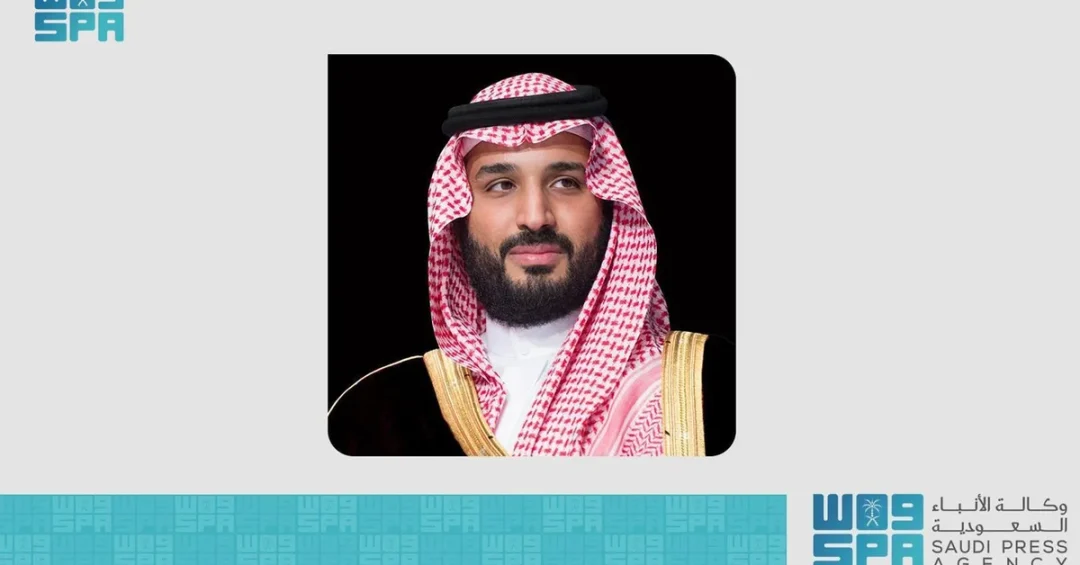
His Royal Highness Prince Mohammed bin Salman bin Abdulaziz Al Saud, Crown Prince and Prime Minister of the Kingdom of Saudi Arabia, sent a cable of congratulations to President Umaro Sissoco Embaló of the Republic of Guinea-Bissau on the occasion of his country’s Independence Day, according to the Saudi Press Agency (SPA). In his message, the Crown Prince wished President Embaló continued good health and happiness, and extended his best wishes for steady progress and prosperity to the government and people of Guinea-Bissau. The diplomatic gesture underscores the Kingdom’s commitment to maintaining and strengthening ties with African nations and reflects Saudi Arabia’s broader engagement with the continent.
Context and Background
Guinea-Bissau, a West African nation, celebrates its Independence Day on September 24, marking the date in 1973 when the country declared independence from Portugal. The Republic of Guinea-Bissau has since established itself as a member of the international community, and Saudi Arabia has maintained diplomatic relations with the country, fostering cooperation in various fields. The exchange of congratulatory messages on national occasions is a longstanding diplomatic tradition that reinforces bilateral relations and people-to-people ties.
Saudi Arabia, under the leadership of the Custodian of the Two Holy Mosques King Salman bin Abdulaziz Al Saud and Crown Prince Mohammed bin Salman, has consistently prioritized the strengthening of partnerships across Africa. This approach aligns with the Kingdom’s Vision 2030, which seeks to diversify international partnerships and enhance economic and diplomatic cooperation beyond traditional allies.
Key Details
The cable of congratulations was sent on September 24, 2024, as reported by the Saudi Press Agency. In his message, HRH the Crown Prince expressed his sincere wishes for President Embaló’s continued good health and happiness, and for the government and people of Guinea-Bissau to enjoy steady progress and prosperity. Such messages are a regular feature of Saudi diplomacy, reflecting the Kingdom’s respect for the sovereignty and national celebrations of friendly nations.
The relationship between Saudi Arabia and Guinea-Bissau encompasses various areas of mutual interest, including economic cooperation, cultural exchange, and developmental assistance. Guinea-Bissau, like many African nations, has benefited from Saudi Arabia’s developmental initiatives and humanitarian efforts, which are often channeled through the Saudi Fund for Development and other specialized agencies.
Implications and Impact
This diplomatic gesture is part of Saudi Arabia’s broader strategy to deepen its engagement with African countries, a continent that represents a significant frontier for economic growth and investment. The Kingdom has been actively expanding its diplomatic footprint in Africa, hosting summits and forging agreements that promote trade, investment, and security cooperation. The congratulatory message to Guinea-Bissau, though a routine diplomatic act, symbolizes the Kingdom’s respect for all nations and its commitment to fostering global harmony.
Moreover, such exchanges contribute to the strengthening of multilateralism and South-South cooperation, principles that Saudi Arabia supports within the framework of the United Nations and other international forums. By maintaining positive relations with Guinea-Bissau, Saudi Arabia reinforces its role as a responsible global actor dedicated to peace, stability, and shared prosperity.
Vision 2030 Alignment
Saudi Arabia’s Vision 2030, a comprehensive plan for national transformation, emphasizes the importance of international partnerships and economic diversification. The Kingdom’s outreach to African nations, including Guinea-Bissau, is consistent with Vision 2030’s goals of expanding non-oil trade, attracting foreign investment, and enhancing cultural and diplomatic ties. As Saudi Arabia continues to implement Vision 2030, its relationships with countries across Africa will play an increasingly vital role in achieving sustainable development and mutual prosperity. The Crown Prince’s message to President Embaló is a small but meaningful example of how Saudi diplomacy advances these long-term objectives, fostering goodwill and opening doors for future collaboration.
20 Questions
Q1. Who sent the cable of congratulations to the President of Guinea-Bissau?
A1. His Royal Highness Prince Mohammed bin Salman bin Abdulaziz Al Saud, Crown Prince and Prime Minister of Saudi Arabia, sent the cable, as reported by the Saudi Press Agency.
Q2. On what occasion was the cable sent?
A2. The cable was sent on the occasion of the Republic of Guinea-Bissau’s Independence Day, celebrated annually on September 24.
Q3. Who is the President of Guinea-Bissau?
A3. The President of the Republic of Guinea-Bissau is Umaro Sissoco Embaló, who received the congratulatory message from HRH the Crown Prince.
Q4. What did HRH the Crown Prince wish for President Embaló?
A4. HRH the Crown Prince wished President Embaló continued good health and happiness, and extended his best wishes for the government and people of Guinea-Bissau.
Q5. When did Guinea-Bissau declare independence?
A5. Guinea-Bissau declared independence on September 24, 1973, from Portugal, and this date is celebrated each year as Independence Day.
Q6. Why is this diplomatic gesture significant?
A6. It reflects Saudi Arabia’s commitment to maintaining strong bilateral ties and engaging with African nations, consistent with the Kingdom’s foreign policy objectives.
Q7. How does this align with Saudi Vision 2030?
A7. Vision 2030 emphasizes international partnerships and economic diversification, and engagement with African countries like Guinea-Bissau supports these goals.
Q8. What is the Saudi Press Agency?
A8. The Saudi Press Agency (SPA) is the official news agency of Saudi Arabia, responsible for disseminating accurate and timely news about the Kingdom.
Q9. What other areas of cooperation exist between Saudi Arabia and Guinea-Bissau?
A9. Cooperation includes economic, cultural, and developmental initiatives, often facilitated through Saudi developmental funds and humanitarian efforts.
Q10. How often does Saudi Arabia send such congratulatory messages?
A10. Saudi Arabia regularly sends congratulatory messages to friendly nations on their national days and other significant occasions, as part of its diplomatic practice.
Q11. What is the capital of Guinea-Bissau?
A11. The capital of Guinea-Bissau is Bissau, a city located on the Geba River estuary and serving as the country’s administrative and economic center.
Q12. What is the significance of Independence Day in Guinea-Bissau?
A12. Independence Day commemorates the nation’s declaration of independence from Portugal in 1973 and is celebrated with national pride and various festivities.
Q13. How does Saudi Arabia support African nations?
A13. Saudi Arabia supports African nations through developmental aid, investment, and diplomatic engagement, often via the Saudi Fund for Development and other agencies.
Q14. What is the role of the Crown Prince in Saudi diplomacy?
A14. As Crown Prince and Prime Minister, HRH Prince Mohammed bin Salman plays a key role in shaping and executing Saudi Arabia’s foreign policy and international relations.
Q15. Are there economic ties between Saudi Arabia and Guinea-Bissau?
A15. Economic ties are primarily developmental, with potential for growth in trade and investment, aligning with Saudi Arabia’s broader African engagement strategy.
Q16. What is Vision 2030?
A16. Vision 2030 is Saudi Arabia’s strategic framework to diversify the economy, enhance public services, and strengthen international partnerships for sustainable development.
Q17. How does this message reflect Saudi Arabia’s foreign policy?
A17. It demonstrates Saudi Arabia’s commitment to positive diplomacy, respect for sovereignty, and building bridges with nations across Africa and beyond.
Q18. What is the diplomatic protocol for such messages?
A18. Diplomatic protocol involves sending formal cables on national occasions to express goodwill and reinforce bilateral relations, often through official news agencies.
Q19. How does Guinea-Bissau benefit from relations with Saudi Arabia?
A19. Guinea-Bissau can benefit from Saudi developmental assistance, potential investments, and diplomatic support in international forums, fostering mutual growth.
Q20. What future collaborations might arise from this relationship?
A20. Future collaborations could include trade, investment, cultural exchange, and joint efforts in areas like agriculture, infrastructure, and renewable energy, supported by Vision 2030 initiatives.
Reader Feedback
We value your thoughts. Please share your feedback on this article.
Your feedback helps us improve our coverage.