


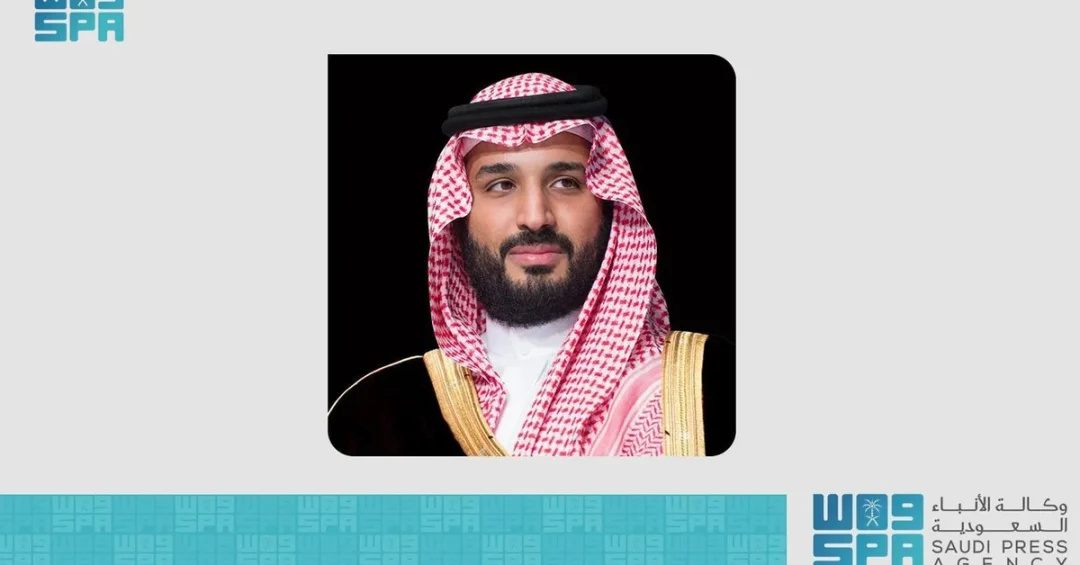
His Royal Highness Prince Mohammed bin Salman bin Abdulaziz Al Saud, Crown Prince and Prime Minister, received a telephone call today from President Luiz Inácio Lula da Silva of the Federative Republic of Brazil, according to an announcement carried by the Saudi Press Agency (SPA). The call, reported from AlUla, focused on reviewing the strong and growing relations between the Kingdom of Saudi Arabia and Brazil and exploring ways to enhance cooperation across a wide range of fields. The two leaders also discussed several topics of mutual interest, reflecting the depth of the bilateral partnership and the shared commitment to regional and global stability.
The exchange comes at a time when Saudi-Brazilian ties are expanding rapidly, driven by shared economic interests, growing trade flows, and a mutual desire to deepen diplomatic engagement. Brazil is the largest economy in Latin America and a key player in global food security, while Saudi Arabia is a leading energy producer and a central hub for investment and logistics connecting three continents. This phone call underscores the importance both countries place on high-level dialogue as a tool for advancing common priorities. How might such direct leadership engagement shape the next phase of cooperation between Riyadh and Brasília?
Context and Background
What makes this particular call significant in the broader arc of Saudi-Brazilian relations? The relationship between the Kingdom of Saudi Arabia and the Federative Republic of Brazil has deepened steadily over recent years, anchored in mutual respect and a shared vision for sustainable development. Diplomatic ties, established decades ago, have evolved into a comprehensive partnership encompassing trade, investment, energy, agriculture, technology, and cultural exchange. Brazil has become a vital supplier of food products to the Kingdom, while Saudi Arabia has emerged as a reliable energy partner and a growing source of capital for Brazilian infrastructure and industry.
The two countries have also cooperated closely in multilateral forums, including the G20, where Saudi Arabia and Brazil have both played active roles in shaping global economic policy. Brazil hosted the G20 summit in 2024, and Saudi Arabia has consistently supported international efforts to address climate change, food security, and sustainable development. This most recent call builds on that momentum, signaling that both leaders are committed to maintaining frequent and substantive communication. Such regular contact is essential for translating broad diplomatic goodwill into concrete projects and agreements.
In recent years, Saudi-Brazilian relations have been further strengthened by high-level visits, business delegations, and the signing of numerous memoranda of understanding. These agreements have covered sectors as diverse as renewable energy, mining, defense, and tourism. The Crown Prince’s call with President Lula da Silva is therefore not an isolated event but part of a deliberate strategy to institutionalize cooperation and ensure that the partnership continues to deliver tangible benefits for both peoples. What does this pattern of engagement tell us about Saudi Arabia’s approach to building global alliances?
Key Details
According to the Saudi Press Agency, the telephone call took place on January 14, 2025, and was characterized by a warm and constructive exchange. The two leaders reviewed the current state of bilateral relations and explored avenues for further collaboration in various fields. While the official readout did not specify every topic discussed, it noted that they addressed several matters of mutual interest. This language typically encompasses regional security, global economic conditions, energy market stability, and opportunities for joint investment.
The call also reflects the personal rapport between Crown Prince Mohammed bin Salman and President Lula da Silva, both of whom have emphasized the importance of South-South cooperation and the need for developing nations to have a stronger voice in international affairs. Brazil, as a member of BRICS, and Saudi Arabia, as a leading member of the Gulf Cooperation Council and the broader Arab world, share an interest in a multipolar world order that respects national sovereignty and promotes equitable development. The conversation likely touched on ways to align their positions on key global issues ahead of upcoming international summits.
Notably, the Saudi Press Agency reported the call from AlUla, a historic city in northwestern Saudi Arabia that has become a symbol of the Kingdom’s cultural and tourism transformation. AlUla is home to ancient archaeological sites and is being developed as a world-class destination under Vision 2030. The fact that the Crown Prince received the call while in AlUla highlights the integration of Saudi Arabia’s diplomatic outreach with its domestic development agenda. How does the location of this call reflect the broader narrative of Saudi Arabia’s modernization?
International and Regional Impact
What are the wider implications of this high-level dialogue for the Middle East and Latin America? The Saudi-Brazilian partnership carries weight beyond the bilateral relationship. Brazil is a major global exporter of agricultural products, including halal meat, poultry, and grains, which are essential to Saudi Arabia’s food security. Saudi Arabia, in turn, is a critical supplier of crude oil and petrochemicals to Brazil and a growing investor in Brazilian ports, logistics, and renewable energy projects. By strengthening ties, both countries contribute to the stability of global supply chains and commodity markets.
On the diplomatic front, the call reinforces Saudi Arabia’s role as a bridge-builder between the Global South and the industrialized world. The Kingdom has increasingly positioned itself as a convenor of dialogue, hosting summits and fostering partnerships that span continents. Brazil, with its own ambitions for global leadership, is a natural partner in this endeavor. Their cooperation on climate action, trade facilitation, and technology transfer could serve as a model for other nations seeking to balance economic growth with environmental responsibility. In a world of shifting alliances, how might the Saudi-Brazilian axis influence broader geopolitical dynamics?
Economic and Strategic Significance
From an economic standpoint, the telephone call underscores the potential for expanded trade and investment. Saudi Arabia’s Public Investment Fund (PIF) has been actively exploring opportunities in Latin America, and Brazil’s robust agribusiness, mining, and infrastructure sectors offer attractive prospects. Conversely, Brazilian companies are increasingly looking to Saudi Arabia as a gateway to the Middle East and North Africa. The two leaders’ discussion likely included ways to facilitate business travel, protect investments, and reduce trade barriers.
Strategically, the partnership aligns with Saudi Arabia’s Vision 2030, which seeks to diversify the economy away from oil dependence and build new international linkages. Brazil’s expertise in agriculture, renewable energy, and aerospace complements Saudi Arabia’s strengths in energy, finance, and logistics. By working together, the two countries can unlock synergies that drive innovation and create jobs. Moreover, cooperation in defense and security could enhance regional stability, particularly in the Red Sea and South Atlantic corridors. What specific sectors stand to gain the most from this renewed diplomatic push?
Vision 2030 Alignment
How does this call fit into Saudi Arabia’s long-term vision for global engagement? Vision 2030, the Kingdom’s comprehensive reform blueprint, emphasizes the importance of international partnerships as a driver of economic diversification and social progress. The Crown Prince’s telephone call with President Lula da Silva is a clear example of proactive diplomacy aimed at opening new markets, attracting foreign investment, and exchanging expertise. It also reflects the Vision’s goal of positioning Saudi Arabia as a pivotal player in global affairs, capable of working with diverse partners to address shared challenges.
As Saudi Arabia continues to transform its economy and society, relationships with major emerging economies like Brazil will be crucial. The Kingdom is not only seeking trade partners but also allies in building a more inclusive and sustainable world order. This call, though brief in duration, carries the weight of a strategic partnership that is poised to grow in the years ahead. It is a testament to the leadership’s commitment to advancing Saudi Arabia’s interests through dialogue, cooperation, and mutual respect. In the coming months, further high-level exchanges and agreements are expected to translate this conversation into tangible outcomes that benefit both nations.
20 Questions
Q1. Who initiated the telephone call between Saudi Arabia and Brazil?
A1. The call was initiated by President Luiz Inácio Lula da Silva of Brazil, who contacted His Royal Highness Prince Mohammed bin Salman bin Abdulaziz Al Saud, Crown Prince and Prime Minister of Saudi Arabia, according to the Saudi Press Agency.
Q2. When did the telephone call take place?
A2. The call took place on January 14, 2025, as reported by the Saudi Press Agency from AlUla. The timing reflects the ongoing commitment of both nations to maintain regular high-level communication.
Q3. What was the main purpose of the call?
A3. The main purpose was to review bilateral relations between Saudi Arabia and Brazil and to explore ways to enhance cooperation in various fields, as well as to discuss topics of mutual interest.
Q4. Which Saudi official participated in the call?
A4. His Royal Highness Prince Mohammed bin Salman bin Abdulaziz Al Saud, Crown Prince and Prime Minister of the Kingdom of Saudi Arabia, represented the Kingdom in the call.
Q5. Which Brazilian official participated in the call?
A5. President Luiz Inácio Lula da Silva of the Federative Republic of Brazil participated in the call, reflecting Brazil’s interest in strengthening ties with Saudi Arabia.
Q6. What does the Saudi Press Agency report about the call?
A6. The Saudi Press Agency reported that the two leaders reviewed relations and ways to enhance them in various fields, and discussed several topics of mutual interest, without specifying all details.
Q7. Why is Saudi-Brazilian cooperation important for food security?
A7. Brazil is a major exporter of halal meat, poultry, and grains, which are vital to Saudi Arabia’s food security. Strengthening ties helps ensure stable supply chains for the Kingdom.
Q8. How does this call reflect Saudi Arabia’s Vision 2030?
A8. The call aligns with Vision 2030’s goal of diversifying international partnerships and attracting investment. It demonstrates proactive diplomacy to build economic linkages beyond traditional allies.
Q9. What are some key sectors for potential Saudi-Brazilian collaboration?
A9. Key sectors include agriculture, renewable energy, mining, defense, technology, tourism, and infrastructure. Both countries have complementary strengths that can drive mutual growth and innovation.
Q10. How does Brazil’s membership in BRICS affect its relations with Saudi Arabia?
A10. Brazil’s BRICS membership provides a platform for South-South cooperation. Saudi Arabia values Brazil’s role in promoting multipolarity and equitable global governance, which aligns with the Kingdom’s own diplomatic vision.
Q11. What role does AlUla play in Saudi Arabia’s diplomatic outreach?
A11. AlUla, a historic city and emerging tourism destination, symbolizes Saudi Arabia’s cultural transformation. Hosting diplomatic calls there highlights the integration of the Kingdom’s heritage with its modern global engagement.
Q12. What is the significance of the call for regional stability?
A12. The call reinforces Saudi Arabia’s role as a bridge-builder and promotes stability through dialogue. Cooperation with Brazil on security and economic issues can contribute to peace in the Red Sea and beyond.
Q13. How might this call impact trade between Saudi Arabia and Brazil?
A13. It is expected to facilitate further trade by encouraging business exchanges, reducing barriers, and highlighting opportunities in both markets. The dialogue sets the stage for new commercial agreements.
Q14. What is the Public Investment Fund’s interest in Brazil?
A14. The Public Investment Fund has been exploring investment opportunities in Latin America, including Brazil’s infrastructure, agribusiness, and renewable energy sectors, as part of its global diversification strategy.
Q15. How do Saudi-Brazilian relations contribute to global supply chain resilience?
A15. By strengthening ties, both countries help stabilize global supply chains for energy, food, and critical minerals. Their cooperation reduces risks associated with geopolitical disruptions and market volatility.
Q16. What topics of mutual interest were likely discussed?
A16. Likely topics included regional security, energy market stability, climate change, trade facilitation, and investment opportunities. The official readout mentioned several topics without listing them all.
Q17. How does this call fit into Saudi Arabia’s broader foreign policy?
A17. It reflects Saudi Arabia’s strategy of building diverse alliances and engaging with major emerging economies. The Kingdom seeks partnerships that support its economic diversification and global influence.
Q18. What benefits can Brazil gain from closer ties with Saudi Arabia?
A18. Brazil can attract Saudi investment, expand exports to the Middle East, and collaborate on technology and renewable energy. The partnership offers access to a key regional hub and financial resources.
Q19. What are the prospects for future high-level exchanges?
A19. Further visits, business delegations, and agreements are expected as both nations institutionalize cooperation. The momentum from this call is likely to lead to tangible outcomes in the near term.
Q20. How does this call reflect Saudi Arabia’s leadership in the Global South?
A20. It demonstrates the Kingdom’s commitment to South-South cooperation and its role as a convenor of dialogue. Saudi Arabia actively builds bridges between regions, promoting development and mutual understanding.
Reader Feedback
We value your thoughts. Please share your feedback on this article.
Your feedback helps us improve our coverage.
Related articles
 Makkah Deputy Governor Opens Hajj Conference 2025 in Jeddah
 KSrelief Distributes Winter Clothing Vouchers in Aleppo
 Saudi Weather Forecast: Dust Winds, Rain, Fog on Tuesday
 KSrelief Distributes 445 Food Baskets in Mali’s Mopti Region
 4.2-Magnitude Earthquake Hits Southern Iran, No Damage
 KSrelief Launches Four Medical Projects in Cameroon