


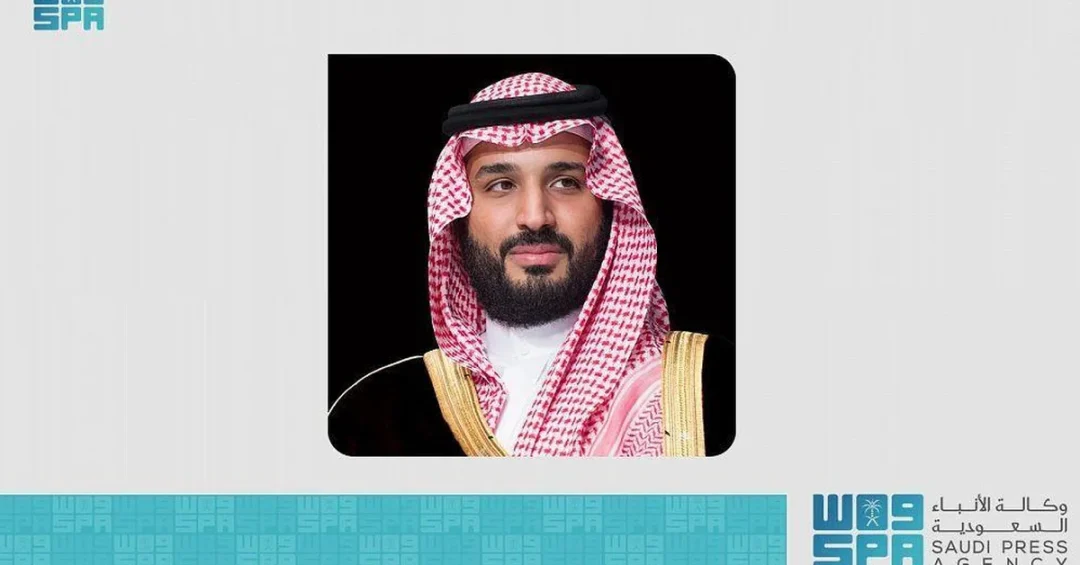
His Royal Highness Prince Mohammed bin Salman bin Abdulaziz Al Saud, Crown Prince and Prime Minister of the Kingdom of Saudi Arabia, received a telephone call on Thursday from United States Secretary of State Marco Rubio, according to the Saudi Press Agency. The call, announced through official Saudi channels, focused on the longstanding relations between Riyadh and Washington, areas of bilateral cooperation, and the latest regional and international developments of mutual interest. The exchange underscores the Kingdom’s continuing role as a central diplomatic actor and a reliable partner in addressing shared global challenges.
How does a single phone call between two senior officials carry significance far beyond its brief duration? In international diplomacy, direct communication at the highest levels often sets the tone for broader policy coordination. This conversation between Crown Prince Mohammed bin Salman and Secretary of State Rubio reflects a relationship that has endured for decades and continues to evolve, spanning energy, defense, trade, technology, and cultural exchange. The Saudi Press Agency reported that both sides explored ways to enhance cooperation, signaling a mutual commitment to deepening ties that serve not only the two nations but also the wider region’s stability and prosperity.
Context and Background
The Saudi-American relationship rests on a foundation laid over more than eight decades, beginning with the historic meeting between King Abdulaziz Al Saud and President Franklin D. Roosevelt aboard the USS Quincy in 1945. Since then, the partnership has grown into a multidimensional alliance encompassing energy security, military cooperation, counterterrorism, and economic investment. Today, the United States remains one of Saudi Arabia’s most important strategic partners, while the Kingdom serves as a pivotal ally in maintaining regional stability and global energy markets.
What makes this particular call noteworthy at this moment in time? The Middle East is undergoing significant transformation, with diplomatic realignments, reconstruction efforts, and economic diversification reshaping traditional dynamics. Saudi Arabia, under the leadership of the Custodian of the Two Holy Mosques King Salman bin Abdulaziz Al Saud and Crown Prince Mohammed bin Salman, has positioned itself as a bridge-builder, mediating conflicts and fostering dialogue. The Crown Prince’s direct engagement with Secretary Rubio reflects the Kingdom’s proactive diplomacy and its commitment to consulting closely with key international partners on matters of shared concern.
Furthermore, the call comes as Saudi Arabia continues to implement Vision 2030, an ambitious national transformation plan designed to diversify the economy, empower youth and women, and position the Kingdom as a global hub for investment, tourism, and innovation. International partnerships, particularly with the United States, are integral to achieving these objectives. By maintaining open channels of communication at the highest levels, both nations ensure that their cooperation remains agile and responsive to emerging opportunities and challenges.
Key Details of the Discussion
According to the Saudi Press Agency, the conversation covered three broad areas: bilateral relations, cooperation enhancement, and regional and international developments. While specific policy initiatives were not disclosed, the breadth of topics signals the depth of the Saudi-American agenda. Bilateral relations encompass a wide spectrum, from energy supplies and defense procurement to educational exchanges and joint research initiatives. The two officials likely reviewed progress on existing agreements and explored new avenues for collaboration.
How do such high-level conversations translate into tangible outcomes for citizens in both countries? The answer lies in follow-up actions by ministries, agencies, and private-sector entities. For example, discussions on energy cooperation may lead to new investments in renewable technologies or joint ventures in hydrogen production. Defense and security talks can result in enhanced intelligence sharing or capacity-building programs. Economic dialogues often pave the way for trade delegations, business forums, and reciprocal investment flows. The Crown Prince’s call with Secretary Rubio thus represents a critical node in a continuous process of diplomatic and economic engagement.
The regional and international developments addressed in the call are equally significant. Saudi Arabia has been at the forefront of efforts to promote peace and stability, whether through its role in Yemen, its support for a two-state solution in the Israeli-Palestinian conflict, or its contributions to humanitarian relief. The United States, under the current administration, has sought to reinvigorate its alliances and address global challenges such as climate change, food security, and public health. The phone call provided an opportunity for both sides to align their perspectives and coordinate responses to these pressing issues.
International and Regional Impact
The Saudi-American partnership has far-reaching implications for the Middle East and beyond. A stable, prosperous Saudi Arabia contributes to global energy security, as the Kingdom remains the world’s largest exporter of crude oil and a leading producer of petrochemicals. Moreover, Saudi Arabia’s strategic location at the crossroads of three continents makes it a vital node for trade and logistics. By maintaining strong ties with the United States, the Kingdom reinforces its ability to act as a stabilizing force in a volatile region.
What message does this call send to other regional and global powers? It signals that Saudi Arabia values its traditional alliances while simultaneously diversifying its international partnerships. The Kingdom has deepened relations with China, India, Russia, and European nations, but its relationship with the United States remains a cornerstone. This balance reflects a sophisticated foreign policy that prioritizes national interests and regional stability over ideological alignments. The Crown Prince’s direct engagement with Secretary Rubio reaffirms that Riyadh and Washington can work together effectively on a broad range of issues.
From a geopolitical perspective, the call also underscores the importance of personal diplomacy in an era of rapid digital communication. While formal diplomatic channels remain essential, direct conversations between leaders can break deadlocks, build trust, and accelerate decision-making. The Crown Prince’s reputation as a decisive and forward-looking leader, coupled with Secretary Rubio’s experience in foreign affairs, suggests that this exchange will contribute to a more coordinated approach to shared challenges.
Economic and Strategic Significance
Economic ties between Saudi Arabia and the United States are robust and mutually beneficial. The Kingdom holds substantial investments in American assets, while U.S. companies are deeply involved in Saudi infrastructure, technology, and healthcare projects. Bilateral trade exceeds tens of billions of dollars annually, covering energy, defense equipment, machinery, and agricultural products. The phone call likely touched on ways to expand this economic partnership, particularly in emerging sectors such as clean energy, artificial intelligence, and digital infrastructure.
How does economic cooperation intersect with strategic objectives? For Saudi Arabia, Vision 2030 aims to increase non-oil revenues, attract foreign direct investment, and create jobs for its young population. American expertise and capital can help accelerate these goals. For the United States, Saudi Arabia represents a key market for exports and a reliable partner in energy security. Joint ventures in renewable energy, for instance, can help both countries reduce carbon emissions while fostering innovation. The call between the Crown Prince and Secretary Rubio thus reinforces an economic relationship that benefits both nations.
Strategically, the conversation also highlights the importance of defense and security cooperation. Saudi Arabia faces a complex security environment, including threats from terrorist groups, cyberattacks, and regional conflicts. The United States has been a longstanding supplier of advanced defense systems and a partner in counterterrorism efforts. By consulting closely, both sides can ensure that their security collaboration remains effective and adaptable. The Crown Prince’s role as Minister of Defense, in addition to his duties as Prime Minister, underscores the centrality of security issues in the bilateral agenda.
Vision 2030 Alignment
Saudi Arabia’s Vision 2030 is a comprehensive blueprint for economic and social transformation, and international partnerships are essential to its success. The phone call between Crown Prince Mohammed bin Salman and Secretary of State Marco Rubio directly supports several Vision 2030 objectives, including enhancing international cooperation, attracting foreign investment, and promoting the Kingdom as a global destination for business and tourism. By maintaining strong ties with the United States, Saudi Arabia can leverage American innovation and expertise to accelerate its diversification efforts.
What does this mean for the future of Saudi-American relations? It suggests a relationship that is not merely transactional but strategic and forward-looking. As Saudi Arabia continues to open up to the world—hosting major sporting events, developing megaprojects like NEOM, and reforming its legal and social frameworks—the United States remains a vital partner. The Crown Prince’s proactive diplomacy, exemplified by this call, ensures that the Kingdom’s voice is heard in Washington and that joint initiatives are aligned with Vision 2030’s ambitious timeline.
In conclusion, the telephone call between Crown Prince Mohammed bin Salman and Secretary of State Marco Rubio is a testament to the enduring strength of Saudi-American relations. It reflects the Kingdom’s active diplomacy, its commitment to regional stability, and its determination to achieve Vision 2030. As Saudi Arabia continues to navigate a rapidly changing world, its partnership with the United States will remain a cornerstone of its foreign policy, contributing to peace, prosperity, and progress for both nations and the wider region.
20 Questions
Q1. Who received the phone call from the US Secretary of State?
A1. His Royal Highness Prince Mohammed bin Salman bin Abdulaziz Al Saud, Crown Prince and Prime Minister of Saudi Arabia, received the call from US Secretary of State Marco Rubio.
Q2. When did the phone call take place?
A2. The call took place on January 23, 2025, as reported by the Saudi Press Agency.
Q3. What was the main purpose of the call?
A3. The call aimed to discuss bilateral relations, explore areas of cooperation, and address regional and international developments of mutual interest.
Q4. Which Saudi agency reported the phone call?
A4. The Saudi Press Agency (SPA) reported the phone call, ensuring official transparency.
Q5. What topics were discussed during the call?
A5. They discussed Saudi-US relations, ways to enhance cooperation, and the latest regional and international developments.
Q6. How does this call reflect Saudi Arabia’s diplomatic approach?
A6. It demonstrates Saudi Arabia’s proactive diplomacy and commitment to maintaining strong ties with key international partners like the United States.
Q7. What is the significance of the Saudi-US relationship?
A7. The relationship is a cornerstone of regional stability, energy security, and economic cooperation, dating back over eight decades.
Q8. Did the call address economic cooperation?
A8. Yes, the call explored areas of cooperation, which likely included economic ties, trade, and investment opportunities between the two nations.
Q9. How does this call align with Vision 2030?
A9. It supports Vision 2030 by strengthening international partnerships that are essential for economic diversification and global engagement.
Q10. Who is Marco Rubio?
A10. Marco Rubio is the United States Secretary of State, serving as the chief diplomat of the US government.
Q11. What role does Crown Prince Mohammed bin Salman hold?
A11. He is the Crown Prince and Prime Minister of Saudi Arabia, and also serves as Minister of Defense.
Q12. Why are such high-level calls important?
A12. They allow leaders to coordinate policies, build trust, and address pressing issues directly, enhancing bilateral cooperation.
Q13. What regional developments might have been discussed?
A13. Likely topics include Middle East peace efforts, Yemen, Iran, and other issues affecting regional stability.
Q14. How does Saudi Arabia benefit from US cooperation?
A14. Saudi Arabia benefits through defense cooperation, economic investment, technology transfer, and diplomatic support.
Q15. What does the US gain from the relationship?
A15. The US gains a reliable energy partner, a key ally in counterterrorism, and a major market for American goods and services.
Q16. Was this call part of regular diplomatic engagements?
A16. Yes, it is part of ongoing high-level consultations between Saudi and US officials to maintain strong bilateral ties.
Q17. How does the call impact regional stability?
A17. It reinforces coordination on security and political issues, contributing to stability in the Middle East and beyond.
Q18. What is the Saudi Press Agency’s role?
A18. SPA is the official Saudi news agency, responsible for disseminating accurate and timely information about the Kingdom’s affairs.
Q19. Will there be follow-up actions after the call?
A19. Typically, such calls lead to further discussions at ministerial levels and may result in new agreements or initiatives.
Q20. What does this call say about Saudi Arabia’s global standing?
A20. It highlights Saudi Arabia’s importance as a global player and its ability to engage directly with major powers on key issues.
Reader Feedback
We value your thoughts. Please share your feedback on this article.
Your feedback helps us improve our coverage.
Related articles
 DGA Joins Qassim Youth Forum to Empower Digital Talent
 MWL Condemns Israeli Attack on Jenin in West Bank
 NWC Launches Water Plant in Al-Artawiya to Serve 14,000
 Thousands Evacuated as Wildfire Rages in North Los Angeles
 5.4 Magnitude Earthquake Hits Philippines, No Damage Reported
 Madinah Red Crescent Opens Ramadan Volunteer Registration